Vitamins
Vitamins: What They Do in Your Body and Why They Matter
A grounded guide to the essential vitamins your body needs, what each one does, and how to get them from real food—no supplements required.
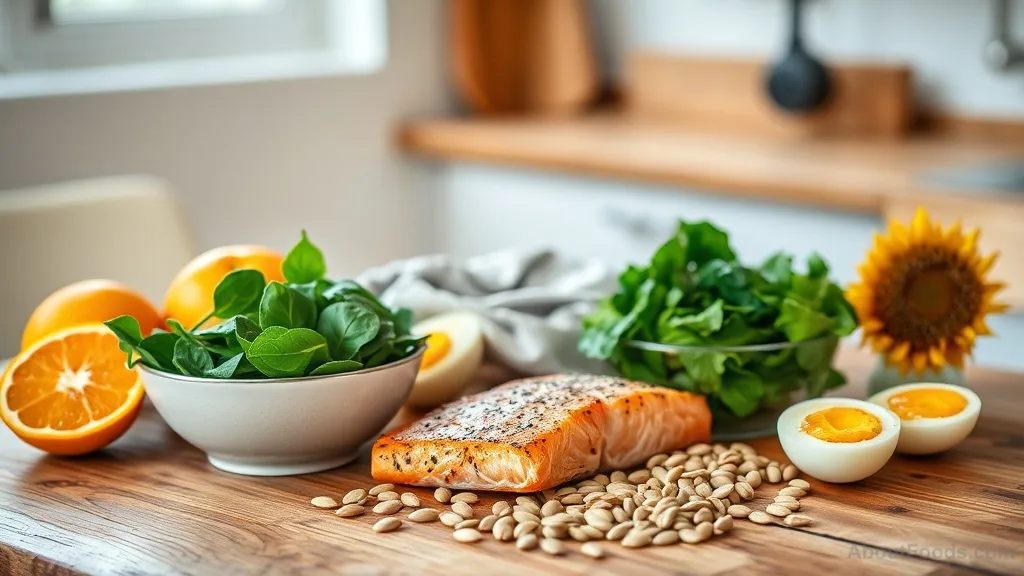

What Are Vitamins, Really?
Vitamins are organic compounds your body needs in small amounts to function properly. They don't provide energy themselves, but they unlock the energy from the food you eat and keep your cells running smoothly. Think of them as the spark plugs in your car: without them, the engine sputters.
There are 13 essential vitamins, each with a specific role. Your body cannot make most of them, so you need to get them from food. That is not a limitation—it is a reminder that eating well is the most direct path to health.
The Two Families: Fat-Soluble vs. Water-Soluble
Vitamins are divided into two groups based on how they are absorbed and stored. Fat-soluble vitamins (A, D, E, K) dissolve in fat and can be stored in your liver and fatty tissues for days or months. Water-soluble vitamins (the B vitamins and vitamin C) dissolve in water and are not stored in large amounts—you need them regularly, and excess is flushed out in urine.
This distinction matters for your diet. Fat-soluble vitamins are best absorbed when eaten with some fat—think a spinach salad with olive oil or carrots roasted with coconut oil. Water-soluble vitamins are more forgiving, but they are also more easily destroyed by heat and light, so eat fruits and vegetables raw or lightly cooked.
Vitamin A: For Vision and Immunity
Vitamin A is crucial for healthy eyesight, especially in dim light. It also supports your immune system and keeps your skin and mucous membranes healthy. There are two forms: preformed vitamin A (retinol) from animal foods like liver and eggs, and provitamin A (beta-carotene) from plants, which your body converts as needed.
Best food sources: carrots, sweet potatoes, spinach, kale, butternut squash, liver, and eggs. A single medium carrot covers your daily need. Overdoing supplements can be toxic because it is fat-soluble and stored, but whole-food sources are safe and balanced.
B Vitamins: The Energy Crew
The B vitamins are a team of eight, each with distinct jobs: B1 (thiamine), B2 (riboflavin), B3 (niacin), B5 (pantothenic acid), B6 (pyridoxine), B7 (biotin), B9 (folate), and B12 (cobalamin). Together, they help convert food into energy, support brain function, form red blood cells, and build DNA.
Because they are water-soluble, you need them daily. Whole grains, legumes, nuts, seeds, meat, eggs, and dark leafy greens are excellent sources. B12 is the only one not found in plant foods, so if you follow a vegan diet, look to fortified foods or talk to a professional about supplementation.
Vitamin C: The Repair Worker
Vitamin C is best known for supporting immune function, but it is also essential for making collagen—the protein that holds your skin, tendons, and blood vessels together. It helps heal wounds and protects cells from oxidative stress as an antioxidant.
Your body cannot store vitamin C, so eat some every day. The richest sources are citrus fruits (oranges, grapefruits), kiwis, bell peppers, strawberries, broccoli, and tomatoes. A single bell pepper contains more vitamin C than an orange. Overdosing from food is impossible, but very high supplements can cause stomach upset.
Vitamin D: The Sunshine Vitamin
Vitamin D helps your body absorb calcium, making it vital for strong bones and teeth. It also plays a role in immune function and mood regulation. Your skin produces vitamin D when exposed to sunlight, but many people in northern climates or with limited sun exposure don't get enough.
Food sources: fatty fish (salmon, mackerel, sardines), egg yolks, fortified dairy or plant milks, and mushrooms exposed to UV light. In winter, or if you rarely see the sun, a modest supplement may be wise—but always talk to a healthcare provider first.
Vitamin E: The Protector
Vitamin E is a powerful antioxidant that helps protect your cells from damage by free radicals. It also supports your immune system and helps widen blood vessels, preventing clotting. It is fat-soluble, so pair it with fat for absorption.
Best sources: sunflower seeds, almonds, hazelnuts, spinach, and avocados. A small handful of sunflower seeds provides most of your daily need. Whole foods are far superior to supplements, because high doses of synthetic vitamin E may be harmful.
Vitamin K: The Clotting Agent
Vitamin K is essential for blood clotting and bone health. Without it, even a small cut could bleed excessively. There are two types: K1 from green leafy vegetables and K2 from fermented foods and animal products. Your gut bacteria also produce some K2.
Excellent sources: kale, spinach, Brussels sprouts, broccoli, natto (fermented soybeans), and hard cheeses. Eating a generous serving of dark leafy greens a few times per week will cover your needs.
How to Get All You Need From Food
The simplest way to meet your vitamin needs is to eat a varied diet rich in whole foods. Focus on dark leafy greens, colorful vegetables, fruits, lean proteins, whole grains, nuts, and seeds. A general rule: the more colorful your plate, the broader your vitamin intake.
Cooking methods matter. Boiling can leach water-soluble vitamins into the water. Steaming, roasting, or sautéing preserve more nutrients. And a splash of healthy fat with vegetables helps absorption of fat-soluble vitamins.
Frequently Asked Questions
Rate this article
No ratings yet. Be the first to rate it.

Written by
Anders Lindberg
Specialises in Scandinavian cuisineAnders is a forager who puts lingonberries on everything, including pizza. His neighbors have filed a complaint.
Describe yourself in three words: Stoic, nature-obsessed, quietly intense.