Fiber And Gut Health
Fiber and Your Gut: The Truth Most People Miss (And How to Fix It)
Fiber isn't just about regularity—it's the secret to a thriving gut and vibrant health. Most people get the type, timing, and amount all wrong. Let's clear up the confusion with practical, delicious fixes you can start today.
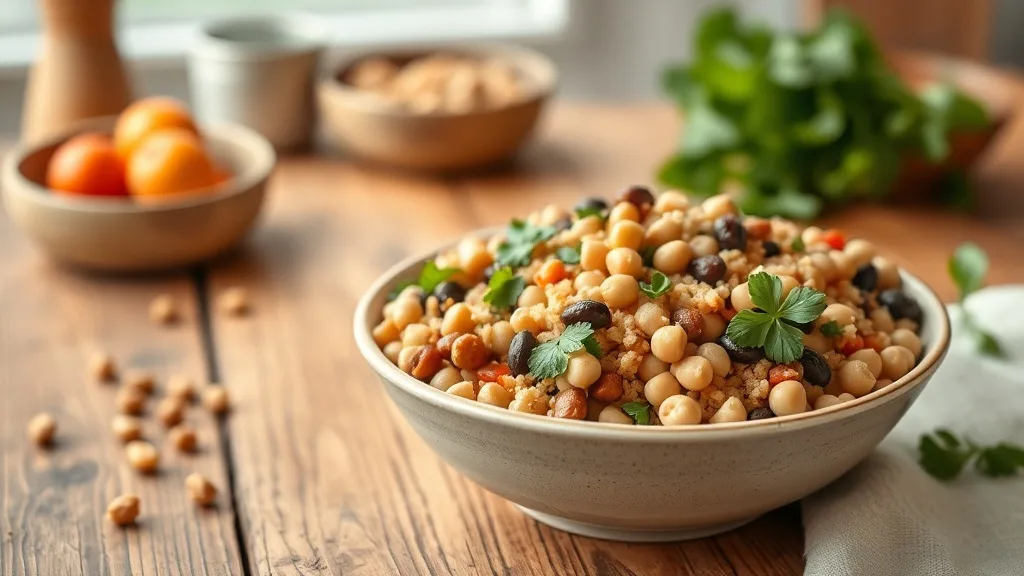

OPA! Let’s Talk Fiber—The Greek Way
Kalimera, my friends! Eleni here, coming at you with the energy of a Greek wedding and the truth about fiber that most people are missing. In my kitchen, growing up in a family that celebrated food like a festival, fiber wasn’t a boring supplement—it was in every bean, every lentil soup, every crunchy vegetable salad. But today, I see so many getting it wrong, thinking fiber is just about ‘staying regular’ or choking down bland bran flakes. Let me tell you: fiber is the life of the party for your gut, and when you get it right, your whole body sings ‘OPA!’ with joy. We’re busting myths and serving up practical tips you can use today—no medical jargon, just real food and real results.
Myth #1: All Fiber Is Created Equal (Spoiler: It’s Not!)
Here’s the big one—most people treat fiber like a single ingredient, but it’s more like a family with two very different cousins: soluble and insoluble fiber. Soluble fiber dissolves in water, forming a gel that slows digestion, helps manage blood sugar, and feeds your good gut bacteria. Think oats, beans, apples, and chia seeds—stuff that gets soft when cooked. Insoluble fiber doesn’t dissolve; it adds bulk and keeps things moving through your digestive tract. That’s your whole grains, nuts, and veggies like broccoli. The mistake? Loading up on one type and ignoring the other. Your gut needs both to thrive, like a balanced meal needs herbs and spice!
Myth #2: More Fiber Always Means Better Health
Ah, the ‘more is better’ trap! I see it all the time—people suddenly doubling their fiber intake and then wondering why their stomach is staging a protest. Your gut needs time to adjust, like learning a new dance. The recommended daily intake is about 25-30 grams for adults, but most folks get barely half that. The mistake isn’t aiming high; it’s rushing in without grace. Start slow, increase gradually over weeks, and pair fiber with plenty of water (yes, hydration matters—your gut isn’t a desert!). Otherwise, you might face bloating or discomfort, which is no fun for anyone.
- Add an extra vegetable to your lunch or dinner—try tossing spinach into pasta or roasting Brussels sprouts.
- Swap refined grains for whole grains: brown rice instead of white
- whole-wheat bread over white bread.
- Snack on fiber-rich foods like a handful of almonds or an apple with skin on.
- Mix beans or lentils into soups
- stews
- or salads—they’re cheap
- filling
Myth #3: Fiber Is Only for Digestion (Think Bigger!)
Listen up: if you think fiber is just about ‘going to the bathroom,’ you’re missing the whole symphony! Fiber is a prebiotic—food for the trillions of good bacteria in your gut microbiome. When those little guys are happy, they support everything from your immune system to your mood (yes, your gut talks to your brain!). Studies show a fiber-rich diet can help with weight management, reduce inflammation, and even boost energy levels. So, it’s not just a plumbing fix; it’s about nurturing your inner ecosystem. In Greek culture, we say ‘a healthy gut is a happy life’—okay, I made that up, but it should be a saying!
Myth #4: You Need Supplements to Get Enough Fiber
Pfft—supplements? In my kitchen, we get fiber from the earth, not a pill! While fiber supplements have their place (talk to a doctor if needed), they’re often overused. Whole foods give you not just fiber, but a package of vitamins, minerals, and antioxidants that work together. A powdered supplement might help in a pinch, but it’s like listening to a song with only one instrument. Aim for variety: beans, fruits, vegetables, nuts, seeds, and whole grains. Your gut loves the complexity, and your taste buds will thank you. Remember, food first—let’s keep it real and delicious!
Myth #5: High-Fiber Foods Are Bland and Boring
Oh, this one makes me laugh—and then cook up a storm! Fiber-rich foods are some of the most flavorful ingredients out there. Think of a hearty lentil soup with herbs, a crisp apple with cinnamon, or a vibrant salad with avocado and nuts. The mistake is treating them as an afterthought. In Greek cooking, we make fiber the star: fasolada (bean soup), horiatiki salad with tomatoes and cucumbers, or dolmades stuffed with rice and herbs. Get creative! Spices, herbs, and healthy fats like olive oil can transform any high-fiber dish into a celebration. Your gut doesn’t need bland—it needs a party!
Your Action Plan: Fiber Made Simple
So, what’s the takeaway? Don’t overcomplicate it! Start by adding one high-fiber food to each meal, drink plenty of water, and mix up your sources. Track your intake loosely if it helps—aim for that 25-30 gram goal over time. Listen to your body; if you feel off, slow down. And most importantly, enjoy the process! Food is meant to be savored, not stressed over. In the spirit of Greek hospitality, I’m throwing in a bonus tip: share a fiber-rich meal with friends or family. Good food and good company feed the gut and the heart. OPA!
FAQs: Fiber Questions, Answered
How much water should I drink with a high-fiber diet?
Aim for at least 8 glasses (about 2 liters) a day. Fiber absorbs water, so staying hydrated helps it move smoothly through your digestive system and prevents bloating.
Can I get enough fiber on a low-carb diet?
Yes, but it takes planning. Focus on non-starchy vegetables like leafy greens, broccoli, and cauliflower, plus nuts, seeds, and berries. Variety is key to hitting your fiber goals without excess carbs.
What if I have digestive issues like IBS?
Go slow and consider soluble fiber sources first, like oats and bananas, which are gentler on the gut. Avoid high-FODMAP foods if they trigger symptoms, and consult a healthcare professional for personalized advice.
Are canned beans as good as dried beans for fiber?
Absolutely! Canned beans are convenient and still packed with fiber. Just rinse them well to reduce sodium, and they’re ready to use in soups, salads, or stews.
How long does it take to see benefits from increasing fiber?
Most people notice improvements in digestion within a few days to a week, but full benefits for gut health and energy can take a few weeks of consistent intake. Patience and consistency pay off!
Rate this article
No ratings yet. Be the first to rate it.

Written by
Eleni Papadakis
Specialises in Greek cuisineEleni is a taverna owner who throws plates (ceremonially) and oregano (liberally). Her tzatziki has healing properties.
Describe yourself in three words: Loud, generous, 'OPA!' energy.