Hydration
Hydration Myths Debunked: What Most People Get Wrong About Drinking Water
Forget the eight-glasses-a-day rule and expensive electrolyte drinks. Real hydration is simpler, cheaper, and more American than you think. Let's cut through the marketing hype and get back to what actually works.

The Great American Hydration Confusion
Look, I love this country, but we've made hydration more complicated than a Thanksgiving dinner with in-laws. We've got folks carrying gallon jugs, spending fortunes on fancy waters, and still wondering why they feel off. The truth is, most of what you've heard about hydration is either outdated, oversimplified, or straight-up marketing nonsense. As someone who's spent more time in greasy diners than I'd care to admit, I can tell you that real hydration isn't about counting ounces—it's about listening to your body and using common sense. Let's peel back the layers on this onion and get to what actually matters.
Myth #1: You Need Eight Glasses of Water Daily
This might be the most persistent nutrition myth in America. That "eight glasses a day" rule? It came from a 1945 Food and Nutrition Board recommendation that people needed approximately 2.5 liters of water daily—but they failed to mention that most of that comes from food and other beverages. Your actual needs depend on your size, activity level, climate, and what you eat. A 120-pound office worker in Seattle needs different hydration than a 200-pound construction worker in Arizona. The better approach: drink when you're thirsty, and pay attention to your urine color (aim for pale yellow).
Myth #2: If You're Thirsty, You're Already Dehydrated
This one drives me nuts. Thirst isn't a failure—it's your body's brilliant, built-in hydration system working exactly as designed. Your brain detects changes in blood concentration and tells you to drink. By the time you feel thirsty, you might be 1-2% dehydrated, which is completely normal and immediately correctable. The problem comes when people ignore thirst or override it with caffeine or sugary drinks. Trust your body. When it says "drink," have some water. It's that simple.
- Headache that improves with drinking water
- Dry mouth or sticky feeling
- Fatigue that isn't explained by lack of sleep
- Muscle cramps during exercise
- Constipation (water helps everything move)
Myth #3: Coffee and Tea Don't Count
As a proud American coffee drinker, this myth offends me personally. Yes, caffeine has a mild diuretic effect, but the water in your coffee or tea far outweighs any fluid loss. Unless you're drinking espresso shots like water (which, let's be honest, some of us have tried), your morning brew contributes to hydration. Herbal teas are even better—they're basically flavored water. The key is moderation. Six cups of black coffee might leave you jittery, but they won't dehydrate you.
| Beverage | Hydration Contribution | Notes |
|---|---|---|
| Water | Excellent | The gold standard, zero calories |
| Herbal tea | Excellent | Warm or cold, adds flavor variety |
| Coffee (regular) | Good | Mild diuretic effect is minimal |
| Milk | Good | Adds protein and electrolytes |
| Sports drinks | Good | Useful during intense exercise only |
| Soda | Poor | Sugar can actually increase thirst |
Myth #4: You Need Expensive Electrolyte Drinks
Unless you're running a marathon or working in extreme heat, you probably don't need those brightly colored sports drinks. Your regular diet provides plenty of electrolytes—sodium, potassium, magnesium, and calcium. That pinch of salt on your eggs? Electrolytes. That banana with breakfast? Electrolytes. Save your money. For most daily activities, water plus normal eating handles electrolyte balance just fine. If you do need a boost after heavy sweating, try this all-American solution: water with a tiny pinch of salt and a squeeze of lemon. Costs pennies, works great.
Myth #5: Clear Urine Means Optimal Hydration
This is where well-intentioned hydration advice goes off the rails. Completely clear urine doesn't mean you're perfectly hydrated—it means you're drinking more water than your body needs right now. Your kidneys are working overtime to excrete the excess. Pale yellow is the sweet spot. If your urine looks like water, you might actually be flushing out electrolytes unnecessarily. Remember: more isn't always better. Even water needs balance.
Myth #6: Hydration Only Comes from Drinks
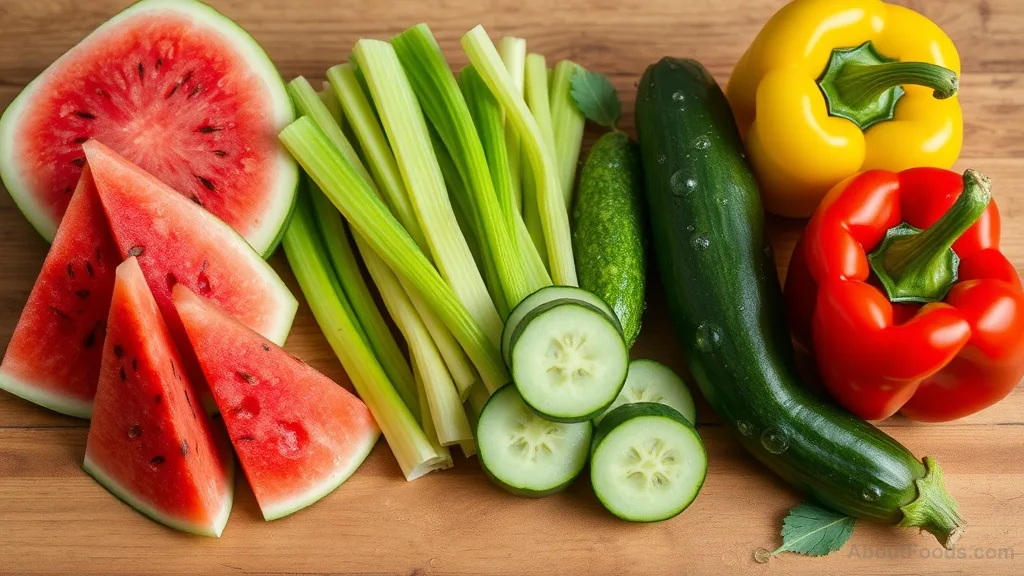
About 20-30% of your daily water intake comes from food. Fruits and vegetables are particularly hydrating—watermelon, cucumber, celery, and oranges are mostly water. Soups, yogurt, and even cooked grains contribute. This is why people who eat plenty of produce often don't need to drink as much plain water. It's also why extreme dieters sometimes struggle with hydration—when you cut calories dramatically, you often cut water-rich foods too.
- Cucumber: 96% water
- great in salads or as snacks
- Celery: 95% water
- perfect with peanut butter
- Strawberries: 91% water
- summer's gift to hydration
- Bell peppers: 92% water
- add crunch to any meal
Practical Hydration for Real American Life
So what should you actually do? First, keep water accessible—a reusable bottle on your desk, a glass by the bed. Second, eat your water with plenty of fruits and vegetables. Third, listen to your body's signals. Fourth, adjust for circumstances: drink more when it's hot, when you're active, or when you're sick. Finally, don't overthink it. Hydration shouldn't be a source of stress or expense. It's as American as apple pie—simple, wholesome, and exactly what your body needs to keep going.
Hydration FAQ: Quick Answers to Common Questions
Can you drink too much water?
Yes, though it's rare in healthy people. Overhydration can dilute electrolytes in your blood, causing hyponatremia. This mainly affects endurance athletes who drink excessively without replacing electrolytes. For daily life, just drink when thirsty.
Do I need to drink water first thing in the morning?
It doesn't hurt, but it's not essential. If you wake up thirsty, have some water. If not, wait until you are. Overnight dehydration is minimal for most people.
What about hydration and weight loss?
Water can help with weight management by increasing fullness and replacing calorie-dense drinks. However, drinking excessive water won't "flush out fat"—that's another myth.
Are expensive alkaline or mineral waters worth it?
For most people, no. Your body regulates pH beautifully, and you get minerals from food. Tap or filtered water works perfectly. Save your money for good ingredients instead.
How do I know if I'm hydrated enough for exercise?
Drink normally beforehand, sip during activity if it's longer than an hour, and replace fluids afterward. Weigh yourself before and after—each pound lost is about 16 ounces of fluid to replace.
What's the best way to track hydration?
Don't over-track. Notice your thirst, check urine color occasionally, and observe how you feel. If you're energetic, thinking clearly, and not constipated, you're probably doing fine.
Rate this article
No ratings yet. Be the first to rate it.

Written by
Mason West
Specialises in American cuisineMason makes smash burgers on a flat top with grilled onions and American cheese. He is a patriot of the griddle.
Describe yourself in three words: Patriotic, greasy, onion-y.