Snack
Puto: Classic Filipino Steamed Rice Cakes
Original name: Puto (Steamed Rice Cake) Snack
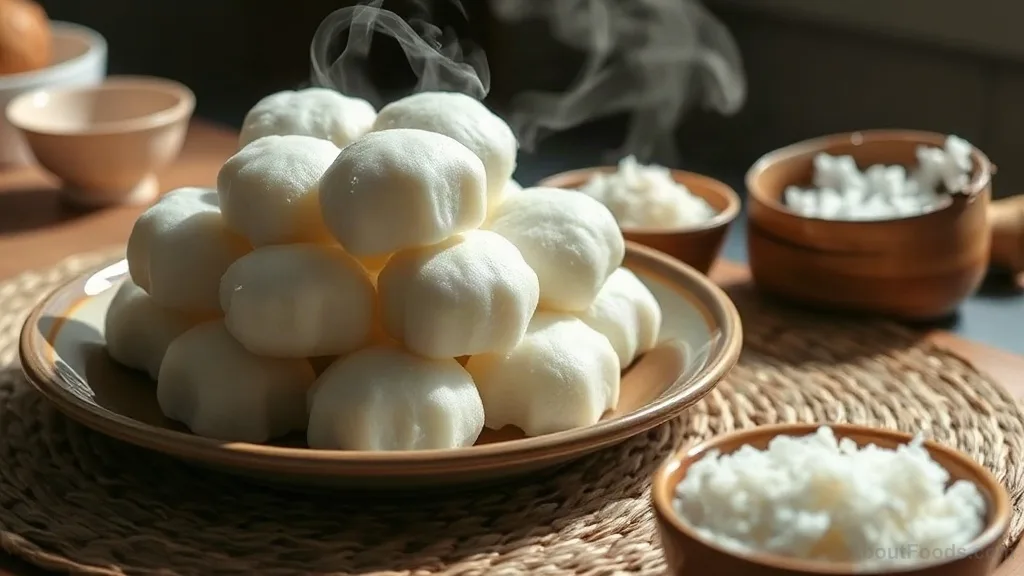
About this dish
These pillowy-soft steamed rice cakes are a beloved merienda in the Philippines, especially when fresh from the steamer. Puto is made from rice flour and coconut milk, naturally sweet and slightly tangy with a hint of yeast.
My Lola always served them with grated coconut on the side, and I can still hear her humming while the steam filled the kitchen. This recipe recreates that comforting aroma and texture, perfect for after-school snacks or weekend breakfasts.
Enjoy them warm with butter or as a sweet partner to savory dinuguan.
Ingredients
UK and US measurements are both included for every recipe.
Rice flour
grain250 g
Imperial measurement: 2 cups
Granulated sugar
other100 g
Imperial measurement: 1/2 cup
Active dry yeast
other1 1/2 tsp
Warm water
liquid120 ml
Imperial measurement: 1/2 cup
Coconut milk
dairy240 ml
Imperial measurement: 1 cup
Salt
seasoning1/4 tsp
Butter or oil for greasing
fatAs needed
Method
Activate the yeast
PT5MIn a small bowl, combine the warm water and yeast. Let it stand for 5 minutes until frothy.
Mix dry ingredients
PT2MIn a large mixing bowl, whisk together the rice flour, sugar, and salt.
Combine wet ingredients
PT3MPour in the activated yeast mixture and coconut milk into the dry ingredients. Whisk until smooth. The batter should be slightly thick but pourable.
Let batter rest
PT1HCover the bowl with a clean kitchen towel and let it rest in a warm place for about 1 hour, or until the batter has noticeably increased in volume.
Prepare steamer and molds
PT5MFill a steamer with water and bring to a simmer. Lightly grease your puto molds or small muffin pans with butter or oil.
Pour batter into molds
PT2MStir the batter gently, then pour it into the molds, filling each about 3/4 full.
Steam the puto
PT20MPlace the molds into the steamer. Cover with a clean cloth or steamer lid to prevent condensation from dripping. Steam over medium heat for 15-20 minutes, or until a toothpick inserted comes out clean.
Cool and serve
PT5MRemove the puto from the steamer and let them cool in the molds for a few minutes. Then, gently loosen and transfer to a wire rack. Serve warm or at room temperature with grated coconut, if desired.
Equipment
- Steamer
- Muffin molds or small ramekins
- Mixing bowls
- Whisk
- Measuring cups and spoons
- Toothpick
Nutrition facts
Tips
- For a lighter texture, let the batter rest longer, the yeast will work quietly, just like when my Lola let hers sit by the window 'to catch the morning breeze.', Do not overfill the molds, the puto will puff up in the steamer, and a little breathing room makes them look like little clouds.
- If you don't have puto molds, small muffin pans or even custard cups work perfectly. Just make sure the batter is about three-fourths full.
- For extra flavor, you can add a few drops of pandan essence or a pinch of vanilla to the batter, but the classic version remains sweetly simple.
Serving suggestions
- Serve puto warm, split and slathered with butter, or alongside savory dishes like dinuguan or adobo.
- For.
- For dessert, pair with grated coconut or sweetened condensed milk drizzle.
Rate this recipe
No ratings yet. Be the first to rate it.

Recipe by
Miguel Santos
Specialises in Filipino cuisineMiguel learned adobo from his Lola and added a twist: coconut milk AND cane vinegar. He is now considered a folk hero in Manila.
Describe yourself in three words: Proud, nostalgic, talks about his Lola a lot.