Rice Cake
Classic Puto with Salted Egg (Filipino Steamed Rice Cakes)
Original name: Puto with Salted Egg
About this dish
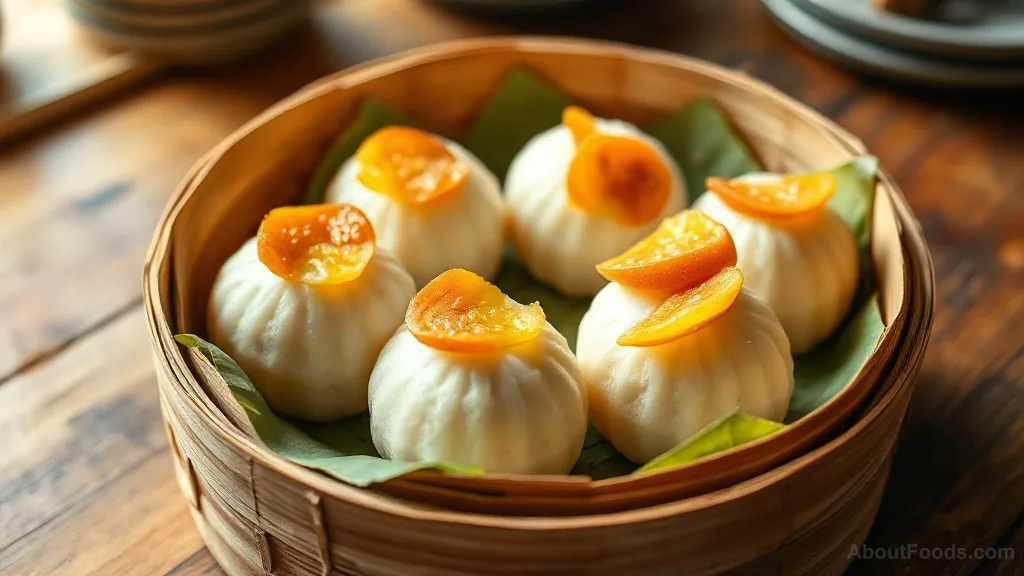
This classic Filipino puto recipe pairs soft, pillowy rice cakes with the salty richness of itlog na maalat (salted duck eggs). A staple at every celebration and merienda table, this version honors my Lola's time-honored method—using rice flour for that tender crumb and a touch of cake flour for lift.
Steamed to perfection, each bite is a nostalgic trip home.
Ingredients
UK and US measurements are both included for every recipe.
Rice flour
grain250 g
Imperial measurement: 2 cups
Cake flour
grain30 g
Imperial measurement: 1/4 cup
White sugar
other100 g
Imperial measurement: 1/2 cup
Baking powder
other2 tsp
Salt
spice1/4 tsp
Coconut milk
dairy240 ml
Imperial measurement: 1 cup
Water
liquid120 ml
Imperial measurement: 1/2 cup
Salted duck eggs (itlog na maalat)
protein3 large
Banana leaves (for lining, optional)
otheras needed
Method
Prepare the steamer and molds
PT5MFill a steamer with water and bring to a boil. If using banana leaves, cut them into rounds or squares that fit your puto molds. Soften the leaves slightly by heating them briefly over the flame or dipping in hot water. Line the molds or muffin tin with the leaves.
Mix dry ingredients
PT2MIn a large bowl, combine the rice flour, cake flour, sugar, baking powder, and salt. Whisk until well blended.
Add wet ingredients
PT5MIn a separate bowl, mix the coconut milk and water. Pour the liquid mixture into the dry ingredients. Stir until you have a smooth batter. Let the batter rest for 5 minutes to allow the rice flour to hydrate.
Prepare salted eggs
PT3MSlice the salted duck eggs into thin rounds (about 1/4-inch thick). Set aside.
Fill the molds
PT5MPour the batter into the molds, filling each about 3/4 full. Place a slice of salted egg on top of each puto, gently pressing it in slightly.
Steam the puto
PT20MPlace the molds in the steamer. Cover with a clean cloth or the steamer lid wrapped in a towel to prevent condensation from dripping onto the puto. Steam over medium-high heat for 15-20 minutes, or until a toothpick inserted into the center comes out clean.
Cool and serve
PT5MRemove the puto from the steamer and let them cool slightly in the molds. Gently remove from the molds and serve warm or at room temperature.
Equipment
- [object Object]
Nutrition facts
Tips
- I always use my Lola's technique of resting the batter for at least 5 minutes—it lets the rice flour absorb the liquid and gives you a smoother, more tender puto.
- If you don’t have cake flour, you can substitute all-purpose flour and replace 2 tablespoons with cornstarch to get a similar soft crumb.
- To prevent the puto from sticking, whisk a teaspoon of oil into the batter and lightly grease your molds. But honestly, banana leaves make the best non-stick and add a subtle aroma.
- Steam at a consistent simmer, not a rolling boil, to avoid a lumpy top. Wrapping the lid with a clean kitchen towel catches the condensation and keeps the puto dry.
Serving suggestions
- Serve these puto warm as a mid-morning snack with a cup of salabat (ginger tea) or kapeng barako. They also make a festive addition to any celebration spread.
Rate this recipe
No ratings yet. Be the first to rate it.

Recipe by
Miguel Santos
Specialises in Filipino cuisineMiguel learned adobo from his Lola and added a twist: coconut milk AND cane vinegar. He is now considered a folk hero in Manila.
Describe yourself in three words: Proud, nostalgic, talks about his Lola a lot.