Beverage
Lahpet Yay (Burmese Fermented Tea Leaf Drink) with Nepali Rice Milk and Planteose
Original name: Lahpet Yay with Nepali Rice Milk and Planteose
About this dish
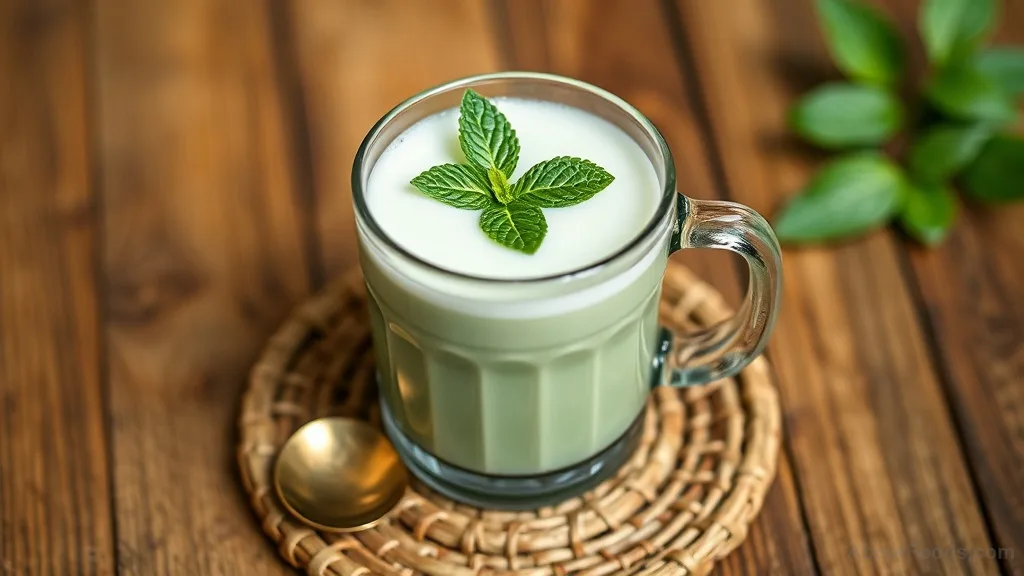
A dreamy, almost secretive fusion that bridges Myanmar and Nepal through a single cup. Lahpet yay—the savory-sour-slightly bitter tea leaf broth—finds a surprising partner in silky Nepali rice milk, sweetened subtly with planteose (a rare natural sugar).
The result is earthy, milky, and softly sweet, with fermented complexity lingering beneath. A drink that reveals itself slowly, sip after sip.
Ingredients
UK and US measurements are both included for every recipe.
lahpet (fermented tea leaves)
herb2 tablespoons
water
liquid300 ml
Imperial measurement: 1 1/4 cups
Nepali rice milk (homemade or store-bought unsweetened)
dairy200 ml
Imperial measurement: about 3/4 cup
planteose
other1 tablespoon
mint leaves
herba few sprigs
Method
Steep the tea
10 minutesPlace the lahpet in a small saucepan with 300 ml (1 1/4 cups) water. Bring to a gentle simmer over medium heat, then reduce heat to low and let steep for 10 minutes. Do not boil vigorously as that can make the tea bitter.
Strain the infusion
2 minutesPour the steeped liquid through a fine-mesh strainer into a clean bowl, pressing lightly on the leaves to extract all the flavor. Discard the leaves.
Sweeten the tea
1 minuteWhile the tea is still warm, stir in the planteose until fully dissolved. The planteose adds a mild, clean sweetness that doesn't overpower the tea's savory notes.
Prepare the rice milk layer
3 minutesIf using homemade rice milk, whisk it well to recombine. Store-bought unsweetened rice milk can be used as is. Gently warm the rice milk in a separate small saucepan over low heat until just lukewarm—do not boil.
Pour the milk layer
2 minutesDivide the sweetened tea between two heatproof glasses or mugs. Slowly pour the warm rice milk over the back of a spoon onto the top of each glass so that it floats as a distinct layer. The milk will swirl if you pour too quickly—that's fine too, but the layered look is striking.
Garnish and serve
2 minutesGarnish each glass with a sprig of mint. Serve warm, with a small stirrer so each person can mix the layers (or not) as they wish.
Equipment
- small saucepan
- fine-mesh strainer
- bowl
- whisk
- heatproof glasses or mugs
Nutrition facts
Tips
- If you can’t find planteose, substitute with a mild honey or agave, but reduce the amount by half as planteose is less sweet than honey. The flavor will shift slightly.
- Homemade Nepali rice milk is made by blending soaked white rice with water and straining, but any plain unsweetened rice milk works here. Avoid vanilla-flavored varieties.
- Lahpet (fermented tea leaves) is available at Burmese grocery stores or online.
- If.
- If you can't find lahpet, do not substitute regular tea leaves, the fermented depth is irreplaceable.
- Serve this drink warm for a cozy afternoon treat.
- For.
- For a cooler version, let both the tea and rice milk cool before layering over ice, though the texture may become a bit grainy.
Serving suggestions
- Serve this layered drink as an afternoon pick-me-up or a unique dessert beverage. Pair with light Burmese snacks like fried samosas or a simple biscuit to balance the tea's earthiness.
Rate this recipe
No ratings yet. Be the first to rate it.

Recipe by
Thiri Tun
Specialises in Burmese cuisineThiri is a tea leaf salad master who ferments her own tea leaves in a clay pot. She will not tell you the recipe.
Describe yourself in three words: Mysterious, secretive, delicious.