Dessert
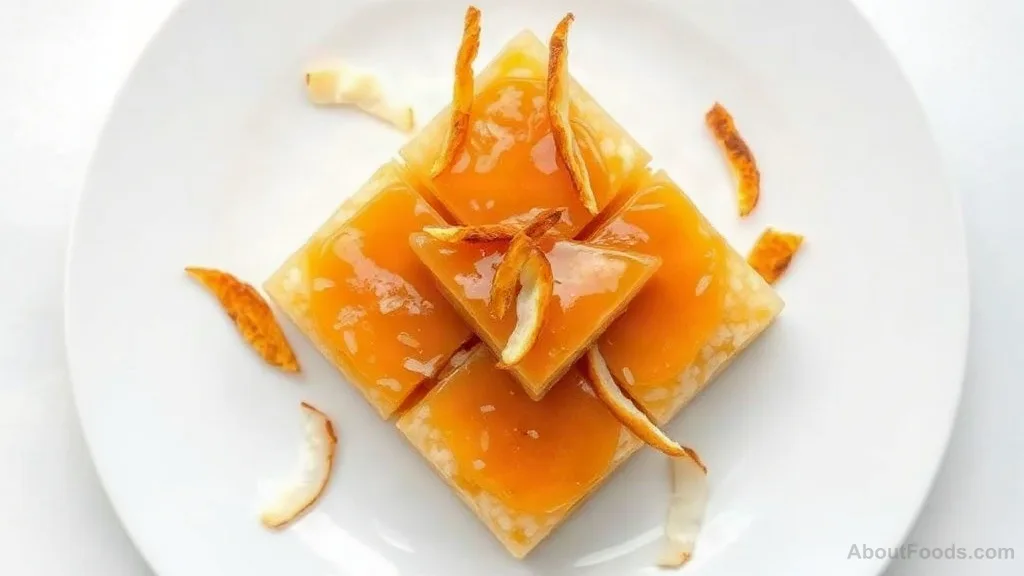
Biko with Macapuno (Filipino Sticky Rice Cake with Coconut Jam)
Original name: Biko with Macapuno
About this dish
A beloved Filipino kakanin, biko is a soft and chewy glutinous rice cake sweetened with coconut milk and brown sugar, then crowned with a luscious macapuno topping. This version takes the classic up a notch with the tender, sweet young coconut strips, making every bite a celebration of texture and flavor.
Perfect for merienda, fiestas, or any day you crave a taste of home.
Ingredients
UK and US measurements are both included for every recipe.
glutinous rice (sweet rice)
grain450 g (2 cups)
Imperial measurement: 2 cups
water
liquidas needed
coconut milk
liquid800 ml (3 ½ cups), divided
Imperial measurement: 3 ½ cups, divided
brown sugar
seasoning225 g (1 cup, packed)
Imperial measurement: 1 cup, packed
salt
seasoning1/2 tsp
macapuno strips
fruit240 ml (1 cup) whole strips or macapuno in syrup, drained and syrup reserved
Imperial measurement: 1 cup
macapuno syrup (from jar)
liquid2 tbsp, plus more as needed
Imperial measurement: 2 tbsp
Method
Soak and steam the rice
PT40MRinse the glutinous rice thoroughly until the water runs clear. Soak in water for at least 1 hour or overnight. Drain well. Arrange the rice in a steamer lined with cheesecloth or a banana leaf, and steam over boiling water for 20–30 minutes, until the rice is just cooked and slightly sticky.
Make the coconut caramel
PT7MIn a large, heavy-bottomed pot or wok, combine 2 cups of coconut milk, the brown sugar, and salt. Cook over low heat, stirring constantly, until the sugar has dissolved and the mixture is slightly thickened, about 5–7 minutes. The color should turn a rich caramel hue.
Combine rice and coconut mixture
PT20MAdd the steamed rice to the coconut mixture. Pour in the remaining 1 ½ cups of coconut milk. Mix well, making sure every grain is coated. Continue cooking over low–medium heat, stirring frequently. This is tiring but essential—the mixture will become very thick and sticky. Cook for 15–20 minutes, until most of the liquid is absorbed and the rice is fully tender. Be careful not to let the bottom burn.
Prepare the baking pan
PT5MTransfer the biko mixture to a buttered or lined dish (about 9x13 inches or a round pan). Press it down evenly with a spatula. Set aside.
Make the macapuno topping
PT5MIn a small pan, combine the drained macapuno strips with 2 tablespoons of the macapuno syrup (plus more if needed to replace evaporated water). Cook over low heat for 3–5 minutes, stirring occasionally, to slightly thicken the syrup and infuse the coconut flavor.
Layer the topping
PT2MSpread the macapuno mixture evenly over the surface of the biko. Use a fork to gently swirl it into the top layer if desired.
Toast until golden
PT3MSet your oven to broil with the rack about 6 inches from the heat. Broil the biko for 2–3 minutes, just until the topping is slightly blistered or deeply golden. Watch carefully to avoid burning. Alternatively, to get a classic toasted caramel crust, leave the biko on the stovetop over low heat for a few extra minutes until the bottom is slightly crunchy.
Cool and serve
PT30MAllow the biko to cool completely in the pan, then slice into squares or diamonds. Serve warm or at room temperature, perhaps on banana leaves for an extra festive touch.
Equipment
- Steamer basket
- Pot or wok
- Rubber spatula
- Dish (9x13 or similar)
- Oven with broiler
- Small sauce pan
Nutrition facts
Tips
- Toasting the rice first: If you don't want to steam, you can dry-toast the rice in a wok for 3–5 minutes before boiling—it gives a nutty flavor, just add a bit more water when boiling.
- Burn prevention: Use a heavy-bottomed pan and stir constantly, especially when the biko thickens.
- If.
- If it seems too sticky, add a few tablespoons of coconut milk.
- Make ahead: Biko keeps well in the refrigerator for up to a week. When ready to serve, steam or microwave a slice until soft and glossy again.
Serving suggestions
- Serve biko with macapuno for dessert, merienda, or during festive gatherings. Pair with a cup of strong brewed coffee or hot tsokolate for the ultimate Filipino snack experience.
Rate this recipe
No ratings yet. Be the first to rate it.
Recipe by
Liza Villanueva
Specialises in Filipino cuisineLiza makes ube halaya that has healed family rifts. She believes purple is a flavor.
Describe yourself in three words: Cheerful, whimsical, loves purple.