Main Course
Bulgogi Bibimbap (Korean Beef Rice Bowl)
Original name: Bulgogi Bibimbap
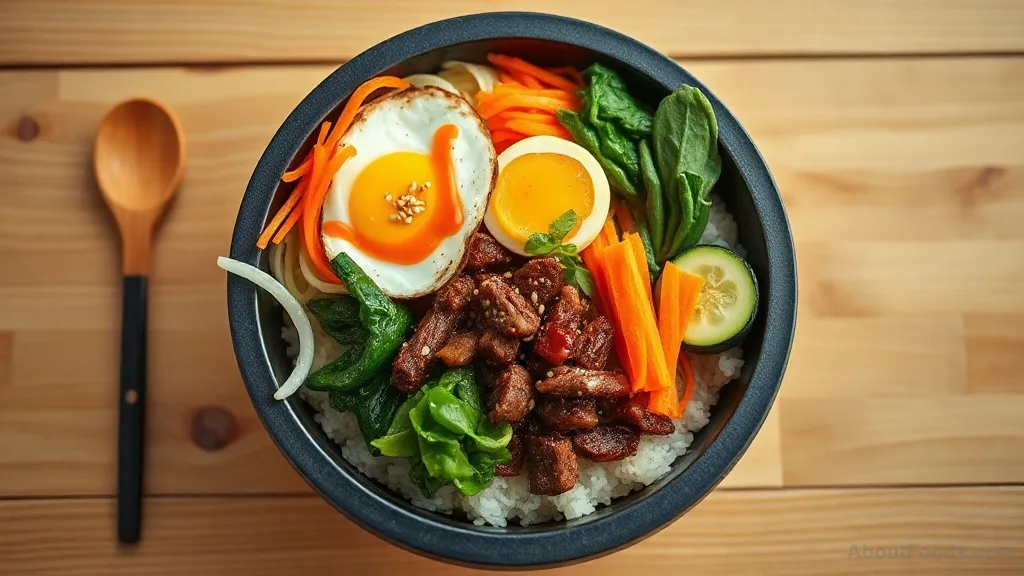
About this dish
Bulgogi bibimbap is a beloved Korean rice bowl that combines sweet and savory marinated beef with an array of colorful vegetables, a fried egg, and gochujang sauce. This recipe honors the traditional balance of flavors and textures, offering a satisfying and nutritious meal that's perfect for any night of the week.
With its roots in Korean royal cuisine, bibimbap is a celebration of harmony and simplicity, and this version brings the umami-rich bulgogi to the forefront.
Ingredients
UK and US measurements are both included for every recipe.
Beef sirloin, thinly sliced
protein450 g
Imperial measurement: 1 lb
Soy sauce
seasoning4 tbsp
Imperial measurement: 1/4 cup
Brown sugar
seasoning2 tbsp
Sesame oil
fat2 tbsp
Garlic cloves, minced
herb4 cloves
Grated Asian pear
fruit1/2 cup
Black pepper
spice1/2 tsp
Cooked short-grain rice
grain4 cups
Blanched spinach, squeezed dry
vegetable200 g
Imperial measurement: 7 oz
Blanched bean sprouts
vegetable150 g
Imperial measurement: 1.5 cups
Carrot, julienned
vegetable1 medium
Zucchini, julienned
vegetable1 medium
Eggs
protein4
Gochujang (Korean chili paste)
seasoning4 tbsp
Toasted sesame seeds
spice1 tbsp
Vegetable oil
fat2 tbsp
Method
Marinate the Beef
30 minutesIn a medium bowl, combine the soy sauce, brown sugar, sesame oil, minced garlic, grated pear, and black pepper. Add the sliced beef and toss to coat. Cover and refrigerate for at least 30 minutes, or up to overnight for deeper flavor.
Prepare the Vegetables
15 minutesWhile the beef marinates, prepare the vegetables. Blanch the spinach in boiling water for 30 seconds, then immediately transfer to ice water. Drain and squeeze out excess water. Season with a pinch of salt and a few drops of sesame oil. Blanch the bean sprouts in boiling water for 2 minutes, then drain and season similarly. Sauté the julienned carrots and zucchini separately in a lightly oiled pan over medium-high heat until just tender, about 2-3 minutes each. Season each with a pinch of salt.
Cook the Beef
6 minutesHeat a large skillet over high heat. Add the marinated beef and stir-fry until cooked through and slightly caramelized, about 5-6 minutes. Remove from heat and set aside.
Fry the Eggs
3 minutesIn the same skillet, add a little oil if needed. Fry the eggs sunny-side up until the whites are set but the yolks are still runny, about 2-3 minutes. Season with a pinch of salt.
Assemble the Bibimbap
5 minutesDivide the warm rice among four large bowls. Arrange the beef, spinach, bean sprouts, carrots, and zucchini in separate sections on top of the rice. Place a fried egg in the center of each bowl. Sprinkle with toasted sesame seeds.
Serve with Gochujang
1 minuteServe immediately with gochujang on the side for each person to stir in to their liking.
Equipment
- Large skillet
- Mixing bowls
- Rice cooker or pot
- Chef's knife
- Cutting board
Nutrition facts
Tips
- For the most tender bulgogi, slice the beef very thinly against the grain. Freezing the beef for 30 minutes before slicing makes it easier to cut thin slices.
- The grated pear is a classic Korean tenderizer that adds a subtle sweetness and helps balance the savory and spicy flavors.
- To make a quick bibimbap sauce, mix 2 tablespoons of gochujang with 1 tablespoon of sesame oil and 1 teaspoon of sugar. This can be drizzled directly over the bowl.
- If you have a traditional dolsot (stone bowl), you can heat it with a little sesame oil before adding the rice to create a crispy bottom layer.
Serving suggestions
- Serve bulgogi bibimbap with a side of kimchi and a light soup, such as doenjang jjigae. It's a complete meal that's perfect for a satisfying lunch or dinner.
Rate this recipe
No ratings yet. Be the first to rate it.
Recipe by
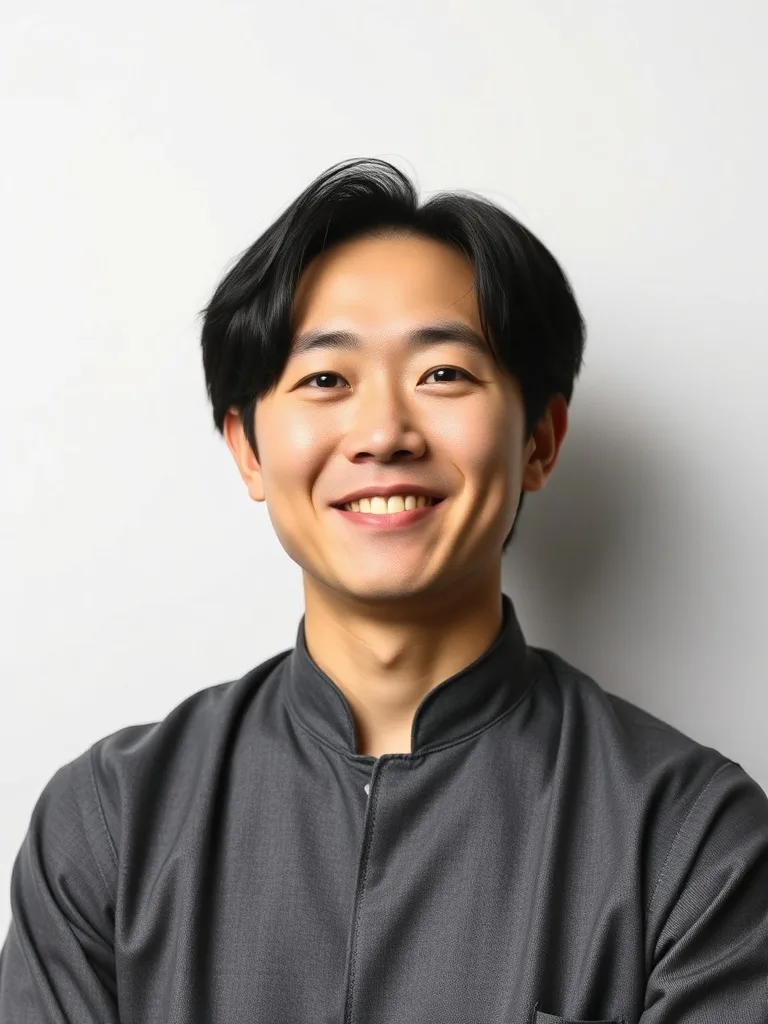
Hyunwoo Kim
Specialises in Korean cuisineHyunwoo makes kimchi by hand in a traditional onggi pot. He speaks to it like a pet.
Describe yourself in three words: Devoted, fermented, kimchi whisperer.