Main Course
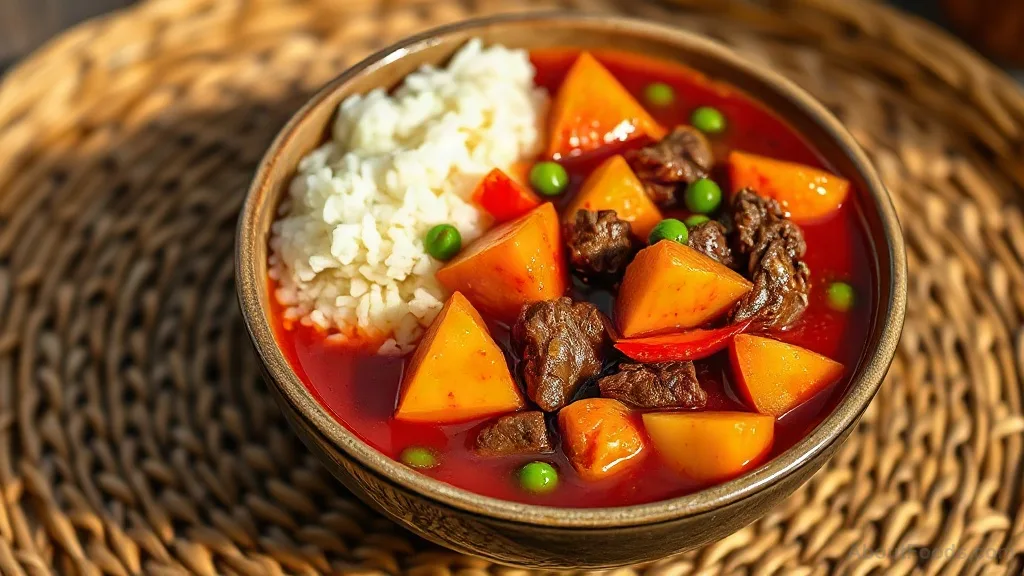
Kaldereta with Potatoes and Carrots: Filipino Beef Stew
Original name: Kaldereta with Potatoes and Carrots
About this dish
Kaldereta is a rich, tomato-based Filipino stew that has been a centerpiece of fiesta tables for generations. This version, with tender beef, potatoes, and carrots, is the one my Lola made on Sunday afternoons, filling the house with the scent of garlic, bay leaf, and bell pepper.
Unlike the spicier Bicolano variations, this style leans on tomato sauce and liver spread for a savory depth that hugs every spoonful of rice. The dish has Spanish roots, but the Filipino kitchen made it its own with local ingredients and a whole lot of heart.
It's the kind of meal that tastes even better the next day.
Ingredients
UK and US measurements are both included for every recipe.
Beef chuck
protein1 kg
Imperial measurement: 2.2 lbs
Potatoes
vegetable3 medium (about 450 g)
Imperial measurement: 3 medium (about 1 lb)
Carrots
vegetable2 medium (about 200 g)
Imperial measurement: 2 medium (about 7 oz)
Tomato sauce
vegetable250 ml
Imperial measurement: 1 cup
Liver spread
protein4 tbsp
Red bell pepper
vegetable1 large
Green bell pepper
vegetable1 large
Garlic
herb6 cloves
Onion
vegetable1 large
Vegetable oil
fat3 tbsp
Fish sauce
seasoning2 tbsp
Bay leaves
herb2 pieces
Black peppercorns
spice1 tsp
Water or beef broth
liquid1.5 L
Imperial measurement: 6 cups
Green peas
vegetable1 cup
Salt
seasoningto taste
Method
Sear the beef
10 minutesPat the beef cubes dry with paper towels and season lightly with salt and pepper. Heat the vegetable oil in a Dutch oven or heavy pot over medium-high heat. Working in batches to avoid crowding, sear the beef until browned on all sides, about 3–4 minutes per batch. Transfer the beef to a plate and set aside.
Sauté aromatics
2 minutesIn the same pot, reduce heat to medium and add the onion and garlic. Sauté until the onion is translucent and fragrant, about 2 minutes. Scrape up any browned bits from the bottom of the pot with a wooden spoon.
Build the sauce
2 minutesPour in the tomato sauce and fish sauce. Stir well, then add the liver spread and cook, stirring, for 1 minute until it dissolves into the sauce. Return the seared beef to the pot along with any collected juices.
Simmer the beef
1 hour 15 minutesAdd the water or beef broth, bay leaves, and cracked peppercorns. Bring to a boil, then lower the heat to a gentle simmer. Cover and cook until the beef is tender, about 1 hour to 1 hour 15 minutes. Stir occasionally and add more water if needed to keep the meat covered.
Add potatoes and carrots
15–20 minutesOnce the beef is fork-tender, add the potatoes and carrots. Simmer uncovered for 15–20 minutes, or until the vegetables are tender but still hold their shape. If the sauce is too thin, mash a few potato pieces against the side of the pot to thicken it naturally.
Finish with peppers and peas
5 minutesStir in the red and green bell peppers and the green peas (if using). Cook for another 5 minutes until the peppers are just tender and the peas are heated through. Taste and adjust seasoning with salt or more fish sauce if needed. Remove bay leaves before serving.
Rest and serve
5 minutesLet the kaldereta rest off the heat for 5 minutes to allow the flavors to meld. Serve hot with steamed white rice.
Equipment
- Dutch oven or heavy-bottomed pot
- Knife
- Cutting board
- Wooden spoon
- Measuring cups and spoons
Nutrition facts
Tips
- For deeper flavor, marinate the beef in fish sauce, garlic, and cracked pepper for 30 minutes before searing.
- If you can't find liver spread, substitute with 2 tablespoons of smooth peanut butter mixed with 1 tablespoon of soy sauce for a nutty, savory note (though it won't be traditional)., Kaldereta tastes even better the next day, cool it completely and refrigerate overnight, then reheat gently on the stovetop.
- To avoid mushy potatoes, add them only after the beef is fully tender and simmer until just cooked through.
Serving suggestions
- Serve hot with steamed white rice and a side of pickled green papaya (atchara) or a simple cucumber salad to cut through the richness. It also pairs well with crusty bread for dipping.
Rate this recipe
No ratings yet. Be the first to rate it.
Recipe by
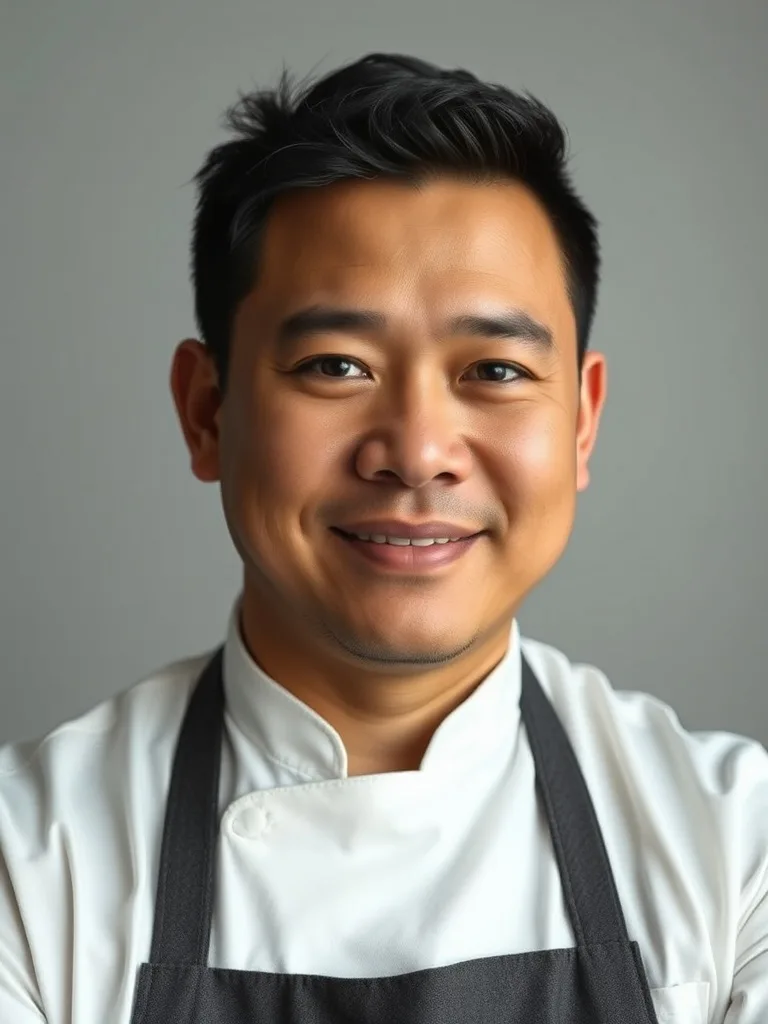
Miguel Santos
Specialises in Filipino cuisineMiguel learned adobo from his Lola and added a twist: coconut milk AND cane vinegar. He is now considered a folk hero in Manila.
Describe yourself in three words: Proud, nostalgic, talks about his Lola a lot.