Dessert
Kanom Mo Kaeng – Thai Coconut Egg Custard Cake (Khanom Mo Kaeng)
Original name: Kanom Mo Kaeng (Coconut Egg Cake)
About this dish
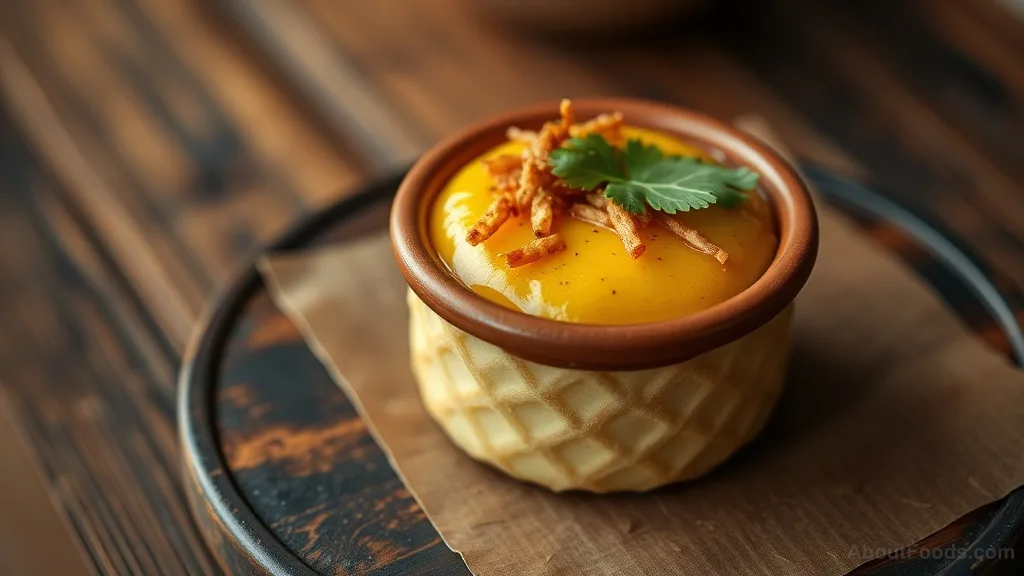
Thai coconut egg cake, known as kanom mo kaeng, is a rich, silky custard steamed over a layer of palm sugar and coconut milk. A classic street-side dessert from central Thailand, it’s surprisingly simple to make at home and offers a sweet, jiggly bite that’s both comforting and exotic.
This version highlights the deep caramel notes of palm sugar and the creamy richness of coconut cream, finished with a sprinkling of crispy shallots for a salty crunch.
Ingredients
UK and US measurements are both included for every recipe.
Coconut milk
dairy400 ml (1 can)
Imperial measurement: 1⅓ cups
Palm sugar
liquid150 g
Imperial measurement: ¾ cup (packed)
Whole eggs
protein4 large
Rice flour
grain20 g
Imperial measurement: 2½ tablespoons
Salt
spice¼ teaspoon
Shallots (finely sliced)
vegetable2 shallots
Vegetable oil
fat250 ml (approximately)
Imperial measurement: 1 cup (approximately)
Method
Prepare the caramel base
PT10MPlace palm sugar in a small, dry skillet over medium heat. Stir constantly until it melts into a dark caramel, about 5 minutes. Be careful not to burn it. Immediately divide the caramel equally among 6 small ramekins or clay pots and tilt each to coat the bottom evenly. Set aside to cool and harden.
Whisk the custard batter
PT15MIn a mixing bowl, whisk the eggs together with the rice flour and salt until smooth and slightly frothy. Gradually pour in the coconut milk, whisking continuously to create a homogeneous custard. Strain through a fine mesh to remove any lumps. Let the batter rest for 15 minutes.
Prepare the steamer
PT10MMeanwhile, set up a steamer with enough water to be about 2 inches deep. Bring to a gentle simmer. Arrange the ramekins with the hardened caramel in the steamer basket.
Fire up the fry for crispy shallots
PT10MHeat about 2 cm (⅓ inch) of vegetable oil in a small pan over medium-high heat. Fry the sliced shallots in batches, stirring occasionally, until golden brown. Remove with a slotted spoon and drain on paper towels. Season lightly with salt and set aside.
Pour the custard and steam
PT40MAfter the batter has rested, pour it evenly into the ramekins over the caramel. Cover the steamer and steam over gentle heat for 25–30 minutes, or until the custard is nearly set with a slight wobble in the center. Turn off the heat and let the cakes rest inside the unopened steamer for another 10 minutes.
Chill and serve
PT30MRemove the ramekins from the steamer and let them cool to room temperature. Chill in the refrigerator for at least 1 hour or until fully set and cold. To serve, run a knife around the edge of each pot and invert the cake onto a serving plate. Sprinkle generously with the crispy shallots.
Equipment
- [object Object]
Nutrition facts
Tips
- The quality of the coconut milk matters—use a good brand with at least 20% fat for the richest custard.
- Don't overmix the batter once you add the coconut milk, you want a smooth mixture without too much air, which can cause a spongy texture.
- If you prefer a firmer custard, steam for the full 30 minutes, if you like it jigglier, steam for only 25 minutes and chill thoroughly.
- The caramel will fully melt into a sauce while steaming, creating a two-layer effect.
- For.
- For the best presentation, serve upside down so the caramel pools on top.
Serving suggestions
- Serve kanom mo kaeng chilled, with a sprinkle of sharp fried shallots and maybe a few toasted sesame seeds. It pairs nicely with a hot cup of unsweetened Thai tea to balance the sweetness.
Rate this recipe
No ratings yet. Be the first to rate it.

Recipe by
Arun Chantarangsu
Specialises in Thai cuisineArun Boonmee makes pad see ew with wide noodles and a smoky wok hei. He is a wok tosser.
Describe yourself in three words: Smoky, wide noodle, wok toss.