Dessert
Sangkaya (Thai Coconut Custard)
Original name: Sangkaya (Coconut Custard)
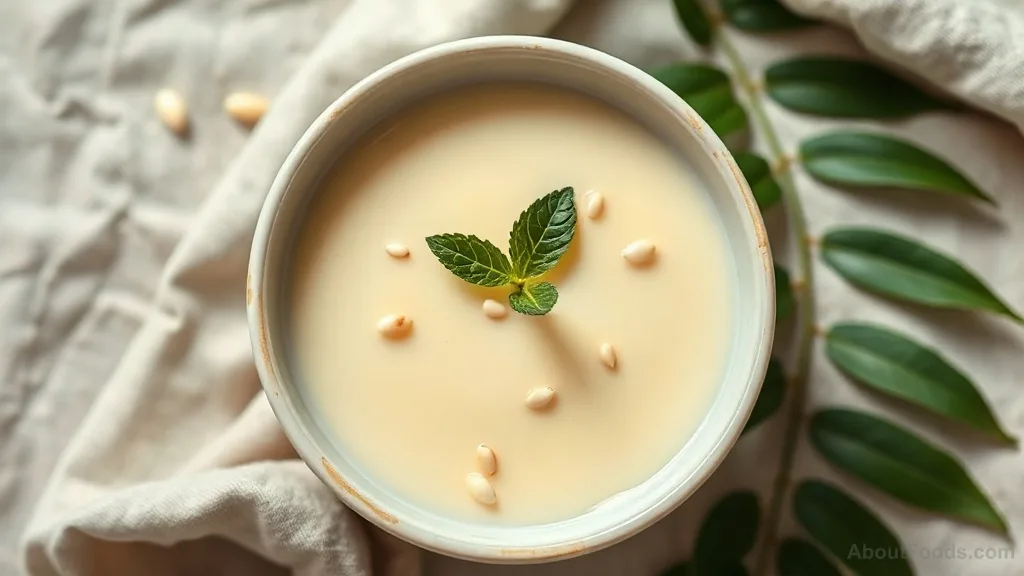
About this dish
Sangkaya is a silky Thai coconut custard that's lightly sweet, creamy, and naturally gluten-free. Traditionally served as a topping for sweet sticky rice or enjoyed on its own, this classic dessert offers a gentle, comforting flavor that's easy to make at home.
My version keeps the custard simple and balanced, letting the coconut shine while the palm sugar and pandan add a subtle aromatic sweetness.
Ingredients
UK and US measurements are both included for every recipe.
Coconut milk
liquid400ml (1 can)
Imperial measurement: 1 can (13.5 oz)
Eggs, large
protein3 large
Imperial measurement: 3
Palm sugar
other100g (about 1/2 cup packed)
Imperial measurement: 1/2 cup packed
Pandan leaf
other1 pandan leaf, tied in a knot
Toasted sesame seeds
spice1 teaspoon
Method
Prep the Steamer
5 minsFill a steamer pot with water and bring it to a gentle simmer over medium heat. The water should be simmering, not boiling, when you add the custards.
Warm the Coconut Milk
7 minsIn a small saucepan, combine the coconut milk, palm sugar, and pandan leaf (if using). Warm over low heat, stirring occasionally, until the sugar is completely dissolved. Do not let the mixture boil or get too hot—you just want the sugar melted. Remove from heat and let cool slightly so it's warm but not steaming.
Whisk the Eggs
3 minsIn a medium bowl, lightly whisk the eggs until they are just combined and slightly foamy. Avoid overbearing—you don't want a lot of foam on the surface.
Combine Mixtures
3 minsWhile whisking the eggs continuously, slowly drizzle in the warm coconut milk mixture in a steady stream. This tempers the eggs gently and prevents them from scrambling. Keep whisking until everything is well blended. If a little foam appears on the surface, skim it off with a spoon for a smooth custard shape.
Strain
2 minsPlace a fine-mesh sieve over a large measuring cup or bowl with a spout. Pour the custard mixture through the strainer to remove any unset egg bits or impurities, ensuring a silky texture.
Fill Ramekins
2 minsDivide the strained custard equally among four ramekins (about 1/2-cup size). Cover each ramekin with a small piece of aluminum foil or a saucer that fits snugly, which will keep the custards shiny and prevent condensation from dripping onto them.
Steam Gently
30 minsPlace the ramekins in the steamer basket. Cover and steam over gentle simmering water (medium-low heat) for about 25 to 30 minutes. Keep the water at a gentle simmer, not a rolling boil, to keep the texture silky. Check by shaking gently: the custard should be set around the edges but slightly wobbly in the center when done.
Cool and Serve
15 minsRemove the custards from the steamer and let them cool to room temperature. They can be served slightly warm, at room temperature, or chilled. Sprinkle with toasted sesame seeds right before serving if desired.
Equipment
- Small saucepan
- Large mixing bowl
- Whisk
- Fine-mesh strainer
- Large measuring cup or bowl with spout
- 4 ramekins (1/2-cup size)
- Aluminum foil or small saucers
- Steamer pot with lid
Nutrition facts
Tips
- Keep the heat low and steady: custards thrive on gentle steam, just like smooth Thai conversations... no, really, it's all about keeping things calm.
- If.
- If you let the water boil, your custard may curdle or become grainy.
- Taste the sweetener before steaming: palm sugar varies in intensity, so give the custard base a little sip (it's still raw egg, but you can tell the sweetness). Add a touch more sugar if you like a sweeter result—just dissolve it in the warm milk first.
- Let the eggs warm up a bit if they come straight from the fridge: cold eggs can make the coconut milk seize. Just leave them on the counter for 15 minutes, or run the eggs under warm water for a minute—like teaching patience to a hungry teenager.
- Don't panic if the center jiggles a bit: custard we seek, not steam-cooked pudding. The center will firm up as it cools, so a gentle wobble is precisely what we're after.
Serving suggestions
- Serve sangkaya as a luscious accompaniment to Thai sweet sticky rice (khao niao) along with fresh ripe mango for a classic trio. It also pairs beautifully with plain rice crackers or a drizzle of coconut cream if you want to embrace the tropical soul fully.
Rate this recipe
No ratings yet. Be the first to rate it.

Recipe by
Niran Kittipong
Specialises in Thai cuisineNiran is the eldest Saelim sibling and the reasonable one. He makes a mean green curry and mediates family arguments.
Describe yourself in three words: Peacemaker, dad-joke enthusiast, steady hands.