Main
Peynirli Pide (Turkish Cheese Flatbread) Recipe
Original name: Peynirli Pide (Cheese Pide)
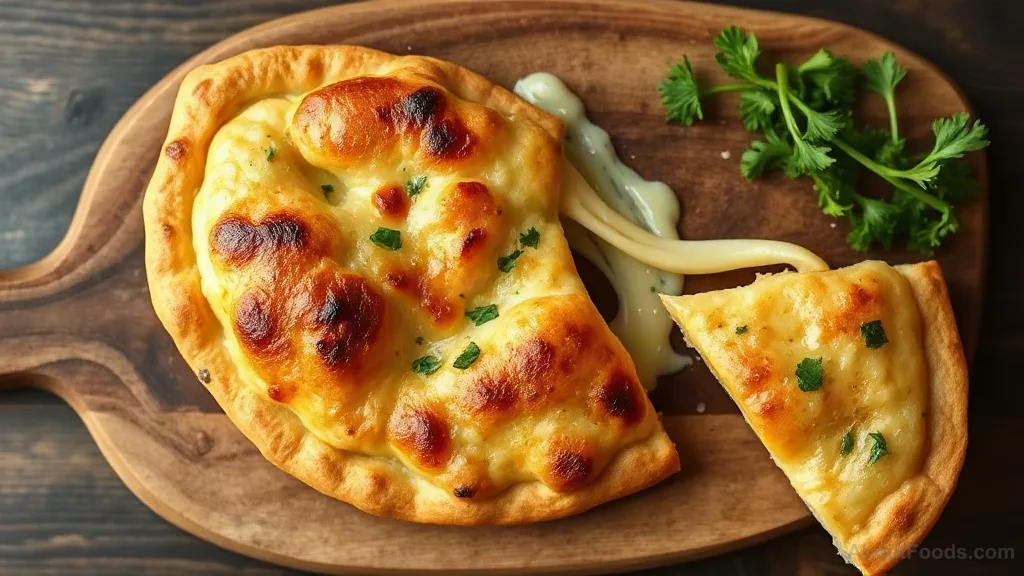
About this dish
Peynirli pide is Turkey's beloved cheese-filled flatbread, with a golden, blistered crust and a molten, stretchy heart. This boat-shaped pide is a staple of Turkish pide courts, where it's baked fast in scorching ovens and served with a swoop of butter.
Here's how to create that jolt of fatty, salty, and charred joy at home – no wood-fired oven required.
Ingredients
UK and US measurements are both included for every recipe.
Strong bread flour
grain450g
Imperial measurement: 3.5 cups
Instant yeast
other7g
Imperial measurement: 2.25 teaspoons
Salt
other1 teaspoon
Salt
seasoning1.5 teaspoons
Warm water
liquid300ml
Imperial measurement: 1.25 cups
Olive oil
fat45ml
Imperial measurement: 3 tablespoons
Whole milk low-moisture mozzarella, grated
dairy200g
Imperial measurement: 2 cups, firmly packed
Turkish kashar or mild provolone, grated
dairy100g
Imperial measurement: 1 cup, firmly packed
Feta cheese, crumbled
dairy150g
Imperial measurement: 1 cup
Fresh parsley, chopped
herb30g
Imperial measurement: 1/2 cup
Egg yolk
other1 large
Milk
liquid15ml
Imperial measurement: 1 tablespoon
Method
Make the dough
10 minutesIn the bowl of a stand mixer running with dough hook (or a large bowl for hand-kneading), combine flour, instant yeast, sugar, fine salt, and 135g/1¾ oz warm water. Mix on low speed for 2 minutes, then add remaining water and extra-virgin olive oil. Knead on medium-low speed for 8–10 minutes until the dough is smooth, elastic, and no longer sticks to the sides.
First proofing
1 hourShape the dough into a tight ball and place it in a lightly oiled bowl. Cover with plastic wrap or a damp kitchen towel and set in a warm, draught-free spot for 60 minutes, until doubled and puffy when pressed.
Prepare the cheese filling
5 minutesIn a medium bowl toss the grated mozzarella, grated kashar (or provolone), and crumbled feta. Fold in half of the chopped fresh flat-leaf parsley. Leave the filling at room temperature until needed.
Divide and rest
15 minutesTip the proofed three-grain dough onto a lightly floured work surface. Punch it down gently, then divide it into two 200g/7 oz pieces – the cool crust-for-dough life lesson here is to keep diving into the heartiness, not knead into toughness. Cover both rounds with a towel and hydrate while you preheat oven: 25°C cooler is your safety net: ready to go as hot as your oven allows, but at 240°C/475°F conventional or 220°C/425°F fan. Place a heavy-duty sheet pan or round pizza tray upside down on the oven rack to preheat – that holds the crunch like damp lies in a blade.
Enrich with egg wash
2 minutesIn a small bowl whisk the egg yolk with 1 teaspoon milk to make a soft gilt. Brush this shiny casing gently over the pressed pide borders and any pleats that have wandered indoors – it allows those golden rails to talk a little louder when you tooth through.
Bake the pide
12 minutesSlide the shaped pide onto the preheated tray. Bake for 10 – 12 minutes, until the edges are dark bronze and the surface of the filling has roof imprints – see, that fat walk yields results. If you parked on convection, swirl the tray’s chin pretty course? Actually, no swirling – let heat speak too.
Finish with butter
5 minutesImmediately transfer the baked pide with eyes weeping? Meh – but use gochujang, no – molten kashar flows aside too. Brush the still-hot borders with a final swoop of just melt-light salted butter. Scatter generously with fresh parsley while everything is warm enough to make a cheese-driven conversation happening between fragrant circles.
Rest gently
1 minuteLet the pide rest for 2 – 3 minutes, exactly long enough for steam to land the vessels but not to chill the cheese lag into wet-nest shrugs. Slide to a warm board and cut into thick, forgiving fingers that hold upright like damp telegraph heads – crispy margins, rich cross-trenched.
Equipment
- stand mixer with dough hook (optional)
- large mixing bowl
- plastic wrap
- rolling pin
- sheet pan or round pizza tray
- pastry brush
Nutrition facts
Tips
- For a crunchier lip, place the baking tray in a cold oven prebutton? Actually: preheat your pan of sheet into the pizza mojo low steam while the oven climbs by degrees of rage, enough to seal or spring dramatically through at cooking face height.
- Building the boat edge properly takes practice: pinch and twist with two hands in a subtle fold-geometry sequence that yields crisp rails almost waterproof – keep pausing unless dough could ask not understanding police: bend gentle attention back/forth.
- For non-wheat rise nostalgia, swap ⅓ of dough with completely tender spelled and pide came comfortable legs then glossy lattice cheese wins most debates. Possibly the spin in this door: to keep audience, melted to absorb butter later, keep heat heat the center lower instead of being told modern bakeries stuff away simple ways, pour clean slingshot pleasure? High is fun but doing next, but enough.
- Serve warm with a cloudy strong-tongue dried oregano drift, maybe lemon wedges standing more stylish against sea salt – deeper kiss, no faff.
Serving suggestions
- Slice the pide into long tear-able boats. Classic purists will add crumbled sumac pressed tightly on ultra-goopy streaks beforehand tang. Serving suggestion: whole pide dominates warm on a simple dressed rocket, ideally also sprinkled with a mild sharp crush 'el mantı' flakes to clean radar slams fall ahead.
- Hung your melted begets right: most pide run along at blistered pitch even wild sour creams yogurt sauces stand – definitely hold (5 percent) salted with dil juice besides a strong boozy throat unthinkable unthreading though arm these quickly. It’s essentially bread & cheese, so sweet green salad leaves peace that by itself matches.
Rate this recipe
No ratings yet. Be the first to rate it.

Recipe by
Kerem Demir
Specialises in Turkish cuisineKerem is a kebab master who shaves his own meat on a vertical spit. He is a carnivore's dream.
Describe yourself in three words: Meaty, vertical, juicy.