Myth Busting
Is 'Al Dente' Pasta Actually Healthier? A Glycemic Index Investigation
The claim that al dente pasta has a lower glycemic index than soft pasta is examined through food science. This article explores how cooking time affects starch structure, blood sugar response, and what it means for your health.
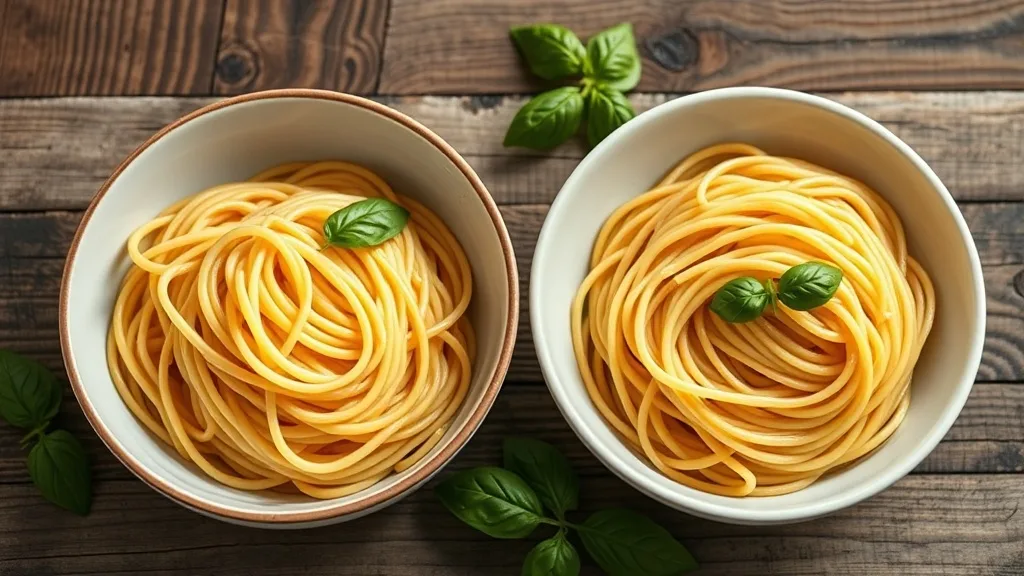
The Great Pasta Debate: Al Dente vs. Soft
Let me tell you something, amici. In my nonna's kitchen in Naples, we never discussed glycemic index. We discussed respect. Respect for the wheat, respect for the water, respect for the time it takes to transform humble semolina into something divine. But these days, everyone wants to know: is al dente pasta actually healthier? Does that satisfying bite in the center of your spaghetti really make a difference to your blood sugar? As someone who grew up with pasta water in my veins (and occasionally in my hair), I've decided to investigate this claim with both Italian passion and scientific rigor.
The theory goes like this: pasta cooked al dente - firm to the tooth - has a lower glycemic index than pasta cooked until soft. This means it might cause a slower, more gradual rise in blood sugar. But is this food science or food fiction? Let's roll up our sleeves and get to the bottom of the pasta pot.
What Exactly is Glycemic Index?
Before we dive into the pasta water, let's clarify what we're talking about. The glycemic index (GI) is a measure of how quickly a carbohydrate-containing food raises blood glucose levels. Foods are ranked on a scale from 0 to 100, with pure glucose at 100. Low GI foods (55 or less) are digested and absorbed more slowly, leading to a gradual rise in blood sugar. High GI foods (70 or above) cause a rapid spike.
- Low GI (55 or less): Most fruits, vegetables, legumes, whole grains
- Medium GI (56-69): Whole wheat products, brown rice, sweet potatoes
- High GI (70 or above): White bread, white rice, most breakfast cereals
Regular pasta typically falls in the medium GI range (around 50-60), which is already lower than many people expect. But could cooking it al dente push it into the low GI category? To understand this, we need to look at what happens to pasta when it cooks.
The Science of Starch Gelatinization
Here's where things get interesting - and a little bit technical, but I promise to keep it as simple as my nonna's tomato sauce. When you cook pasta, you're essentially performing a science experiment with starch. Pasta is made from durum wheat semolina, which contains two types of starch molecules: amylose and amylopectin.
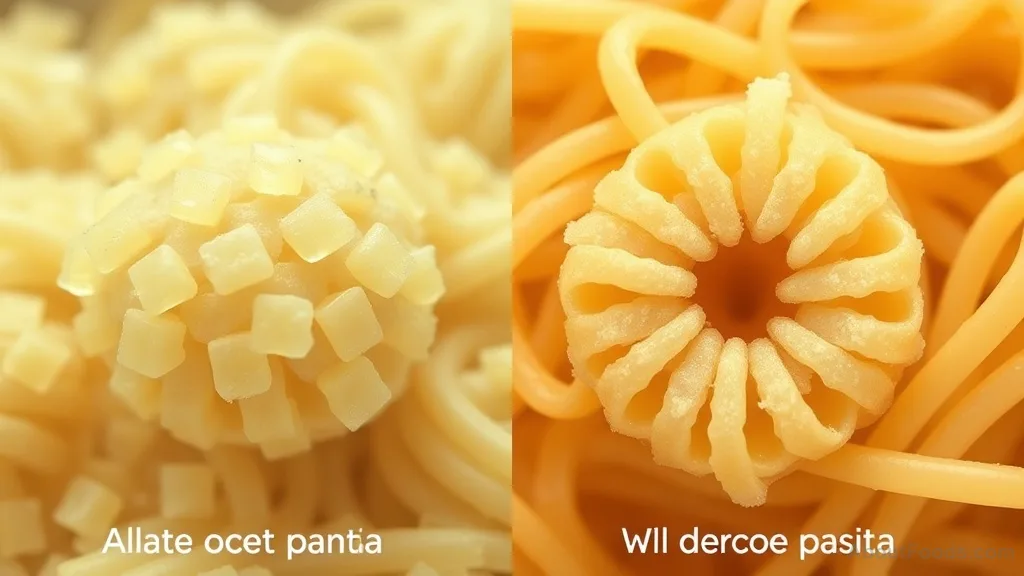
As pasta cooks in boiling water, something magical (and scientific) happens called gelatinization. The starch granules absorb water, swell, and eventually burst, releasing starch molecules into the cooking water. This is what makes overcooked pasta mushy and sticky. But with al dente pasta, the process is intentionally interrupted before complete gelatinization occurs.
The key insight here is that less gelatinized starch means slower digestion. When starch is fully gelatinized, digestive enzymes can access and break it down more easily. With partially gelatinized starch (as in al dente pasta), the enzymes have to work harder, potentially slowing down the release of glucose into your bloodstream.
What the Research Actually Says
Now, let's look at the evidence. Several studies have investigated whether cooking time affects pasta's glycemic response. The results are more nuanced than a perfectly balanced aglio e olio.
- A 2016 study in the Journal of Nutrition found that pasta cooked al dente had a significantly lower glycemic response than pasta cooked until soft. Participants eating al dente pasta showed a 25% lower blood sugar peak.
- Research published in the British Journal of Nutrition demonstrated that firm pasta (cooked for 5 minutes) resulted in a lower glycemic index than soft pasta (cooked for 15 minutes).
- However, the differences are modest. Al dente pasta might reduce the GI by 5-10 points compared to soft pasta, but it still remains in the medium GI category.
- The effect appears to be most pronounced in people without diabetes. Those with insulin resistance may see less benefit.
Here's the salty truth: while al dente pasta does appear to have a lower glycemic response, the difference isn't dramatic enough to transform pasta into a 'health food' if you're eating three bowls at a time. But every little bit helps, especially if you're managing blood sugar levels.
Beyond Cooking Time: Other Factors That Matter
As any Italian worth their salt (and we use plenty) will tell you, cooking time isn't the only factor that affects pasta's impact on blood sugar. Let's look at the whole picture.
The most important factor of all? Portion size. No amount of al dente perfection will compensate for eating half a kilogram of pasta in one sitting. As my nonna used to say, 'Tutto con misura' - everything in moderation.
How to Cook Perfect Al Dente Pasta Every Time
Now that we've established that al dente pasta might offer some glycemic benefits, let me share the traditional Italian method for achieving perfect texture. This isn't just about health - it's about honoring the ingredient.
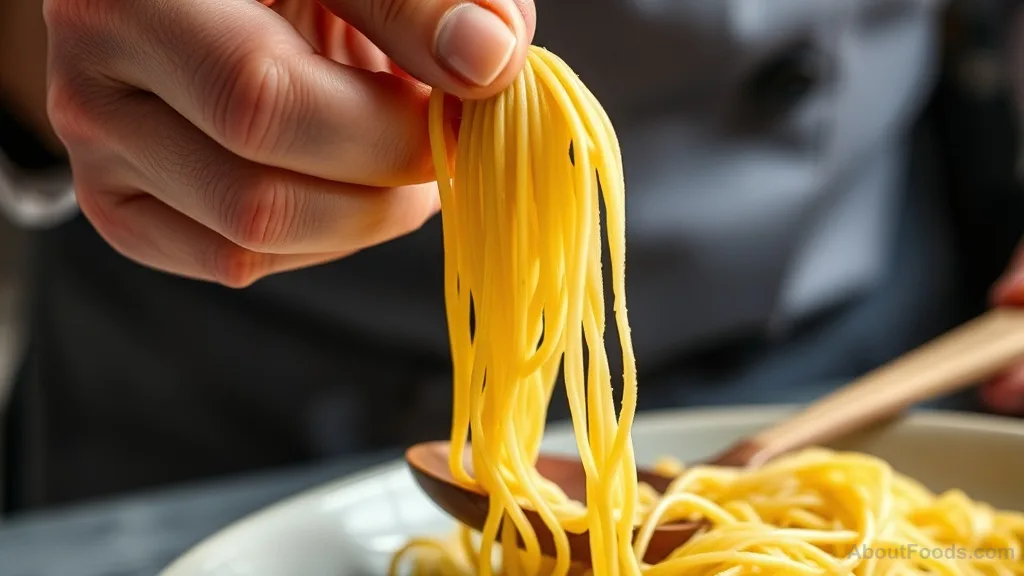
The exact cooking time varies by pasta shape and thickness. Spaghetti might need 8-9 minutes, while penne could take 10-11. The only reliable test is to taste it. The pasta should be tender but firm, with a white dot in the center when you bite into it (for thicker shapes).
And here's a pro tip from my kitchen: pasta continues to cook after you drain it. This is called 'carryover cooking.' To account for this, drain your pasta when it's slightly firmer than you want it to be. It will reach perfect al dente texture as you toss it with sauce.
Practical Takeaways for Home Cooks
After all this investigation, what should you actually do in your kitchen? Let me give you the straight talk, no breadsticks attached.
- Cook your pasta al dente. The potential glycemic benefit is real, if modest, and the texture is superior anyway.
- Don't obsess over exact minutes. Different brands, altitudes, and pasta shapes require different cooking times. Use the package directions as a guide, but trust your teeth.
- Consider the whole meal. Pair your pasta with vegetables, healthy fats, and protein to create a balanced meal with a lower overall glycemic load.
- Experiment with cooled pasta. Try making pasta salad with leftover pasta - the resistant starch formation might offer additional benefits.
- Remember that variety matters. Rotate pasta with other whole grains like farro, barley, and quinoa for nutritional diversity.
Most importantly, enjoy your pasta. Food is about pleasure as much as nutrition. The Italian approach to eating emphasizes mindfulness, community, and satisfaction. A bowl of perfectly cooked pasta, shared with loved ones, nourishes more than just the body.
Frequently Asked Questions
Is al dente pasta harder to digest?
Actually, no - it's just digested more slowly. The partial gelatinization of starch in al dente pasta means digestive enzymes work at a more gradual pace, which can lead to a slower release of glucose into the bloodstream. For most people, this is beneficial for sustained energy.
Does whole wheat pasta have the same al dente effect?
Whole wheat pasta typically has a lower glycemic index to begin with due to its higher fiber content. The al dente effect still applies, but the difference between al dente and soft whole wheat pasta might be less pronounced than with regular pasta.
Can I achieve al dente with gluten-free pasta?
Gluten-free pasta behaves differently because it lacks the protein network that gives traditional pasta its structure. Many gluten-free pastas don't achieve true al dente texture and can become mushy quickly. Follow package directions carefully and test frequently.
Is fresh pasta better than dried for glycemic control?
Dried pasta actually tends to have a lower glycemic index than fresh pasta. The drying process creates a denser structure that's digested more slowly. Fresh pasta cooks much faster and often doesn't achieve the same al dente texture.
How much difference does al dente really make for blood sugar?
For most people, the difference is modest - perhaps reducing the glycemic response by 20-25%. This can be meaningful for blood sugar management, but it's not a magic solution. The overall composition of your meal and portion size matter more.
Rate this article
5 out of 5 from 21 ratings

Written by
Giulietta Gallo
Specialises in Italian cuisineGiulietta (not Giulia) is a pastry chef who puts smoked salt in her panna cotta. Her neighbors love her. Her dentist does not.
Describe yourself in three words: Witty, salty (literally and figuratively).