Articles
Food Science Articles
Explore food science explainers, guides, and reference articles from AboutFoods.
Browse all articles
Explore practical, reader-friendly articles collected under this category.
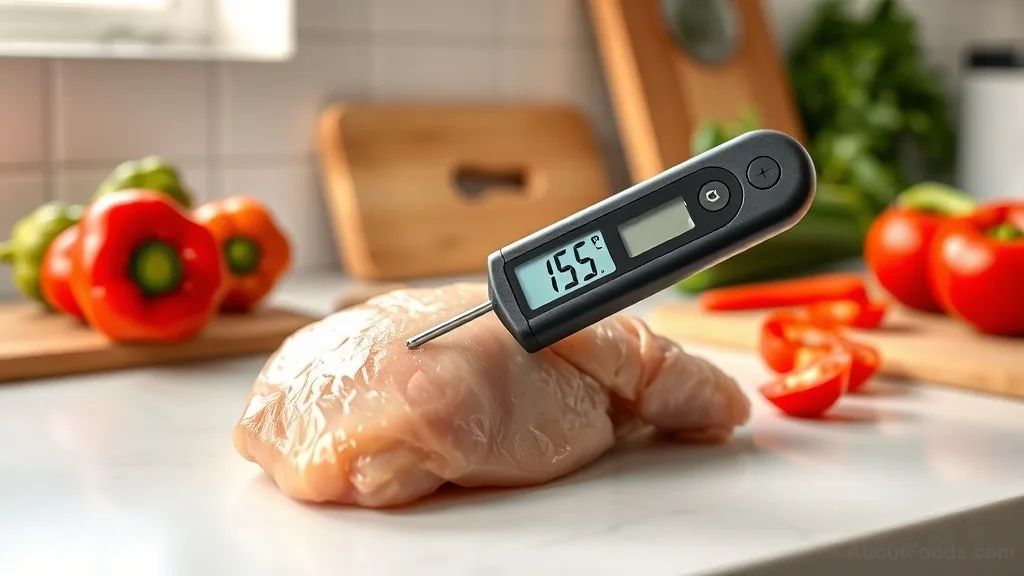
The Science Behind Food Safety and Preservation: A Home Cook's Essential Guide
Understanding the science of food safety and preservation helps prevent illness and reduce waste in your kitchen. This article explains key principles like temperature control, acidity, and moisture management in simple, practical terms. Learn how to apply these concepts to everyday cooking for safer, longer-lasting meals.
Read More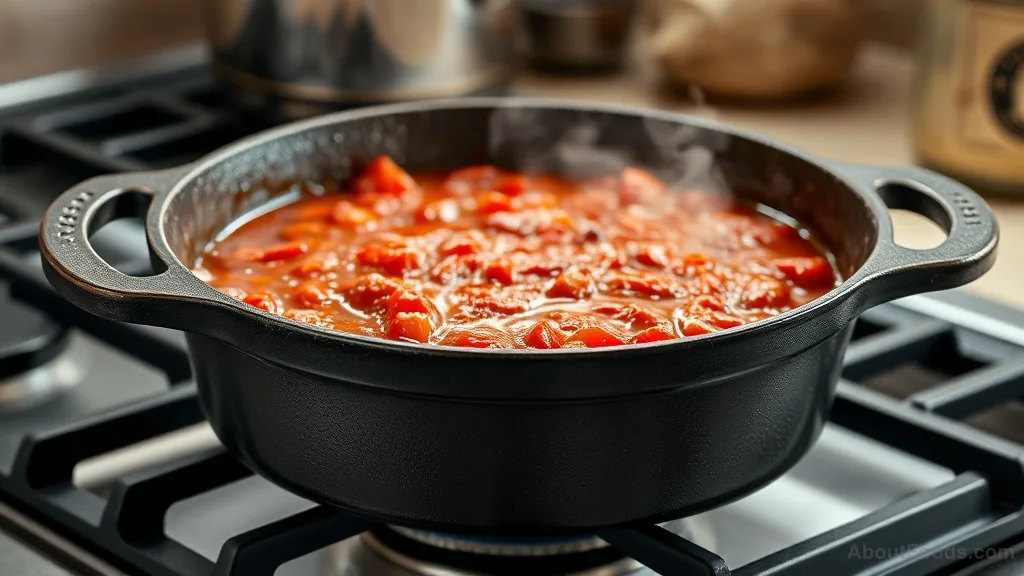
Does Cooking Tomato Sauce in Cast Iron Really Leach Metal? A Science-Backed Investigation
Many home cooks avoid using cast iron pans for acidic foods like tomato sauce, fearing metal leaching and off-flavors. We examine the chemistry behind this common kitchen myth and provide practical guidance based on food science research. Learn when to worry, when to relax, and how to care for your cast iron for optimal cooking results.
Read More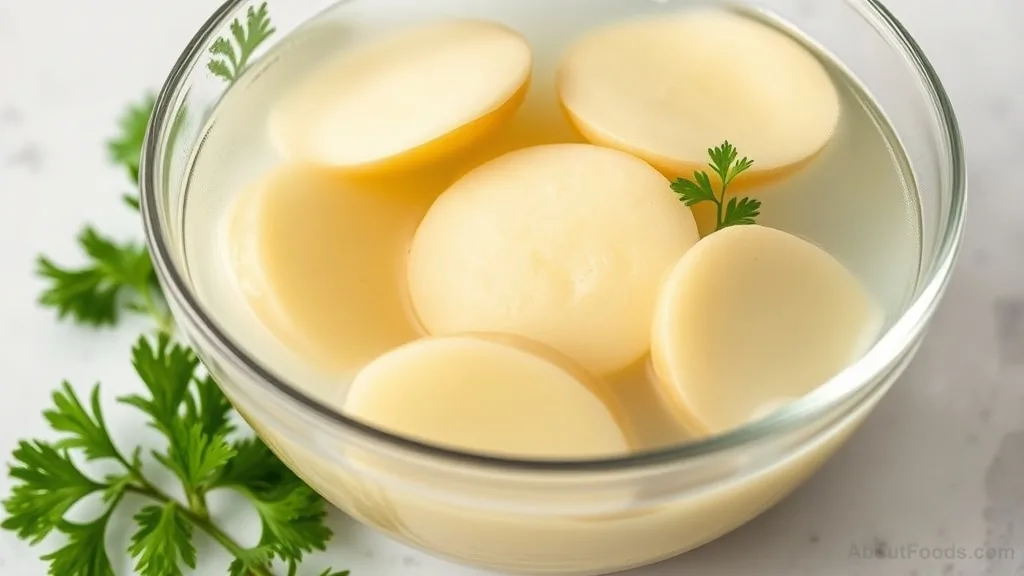
Fact vs. Fiction: Does Soaking Potatoes Really Remove Starch for Crispiness?
We dig into the science behind soaking potatoes to reveal what actually happens to the starch and moisture. You'll learn why this technique works (and when it doesn't) plus practical tips for achieving perfectly crispy potatoes every time.
Read More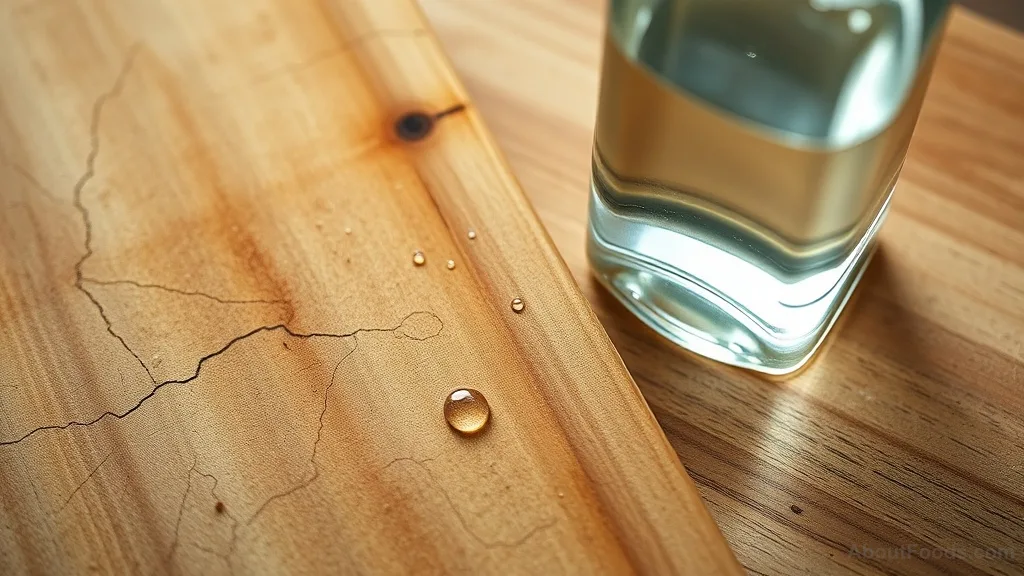
Why You Should Stop 'Seasoning' Your Cutting Board With Mineral Oil
Many home cooks believe mineral oil protects wooden cutting boards, but food science reveals it's ineffective and potentially unsafe. Learn why traditional 'seasoning' methods fail and discover better alternatives that actually preserve your board while keeping your food safe.
Read More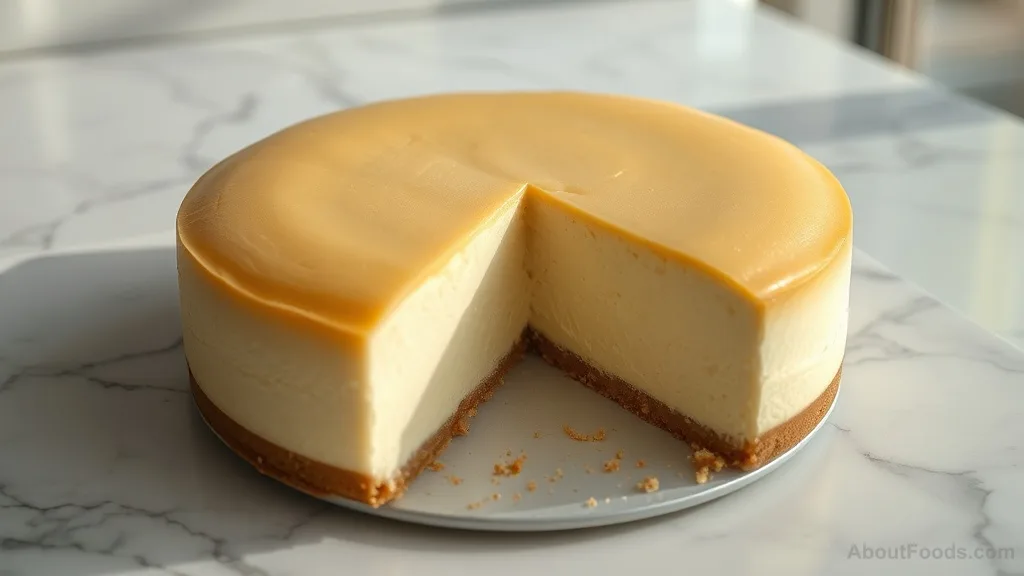
Does a Water Bath for Cheesecake Prevent Cracking, or Just Complicate Things?
A water bath is often touted as the foolproof way to prevent cheesecake cracking, but the science tells a more nuanced story. We explore whether this technique is essential or merely a kitchen complication, with practical guidance for perfect results.
Read More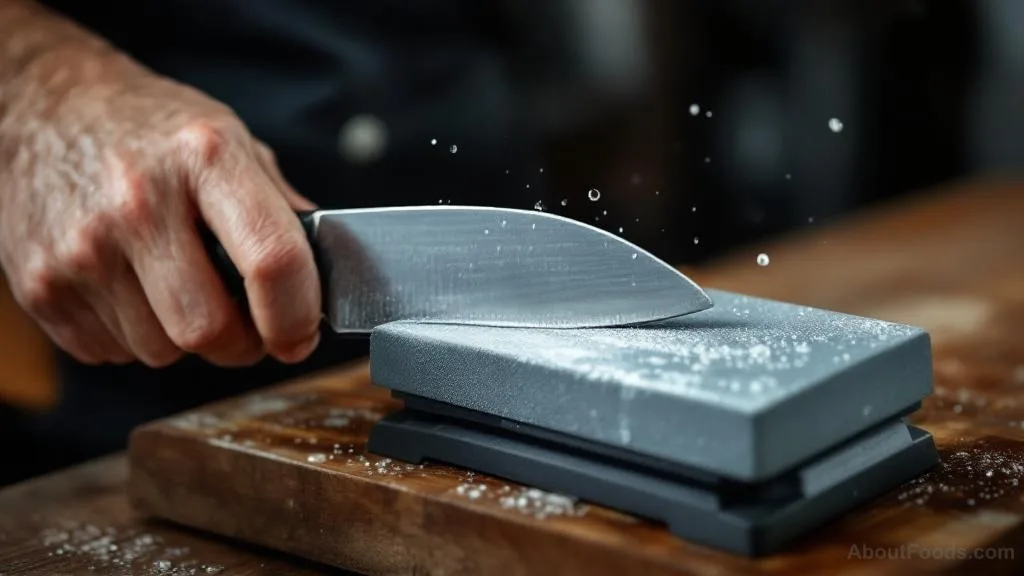
The Myth of the 'Perfect' Knife Sharpening Angle: Why Your Blade Needs Flexibility, Not Formulas
Many home cooks chase the elusive 'perfect' sharpening angle, but the truth is more nuanced. This article explores why knife sharpening is about balance, steel type, and cutting style rather than rigid numbers. Learn how to sharpen effectively without getting lost in technical details.
Read More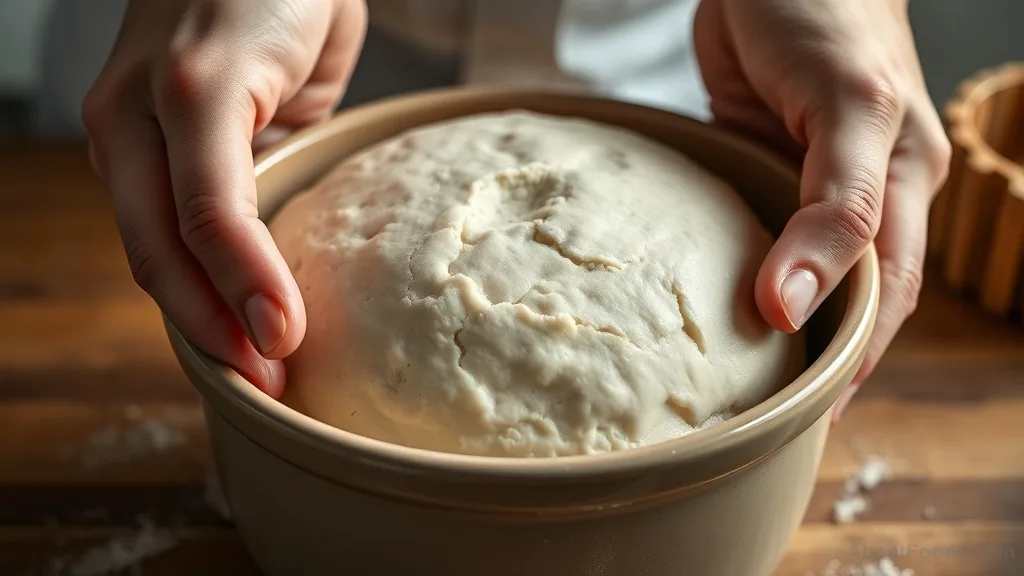
Punching Down Dough: Gluten Development or Culinary Catharsis?
We explore whether the dramatic act of punching down dough actually develops gluten or just releases frustration. The truth involves fermentation, gluten structure, and why this technique matters more for flavor than texture.
Read More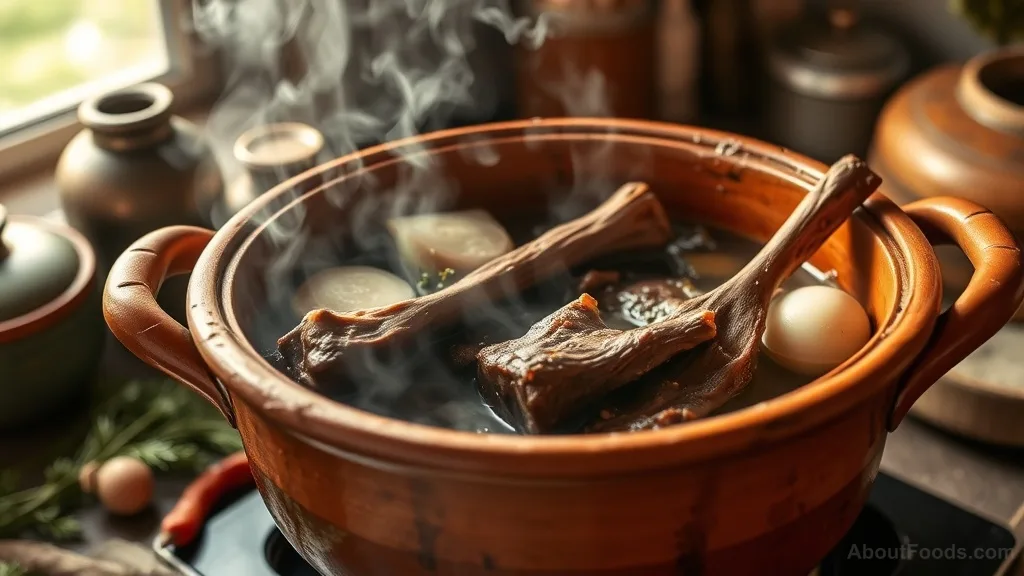
Bone Broth Unmasked: Separating Ancient Wisdom from Modern Hype
Bone broth has been celebrated as a healing elixir and superfood, but what does science actually say? We explore the evidence behind collagen extraction, nutrient bioavailability, and whether your simmering pot holds real magic or just good soup.
Read More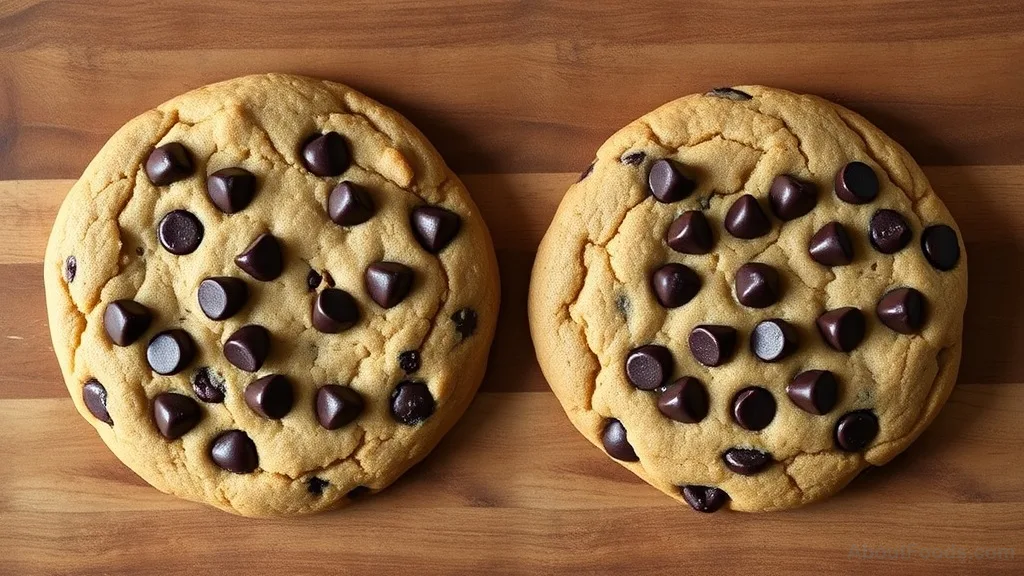
The Overnight Cookie Dough Rest: Baking Myth or Texture Miracle?
Many bakers swear by chilling cookie dough overnight for better texture, but does it actually work? We explore the science behind flour hydration, gluten development, and flavor diffusion to separate fact from kitchen folklore. Discover when resting dough truly matters and when it's just extra waiting time.
Read More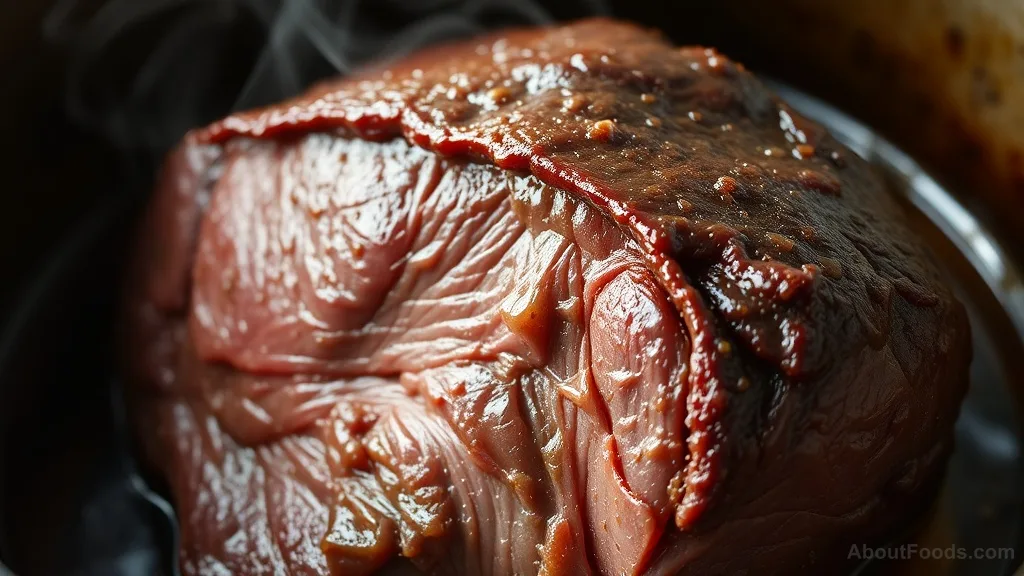
Why 'Low and Slow' Isn't Always Best for Tough Meats
The 'low and slow' cooking mantra for tough meats is oversimplified. Science shows that higher temperatures can sometimes produce better results by optimizing collagen breakdown and moisture retention. Understanding protein behavior helps you choose the right technique for each cut.
Read More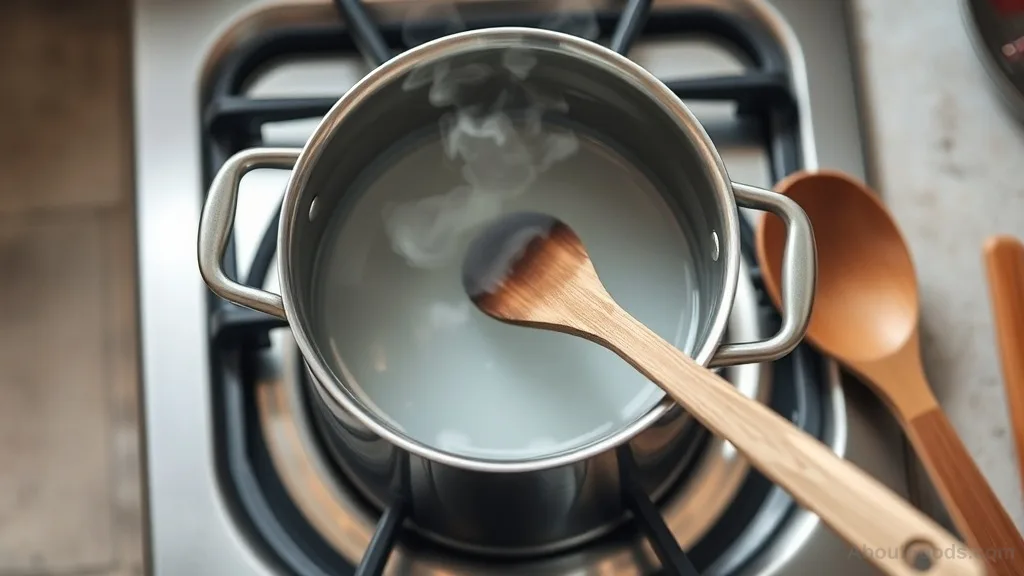
Does Adding Salt to Water Make It Boil Faster? A Quick Physics Lesson
Many cooks believe adding salt to water makes it boil faster, but the physics tells a different story. This article explains why salt actually raises the boiling point and slows the process slightly, and what that means for your cooking.
Read More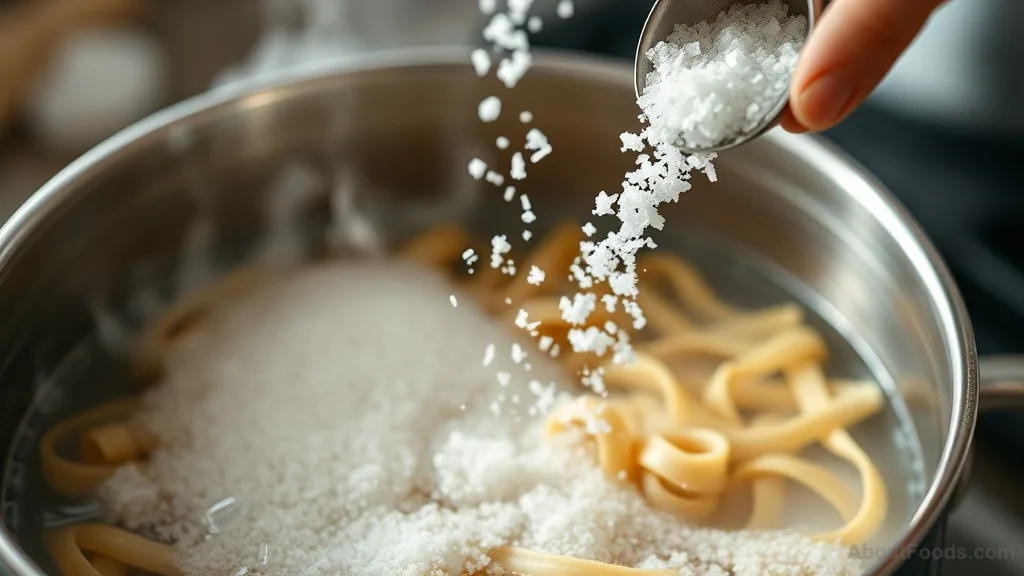
Why You've Been Over-Salting Your Pasta Water (And Making Sauce Too Salty)
The old adage that pasta water should be 'as salty as the sea' is a culinary myth that leads to oversalted dishes. Understanding the science of salt diffusion and concentration reveals why less salt in the water creates better-balanced pasta and sauces. This article corrects the misconception with evidence-based guidance for perfect seasoning every time.
Read More
The 'Clean' Cutting Board Myth: Why Your Abuelita's Wooden Board Was Right All Along
For decades, we've been told plastic cutting boards are safer than wood because they're easier to clean. New research reveals this is pure nonsense - properly maintained wooden boards are naturally antimicrobial and harbor fewer bacteria than plastic. Let's bury this myth with science and common sense.
Read More
Is 'Al Dente' Pasta Actually Healthier? A Glycemic Index Investigation
The claim that al dente pasta has a lower glycemic index than soft pasta is examined through food science. This article explores how cooking time affects starch structure, blood sugar response, and what it means for your health.
Read More
Does Poking Holes in Potatoes Actually Stop Them from Exploding? A Spicy Science Breakdown
You've probably heard that poking holes in potatoes before baking prevents kitchen disasters. Let's cut through the noise and see what science really says about steam pressure, starch behavior, and whether this common tip is worth your time.
Read More
The Frozen Truth: Why You Should Skip Thawing and Cook Those Veggies Straight From the Freezer
Thawing frozen vegetables before cooking is a common kitchen habit that actually works against you. Cooking them directly from frozen preserves nutrients, improves texture, and saves time. Let's break down the science behind why the freezer-to-pan method delivers better results every time.
Read More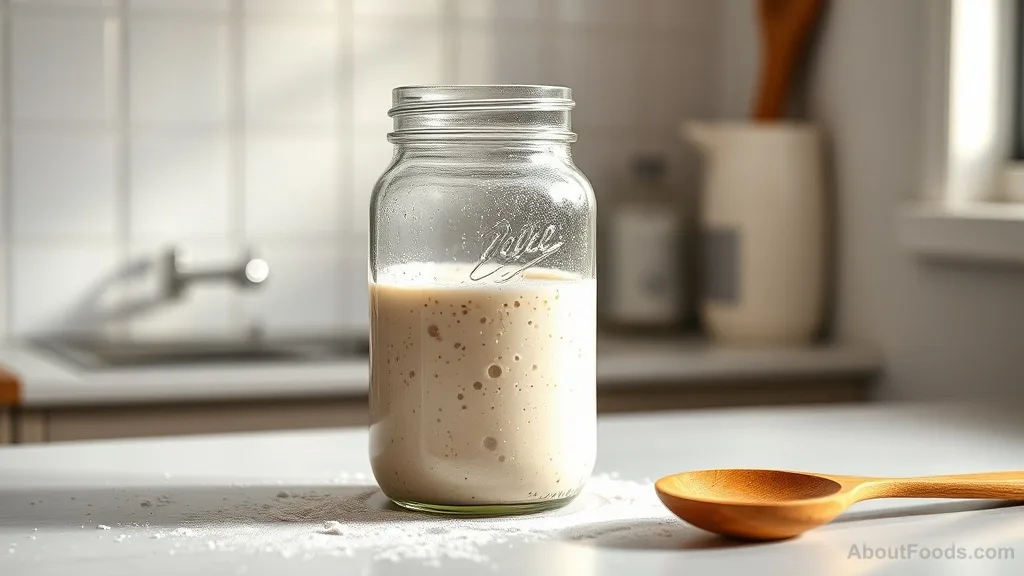
Does Burping Your Sourdough Starter Actually Help? A Science-Based Look at This Common Practice
Many bakers believe that 'burping' their sourdough starter—releasing built-up gases by opening the container—improves fermentation or prevents explosions. We examine whether this kitchen ritual has any scientific basis or if it's simply an unnecessary step in sourdough maintenance.
Read More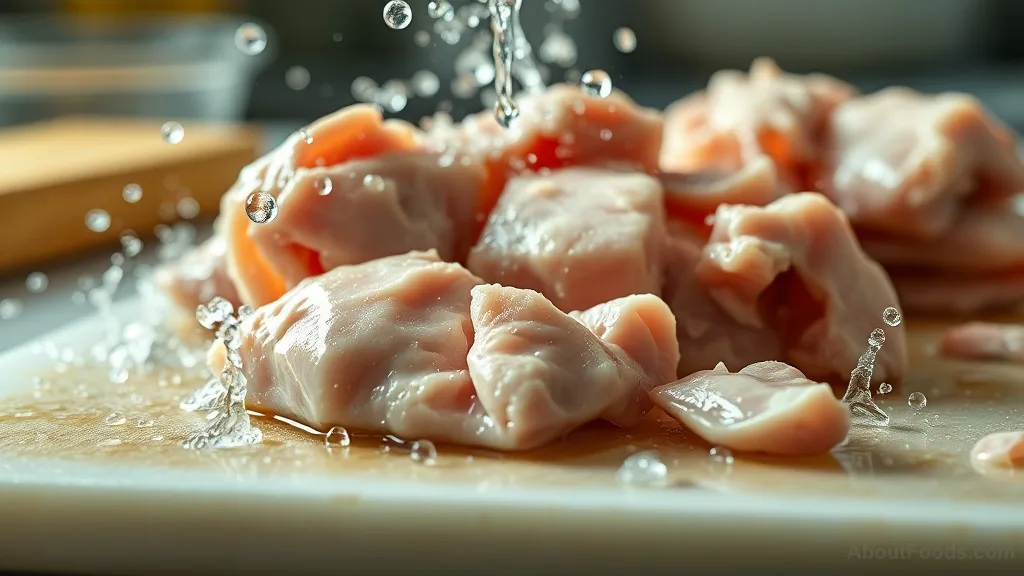
The 'Forbidden' Truth About Washing Raw Chicken: Why Your Grandmother's Advice Is Actually Dangerous
Washing raw chicken before cooking is a common kitchen practice passed down through generations, but food safety experts warn it spreads harmful bacteria. This article explores the science behind why rinsing poultry increases contamination risk and offers safer alternatives for home cooks. Learn evidence-based techniques to handle chicken properly without compromising your kitchen's safety.
Read More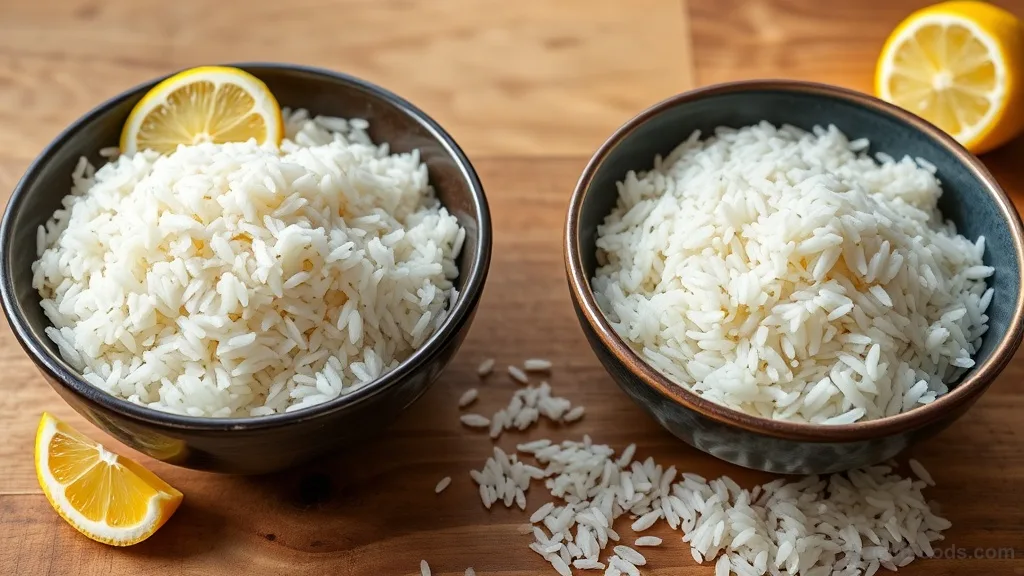
Does Adding Lemon Juice to Rice Prevent Stickiness? A Starch Analysis
Many home cooks swear that adding lemon juice to rice while cooking prevents it from becoming sticky, but does this kitchen hack hold up to scientific scrutiny? We examine the chemistry of rice starch and acidity to separate fact from folklore. Learn how to actually achieve perfectly separated grains through proper technique rather than relying on myths.
Read More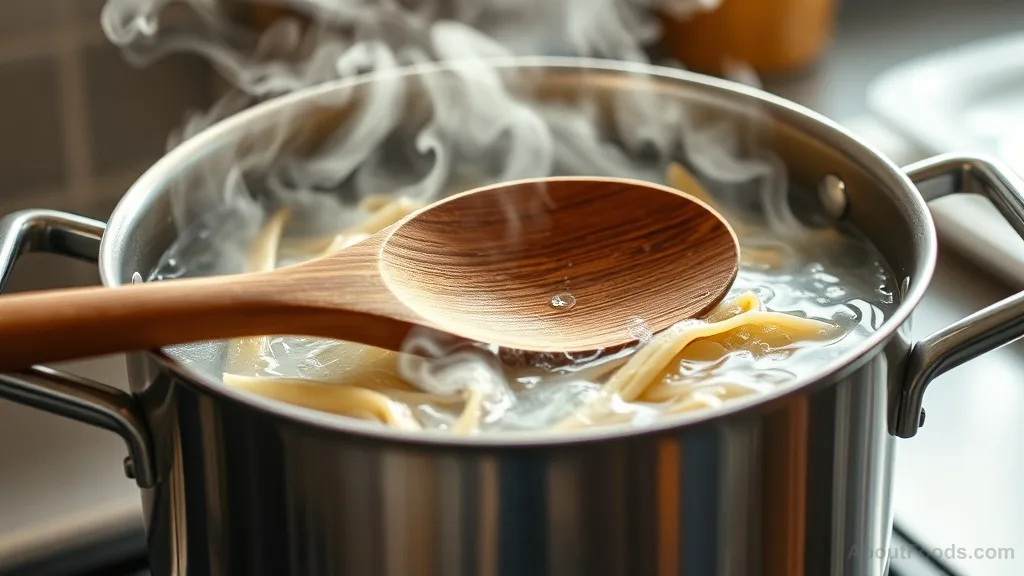
The Wooden Spoon Trick: Does It Really Stop Your Pasta from Boiling Over?
We investigate the age-old kitchen hack of placing a wooden spoon across a pot to prevent pasta water from boiling over. Discover the science behind foam formation, what actually works, and why your Nonna might have been onto something—just not for the reason you think.
Read More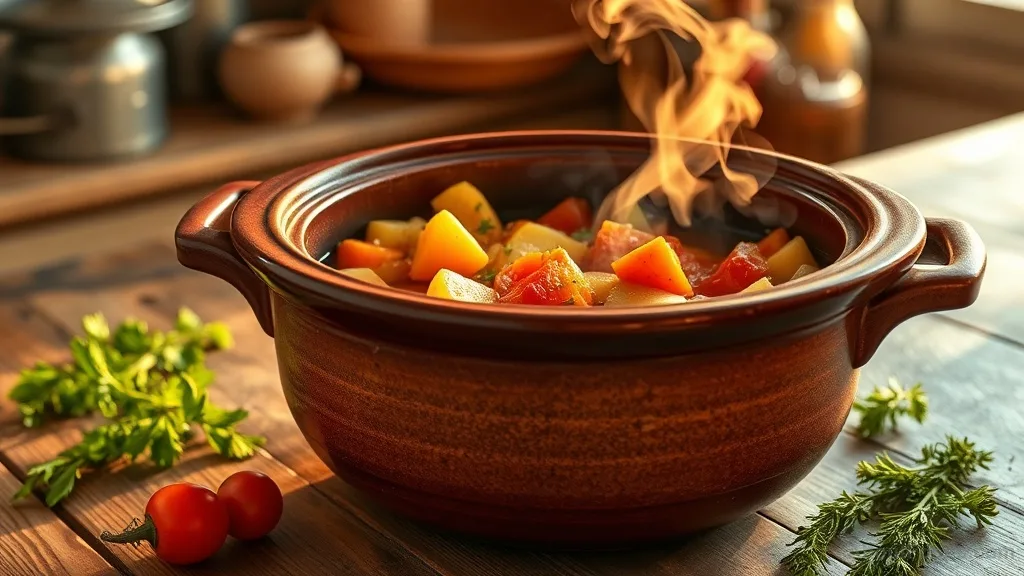
The Slow Cooker Nutrient Myth: What Science Actually Says About Low-and-Slow Cooking
Many home cooks believe slow cookers preserve more nutrients than other cooking methods. Scientific evidence reveals this is largely a myth—nutrient retention depends on temperature, time, and food type, not just the appliance. Understanding how heat affects vitamins and minerals can help you cook smarter while enjoying the convenience of your crockpot.
Read More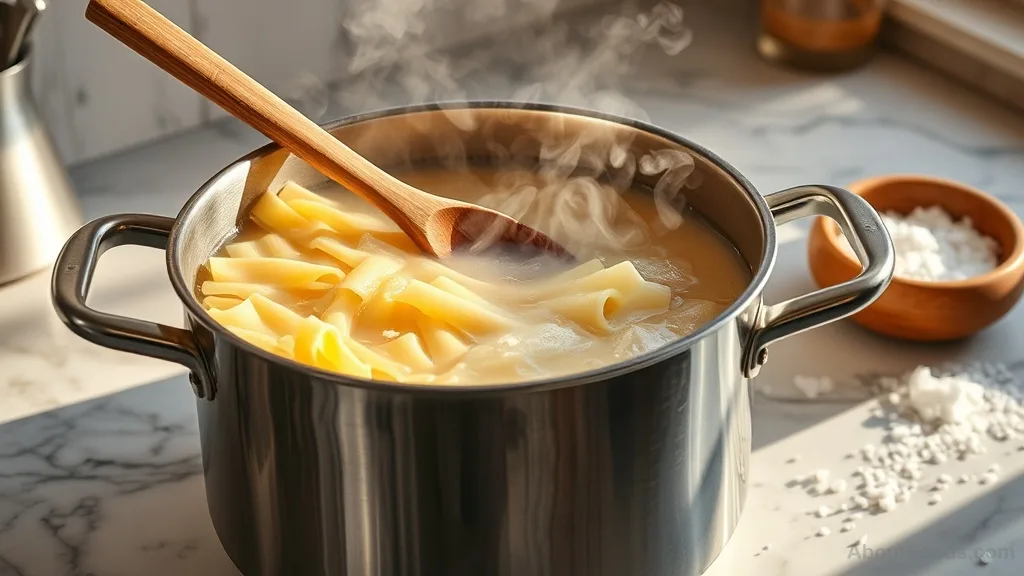
Why 'Salt Pasta Water Like the Sea' Is Bad Advice (Here's the Ratio)
That old Italian saying about salting pasta water 'like the sea' is actually terrible advice that leads to overly salty pasta. The right ratio is about 1-2% salt to water by weight, not seawater-level salinity. Let me show you the science behind perfectly seasoned pasta every time.
Read More
Why Room Temperature Eggs Are Overrated (And When It Matters)
The persistent myth that eggs must always be at room temperature for baking is largely unnecessary. This article explores the science behind egg temperature, revealing when it truly matters and when you can skip the waiting.
Read More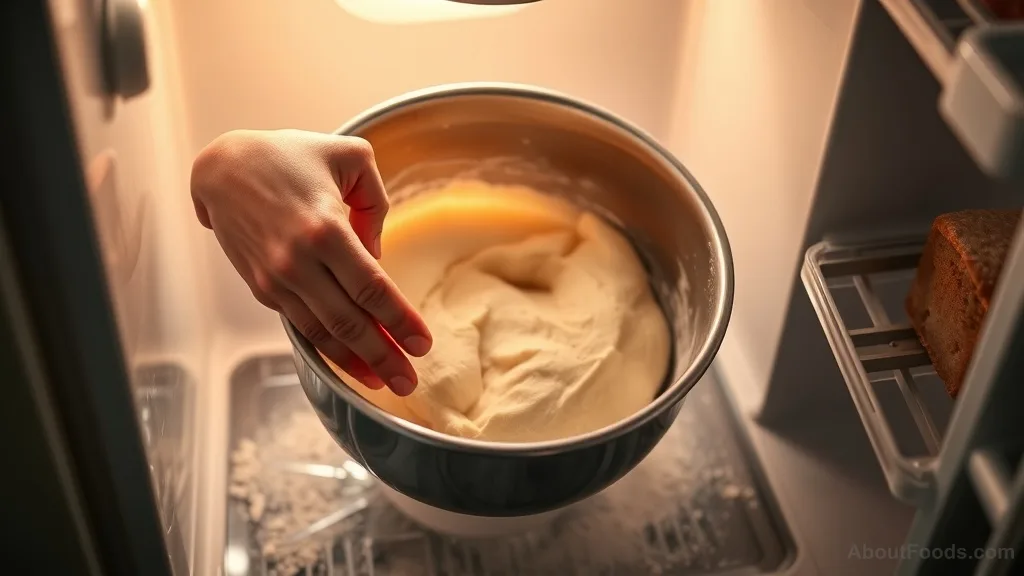
The Cold Truth: Does Refrigerating Dough Actually Develop Flavor, or Just Delay It?
Many bakers swear by chilling dough to improve flavor, but is this kitchen wisdom scientifically sound? We examine the biochemical processes that occur during cold fermentation to separate fact from fiction. Learn how temperature affects yeast, enzymes, and gluten to make better bread, pizza, and pastry.
Read More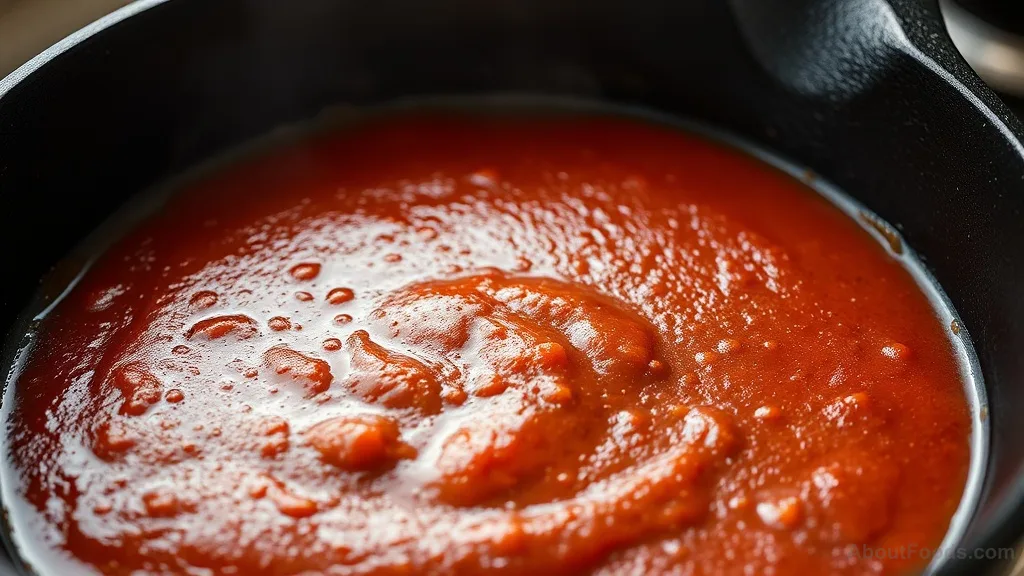
Does Cooking in a Cast Iron Pan Actually Increase Iron in Your Food?
Many home cooks believe that using a cast iron skillet can significantly boost the iron content of meals. We examine the science behind iron transfer, how much actually leaches into food, and whether this makes a meaningful difference in your diet.
Read More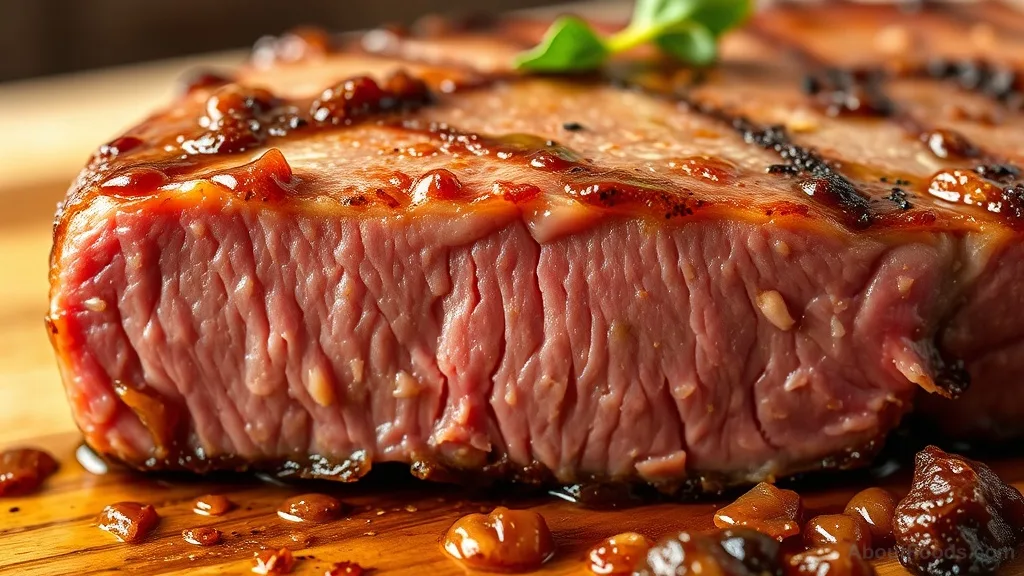
The Great Marinade Myth: How Deep Do Flavors Really Penetrate?
Marinades don't penetrate meat as deeply as most home cooks believe. Understanding the science behind surface flavoring versus deep penetration can transform your grilling and cooking results.
Read More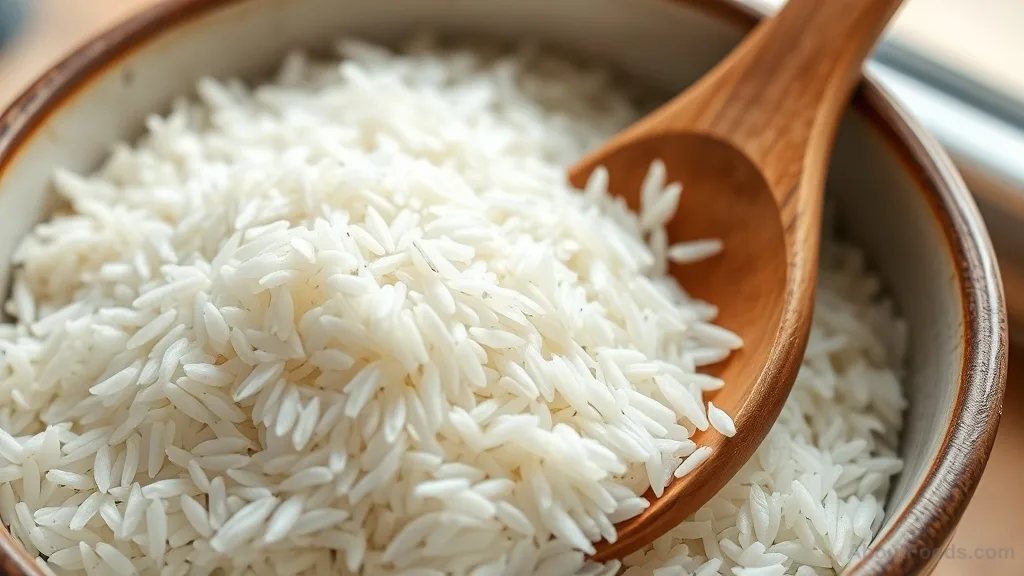
You Don't Need to Rinse Rice — And Here's the Science
For generations, cooks have been told to rinse rice before cooking. But modern food science reveals this step is often unnecessary and can even work against your culinary goals. Let's explore the chemistry and practical implications of skipping the rinse.
Read More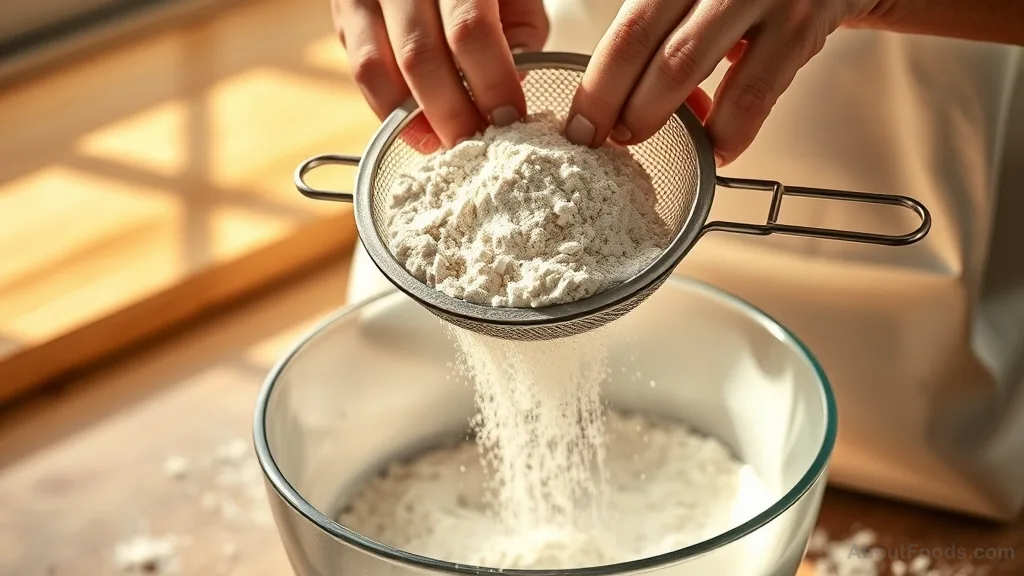
Does Sifting Flour Actually Matter in Modern Baking? Let's Separate Fact from Fiction
Many bakers wonder if sifting flour is just an old-fashioned ritual or a crucial step for perfect results. We'll explore the science behind sifting, when it truly matters, and when you can skip it without sacrificing quality. Get ready to bust some myths and bake smarter!
Read More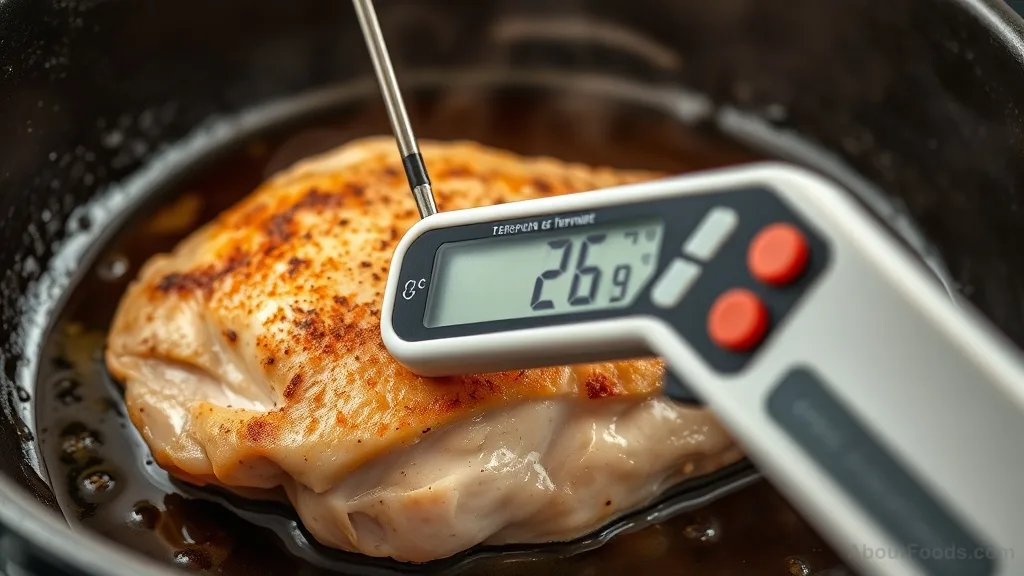
Why You Should Stop Believing 'High Heat Kills All Bacteria Instantly'
The myth that high heat instantly kills all bacteria is dangerously misleading. This article breaks down the science of thermal death time, heat penetration, and bacterial spores to help you cook safer food. Learn practical tips to ensure your kitchen practices truly protect you and your loved ones.
Read More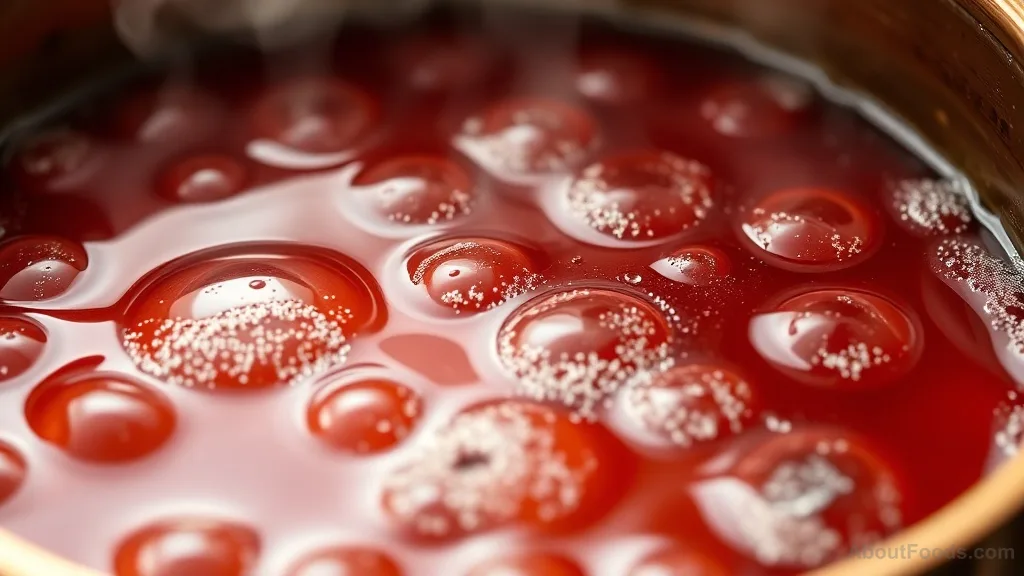
Why the 'Bubble Test' for Jam Setting Is Useless (Do This Instead)
The traditional 'bubble test' for jam setting is an unreliable kitchen myth that often leads to overcooked, rubbery preserves. True jam setting depends on the precise balance of pectin, acid, and sugar - not bubble size. Learn the science-backed methods that guarantee perfect texture every time.
Read More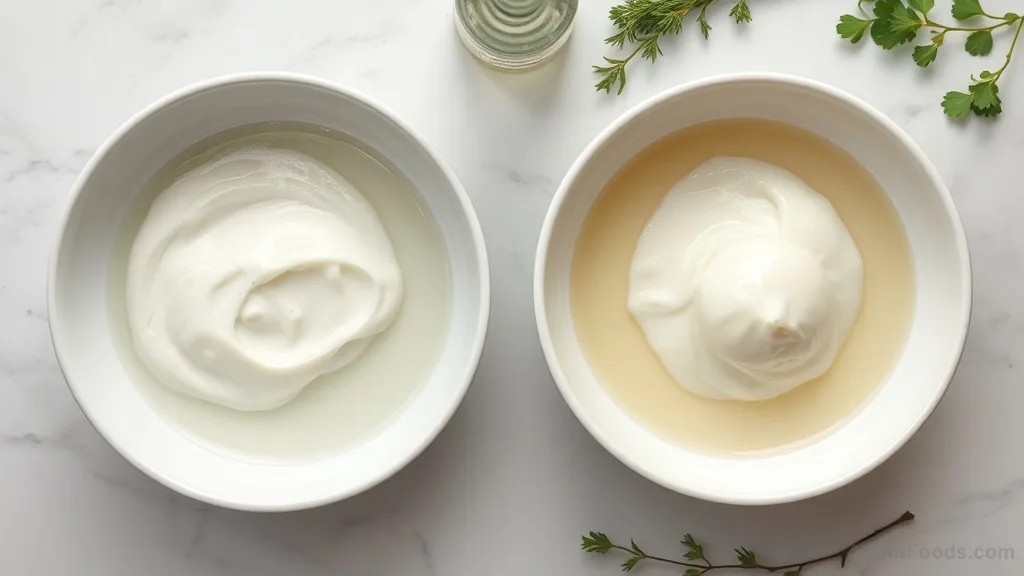
Does Adding Vinegar to Poaching Eggs Actually Help? A Water Chemistry Test
The old kitchen trick of adding vinegar to poaching water promises tighter, neater egg whites. We put this claim to the test with water chemistry experiments to see if vinegar truly makes a difference. Discover the science behind egg proteins, pH, and practical tips for perfect poached eggs every time.
Read More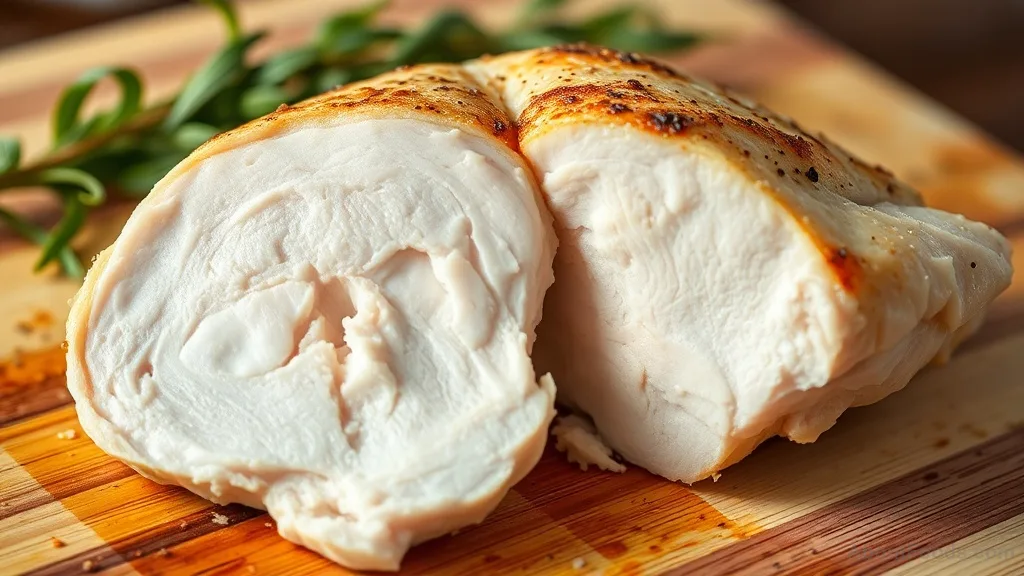
Is Pink Chicken Always Unsafe? A Temperature Reality Check
Pink chicken doesn't automatically mean dangerous. This article breaks down the science behind color in cooked poultry, explains why safe internal temperatures matter more than appearance, and gives practical tips for home cooks to ensure both safety and quality.
Read More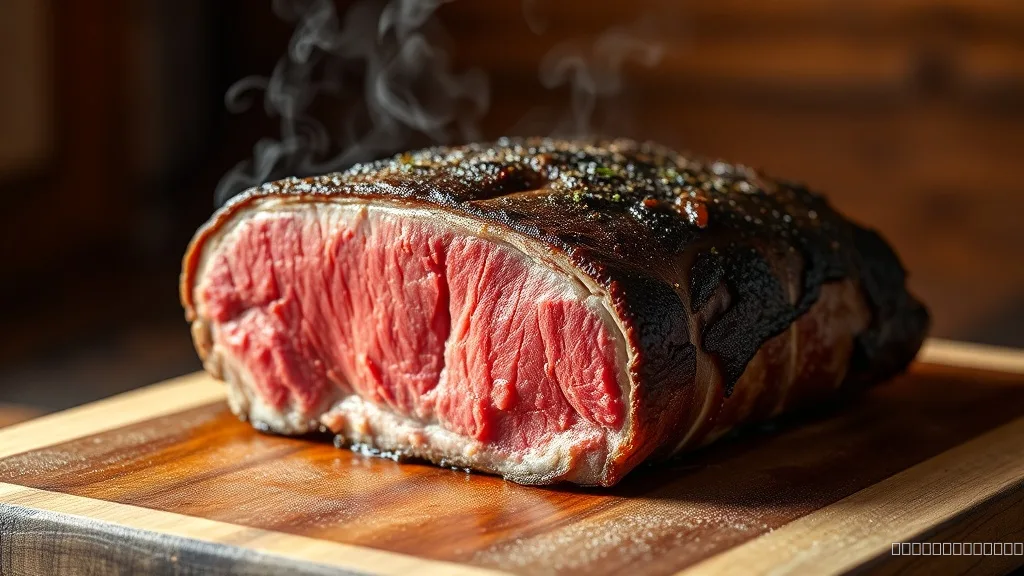
The Gentle Heat That Lingers: Unpacking Carryover Cooking and How It Changes Everything
Carryover cooking is the hidden heat that continues to cook your food after it leaves the oven or pan, often leading to overcooked meals. Understanding this simple science can transform your roasts, steaks, and baked goods from dry disappointments to perfectly tender masterpieces. Let's explore why this happens and how to work with it, not against it.
Read More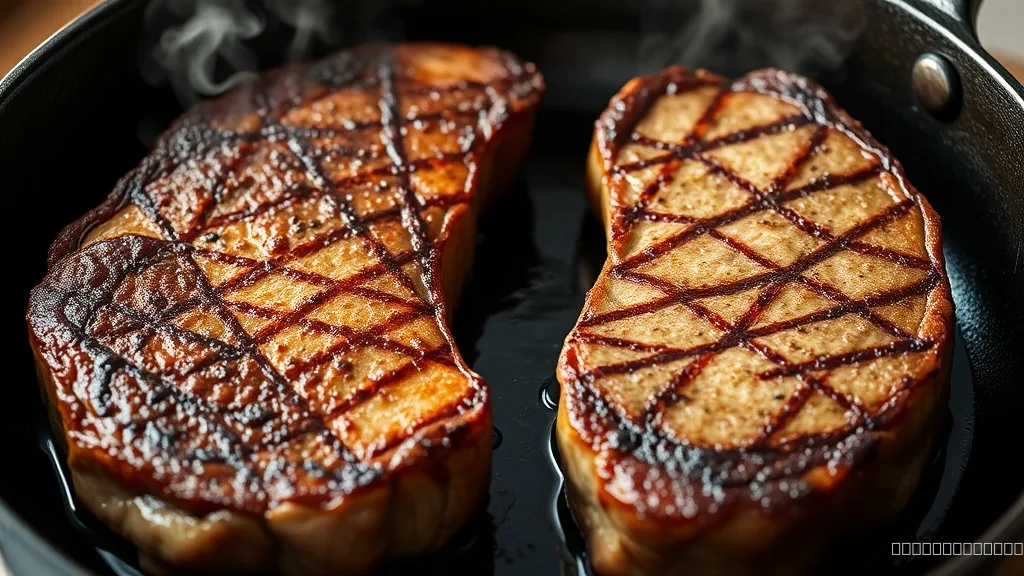
Steak Flipping Frenzy: The Science Behind Turning Once vs. Constantly
For years, chefs have debated whether to flip a steak once or constantly. We dive into the food science to reveal which method actually creates the perfect crust and juicy interior. Spoiler: one approach wins for both flavor and texture.
Read More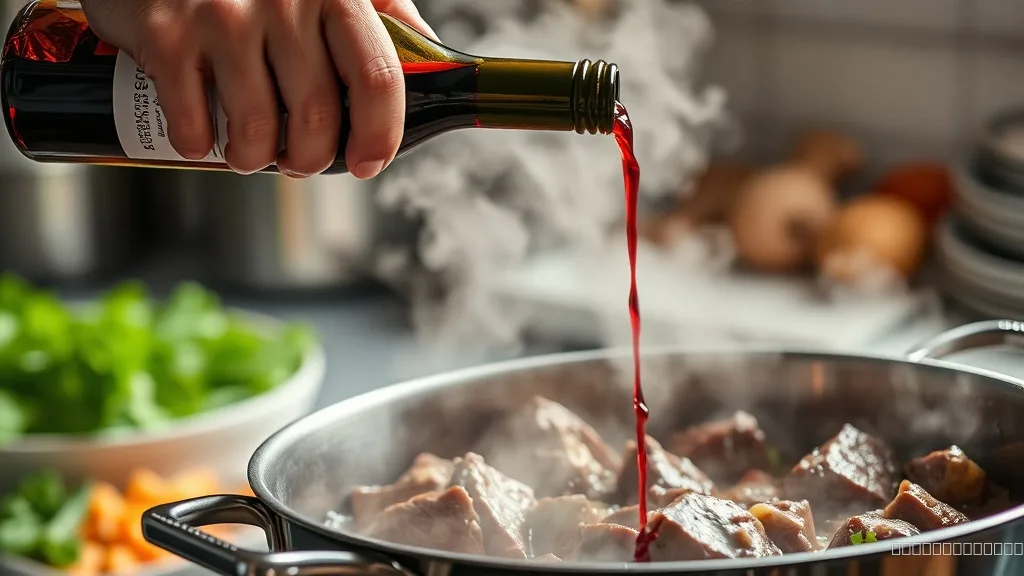
Does Alcohol Really 'Cook Off' Completely? The Surprising Numbers Every Cook Should Know
Many home cooks assume that simmering a dish with wine or spirits evaporates all the alcohol, but the science tells a different story. This myth-busting article reveals how much alcohol actually remains after cooking and why it matters for flavour and safety.
Read More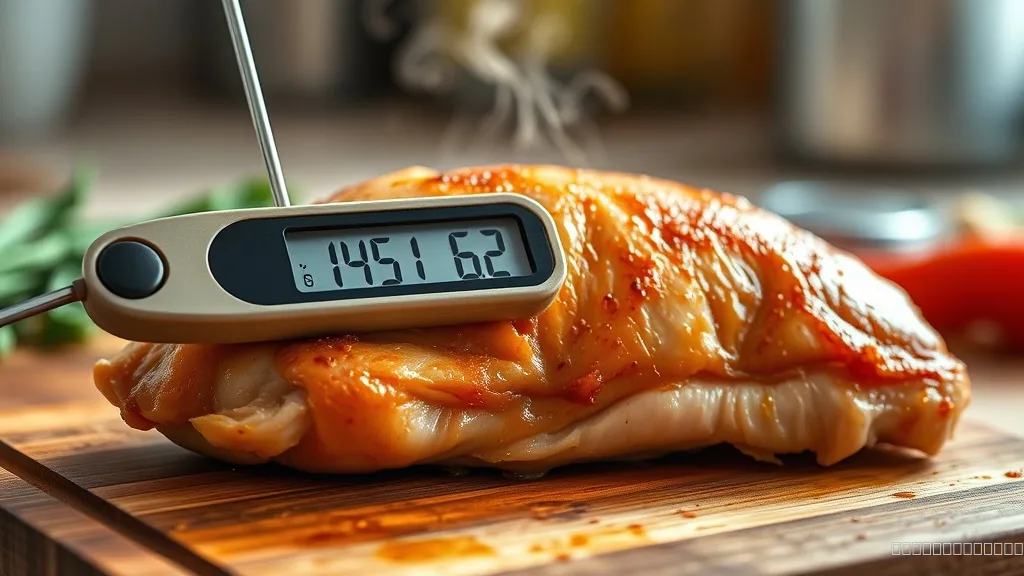
The Myth of the 'Clean' Plate Club: Why Your Eyes Can't Tell When Food Is Actually Done
For generations, home cooks have relied on visual cues like golden-brown crusts or clear juices to determine when food is properly cooked. This article dismantles the 'clean plate club' mentality by explaining why these visual doneness tests are unreliable and often dangerous. Learn the science behind why color, texture, and appearance can deceive you, and discover practical, evidence-based methods to ensure your food is both safe and delicious.
Read More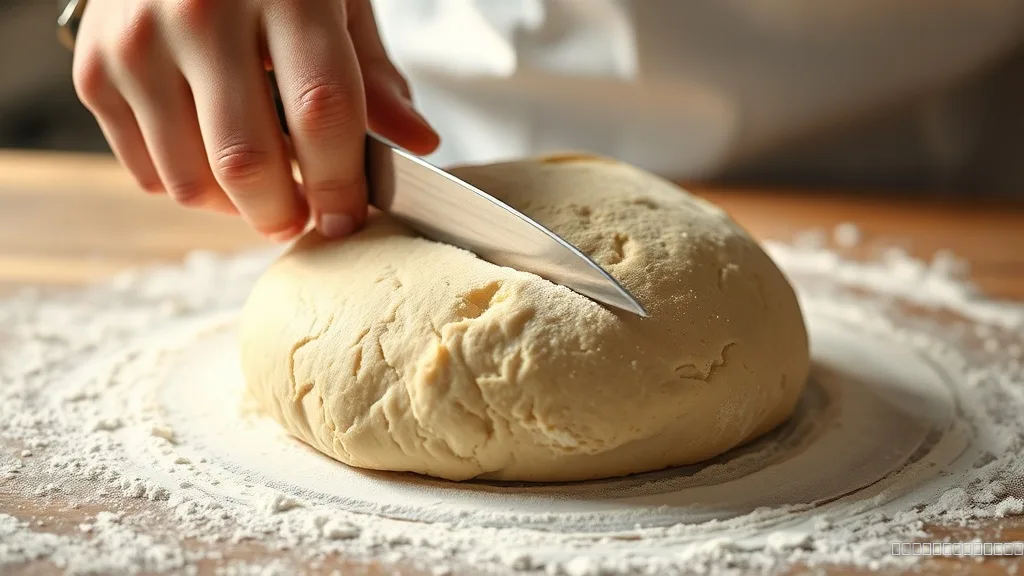
Does Scoring Bread Dough Actually Control Expansion, or Just Decorate?
Scoring bread dough isn't just decorative—it's a crucial technique that directs steam release and controls expansion during baking. This article explores the science behind scoring, debunking common myths and offering practical tips for home bakers.
Read More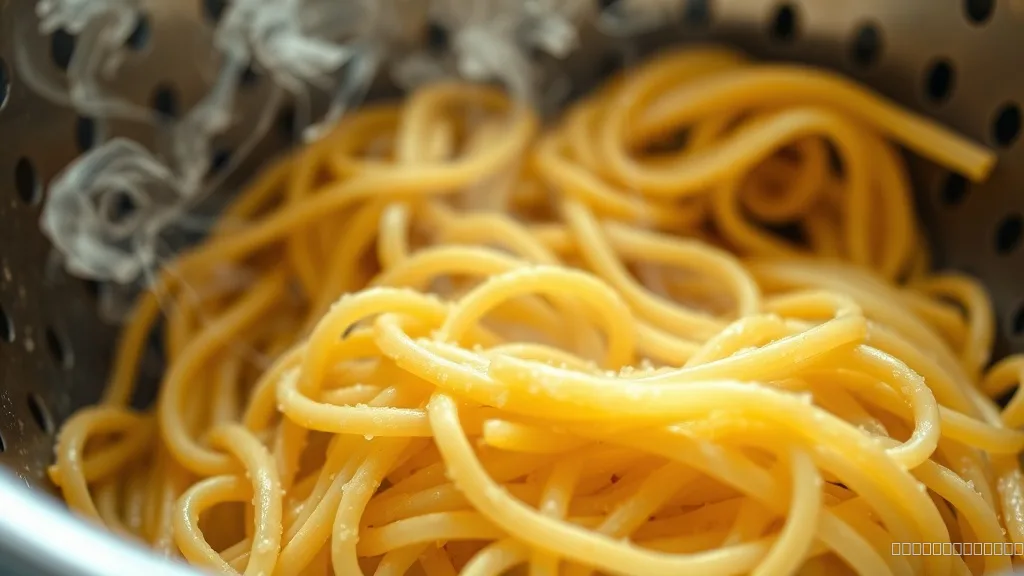
The Great Pasta Rinsing Debate: Why 'Never Rinse Pasta' Is Mostly Wrong (And When You Should)
The culinary commandment 'never rinse pasta' has been repeated in kitchens worldwide, but this absolute rule ignores important scientific realities. While rinsing hot pasta after cooking typically sabotages sauce adhesion, there are specific cooking scenarios where rinsing becomes essential for texture and food safety. Understanding starch behavior, temperature dynamics, and sauce chemistry reveals when to break this famous rule.
Read More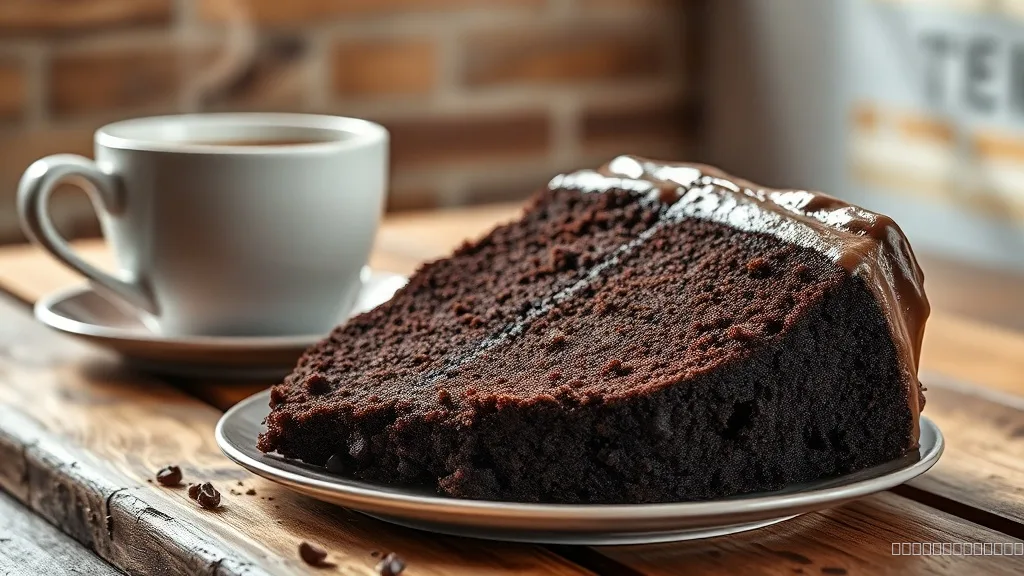
The Secret in Your Cup: Does Coffee Actually Transform Chocolate Cake?
Many bakers swear by adding coffee to chocolate cake recipes, claiming it enhances flavor. We dive into the science behind this popular technique to separate fact from kitchen folklore. Discover how coffee interacts with chocolate on a molecular level and whether it's worth adding to your next batch.
Read More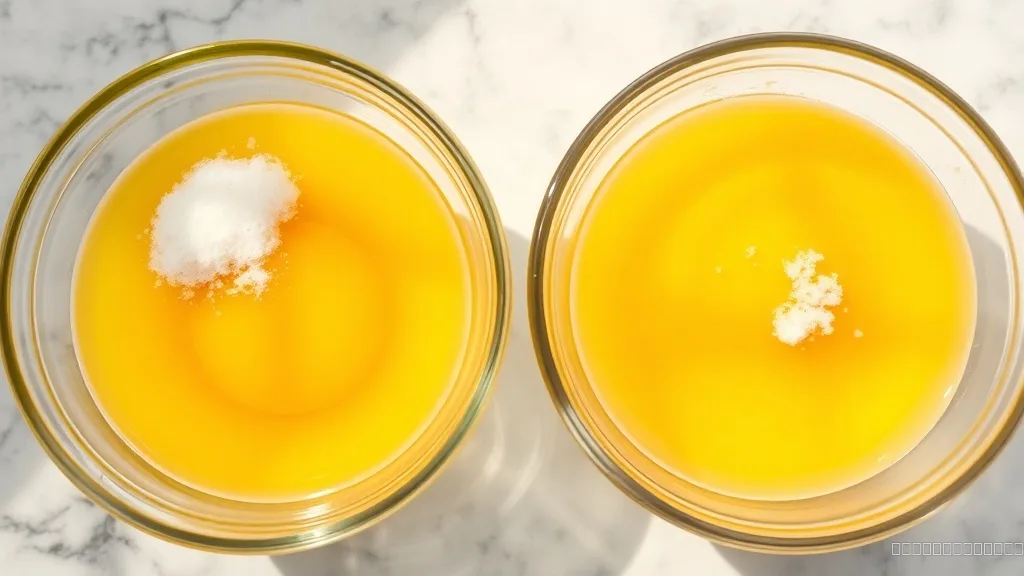
The Great Egg-Salting Debate: To Season Before or After Cooking?
The old kitchen rule warns against salting eggs before cooking, claiming it makes them watery and tough. We examine the science behind this myth and reveal when timing actually matters—and when it doesn't. Learn how to achieve perfect eggs every time, whether scrambled, fried, or poached.
Read More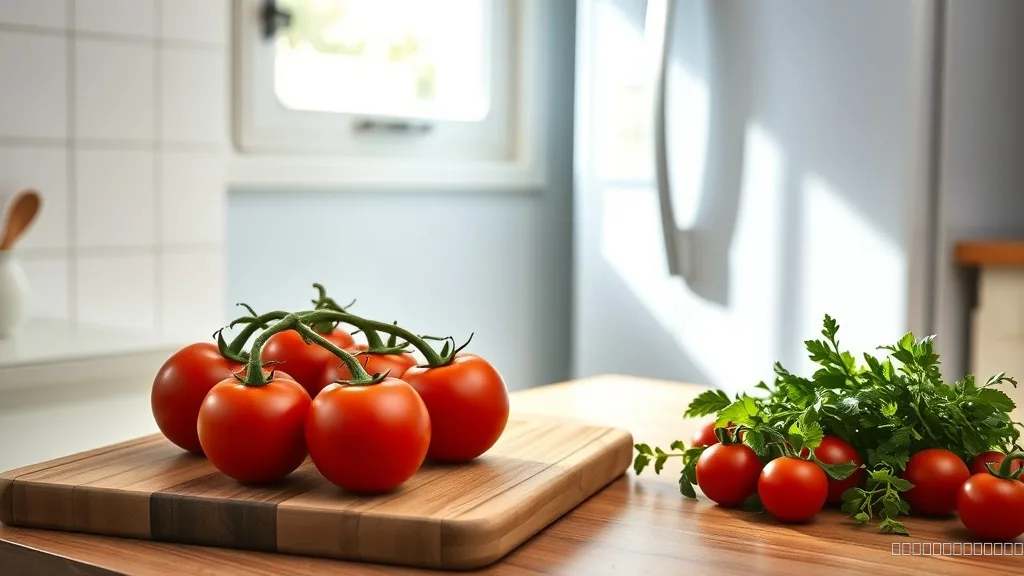
The Tomato Cold War: Why Keeping Tomatoes in the Fridge Isn't the Kitchen Crime You Think
The old kitchen rule 'never refrigerate tomatoes' has been repeated for decades, but modern food science reveals a more nuanced truth. Refrigeration can actually preserve tomatoes longer with minimal quality loss when done correctly. This article explores the chemistry, practical applications, and Sri Lankan kitchen wisdom behind tomato storage.
Read More
Is MSG Really Bad for You? The Flavor Science You've Been Lied To
Monosodium glutamate (MSG) has been unfairly demonized for decades, but the science tells a different story. This article explores the natural origins of umami, how MSG enhances flavor safely, and why the 'Chinese Restaurant Syndrome' myth persists despite overwhelming evidence to the contrary.
Read More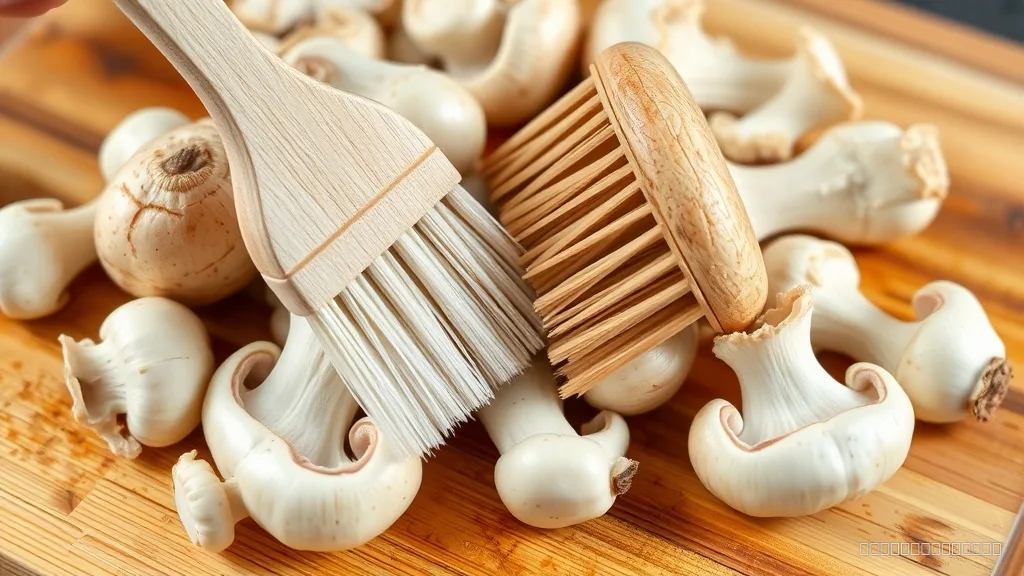
Stop Washing Your Mushrooms: The Science Behind Why They Hate Water
For generations, cooks have been told to wash mushrooms under running water. This article explains why that's a culinary mistake rooted in misunderstanding mushroom biology. You'll learn the proper techniques to clean mushrooms without compromising their texture or flavor.
Read More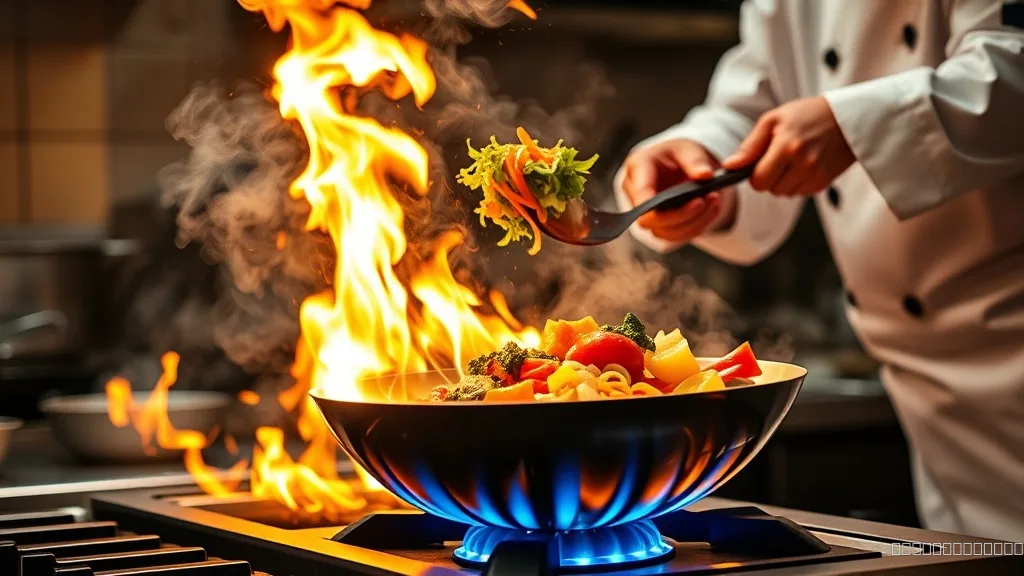
The Myth of 'Wok Hei' at Home — Can You Really Recreate It?
Let's get loud about the truth: achieving true 'wok hei'—that smoky, charred, breath-of-fire flavor—in a home kitchen is mostly impossible. But understanding the science behind it can help you get closer than ever before. This article breaks down the heat, chemistry, and techniques that separate restaurant woks from your stovetop.
Read More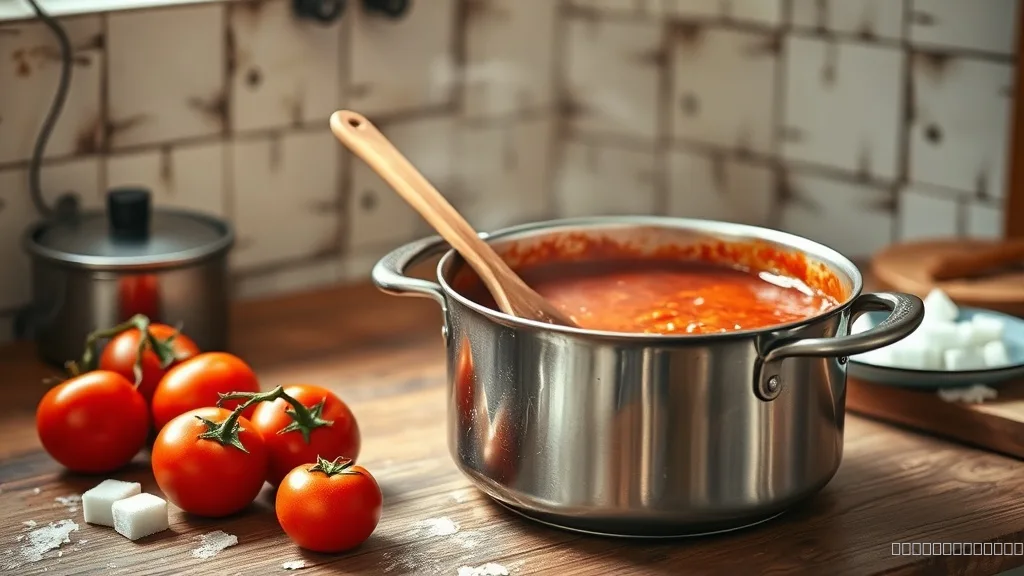
The Sweet Truth: Does Sugar Actually Reduce Tomato Sauce Acidity, or Just Hide It?
Many cooks add sugar to tomato sauce to cut acidity, but does it chemically change the sauce or simply mask the sour taste? We explore the science behind pH, taste perception, and better alternatives for balanced flavor.
Read More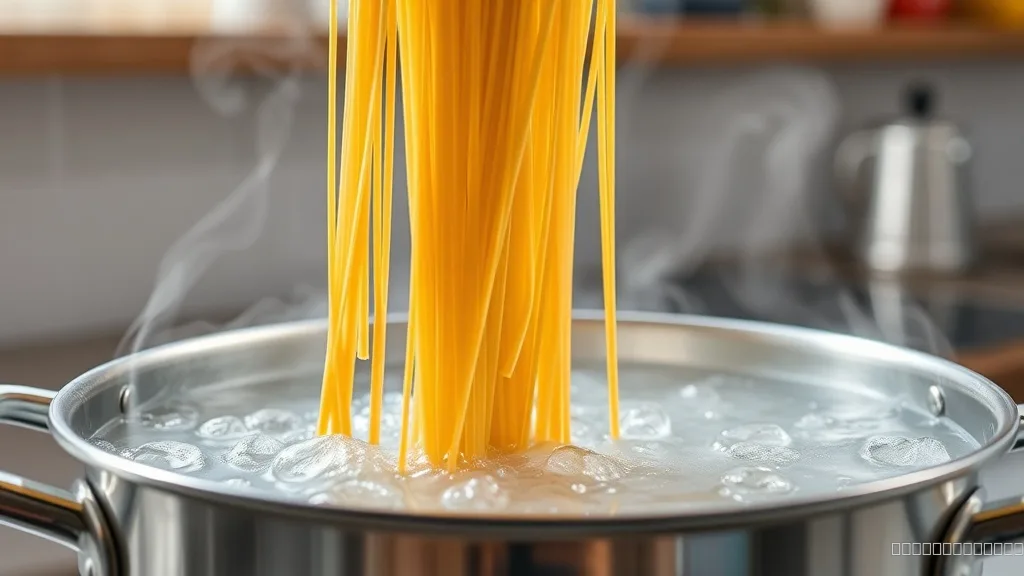
Does Adding Oil to Pasta Water Prevent Sticking? The Starchy Truth
You’ve probably been told to add oil to pasta water to stop it from sticking together. Let’s be brutally honest: it’s a culinary myth that does more harm than good. We’ll break down the science of starch, water, and heat to show you the right way to cook perfect, non-sticky pasta every time.
Read More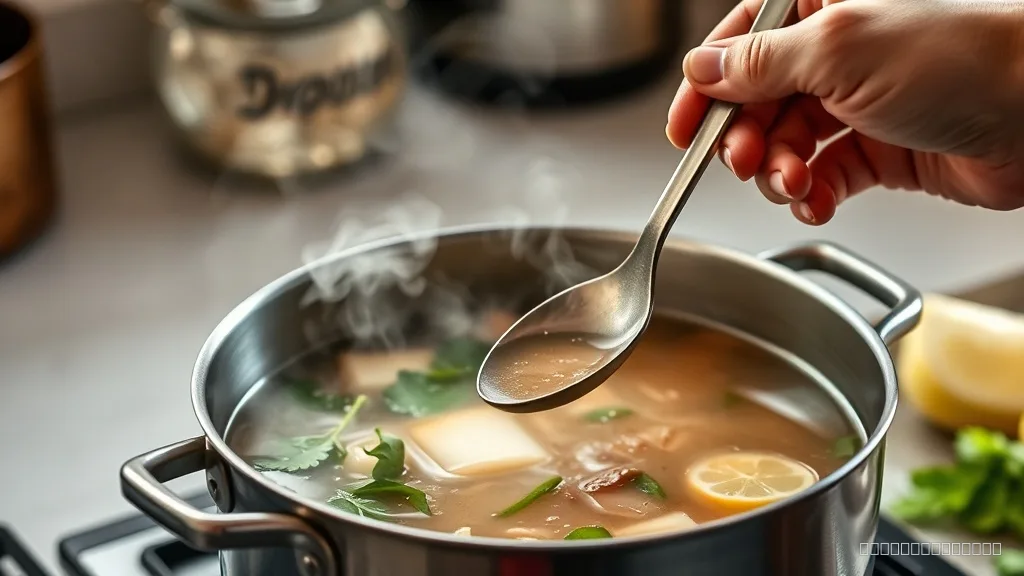
Why 'Taste as You Go' Is the Only Unbreakable Rule in Cooking
Tasting throughout cooking isn't just about flavor—it's a scientific practice that prevents irreversible mistakes and builds intuitive seasoning skills. This article explores why this simple habit is backed by food science and cultural wisdom, helping home cooks achieve consistent results.
Read More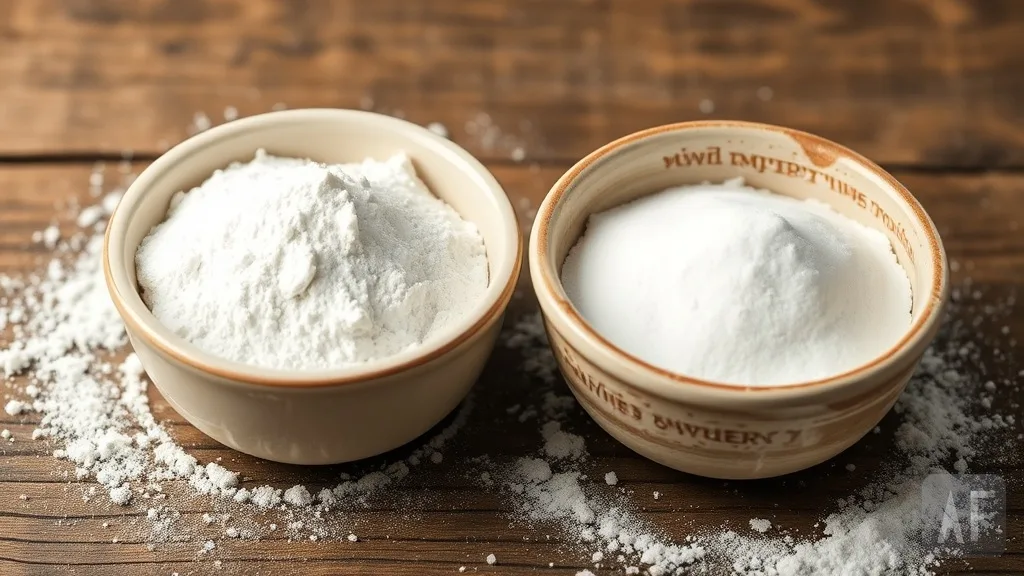
The Spicy Truth About Baking Soda vs. Baking Powder: Why Swapping Them Can Ruin Your Injera
Many home cooks think baking soda and baking powder are interchangeable, but this myth can lead to flat pancakes, bitter cookies, and dense cakes. Understanding their chemical differences—one needs acid, the other brings its own—is crucial for proper leavening. Let's bust this kitchen myth with science you can actually use.
Read More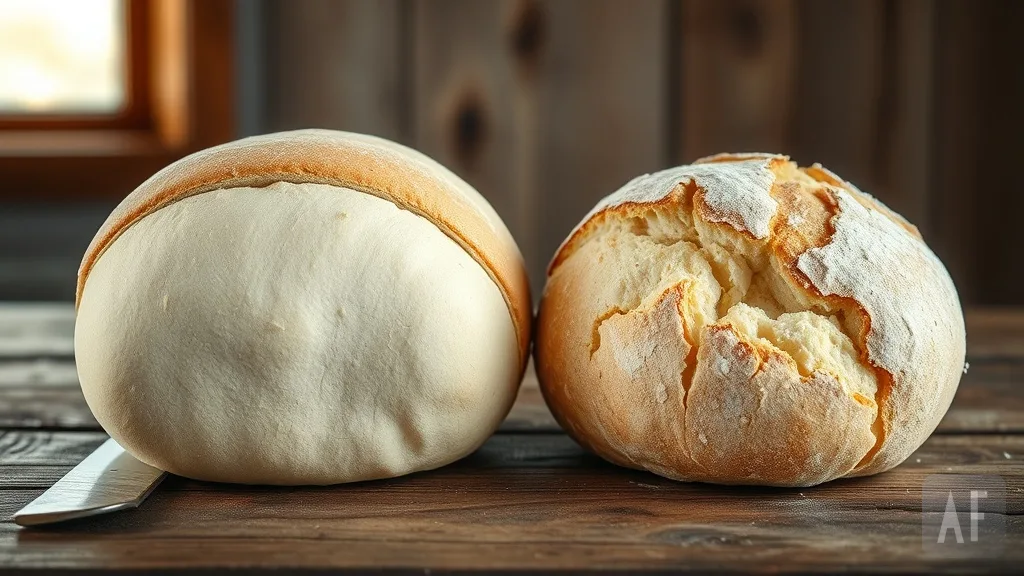
Why You've Been Over-Proofing Your Bread (And Didn't Know It)
Discover how to identify and avoid over-proofing your bread dough with clear, science-backed guidance. Learn the subtle signs and simple fixes that will transform your home baking results.
Read More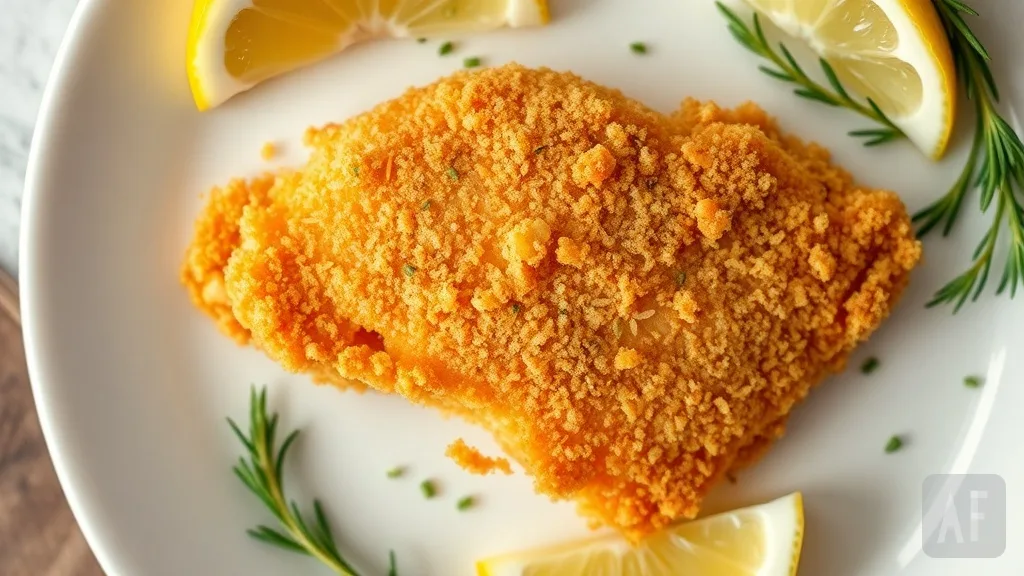
The Science of Perfect Fish Cutlets: From Protein Structure to Crispy Crunch
Discover how the proteins in fish transform under heat to create tender, flaky cutlets, and learn the precise techniques for achieving a golden, crispy crust every time. This guide blends Japanese culinary precision with food science to help home cooks master this versatile dish.
Read More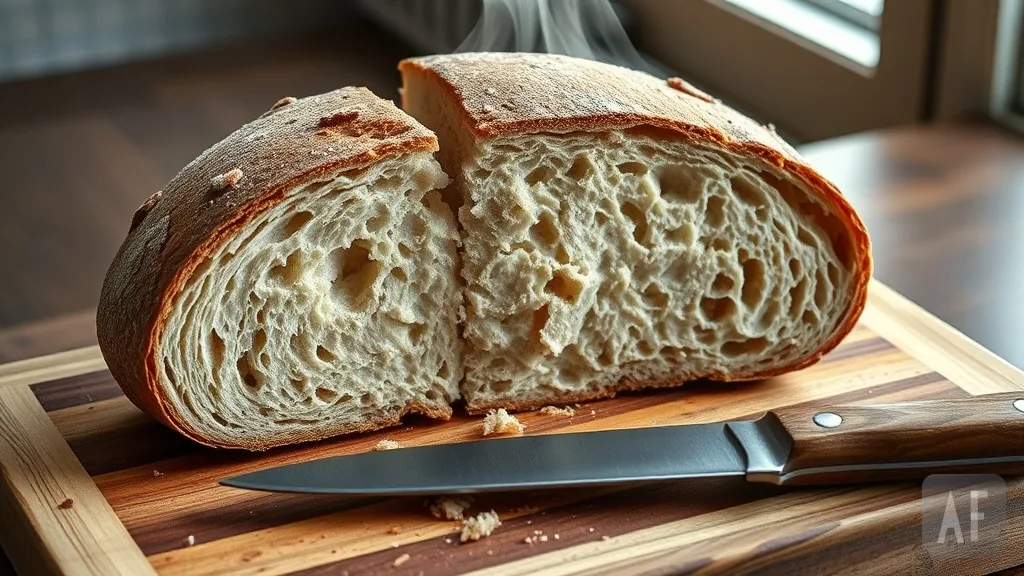
The Frozen Truth: Does Freezing Bread Keep It Fresh or Destroy Its Soul?
Freezing bread is a kitchen secret many swear by, but does it preserve freshness or ruin texture? We dive into the science of starch retrogradation, ice crystal formation, and proper thawing techniques to separate fact from freezer-burned fiction.
Read More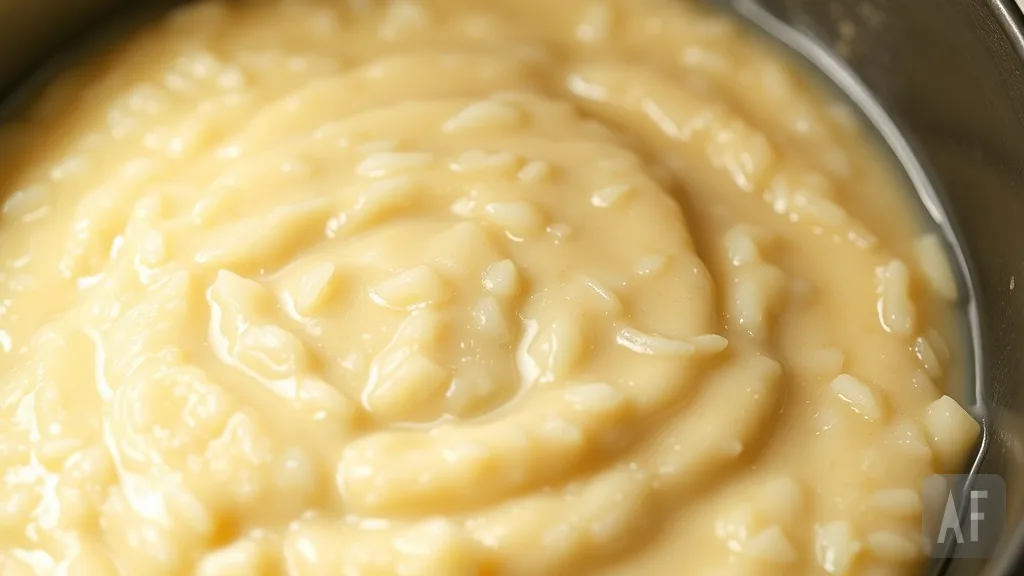
Starch Gelatinization: The Secret to Creamy Risotto and Silky Pudding
Discover how starch gelatinization transforms humble grains and starches into luxurious textures. Learn the precise science behind achieving perfect risotto and smooth puddings, and avoid common kitchen mistakes that ruin these delicate dishes.
Read More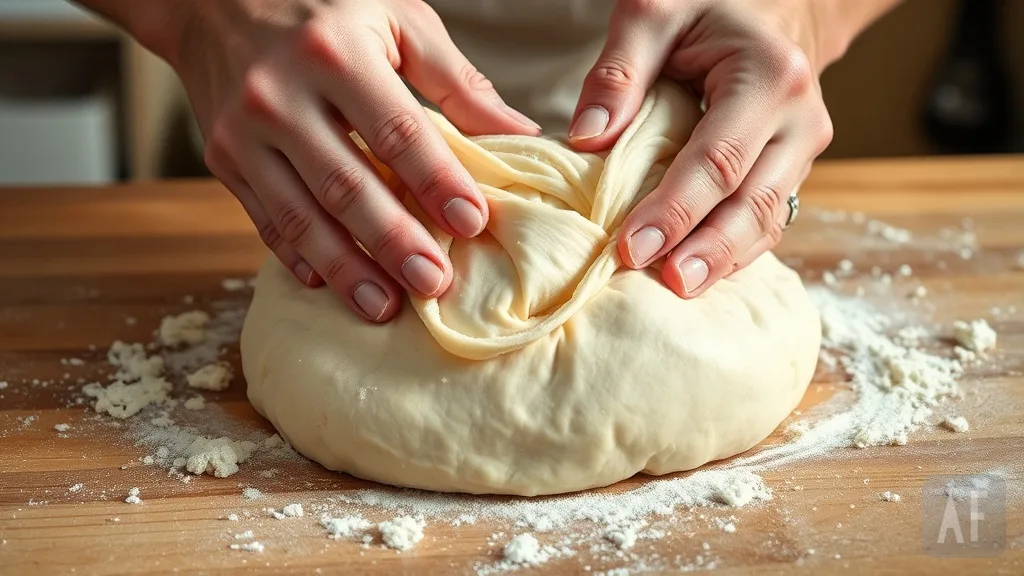
Gluten: The Silent Weaver in Your Dough That Creates Perfect Bread
Gluten forms the elastic network that gives bread its structure and chew. Understanding how this protein develops during kneading and baking can help home bakers achieve better results. This guide explores gluten's science without medical claims, focusing on practical kitchen applications.
Read More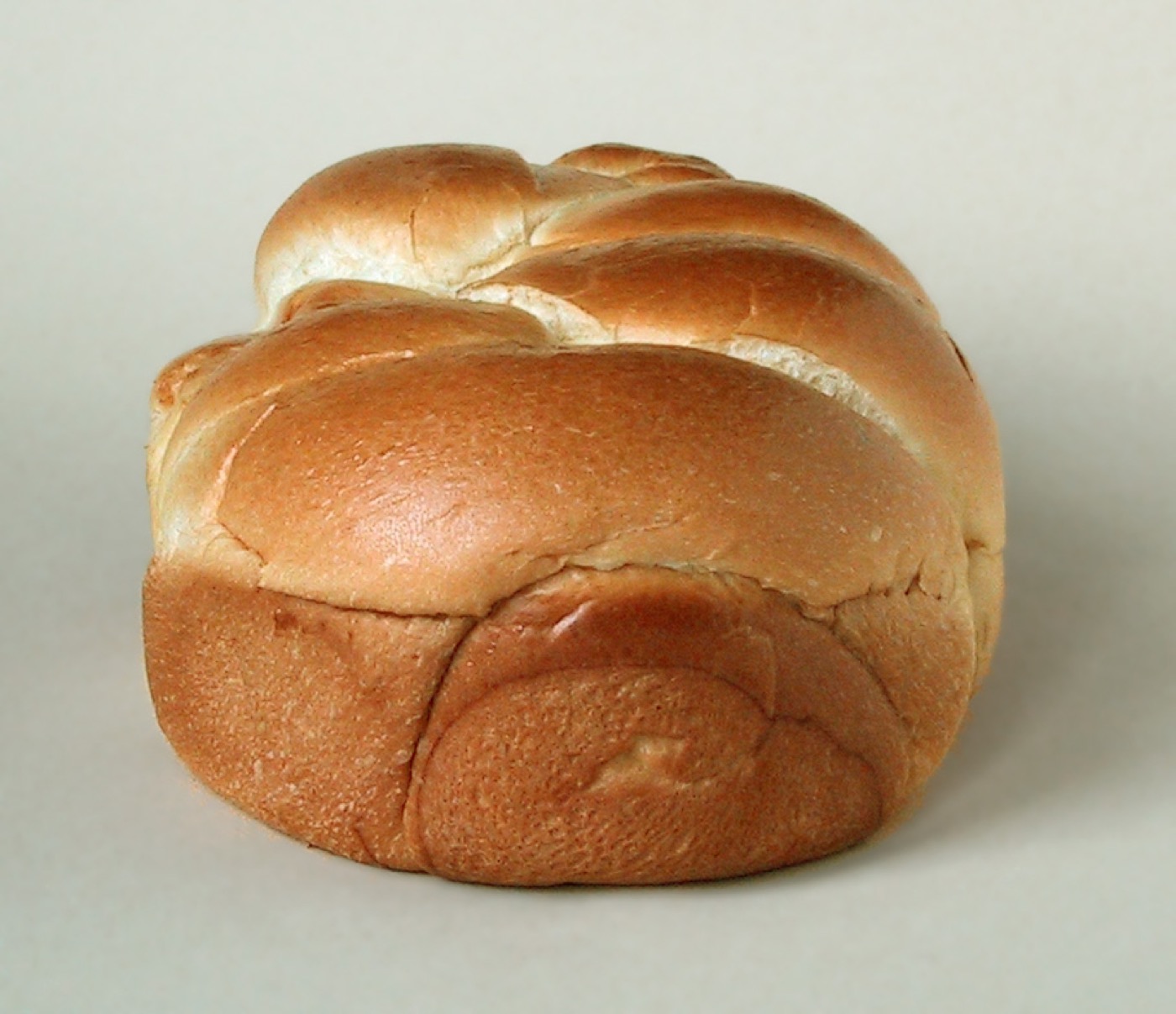
The Maillard Reaction: What It Is, How It Works, and How to Control It
The Maillard reaction is responsible for many of the browned, deeply savory flavors that make cooked food feel rich, satisfying, and complete.
Read More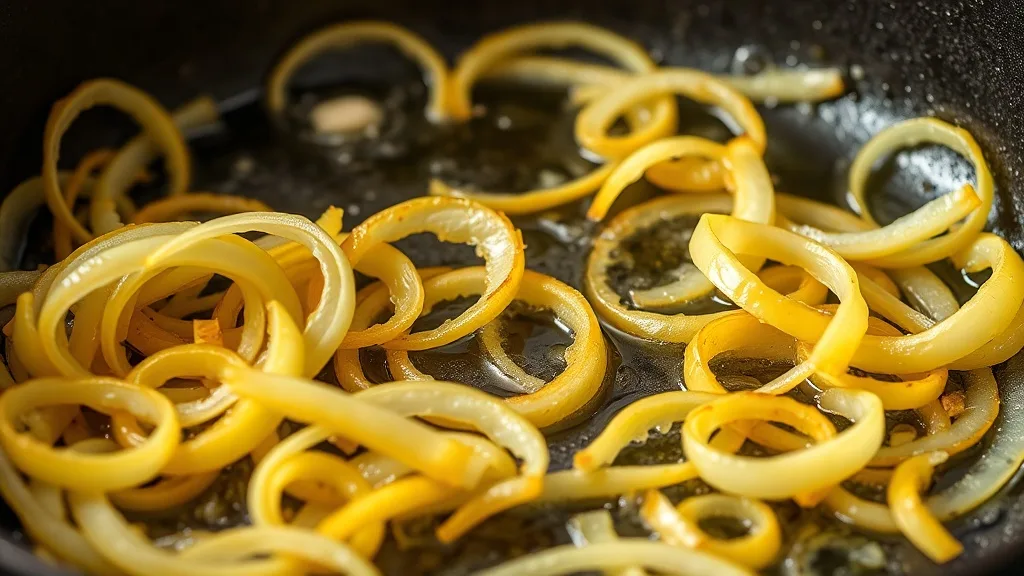
Why Onions Taste Sweeter When They're Browned: The Science of Caramelization
Browning onions transforms their sharp, pungent flavor into a rich, sweet depth through chemical reactions. This article explains how heat breaks down sugars and creates new flavor compounds, helping you master this essential kitchen technique.
Read More