Myth Busting
Does Cooking Tomato Sauce in Cast Iron Really Leach Metal? A Science-Backed Investigation
Many home cooks avoid using cast iron pans for acidic foods like tomato sauce, fearing metal leaching and off-flavors. We examine the chemistry behind this common kitchen myth and provide practical guidance based on food science research. Learn when to worry, when to relax, and how to care for your cast iron for optimal cooking results.
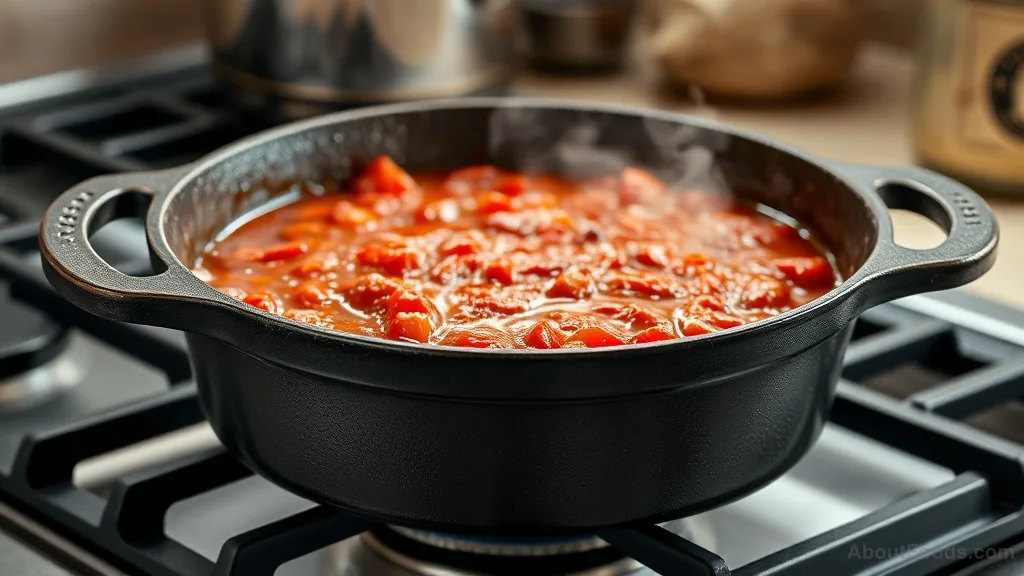
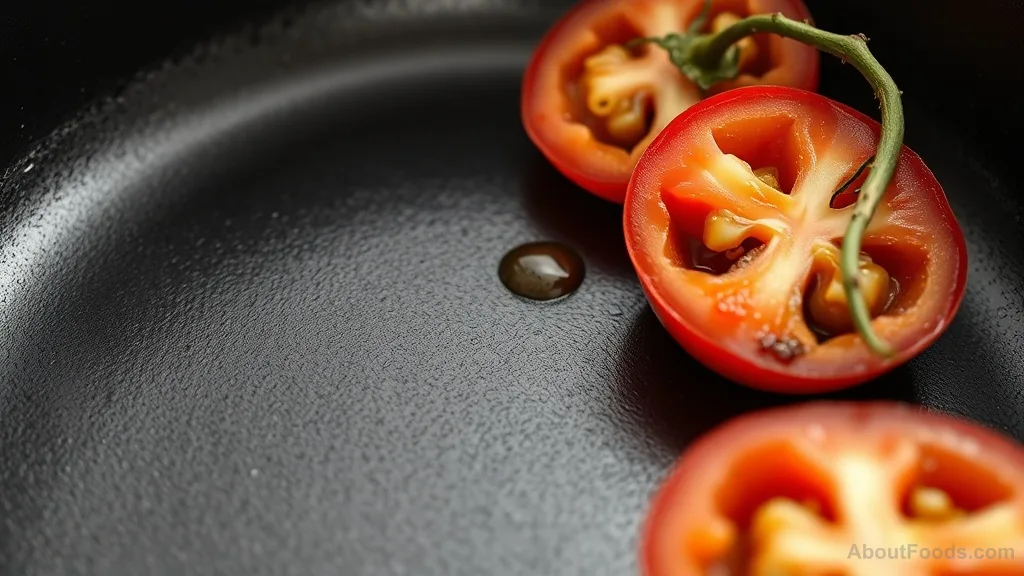
The Great Cast Iron Debate: Tomato Sauce and Metal Fears
If you've spent any time in kitchen circles—or grown up with a grandmother's wisdom like I did in India—you've likely heard the warning: never cook tomato sauce in cast iron. The fear is that the acidity in tomatoes will leach metal from the pan, creating off-flavors and potentially harmful compounds. As someone who loves both the science of cooking and the practicality of a good lentil dish (yes, I'm that nerdy), I decided to investigate this claim thoroughly. Is it a legitimate safety concern, or just another kitchen myth passed down through generations? Let's dive into the chemistry, separate fact from fiction, and give you clear guidance for your cooking.
Understanding Cast Iron: More Than Just Metal
Cast iron cookware isn't just raw iron exposed to your food. When properly cared for, it develops a 'seasoning'—a polymerized layer of oil that bonds to the surface through heat. This seasoning is what gives cast iron its non-stick properties and, crucially, acts as a barrier between the iron and your ingredients. Think of it like the protective coating on a well-loved tawa (griddle) in Indian kitchens. The seasoning is relatively inert and resistant to acids, but it's not impervious. Damage to this layer—from scrubbing, acidic foods, or improper cleaning—can expose the underlying iron, which is where leaching concerns arise.
- Cast iron pans are made of iron alloyed with small amounts of carbon and silicon.
- Seasoning forms when fats are heated past their smoke point
- creating a cross-linked polymer layer.
- A well-maintained seasoning is hydrophobic and chemically stable
- reducing direct food-metal contact.
The Chemistry of Acidity and Metal Leaching
Tomatoes have a pH around 4.0-4.6, making them moderately acidic. Acids can react with metals, dissolving small amounts into food—a process called leaching. For cast iron, this means iron ions (Fe²⁺ and Fe³⁺) might transfer into your sauce. But here's where the science gets nuanced: the extent of leaching depends heavily on factors like seasoning integrity, cooking time, and temperature. Research shows that in a well-seasoned pan, leaching is minimal—often adding less than 1-2 mg of iron per serving, which is actually below the daily recommended intake and can be beneficial for those with iron deficiency. However, in a poorly seasoned or rusty pan, leaching increases significantly, potentially affecting flavor and food safety.
| Factor | Effect on Leaching | Practical Implication |
|---|---|---|
| Seasoning Quality | High-quality seasoning reduces leaching by 90%+ | Maintain your pan's seasoning with regular oiling |
| Cooking Time | Longer cooking increases leaching slightly | Limit acidic cooks to under 30 minutes if concerned |
| Acidity Level | Lower pH (more acidic) increases leaching | Tomatoes are moderate; vinegar or lemon juice are higher risk |
| Temperature | Higher heat can accelerate reactions | Simmer rather than boil acidic foods in cast iron |
What the Studies Say: Evidence Over Anecdotes
Several food science studies have measured iron leaching from cast iron. One key finding: in seasoned pans, tomato sauce cooked for 30 minutes gained about 1-3 mg of iron per 100g serving—trivial compared to the 8-18 mg daily requirement for adults. For context, a serving of spinach provides about 3 mg. The iron leached is primarily in a non-heme form, which is less bioavailable than heme iron from meat, but still contributes to dietary intake. Importantly, no studies have shown harmful levels of iron leaching from seasoned cast iron with typical home cooking. The metallic taste people sometimes report is more likely due to degraded seasoning or rust, not normal leaching.
Practical Guidance for Home Cooks
So, should you cook tomato sauce in cast iron? The answer depends on your pan's condition and your comfort level. For a well-seasoned pan used occasionally for acidic foods, it's generally safe and won't ruin your sauce. But if your pan is new, poorly seasoned, or shows rust, avoid prolonged cooking with tomatoes. As an organized cook who values both tradition and science, I recommend: use your cast iron for tomato-based dishes sparingly (think once a month rather than weekly), always check your seasoning beforehand, and consider alternative cookware for frequent acidic cooking. Remember, cast iron is incredibly durable—a single tomato sauce won't destroy it, but consistent acid exposure can degrade seasoning over time.
Caring for Your Cast Iron After Acidic Cooking
If you do cook tomato sauce in cast iron, proper aftercare is essential to maintain the seasoning. First, clean the pan promptly after cooking—don't let acidic food sit in it for hours. Use warm water and a soft brush; avoid soap if your seasoning is fragile, though modern mild soaps are generally safe for well-established seasoning. Dry thoroughly (I place mine on a warm stove burner for a minute), then apply a thin layer of neutral oil like canola or grapeseed. Heat until smoking lightly to polymerize the oil. This routine helps repair any minor damage from acidity. Think of it like tending to a cherished kitchen tool—a little care goes a long way.
- Clean immediately after cooking acidic foods to minimize exposure.
- Dry completely to prevent rust—cast iron's real enemy.
- Apply a thin oil coat and heat to maintain seasoning.
- If metallic taste occurs
- re-season the pan before next use.
Alternatives to Cast Iron for Tomato Sauce
For those who prefer to avoid any risk—or simply want dedicated pans for different tasks—several excellent alternatives exist. Stainless steel is completely non-reactive and ideal for acidic cooking, though it lacks cast iron's heat retention. Enameled cast iron offers the best of both worlds: iron's even heating with a glass-like coating that prevents leaching. Non-stick pans work for quick tomato sauces but aren't suitable for long simmers due to heat limitations. In my kitchen, I keep a stainless steel pot specifically for tomato-based curries and sauces, reserving cast iron for frying, baking, and less acidic dishes. This division of labor keeps both my science brain and my lentil-loving heart happy.
FAQ: Your Cast Iron and Tomato Sauce Questions Answered
Will cooking tomato sauce in cast iron make my food taste metallic?
Not if your pan is well-seasoned. Metallic taste usually indicates damaged seasoning or rust. If you notice it, re-season your pan before next use.
How much iron actually leaches into tomato sauce?
Studies show 1-3 mg per 100g serving in seasoned pans—nutritionally trivial for most people. For comparison, a serving of lentils has about 3-4 mg of iron.
Can I use cast iron for other acidic foods like lemon juice or vinegar?
These are more acidic (lower pH) than tomatoes, so leaching risk is higher. Use briefly or avoid in cast iron; stainless steel is better for high-acid ingredients.
How do I know if my cast iron seasoning is good enough for tomato sauce?
The surface should be glossy black, smooth, and non-stick. If it's patchy, sticky, or shows rust spots, re-season before cooking acidic foods.
Is leached iron harmful to health?
No—the small amounts from seasoned cast iron are safe and may even help those with iron deficiency. However, excessive iron intake can be harmful, so don't rely on leaching for nutrition.
What's the worst that can happen if I cook tomato sauce in cast iron?
Degraded seasoning leading to sticking, metallic taste, or increased rust potential. None are dangerous, but they reduce pan performance. Re-seasoning fixes most issues.
Rate this article
No ratings yet. Be the first to rate it.

Written by
Anaya Patel
Specialises in Indian cuisineAnaya makes a mean dal makhani and owns 14 types of lentils. She alphabetizes them.
Describe yourself in three words: Organized, nerdy, lentil lover.