Myth Busting
The Secret in Your Cup: Does Coffee Actually Transform Chocolate Cake?
Many bakers swear by adding coffee to chocolate cake recipes, claiming it enhances flavor. We dive into the science behind this popular technique to separate fact from kitchen folklore. Discover how coffee interacts with chocolate on a molecular level and whether it's worth adding to your next batch.
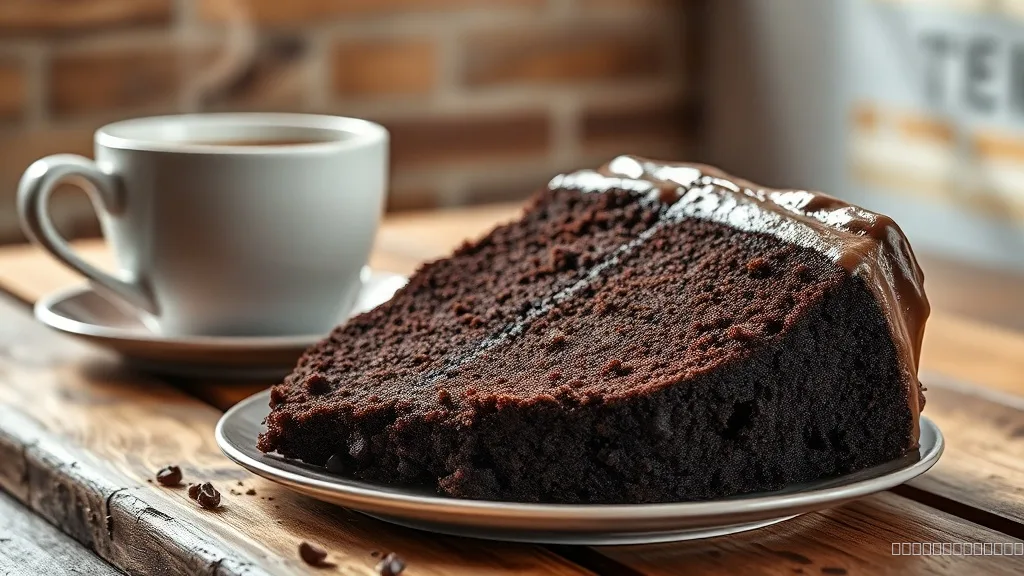
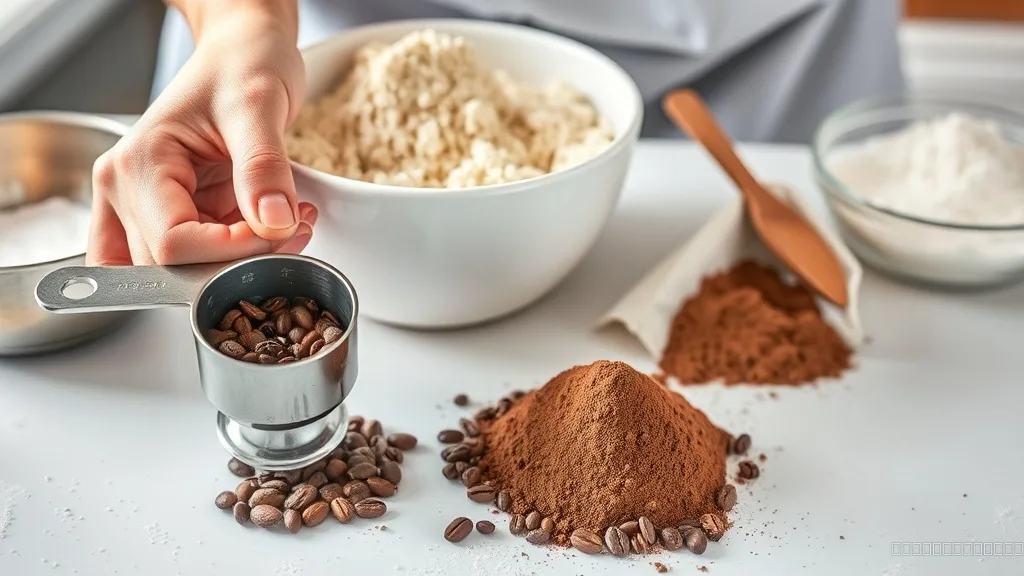
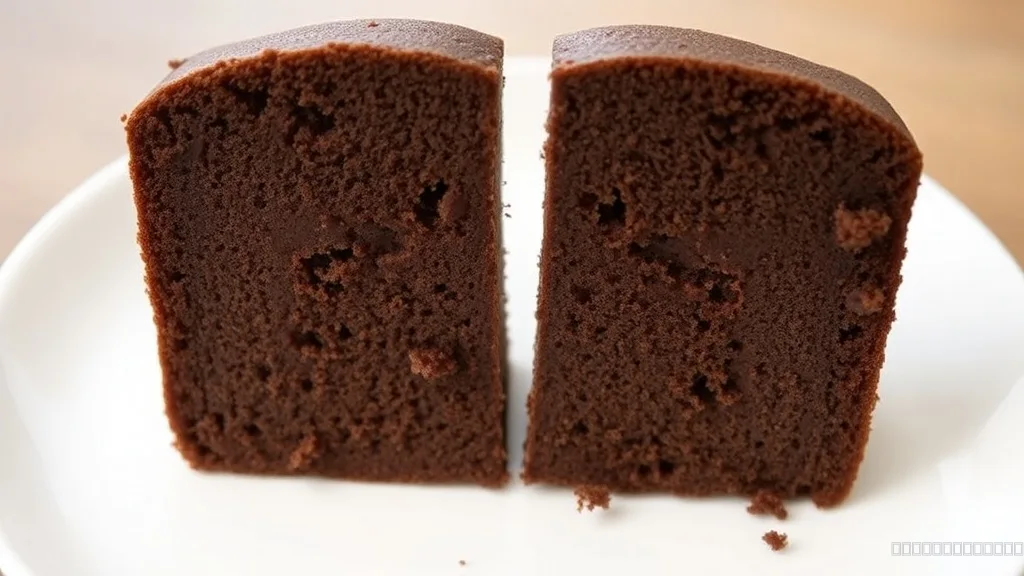
The Mystery in Your Mixing Bowl
In my abuela's kitchen in Oaxaca, secrets were whispered like prayers—some about love, some about life, and many about food. One such secret traveled north with me: always add coffee to your chocolate cake. 'Hace que el chocolate cante,' she would say—it makes the chocolate sing. But as a man who has spent years studying the science behind what happens when heat meets ingredients, I've learned to question even the most cherished kitchen wisdom. Does coffee truly transform chocolate cake, or is this just another delicious myth passed down through generations?
Today, we're going to peel back the layers of this baking mystery. We'll explore what happens when coffee meets chocolate in the batter, examine the chemical reactions at play, and determine whether this technique deserves a permanent place in your recipe book or should be relegated to the realm of kitchen folklore.
The Flavor Chemistry: What Coffee Actually Does to Chocolate
Let's start with the most common claim: coffee enhances chocolate flavor. This isn't just wishful thinking—it's grounded in solid food science. Chocolate contains hundreds of flavor compounds, but some of the most important are bitter notes that can sometimes taste flat or one-dimensional. Coffee, particularly brewed coffee, contains acids and aromatic compounds that interact with these chocolate flavors in fascinating ways.
- Acidic compounds in coffee (like chlorogenic acid) help brighten chocolate's flavor profile, making it taste more complex
- Coffee's roasted notes complement chocolate's own roasted flavors without overwhelming them
- The bitterness in coffee can actually make chocolate taste sweeter by contrast—a phenomenon food scientists call 'flavor enhancement'
- Coffee adds moisture to the batter, which affects texture as much as flavor
Think of it this way: chocolate and coffee come from similar tropical origins and share many flavor precursors. When you combine them, you're not just adding coffee flavor—you're creating a symphony where each ingredient makes the other sound clearer, richer, more complete.
The Texture Transformation: More Than Just Flavor
Here's where the mystery deepens, mi gente. Coffee doesn't just affect how your cake tastes—it changes how it feels in your mouth. The liquid coffee adds moisture to your batter, but more importantly, it affects how the other ingredients behave during baking.
| Ingredient | Effect with Coffee | Science Behind It |
|---|---|---|
| Cocoa Powder | Dissolves more completely | Coffee's heat and acidity help cocoa particles disperse evenly |
| Sugar | Caramelizes differently | Coffee's moisture affects sugar dissolution and browning |
| Flour | Develops structure differently | Liquid content changes gluten development |
| Baking Soda/Powder | Reacts more efficiently | Acidic coffee activates leaveners immediately |
The result? A cake that's often more moist, with a finer crumb structure. But here's the spicy truth: this texture improvement comes primarily from the added liquid, not some magical property of coffee. You could achieve similar results with water or milk—but then you'd miss the flavor benefits.
Busting the Biggest Myths
Now let's separate fact from fiction. In my travels from Mexican cocinas to professional test kitchens, I've heard every claim about coffee in chocolate cake. Some are true, some are half-true, and some are pure imagination.
The Practical Guide: How to Use Coffee Like a Pro
So you want to try this technique? Bueno. But how you add coffee matters as much as whether you add it. After testing dozens of variations, here's what I've learned works best.
Remember: coffee is an ingredient, not a magic potion. It won't save a bad recipe, but it can elevate a good one to greatness.
Common Mistakes and How to Avoid Them
Even with the best intentions, bakers often stumble when adding coffee to chocolate cake. Here are the pitfalls I've seen most often—and how to steer clear of them.
- Using coffee that's too hot: Adding hot coffee to your batter can start cooking eggs or melting butter prematurely. Always cool your coffee to room temperature first.
- Overpowering with coffee flavor: Start with less coffee than you think you need. You can always add more next time, but you can't remove it once it's in the batter.
- Forgetting to adjust other liquids: If your recipe calls for 1 cup of milk and you use 1 cup of coffee instead, you've changed nothing but flavor. For texture benefits, you need to maintain proper liquid ratios.
- Using flavored coffees: Vanilla hazelnut or pumpkin spice coffee will add those flavors to your cake. If you want pure chocolate enhancement, use plain coffee.
- Neglecting salt: Coffee can enhance bitterness, so a pinch of extra salt (about ¼ teaspoon more than usual) helps balance the flavors.
The most common mistake? Expecting miracles. Coffee enhances; it doesn't transform. Your cake will still be chocolate cake—just a better version of itself.
The Verdict: Should You Add Coffee to Your Chocolate Cake?
After all this investigation, what's the final word? Sí, but with understanding. Adding coffee to chocolate cake does make a difference—but not in the way most people think.
The science shows us that coffee: 1) Enhances chocolate flavor through chemical interactions, 2) Adds moisture that improves texture, and 3) Can create a more complex flavor profile when used correctly. But it's not essential, and it won't make a bad cake good. What it will do is make a good chocolate cake exceptional.
In my kitchen, I still add coffee to my chocolate cake—not because my abuela told me to, but because the science confirms what her wisdom suggested. The chocolate does sing a little louder, a little clearer. And isn't that what we all want from our baking? Not just food, but music for the mouth.
Your Coffee and Chocolate Cake Questions, Answered
Can I taste the coffee in the finished cake?
If you use the right amount (typically ½ to 1 cup for a standard cake), you shouldn't taste distinct coffee flavor. Instead, the chocolate will taste richer, deeper, and more complex. If you can taste coffee, you've used too much.
Does it matter what kind of coffee I use?
Medium to dark roasts work best as they complement chocolate's roasted notes. Light roasts can add acidic notes that might clash. Freshly brewed is ideal, but quality instant coffee works when dissolved properly.
Will coffee make my cake dry or moist?
Coffee adds liquid, so it typically makes cakes more moist. However, if you substitute coffee for another liquid without adjusting the total liquid amount, you might not see texture benefits.
Can I use this technique with boxed cake mixes?
Absolutely. Replace the water called for in the mix with cooled brewed coffee. Start with half coffee, half water if you're unsure, then adjust in future batches.
What about in frosting or ganache?
Coffee works wonderfully in chocolate frostings and ganache. For frosting, use instant espresso powder dissolved in a teaspoon of hot water. For ganache, steep coffee beans in warm cream before mixing with chocolate.
Does the caffeine affect the cake?
The amount of caffeine in a slice of coffee-enhanced chocolate cake is minimal—roughly equivalent to a few sips of decaf coffee. It won't keep you awake unless you're extremely sensitive to caffeine.
Rate this article
4.1 out of 5 from 7 ratings

Written by
Diego Garcia
Specialises in Mexican cuisineDiego is a taquero who uses a secret salsa roja that involves dried chiles he grows himself. He is a local legend.
Describe yourself in three words: Mysterious, proud, spicy.