Myth Busting
Does Adding Oil to Pasta Water Prevent Sticking? The Starchy Truth
You’ve probably been told to add oil to pasta water to stop it from sticking together. Let’s be brutally honest: it’s a culinary myth that does more harm than good. We’ll break down the science of starch, water, and heat to show you the right way to cook perfect, non-sticky pasta every time.
The Myth We’ve All Swallowed
Let me start with a confession: yes, I’m Italian, and yes, I’ve watched in horror as friends—bless their hearts—drizzle olive oil into their pasta water like it’s some kind of culinary holy water. They swear it keeps the noodles from sticking together, and honestly, it’s a myth so pervasive it might as well be written in nonna’s cookbook. But here’s the brutally honest truth: adding oil to pasta water is about as useful as putting sunscreen on a meatball. It doesn’t work the way you think, and worse, it can sabotage your entire dish. Today, we’re diving into the starchy science behind why this well-intentioned trick fails, and what you should actually do instead. Trust me, your pasta will thank you.
The Science of Starch: Why Pasta Sticks in the First Place
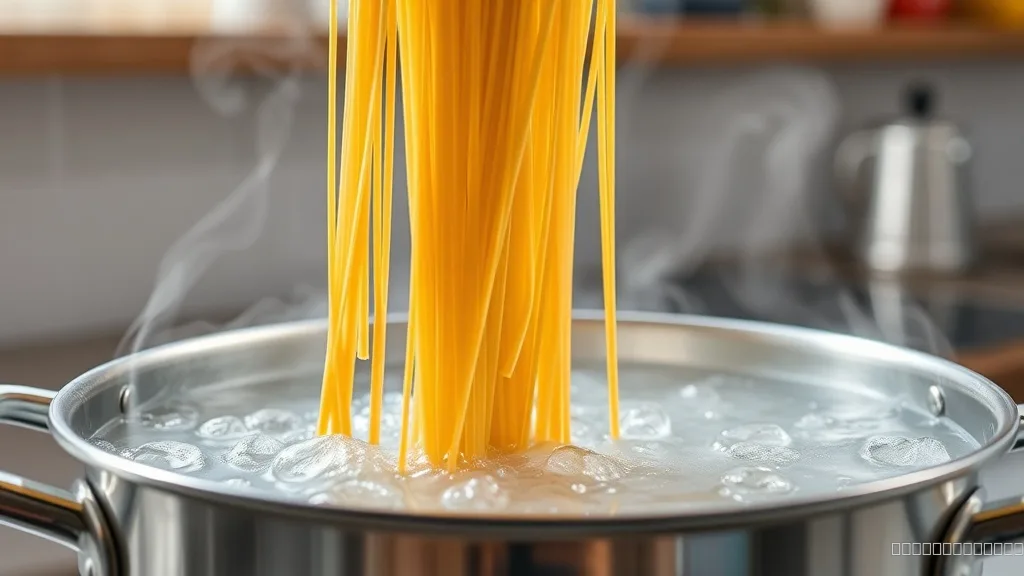
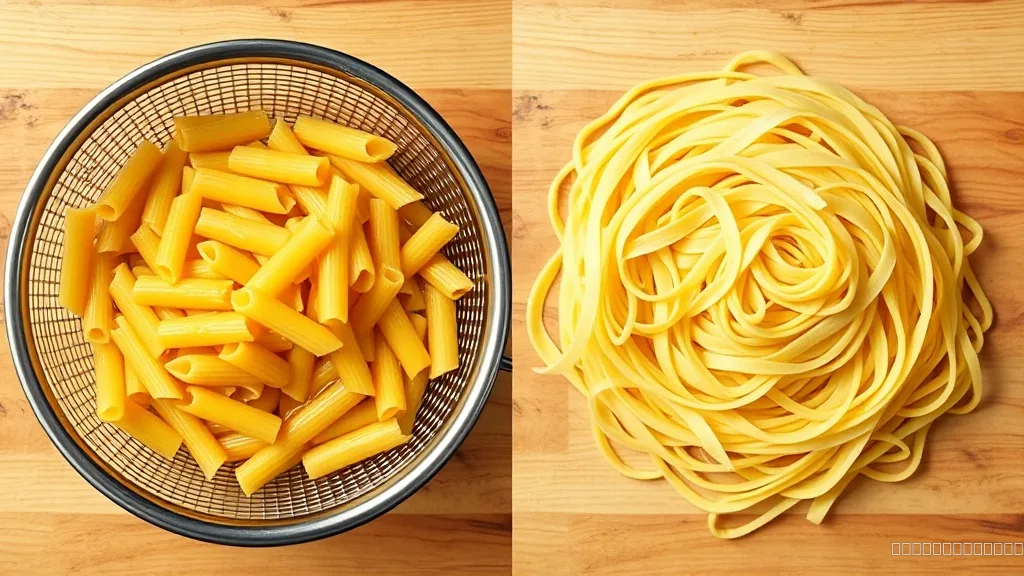
To understand why oil isn’t the hero here, we need to talk about starch—the unsung, slightly sticky hero of pasta. Dry pasta is made from durum wheat semolina and water, and it’s packed with starch granules. When you drop it into boiling water, two key things happen: heat causes the starch to absorb water and swell (a process called gelatinization), and some of that starch leaches out into the water. This creates a cloudy, starchy broth. If you don’t stir the pasta early on, those swollen starch molecules on the surface of the noodles can bond with each other, causing strands to clump together. It’s not some evil plot by the pasta; it’s simple chemistry. The sticking usually occurs in the first few minutes of cooking, before the pasta softens and becomes more flexible. So, the real enemy isn’t lack of oil—it’s lack of attention.
Why Oil Fails: A Slippery Misunderstanding
Now, let’s address the oil myth head-on. The idea is that oil, being hydrophobic (it repels water), will coat the pasta and create a barrier that prevents sticking. Sounds logical, right? Well, here’s where reality kicks in: oil and water don’t mix. When you add oil to boiling water, it simply floats on the surface like a lazy, greasy film. The pasta cooks submerged in water below, so the oil never actually coats the noodles during the critical sticking phase. Even if you stir vigorously, the oil might get emulsified briefly, but it’s not forming a consistent coating. What it does do, however, is create a slick surface on the water that can prevent starch from thickening the water naturally. And worse, when you drain the pasta, any residual oil on the noodles makes them slippery—so your beautiful tomato sauce slides right off, leaving you with a sad, separated dish. It’s a classic case of solving the wrong problem.
- Oil floats on water, not coating submerged pasta.
- Can lead to greasy pasta that repels sauce.
- Wastes good oil (and yes, that’s a crime in Italy).
The Real Italian Method: Stir, Salt, and Embrace Starch
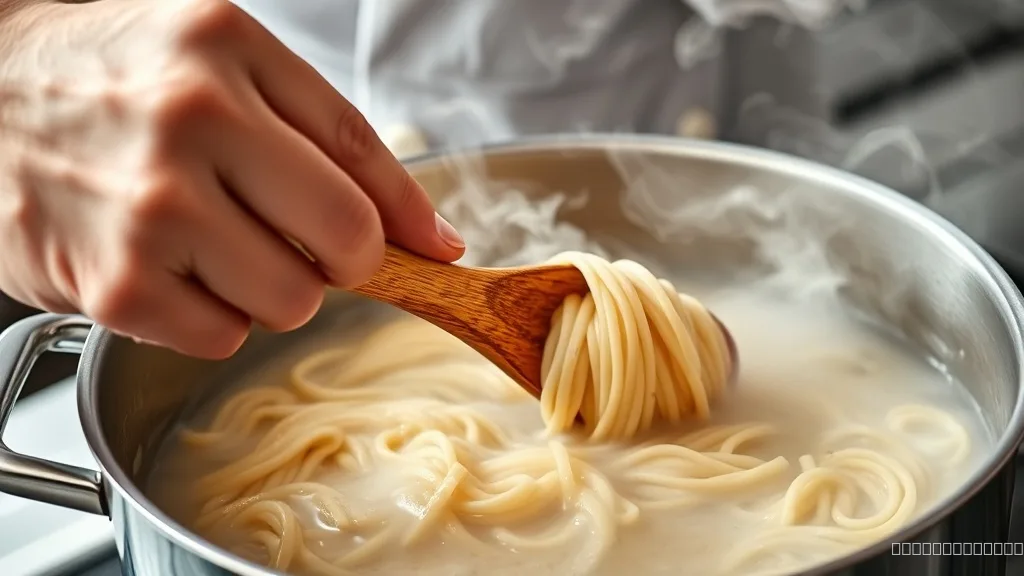
So, if oil isn’t the answer, what is? Let me share the non-secret that every Italian nonna knows: you prevent sticking by stirring your pasta early and often. I’m not talking about a lazy swirl; I mean get in there with a wooden spoon and give it a good stir within the first minute of cooking, and then every couple of minutes after. This physically separates the noodles before the starch can glue them together. Second, salt your water generously—about 1-2 tablespoons per gallon—because it seasons the pasta from the inside out and enhances flavor without affecting sticking. And here’s the sweet part: that starchy water you get from cooking? It’s liquid gold. Save a cup before draining, and use it to loosen and emulsify your sauces. The starch acts as a natural thickener, helping sauces cling to the pasta like a cozy hug. This is the method that’s been passed down for generations, and it works because it’s grounded in science, not superstition.
Common Mistakes and How to Fix Them
Even with the best intentions, home cooks often stumble. Let’s bust a few more myths while we’re at it. First, using too little water: pasta needs room to move. Aim for at least 4 quarts of water per pound of pasta to prevent overcrowding and uneven cooking. Second, not bringing the water to a full boil before adding pasta: a rolling boil ensures the temperature stays high enough for proper starch gelatinization. Third, rinsing pasta after cooking—please, don’t. You’ll wash away all that precious starch that helps sauces stick. If your pasta does stick a bit, don’t panic. A splash of reserved starchy water and a gentle toss can often rescue it. And if you’re cooking pasta for a salad, yes, a tiny drizzle of oil after draining can prevent clumping as it cools, but that’s a different scenario. The key is to adapt your technique to the dish, not rely on one-size-fits-all myths.
| Mistake | Why It Happens | Fix |
|---|---|---|
| Adding oil to water | Belief it coats pasta | Stir early and often instead |
| Undersalting water | Fear of over-salting | Use 1-2 tbsp salt per gallon |
| Overcrowding pot | Small pot, too much pasta | Use large pot with ample water |
| Rinsing cooked pasta | To stop cooking or remove starch | Skip rinsing; use immediately |
The Bottom Line: Embrace the Starch, Ditch the Oil
In the end, cooking perfect pasta is about understanding and working with starch, not against it. Adding oil to the water is a well-meaning but misguided attempt that can lead to bland, slippery noodles and broken sauces. Instead, focus on the fundamentals: plenty of boiling water, generous salt, and consistent stirring. Save your good olive oil for drizzling over the finished dish, where it can shine. As someone who grew up in a kitchen where pasta was practically a religion, I’ll admit this myth drives me a little crazy—but I share this with love, because I want your pasta to be as delicious as possible. So next time you’re at the stove, remember: starch is your friend, oil is not the answer, and a little stirring goes a long way. Now go cook something amazing.
FAQs: Your Pasta Questions, Answered
Does adding oil to pasta water make it cook faster?
No, oil has no effect on cooking time. Pasta cooks through heat transfer from boiling water, and oil doesn’t raise the temperature or speed up the process.
Can I use oil if I’m cooking gluten-free pasta?
Gluten-free pasta often has different starch compositions, but the same principles apply. Stirring is still key; oil might help slightly with clumping due to different textures, but it’s not a reliable solution and can still affect sauce adhesion.
Why does restaurant pasta sometimes taste oilier?
Restaurants might toss pasta with oil after cooking to prevent sticking during plating or holding, but this is done post-cooking, not in the water. It’s a different technique for specific service needs.
How much starchy water should I save?
Reserve about 1 cup of pasta water before draining. You can add it gradually to your sauce until it reaches the desired consistency—usually ¼ to ½ cup is enough for most dishes.
Is it ever okay to add oil to pasta water?
In short, no—for traditional pasta dishes where sauce adhesion matters, skip the oil. The only exception might be for pasta salads where you want to prevent clumping as it cools, but even then, tossing with oil after cooking is better.
Rate this article
5 out of 5 from 21 ratings

Written by
Giulia Bianchi
Specialises in Italian cuisineGiulia Bianchi runs a tiny trattoria in Rome that only has three tables. She refuses to buy a dishwasher. Her rage is legendary.
Describe yourself in three words: Sarcastic, brutally honest, secretly sweet.