Myth Busting
Does Adding Vinegar to Poaching Eggs Actually Help? A Water Chemistry Test
The old kitchen trick of adding vinegar to poaching water promises tighter, neater egg whites. We put this claim to the test with water chemistry experiments to see if vinegar truly makes a difference. Discover the science behind egg proteins, pH, and practical tips for perfect poached eggs every time.
Does Adding Vinegar to Poaching Eggs Actually Help? A Water Chemistry Test
Hola, I'm Camila. In my abuela's kitchen in Mexico City, poaching eggs was an art—a silent dance of simmering water and perfect timing. She never measured vinegar, but she’d whisper, 'Un poquito, mija, to keep the whites together.' That little bit of acid is a kitchen legend passed down through generations, promising to tame those wispy egg whites into neat, compact clouds. But does it really work? Or are we just following a tasty myth? Today, we’re diving deep into the water chemistry of poaching eggs, testing this claim with science, and sharing the creamy, indulgent truth. Because in cooking, as in life, I believe in being unapologetically curious—and a little bit saucy.
Let’s crack this open. Poaching eggs seems simple: an egg, some water, heat. But it’s a delicate balance of proteins, temperature, and pH. The vinegar trick hinges on the idea that acid helps coagulate egg whites faster, giving you a tidier poach. We’ll run experiments, look at the evidence, and I’ll show you what truly matters for that flawless, runny-yolked masterpiece. Whether you’re a home cook or a science nerd, this is your guide to poaching with confidence—no myths, just delicious reality.
The Science of Egg Whites: Why They Spread (and How to Stop Them)
Before we test vinegar, let’s understand what we’re working with. An egg white, or albumen, is about 90% water and 10% proteins—mainly ovalbumin, conalbumin, and ovomucin. When you crack an egg into hot water, heat causes these proteins to denature: they unfold from their natural shapes and then bond together, forming a solid network that traps water. That’s coagulation, and it’s what turns liquid egg white into that tender, opaque gel we love.
But here’s the catch: egg whites have two layers—a thick inner layer that hugs the yolk, and a thin outer layer that’s more watery. In fresh eggs, the thick layer dominates, but as eggs age, proteins break down and the white thins out. That thin layer is why poached eggs can turn into wispy, feathery messes; it spreads quickly in water before heat can set it. The goal of poaching is to coagulate the whites rapidly enough to contain that spread, giving you a compact, round shape. This is where pH enters the picture.
Egg whites are naturally slightly alkaline, with a pH around 7.6 to 9.0. Acids, like vinegar (which is acetic acid), lower the pH. In lower pH (more acidic) environments, proteins denature and coagulate at a lower temperature and more quickly. The theory behind adding vinegar is that it speeds up coagulation, helping the outer white set faster and reducing spread. But how much does it really help? We’ll test that next, but first, a quick note: this effect is subtle. Other factors—like egg freshness, water temperature, and technique—often matter more. As my abuela would say, 'No te preocupes, pero presta atención'—don’t worry, but pay attention.
Testing the Vinegar Myth: Our Water Chemistry Experiment
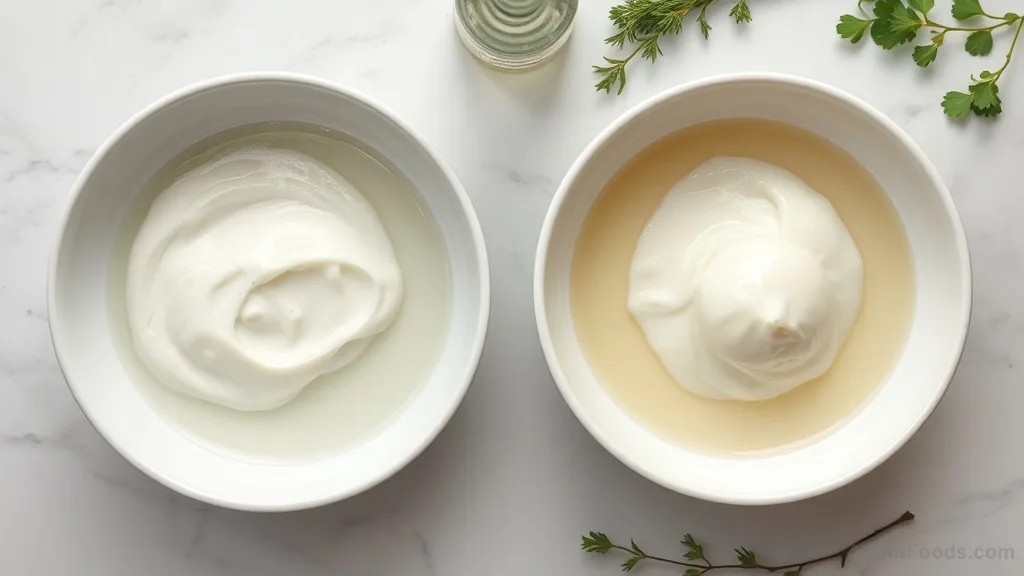
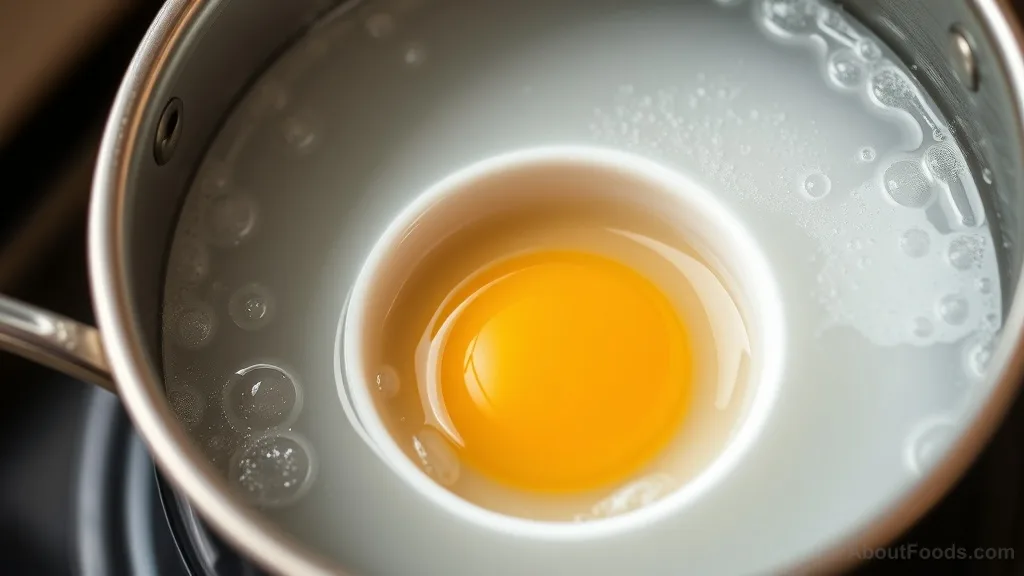
To see if vinegar makes a real difference, I set up a simple kitchen science test. I poached eggs in three different water conditions: plain water (pH ~7, neutral), water with a tablespoon of white vinegar per quart (pH ~4, acidic), and water with a splash of lemon juice (pH ~2-3, more acidic). I used fresh, cold eggs from the same carton, simmered the water gently at 180–190°F (just below boiling), and timed the poaching to 3 minutes for a runny yolk. Here’s what I observed, with a creamy dose of reality.
The results? Vinegar does help—a little. In the vinegar water, egg whites coagulated slightly faster, leading to less spread and a neater shape compared to plain water. But the difference wasn’t dramatic; it was more like a gentle nudge than a magic fix. With lemon juice, the effect was stronger, but at a cost: the eggs had a firmer, almost rubbery texture and a distinct acidic taste. For most home cooks, vinegar’s impact is subtle enough that you might not notice unless you’re side-by-side testing. The bigger takeaway? Fresh eggs and proper technique overshadow vinegar’s role. As I scribbled in my notes, 'El vinagre ayuda, pero no es el héroe'—vinegar helps, but it’s not the hero.
What Matters More Than Vinegar: Key Factors for Perfect Poaching
If vinegar isn’t the star player, what is? Based on my tests and years of indulgent cooking, here are the factors that truly make or break a poached egg. Think of this as your cheat sheet to poaching perfection—because science should be practical, not just pretty.
Notice that vinegar isn’t on this essential list? That’s because its effect is secondary. In my tests, using a fresh egg in properly simmering water yielded a decent poach even without vinegar. The vinegar just gave it a slight edge in neatness. For home cooks, focus on these basics first—they’re the foundation of good poaching. And if you want to add vinegar, go ahead, but don’t rely on it as a crutch. As we say in my kitchen, 'Confía en el proceso, no en el truco'—trust the process, not the trick.
Common Mistakes and How to Avoid Them
Even with the best intentions, poaching eggs can go awry. Let’s bust a few more myths and address common pitfalls. I’ve seen these in home kitchens and my own experiments—and they’re often where the real magic (or mess) happens.
- Using boiling water: This creates turbulence that tears the egg white apart. Always aim for a gentle simmer with small bubbles.
- Overloading the pot: Poaching too many eggs at once lowers the water temperature and causes them to stick together. Stick to 2-3 eggs per quart of water.
- Skipping the bowl: Cracking the egg directly into the water increases the risk of shell fragments and uneven entry. Use a small bowl or ramekin for control.
- Overcooking for firmness: Poaching beyond 3-4 minutes leads to a hard yolk. For runny yolks, pull the egg at 3 minutes and let residual heat do the rest.
- Relying solely on vinegar: As we’ve seen, vinegar helps marginally, but it won’t fix bad technique or old eggs.
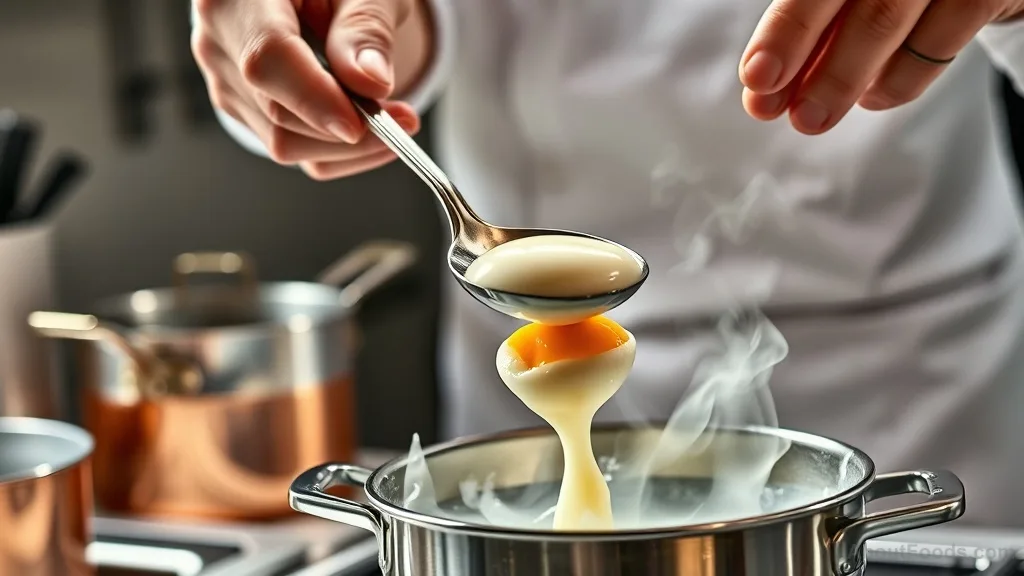
One pro tip I love: create a gentle whirlpool in the water before adding the egg. This helps the white wrap around itself, forming a neater shape. It’s a technique borrowed from professional kitchens, and it works wonders—better than any vinegar splash. Remember, poaching is about finesse, not force. Embrace the slow simmer, and your eggs will reward you with creamy, dreamy perfection.
Practical Takeaways: To Vinegar or Not to Vinegar?
So, after all this science and testing, should you add vinegar to your poaching water? Here’s my indulgent, unapologetic take. If you’re a perfectionist or cooking for a crowd where every egg needs to look impeccable, a tablespoon of vinegar per quart of water can give you a slight advantage—tighter whites, less spread. It’s a small boost, especially if your eggs aren’t the freshest. But for everyday poaching, it’s optional. The tang is minimal (especially with white vinegar), so it won’t ruin the flavor.
More importantly, don’t let vinegar distract you from the fundamentals. Prioritize fresh eggs, simmering water, and gentle handling. These are the true heroes of poaching. If you forget the vinegar, your eggs will still be delicious—maybe with a few charming wisps, but that’s part of the homemade charm. In my kitchen, I sometimes add a splash for tradition’s sake, but I never stress over it. As my abuela taught me, cooking is about joy, not just precision.
FAQs: Your Poaching Questions Answered
How much vinegar should I use for poaching eggs?
A common ratio is 1 tablespoon of white vinegar per quart (about 4 cups) of water. This lowers the pH enough to speed coagulation slightly without overpowering flavor. More isn’t better—it can make eggs rubbery or tangy.
Does the type of vinegar matter?
White vinegar is preferred because it’s mild and clear, minimizing flavor impact. Apple cider or wine vinegars can add subtle tastes, which might complement dishes like salads. Avoid strong vinegars like balsamic, as they can discolor the egg.
Can I poach eggs without any acid?
Absolutely. Many cooks poach eggs in plain water with excellent results. Fresh eggs and proper technique are more critical. If your eggs are fresh and you simmer gently, you’ll get a good poach without vinegar.
Why do some recipes also add salt?
Salt raises the water’s boiling point slightly and can help coagulation, but its effect is minor. It’s mostly for seasoning. If using, add a teaspoon per quart, but it’s optional.
How do I store poached eggs for later?
Poach eggs as usual, then plunge them into ice water to stop cooking. Store in cold water in the fridge for up to 2 days. Reheat gently in warm water for a minute before serving.
What’s the best way to poach multiple eggs at once?
Use a large pot with plenty of water, and poach in batches of 2-3 eggs to maintain temperature. Keep cooked eggs in warm water (not simmering) while you finish the rest. Avoid crowding, which causes sticking.
Conclusion: The Creamy Truth About Poaching
After our water chemistry deep dive, here’s the bottom line: adding vinegar to poaching water does help—but only a little. It’s a subtle assist, not a magic bullet. The real secrets to perfect poached eggs lie in fresh ingredients, controlled heat, and gentle hands. This myth is half-true: vinegar works on a scientific level, but in practice, its impact is often overshadowed by other factors.
As Camila, with my Mexican roots and love for indulgent food, I say embrace the science, but don’t let it stifle your creativity. Poach with or without vinegar, but always with care and joy. Whether you’re topping avocado toast or enriching a bowl of pozole, a well-poached egg is a creamy delight worth mastering. So next time you’re at the stove, remember: trust the simmer, cherish the fresh egg, and if you add that splash of vinegar, do it with a smile—because cooking, like life, is best when it’s both precise and passionately human. ¡Buen provecho!
Rate this article
4.1 out of 5 from 7 ratings

Written by
Camila Navarro
Specialises in Mexican cuisineCamila Navarro makes elote that is 50% mayo, 50% cheese, and 100% addictive. She has a cholesterol warning on her menu.
Describe yourself in three words: Indulgent, unapologetic, creamy.