Myth Busting
Does Alcohol Really 'Cook Off' Completely? The Surprising Numbers Every Cook Should Know
Many home cooks assume that simmering a dish with wine or spirits evaporates all the alcohol, but the science tells a different story. This myth-busting article reveals how much alcohol actually remains after cooking and why it matters for flavour and safety.
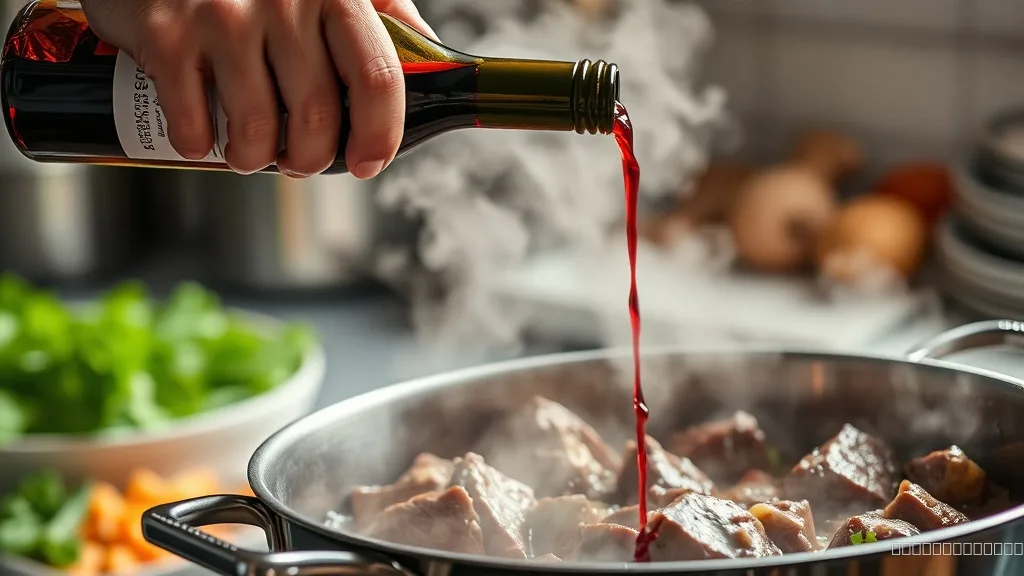
Introduction: The Gravy Boat of Truth
Now then, as a Yorkshire lad who’s spent more time by a stove than a pub—though I’ve had my share of both—I’ve heard this one whispered in kitchens from Leeds to London: “Don’t worry, love, the alcohol cooks right off.” It’s a comforting thought, isn’t it? You splash a glug of red into your bolognese or a tot of brandy into your Christmas pud, simmer it away, and poof—no more booze, just flavour. But here’s the rub: science, like a stubborn Sunday roast, takes its time to reveal the truth. In this article, we’ll dig into the surprising numbers behind alcohol evaporation, bust a few myths along the way, and help you cook with confidence, whether you’re avoiding alcohol for health, religion, or just plain preference. So, pull up a chair, and let’s get to the bottom of that simmering pot.
The Science of Evaporation: Why Alcohol Doesn’t Just Vanish
First off, let’s talk evaporation. Alcohol, specifically ethanol, has a lower boiling point than water—around 78°C (172°F) compared to water’s 100°C (212°F). That means in a hot pan, alcohol will start to turn to vapour before water does. But here’s the kicker: it doesn’t all disappear in a flash. In a simmering dish, alcohol evaporates gradually as heat breaks its bonds, but it mixes with other liquids and ingredients, slowing the process. Think of it like steam rising from a Yorkshire pudding: some escapes quickly, but a fair bit lingers in the nooks and crannies. Studies from the U.S. Department of Agriculture show that even after hours of cooking, a significant percentage can remain, depending on how you cook it. It’s not magic; it’s simple physics and chemistry, and understanding this helps you make better choices in the kitchen.
- Ethanol boils at 78°C, but evaporation rates depend on surface area, heat, and other liquids.
- In a mixed dish, alcohol interacts with fats, sugars, and proteins, which can trap it.
- Longer cooking reduces alcohol content, but rarely to zero—contrary to popular belief.
The Numbers: How Much Alcohol Actually Stays in Your Food
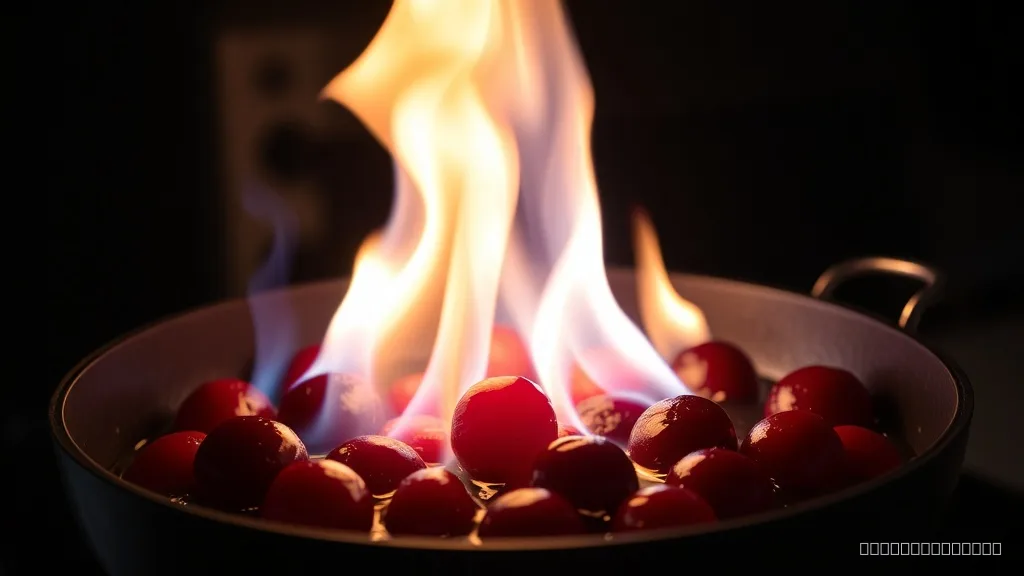
Right, let’s get down to brass tacks—or should I say, measuring cups. Research, including work by the USDA, gives us hard numbers on alcohol retention after cooking. These figures might surprise you, especially if you’ve been told it all burns off. For example, flambéing, where you set spirits alight, only removes about 25% of the alcohol if done briefly. Simmering a sauce for 15 minutes leaves around 40%, and even after 2.5 hours, you might still have 5% of the original amount. Here’s a table to lay it out clearly, based on typical home-cooking conditions:.
| Cooking Method | Time | Approximate Alcohol Retained |
|---|---|---|
| Added to boiling liquid and removed from heat | Immediate | 85% |
| Flambéed (briefly ignited) | Few seconds | 75% |
| Simmered or baked | 15 minutes | 40% |
| Simmered or baked | 30 minutes | 35% |
| Simmered or baked | 1 hour | 25% |
| Simmered or baked | 1.5 hours | 20% |
These numbers are averages—actual retention can vary with factors like pan size, heat level, and ingredients. But the takeaway is clear: unless you’re cooking for hours, a fair bit of alcohol sticks around. That’s worth knowing if you’re serving kids, avoiding alcohol for health reasons, or just curious about what’s in your gravy.
Factors That Affect Alcohol Retention: More Than Just Time
Now, don’t go thinking it’s all about clock-watching. Several factors influence how much alcohol cooks off, and understanding these can help you control the outcome. Heat is a big one: higher temperatures speed evaporation, but if you crank it too high, you might burn other ingredients. Surface area matters too—a wide, shallow pan lets alcohol escape faster than a deep pot. Then there’s the dish itself: alcohol binds with fats and sugars, so in a creamy sauce or a sweet dessert, it might hang on longer. Even the type of alcohol plays a role; spirits like vodka have higher ethanol content than wine or beer, so they leave more behind if not cooked properly. Here’s a quick cheat sheet to keep in your apron pocket:.
Common Myths and Mistakes in the Kitchen
Let’s bust a few myths, shall we? I’ve heard ’em all in my time, from well-meaning cooks who swear by old wives’ tales. Myth one: “If you can’t smell it, it’s gone.” Not true—alcohol can be present without a strong aroma, especially in complex dishes. Myth two: “Boiling removes all alcohol.” As we’ve seen, boiling helps, but it’s a gradual process; even at a rolling boil, some ethanol lingers. Myth three: “Flambeing burns it all off.” In reality, brief flambéing removes only a portion, as the flames consume some alcohol but leave much behind unless sustained. Common mistakes include adding alcohol late in cooking and assuming short simmers are enough. For instance, splashing wine into a sauce just before serving means most of it stays put. My advice? Plan ahead—add alcohol early if you want it to cook down, and always consider your audience’s needs.
- Myth: No smell means no alcohol—false, as odour isn’t a reliable indicator.
- Mistake: Adding alcohol at the end of cooking, resulting in high retention.
- Myth: All alcohol evaporates quickly—science shows it’s a slow process.
- Mistake: Assuming flambéing eliminates all alcohol without prolonged heat.
Practical Tips for Cooking with Alcohol
Right, enough theory—let’s get practical. How can you use this knowledge to cook better? First, if you’re aiming to minimise alcohol, add it early in the process and simmer for at least an hour or two. For example, in a stew, pour in your ale at the start and let it bubble away. Second, consider alternatives: non-alcoholic wines or vinegars can mimic acidity without the booze, or use stocks and juices for depth. Third, be mindful of portion sizes—a dish with residual alcohol might have less per serving, but it adds up if you’re sensitive. And don’t forget flavour: alcohol isn’t just about kick; it carries aromas and enhances other ingredients. So, if you’re cooking for flavour, a bit left behind can be a good thing, adding complexity to sauces and desserts. Here’s a quick reference for common scenarios:.
FAQ: Your Burning Questions Answered
Can I get drunk from eating food cooked with alcohol?
Unlikely in normal servings, as the amount per portion is small—but trace amounts can affect those avoiding alcohol for health or religious reasons. For example, a sauce with 5% retained alcohol might have minimal impact, but it’s not zero.
Does alcohol content reduce if I cook with a lid on or off?
Lid off promotes evaporation by letting vapour escape; lid on traps it, potentially slowing alcohol loss. For maximum reduction, cook uncovered with steady heat.
Are there dishes where alcohol never cooks off completely?
Yes, in dishes like tiramisu or some desserts where alcohol is added raw or lightly cooked, nearly all of it remains. Always check recipes if you’re concerned.
How can I test if alcohol is still in my food?
Home tests aren’t reliable; trust the science and cooking times instead. If unsure, assume some remains based on the methods discussed.
Is it safe for children to eat food cooked with alcohol?
Generally, long-cooked dishes with minimal retention are considered safe in moderation, but consult guidelines or avoid if preferred. For example, a stew simmered for hours poses low risk.
Conclusion: A Toast to Informed Cooking
So there you have it—the surprising truth about alcohol in cooking, served up with a side of Yorkshire pragmatism. It doesn’t all cook off, but that’s not necessarily a bad thing; it’s all about knowing the numbers and using them to your advantage. Whether you’re crafting a rich gravy or a delicate sauce, understanding evaporation helps you balance flavour and safety. Remember, good cooking isn’t about blind faith in myths; it’s about grounding your techniques in science, much like a well-risen Yorkshire pudding relies on heat and timing. Next time you reach for that bottle, you’ll do so with eyes wide open, making choices that suit your kitchen and your guests. Now, if you’ll excuse me, I’ve a pot on the stove that needs tending—with a careful measure of ale, of course. Cheers to better cooking!
Rate this article
4 out of 5 from 9 ratings

Written by
Oliver Whitmore
Specialises in British cuisineOliver makes Sunday roast with Yorkshire puddings the size of your face. He says 'gravy is a beverage'.
Describe yourself in three words: Roasty, gravy boat, Yorkshire pride.