Myth Busting
Does Cooking in a Cast Iron Pan Actually Increase Iron in Your Food?
Many home cooks believe that using a cast iron skillet can significantly boost the iron content of meals. We examine the science behind iron transfer, how much actually leaches into food, and whether this makes a meaningful difference in your diet.
The Enduring Myth of the Iron-Rich Skillet
In my grandmother's kitchen in Hanoi, the blackened cast iron wok was more than just cookware—it was heirloom, companion, and supposed health tonic all in one. She would whisper, as she stirred caramelizing shallots, that this pan was putting strength in our bones. This belief has traveled across oceans: that cooking in cast iron significantly increases the iron content of food, offering a simple solution for those concerned about deficiency. As someone who grew up with the scent of star anise clinging to everything, including my mother's apron, I understand the comfort of kitchen wisdom. But as a food scientist, I must ask: does the evidence support this cherished idea?
The notion isn't entirely without basis. Cast iron is, after all, made primarily of iron. When food, especially acidic food, comes into contact with it, some of that iron can dissolve into the meal. This process, called leaching, does happen. But the crucial questions are: how much iron actually transfers, and does it matter for your nutritional needs? Let's move beyond anecdote and examine what research tells us.
How Iron Leaches from Pan to Plate
Iron doesn't magically jump from your skillet into your spaghetti sauce. The transfer follows basic principles of chemistry. Cast iron isn't pure elemental iron—it's an alloy that also contains carbon and silicon. The surface of a well-seasoned pan is coated with polymerized fats that create a relatively non-stick barrier. But this barrier isn't perfect, especially when cooking certain types of foods.
- Acidity is the primary driver: Foods with low pH (high acidity) like tomatoes, citrus, vinegar-based sauces, and wine can dissolve iron from the pan's surface. The hydrogen ions in acidic solutions react with the iron, forming iron ions that migrate into the food.
- Moisture matters: Water-based cooking methods (simmering, boiling, braising) allow more contact between the food and pan surface than dry methods like searing.
- Cooking time plays a role: The longer food cooks in contact with the iron, the more opportunity for leaching to occur.
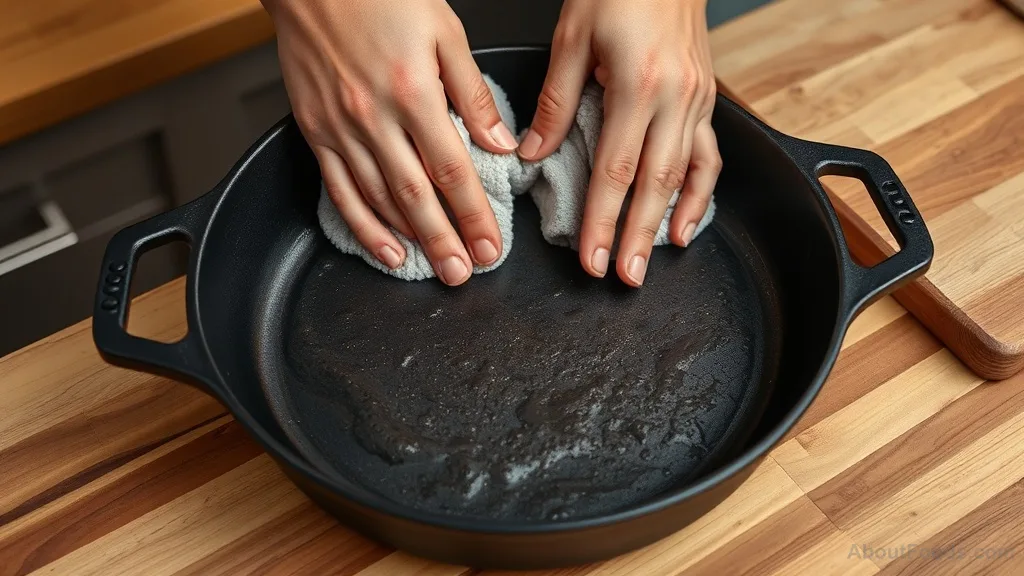
- The pan's condition affects transfer: A newly seasoned or poorly maintained pan may leach more iron than one with a well-developed patina.
Think of it like steeping tea: the strength of the brew depends on the tea leaves (the pan), the water temperature and acidity (the food), and the steeping time (cooking duration).
How Much Iron Actually Transfers? The Numbers
Research provides concrete numbers that help us move beyond speculation. Multiple studies have measured iron content in foods before and after cooking in cast iron. The results show that leaching does occur, but the amounts vary dramatically based on what you're cooking and how you're cooking it.
| Food | Cooking Method | Iron Increase | Notes |
|---|---|---|---|
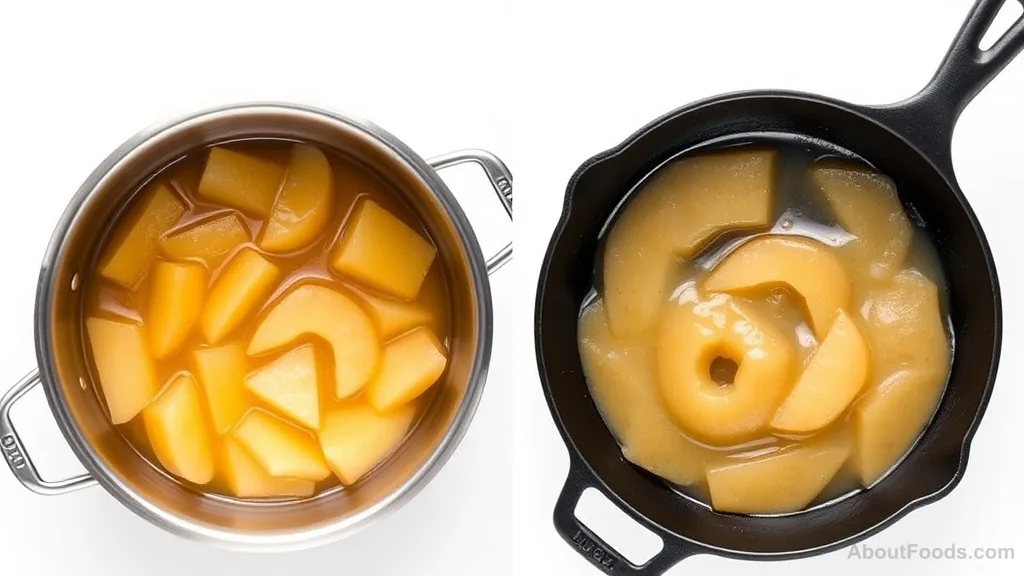
| Apple sauce | Simmered 30 minutes | 2-5 mg per 100g | Acidic fruit causes significant leaching |
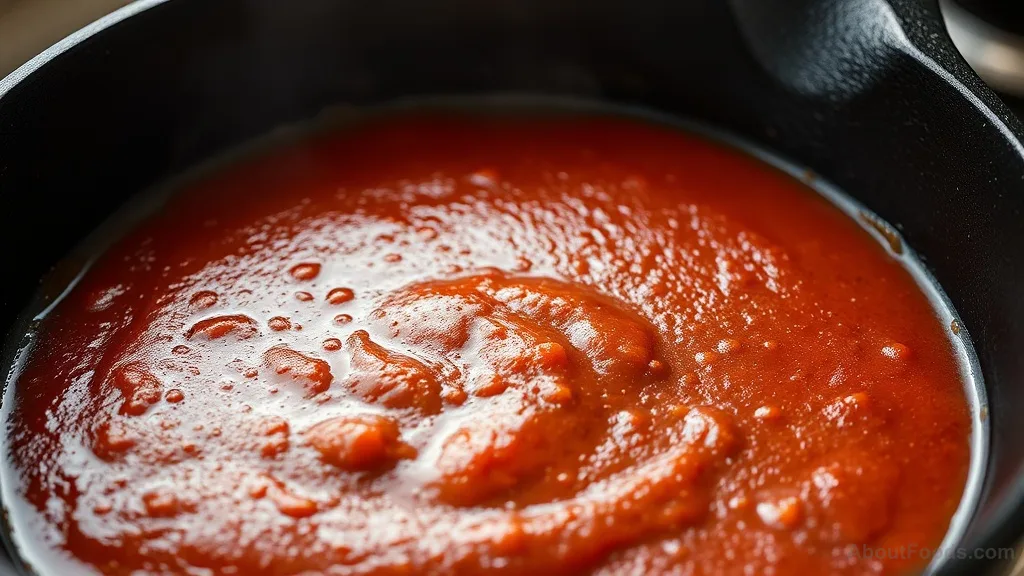
| Spaghetti sauce | Simmered 3 hours | 1-3 mg per 100g | Tomato acidity draws iron steadily |
| Ground beef | Pan-fried 10 minutes | 0.5-1 mg per 100g | Minimal transfer with quick, dry cooking |
| Rice | Boiled 20 minutes | 0.2-0.5 mg per 100g | Neutral pH limits transfer |
| Scrambled eggs | Cooked 5 minutes | Negligible | Fat creates barrier, short cooking time |
For context, the Recommended Dietary Allowance (RDA) for iron is 8 mg daily for adult men and postmenopausal women, and 18 mg for premenopausal women. A serving of spaghetti sauce cooked for hours in cast iron might contribute 2-4 mg of iron—not insignificant, but also not a magic bullet. Compare this to a 3-ounce serving of beef (about 2-3 mg of heme iron) or a cup of cooked lentils (about 6-7 mg of non-heme iron).
The Bioavailability Question: Can Your Body Use It?
Here's where the story gets more complicated. Not all iron is created equal in terms of how well our bodies can absorb and use it. The iron that leaches from cookware is non-heme iron—the same type found in plant foods like beans, spinach, and fortified cereals. Non-heme iron is generally less bioavailable than heme iron from animal sources.
The iron from your cast iron pan faces the same absorption challenges as iron from lentils or spinach. Its bioavailability depends on what else you're eating with it. Vitamin C-rich foods (like bell peppers or citrus) can enhance non-heme iron absorption, while calcium, tannins (in tea and coffee), and phytates (in whole grains and legumes) can inhibit it.
So even if your tomato sauce picks up 3 mg of iron from the pan, your body might only absorb 0.3-0.6 mg of it. This doesn't mean the iron is worthless—every bit helps—but it does mean we should temper our expectations about cast iron as a major iron source.
Practical Implications for Home Cooks
As someone who still uses my grandmother's skillet, I don't want to dismiss cast iron's potential benefits entirely. Rather, I want to help you use this knowledge practically in your kitchen. Here's what matters most for everyday cooking:.
Remember that cast iron's greatest culinary benefits remain its excellent heat retention and ability to develop beautiful fond and sear—not necessarily its nutritional contributions. Use it for those reasons first, and consider any iron boost as a potential bonus rather than a primary purpose.
Common Misconceptions and What to Believe
In my quiet moments in the kitchen, I find that the simplest truths are often surrounded by the loudest myths. Let's address some common beliefs about cast iron and iron content:.
The truth, as often happens in food science, lies in the nuanced middle ground. Cast iron can contribute to your iron intake, particularly if you regularly cook acidic dishes in it for extended periods. But it's not a reliable or substantial source compared to dietary choices like including iron-rich foods in your meals.
Frequently Asked Questions
Can cooking in cast iron help with iron deficiency anemia?
It can contribute to dietary iron intake, particularly if you cook acidic foods like tomato sauce regularly. However, it shouldn't replace medical treatment or dietary changes focused on iron-rich foods. The amount transferred is inconsistent and relatively small compared to therapeutic needs for anemia.
Does the iron from cast iron cookware taste metallic?
Sometimes, especially with highly acidic foods cooked for long periods. If you notice a strong metallic taste, try cooking the food for less time, using a better-seasoned pan, or choosing less acidic ingredients. A slight metallic note is normal and indicates iron transfer is occurring.
How does cast iron compare to iron supplements?
They're fundamentally different. Supplements provide precise, concentrated doses of iron (often 18-65 mg per pill). Cast iron leaching might add 1-5 mg to a serving of food, with variable absorption. Supplements are pharmaceutical products; cast iron is a cooking tool that may have a minor nutritional side benefit.
Should I avoid cast iron if I get too much iron?
For most people, this isn't a concern. The amounts from cookware are small. However, individuals with hemochromatosis (a condition causing iron overload) might want to minimize acidic cooking in cast iron or use well-seasoned pans to reduce leaching. Consult your doctor for personalized advice.
What's the best way to maximize iron from cast iron?
Cook acidic foods (tomatoes, citrus, vinegar-based dishes) for at least 30 minutes. Pair these meals with vitamin C sources (bell peppers, broccoli, citrus) to enhance iron absorption. Use newer or less-seasoned pans for these dishes, as they may transfer slightly more iron than heavily patinaed ones.
Does enameled cast iron also leach iron?
No, enameled cast iron has a glass-like coating that prevents direct contact between food and iron. It won't contribute iron to your food, though it shares the heat retention benefits of traditional cast iron.
Rate this article
4.6 out of 5 from 14 ratings

Written by
Linh Nguyen
Specialises in Vietnamese cuisineLinh makes pho that takes 12 hours. She says the secret is charring the ginger and onion until they weep.
Describe yourself in three words: Quiet, devoted, smells of star anise.