Myth Busting
The Overnight Cookie Dough Rest: Baking Myth or Texture Miracle?
Many bakers swear by chilling cookie dough overnight for better texture, but does it actually work? We explore the science behind flour hydration, gluten development, and flavor diffusion to separate fact from kitchen folklore. Discover when resting dough truly matters and when it's just extra waiting time.
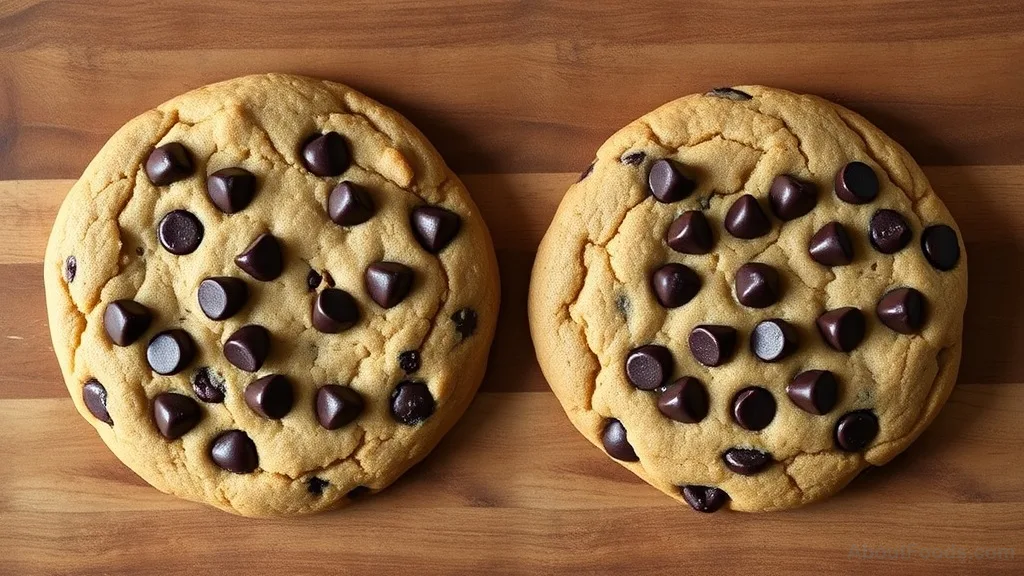

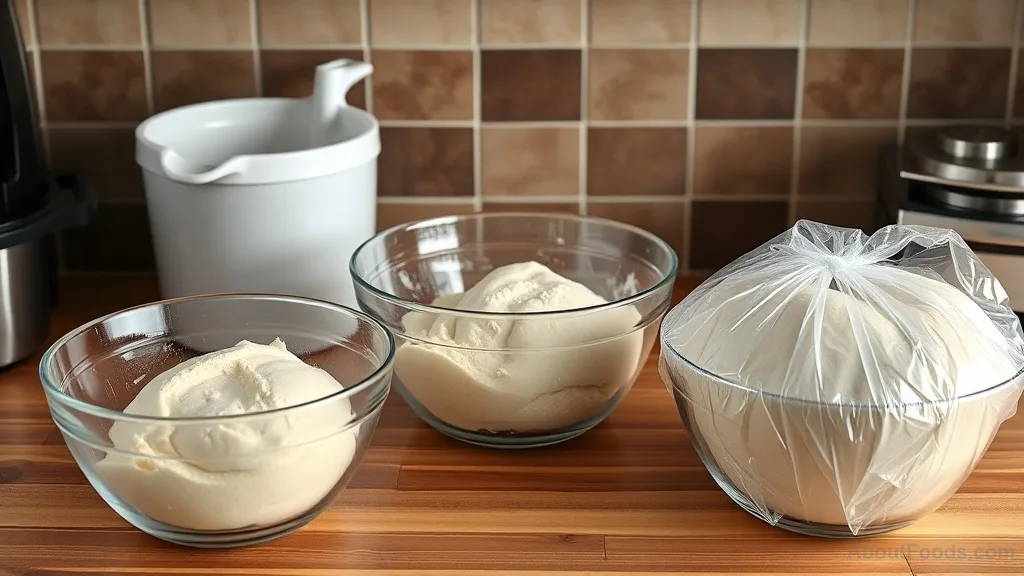
The Great Cookie Debate: To Rest or Not to Rest?
Hello, my dear baking friends! Nino here, coming to you with flour on my apron and love in my heart. In Georgia, we know that good things take time—our khachapuri doesn't rush, our churchkhela dries slowly in the sun. But when it comes to cookie dough, the internet is divided. Some bakers swear by chilling dough overnight, claiming it creates magical texture. Others say it's just another kitchen myth. Today, we're going to hug this question tightly and look at what actually happens when dough rests. We'll separate the scientific truth from the baking folklore, so you can make the best cookies without unnecessary waiting!
What Actually Happens When Dough Rests?
When you mix cookie dough, you're creating a complex system of flour, fat, sugar, and liquid. The resting period—whether 30 minutes or overnight—allows several processes to occur. First, hydration: flour particles absorb moisture from eggs, butter, and any other liquids. This happens relatively quickly—within 30 minutes to an hour for most cookie doughs. Second, gluten development slows as the dough chills, which is why rested dough often spreads less. Third, flavors meld and mature as ingredients have time to interact. But here's the important question: do these processes continue improving after the first few hours?
- Flour hydration completes in 30-60 minutes for most recipes
- Butter solidifies when chilled, controlling spread during baking
- Enzymes in flour break down starches into simpler sugars
- Flavors from vanilla, spices, and brown butter distribute more evenly
The Texture Transformation: Science vs. Expectation
Let me tell you something with my whole Georgian heart: texture matters! A good cookie should have the right balance of crisp edges and chewy centers. The myth suggests that overnight resting creates superior texture through some mysterious alchemy. The reality is more nuanced. Yes, resting affects texture, but not always in the dramatic ways promised by viral recipes. The primary texture improvements come from: 1) controlled spread (from chilled butter), 2) more even baking (from thorough hydration), and 3) better browning (from enzyme activity creating more surface sugars). Most of these benefits plateau after 2-4 hours of chilling for standard cookie doughs.
When Overnight Resting Actually Matters
Now, don't think I'm saying resting is useless! There are specific situations where overnight chilling makes a real difference. First, doughs with brown butter benefit tremendously from extended resting. The complex flavors from browned milk solids need time to distribute and mellow. Second, doughs with whole grains or alternative flours often benefit from longer hydration times. Third, if you're making slice-and-bake cookies, the dough needs to be firm enough to slice cleanly, which usually requires several hours of chilling. But for your standard chocolate chip cookie? The difference between 2 hours and 12 hours is subtle at best.
Common Mistakes and How to Avoid Them
Oh, my dear bakers, I've seen so many cookie tragedies! The biggest mistake is assuming overnight resting will fix poor technique or imbalanced recipes. No amount of resting will save dough with too much baking soda or improperly creamed butter and sugar. Another common error: not covering the dough properly, leading to dried-out edges. And please, for the love of good cookies, don't let dough rest at room temperature overnight—this is a food safety risk with eggs in the dough. Here's what actually works:.
- Cover dough tightly with plastic wrap directly on the surface
- Chill in the refrigerator, not at room temperature
- Portion dough before chilling for easier baking later
- Let chilled dough warm slightly before baking for more even results
- Adjust baking time—chilled dough may need an extra minute or two
Practical Takeaways for Home Bakers
So what should you actually do? Here's my advice, straight from my Georgian kitchen to yours: For most cookie recipes, aim for 2-4 hours of chilling. This gives you the texture benefits without the unnecessary wait. If you're making brown butter cookies or need sliceable dough, overnight is worthwhile. Always portion your dough before chilling—it makes baking so much easier! And remember: cookie dough freezes beautifully for up to 3 months, so make a big batch and bake cookies whenever the craving strikes. The real secret to great cookies isn't magical overnight resting—it's understanding how ingredients work together and baking with attention and love.
| Dough Type | Minimum Rest | Optimal Rest | Maximum Rest |
|---|---|---|---|
| Standard Chocolate Chip | 30 minutes | 2-4 hours | 48 hours |
| Brown Butter Cookies | 2 hours | 12-24 hours | 72 hours |
| Gingerbread/Slice-and-Bake | 2 hours | 4-8 hours | 1 week |
| Oatmeal Cookies | 1 hour | 2-3 hours | 24 hours |
| Shortbread | 1 hour | 2 hours | 48 hours |
Cookie Science FAQ
Does resting cookie dough overnight make it chewier?
Not necessarily. Chewiness comes from specific ingredient ratios (more brown sugar, eggs, and sometimes bread flour). Resting can help develop chew if the dough has the right ingredients, but it won't create chewiness that isn't already possible with the recipe.
Can I rest cookie dough too long?
Yes, especially for doughs with baking soda or baking powder. These leaveners can lose potency over time, resulting in flatter cookies. Most doughs are best used within 24-48 hours, though flavor may continue developing.
Why do some recipes insist on overnight resting?
Sometimes it's genuine (for flavor development in brown butter cookies), sometimes it's practical (allowing you to make dough ahead), and sometimes it's just following tradition without scientific backing. Always consider the specific recipe and ingredients.
Does resting affect all cookies equally?
No. Thin, crisp cookies benefit less from extended resting than thick, chewy cookies. Doughs with more liquid (like some oatmeal cookies) benefit more from hydration time than dry doughs (like shortbread).
What's the biggest benefit of overnight resting?
Flavor development, especially in recipes with brown butter, spices, or complex flavor profiles. Texture benefits are usually maximized within a few hours, but flavors continue to meld and improve for 24-48 hours.
Can I skip resting if I'm in a hurry?
Yes, but expect more spread and potentially less even baking. For emergency cookies, chill the dough in the freezer for 15-20 minutes while you preheat the oven—this helps control spread more than skipping chilling entirely.
Rate this article
4.6 out of 5 from 14 ratings

Written by
Nino Beridze
Specialises in Georgian cuisineNino makes khachapuri that oozes cheese like a volcano. She says the secret is loving the dough like a child.
Describe yourself in three words: Loving, loud, huggy.