Myth Busting
Punching Down Dough: Gluten Development or Culinary Catharsis?
We explore whether the dramatic act of punching down dough actually develops gluten or just releases frustration. The truth involves fermentation, gluten structure, and why this technique matters more for flavor than texture.
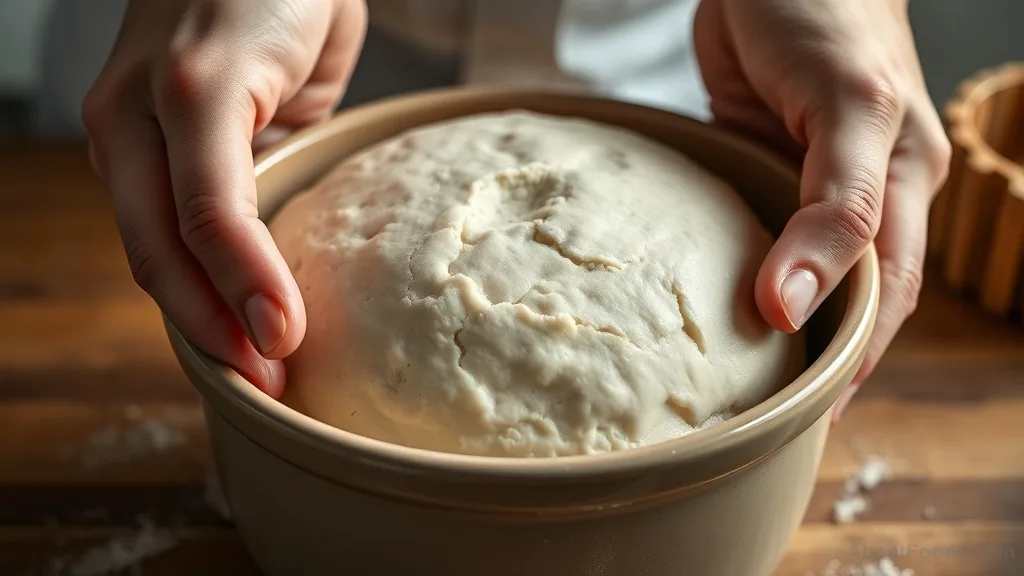
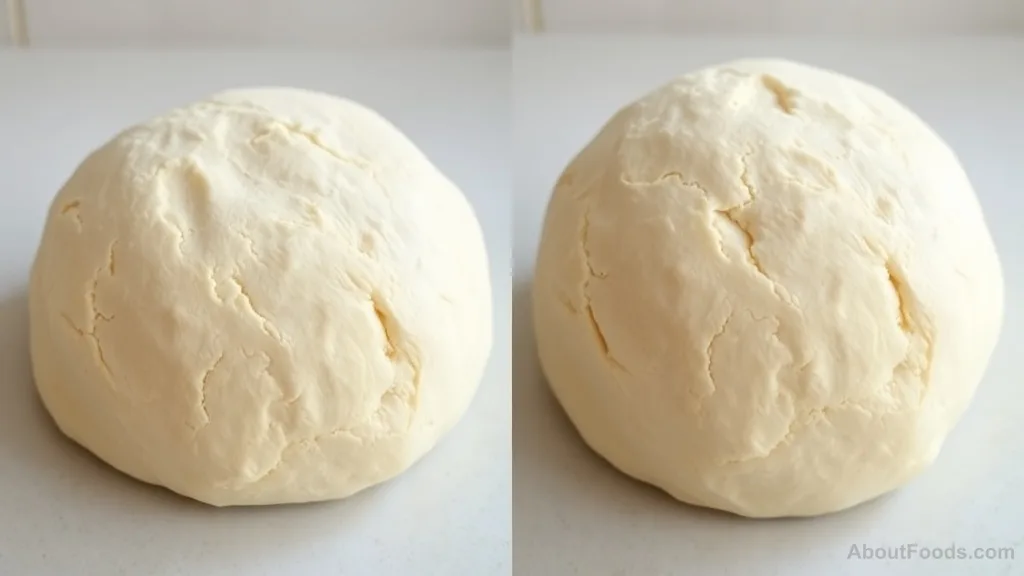
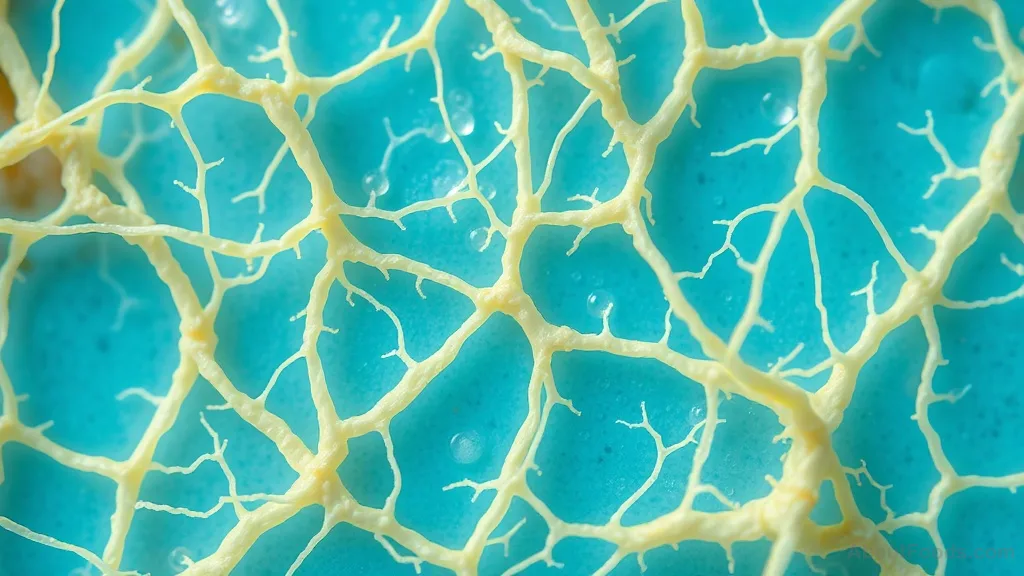
The Punch Heard 'Round the Kitchen
Let me tell you something, mi gente - there's nothing quite as satisfying as taking your frustrations out on a bowl of risen dough. That dramatic fist to the center, watching the puff collapse like a deflated ego. It feels primal, cathartic, like you're teaching that dough who's boss. But here's the real tea: that punch isn't about dominance. It's not even really about developing gluten, despite what your abuela might have told you. As a fusion queen who's spent more hours with dough than I care to admit, I'm here to separate the baking science from the baking drama. The truth? Punching down is about fermentation management, not gluten development. And understanding this distinction will transform your bread from good to '¿Dónde compraste esto?'.
What Actually Happens When You Punch
First, let's get literal. When you 'punch down' dough (and honestly, we should call it 'gently pressing down' because violence has no place in my kitchen), you're accomplishing three main things:.
- Releasing built-up carbon dioxide (the gas produced by yeast fermentation)
- Redistributing yeast and food particles (yeast, sugars, moisture)
- Equalizing temperature throughout the dough mass
That satisfying collapse? That's CO₂ escaping. Those tiny popping sounds? Air bubbles bursting. The dough isn't being 'punished' - it's being reset for another round of fermentation. Think of it like restarting a marathon runner with fresh oxygen rather than building their muscles mid-race.
The Gluten Truth: Developed, Not Released
Here's where we bust the biggest myth: punching down doesn't 'release' gluten. Gluten isn't tension that needs venting - it's a protein network that forms when glutenin and gliadin (proteins in wheat flour) combine with water and mechanical action. That network develops during kneading, not during punching. What actually happens to gluten during the punch-down process?
The real magic happens during the initial kneading and mixing. By the time you're punching, the gluten structure is already established. You're not building it - you're working with what you've already created.
Why We Do It Anyway: The Fermentation Factor
If punching doesn't develop gluten, why bother? Because fermentation management is everything in bread making. Yeast is a living organism that eats sugars and produces CO₂ and alcohol. Without punching down:.
- CO₂ builds up to toxic levels for the yeast (yes, yeast can suffocate in its own waste)
- The dough becomes over-proofed and collapses during baking
- Alcohol concentration rises too high, creating off-flavors
- Temperature differentials create uneven fermentation
Punching down resets the fermentation clock. It gives yeast access to fresh food, removes waste products, and prepares the dough for its final rise. This is particularly crucial in enriched doughs (like brioche or pan dulce) where sugars and fats can slow fermentation unevenly.
The Art of Gentle Handling: Better Than Punching
Now let's talk technique. The term 'punching' does a disservice to what should be a gentle process. Here's how I handle my doughs - whether I'm making Filipino pandesal or Mexican bolillos:.
The goal isn't violence - it's even degassing. Think of it as burping a baby rather than performing CPR. Too aggressive, and you'll damage the delicate gluten structure you worked so hard to create.
When to Skip the Punch Entirely
Not all doughs need punching. In fact, some breads are better without it. Here's when to leave your fists out of the equation:.
- No-knead breads: These rely on long, slow fermentation and gentle handling
- Ciabatta and similar open-crumb breads: You want those big, irregular holes
- Sourdough with long cold ferments: The slow process naturally regulates gas
- Laminated doughs (croissants, puff pastry): You'll destroy the delicate layers
For these styles, gentle folding during bulk fermentation achieves the same goals without compromising structure. Remember: different doughs, different needs. A one-size-fits-all approach leads to sad, dense bread.
Practical Takeaways for Better Bread
Let's bring this science to your kitchen. Here are my fusion-tested rules for dough handling:.
FAQs: Your Dough Questions Answered
Does punching down make bread softer?
Indirectly, yes. By managing fermentation properly, you prevent over-proofing which can lead to dense bread. But the punch itself doesn't soften gluten - proper kneading and hydration do that.
What if I forget to punch down my dough?
Your bread will likely over-proof, resulting in a collapse during baking or large tunnels near the crust. The flavor might be overly alcoholic or sour. If you catch it early, gently degas and give it a shorter second rise.
Can I punch down dough more than once?
Yes, for some recipes (like three-rise sandwich breads). Each punch resets fermentation. But with each handling, you risk damaging gluten. Usually 1-2 times is optimal.
Does punching affect whole wheat vs white flour differently?
Absolutely. Whole wheat flour has more bran particles that cut gluten strands. Handle whole wheat dough even more gently, and consider a fold method rather than pressing.
Is there any benefit to the 'anger release' aspect?
Psychologically, maybe. But physically? No. In fact, stressed bakers often over-handle dough. Bake when calm, handle with intention, and save the catharsis for something that won't affect your dinner.
Rate this article
4.1 out of 5 from 7 ratings

Written by
Isla Mendoza
Specialises in Latin Asian cuisineIsla grew up in Lima with a Chinese grandmother and a Peruvian father. She puts soy sauce on ceviche and gets away with it.
Describe yourself in three words: Bold, experimental, unapologetic fusion queen.