Myth Busting
The Cold Truth: Does Refrigerating Dough Actually Develop Flavor, or Just Delay It?
Many bakers swear by chilling dough to improve flavor, but is this kitchen wisdom scientifically sound? We examine the biochemical processes that occur during cold fermentation to separate fact from fiction. Learn how temperature affects yeast, enzymes, and gluten to make better bread, pizza, and pastry.
The Great Refrigerator Debate: Flavor Development or Just Procrastination?
If you've spent any time in baking circles—whether following my grandmother's roti recipes or geeking out over sourdough starters—you've heard the advice: 'Let the dough rest in the fridge overnight.' It's presented as a magical step that transforms ordinary dough into something extraordinary. But as someone who approaches the kitchen with both a scientist's curiosity and a cook's practicality, I've always wondered: Are we actually developing more flavor, or are we just giving ourselves permission to delay baking until tomorrow? The answer, like most things in food science, is more nuanced than a simple yes or no. Let's knead through the evidence together.
What Actually Happens When Dough Gets Chilly
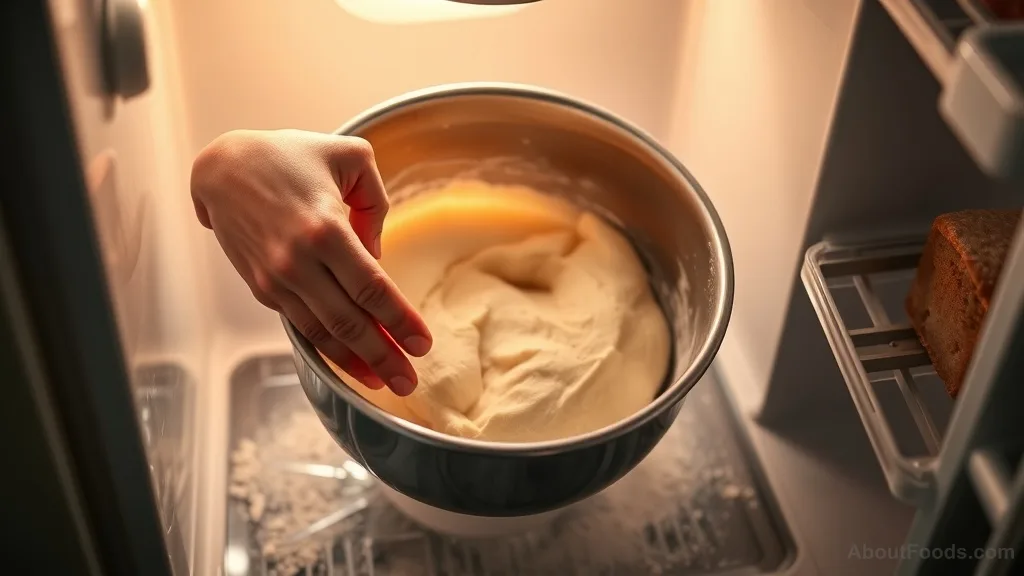
When you move dough from your warm kitchen counter (typically 20-25°C/68-77°F) to your refrigerator (typically 3-5°C/37-41°F), you're not hitting pause on fermentation—you're changing the channel. Yeast, those wonderful single-celled fungi that make bread rise, don't stop working in the cold; they just work much, much slower. At refrigerator temperatures, their metabolic rate drops to about 10-20% of their room-temperature activity. This means fermentation continues, but at a glacial pace that allows for different chemical processes to become more prominent.
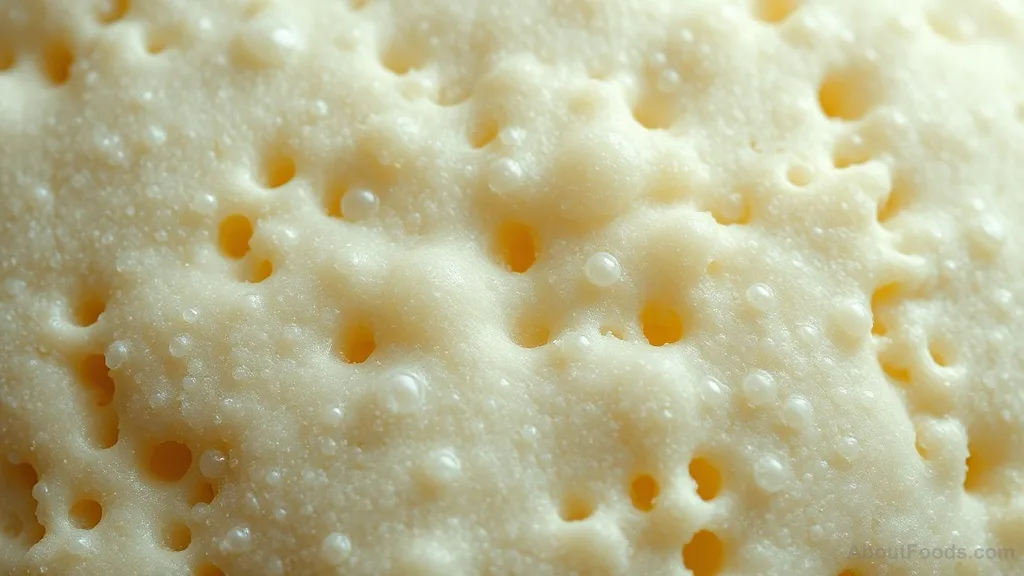
- Yeast produces carbon dioxide more slowly, leading to smaller, more evenly distributed bubbles
- Bacterial activity (including lactic acid bacteria in sourdough) continues, often producing different flavor compounds than at warmer temperatures
- Enzymes naturally present in flour break down starches into simpler sugars over extended periods
- Gluten strands relax and reorganize without the rapid expansion that can weaken structure
Think of it like marinating meat versus quickly searing it. Both methods develop flavor, but through completely different mechanisms and timelines.
The Flavor Chemistry: What Cold Fermentation Actually Creates
Here's where we get to the crispy, nerdy heart of the matter. Flavor in fermented dough comes from three main sources: yeast byproducts, bacterial byproducts, and enzymatic activity. Cold temperatures affect each differently.
| Process | Warm Temperature Effect | Cold Temperature Effect | Flavor Impact |
|---|---|---|---|
| Yeast Fermentation | Fast production of CO₂ and alcohol | Slow production of CO₂, more ester formation | Warmer fermentation: simpler alcohol notes. Colder: more complex fruity esters |
| Bacterial Activity | Lactic acid bacteria dominate quickly | Acetic acid bacteria have time to work | Warm: tangy yogurt-like notes. Cold: sharper, more vinegar-like complexity |
| Enzymatic Breakdown | Rapid sugar conversion for immediate yeast food | Extended starch-to-sugar conversion over hours | Cold: deeper maltiness from prolonged enzyme action |
| Gluten Development | Quick network formation, can become over-oxidized | Slow, steady strengthening without oxidation | Cold: cleaner wheat flavor without bitter oxidized notes |
The myth we're busting today isn't that cold fermentation does nothing—it's that it's automatically 'better.' The flavors developed in cold dough are different, not inherently superior. Some breads benefit from the sharper, more complex profile (think bagels or some artisan sourdoughs), while others lose their characteristic simplicity when refrigerated (like many enriched doughs or quick breads).
The Structural Benefits: Why Cold Dough Often Handles Better
Even if flavor development were minimal (which it isn't), refrigerating dough offers undeniable structural advantages that can indirectly affect your final product's taste and texture. When dough is cold, the butter or fat in enriched doughs stays firm, creating distinct layers in pastries. The gluten network has time to relax fully without over-fermenting, resulting in better oven spring and more even crumb structure.
- Cold dough is less sticky and easier to shape—a practical benefit that shouldn't be underestimated
- Slower fermentation allows gases to distribute more evenly rather than creating huge, unstable bubbles
- The dough develops strength gradually, similar to the slow stretching in my grandmother's chapati technique
- You can bake directly from the refrigerator, which helps maintain structure during the critical first minutes in the oven
These textural improvements create a better vehicle for whatever flavors do develop. A well-structured crumb allows aromas to release more effectively when you chew, enhancing perceived flavor even if the actual chemical composition hasn't changed dramatically.
Common Mistakes and How to Avoid Them
As a sourdoh (that's sourdough nerd, for the uninitiated) who has made every mistake in the book, let me save you some frustration. Cold fermentation isn't a set-it-and-forget-it solution—it requires understanding and adjustment.
The most common error I see? Treating the refrigerator as a universal improvement button rather than a specific tool with specific effects.
Practical Applications: When to Chill and When to Bake Fresh
So when should you actually use cold fermentation? Based on both science and my experience in Indian kitchens where temperature control was always a creative challenge, here's my practical guide.
A good rule of thumb: If your recipe specifically calls for overnight refrigeration, it's probably designed to benefit from the cold fermentation characteristics. If it doesn't mention it, experiment with a portion of your dough rather than committing the whole batch.
The Verdict: Neither Myth Nor Miracle
After examining the biochemical evidence and practical outcomes, here's my conclusion as both scientist and baker: Refrigerating dough does develop flavor—just not in the way most people imagine. It's not about 'more' flavor in a quantitative sense, but about different flavor compounds that wouldn't form as prominently at room temperature. The cold environment favors certain chemical pathways over others, creating a distinct profile that many (but not all) palates prefer.
Simultaneously, the structural benefits are real and significant. Easier handling, better scheduling, and improved texture are legitimate reasons to refrigerate dough even if flavor were unchanged. The myth isn't that refrigeration does nothing—it's that it's always the 'secret' to better bread. Like most kitchen techniques, it's a tool with specific effects, not a magic wand.
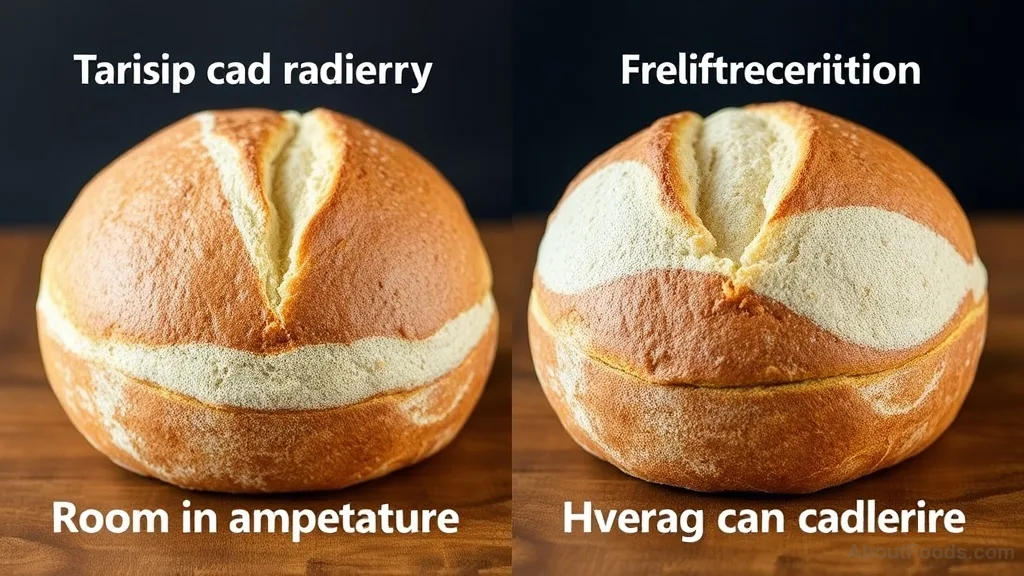
My recommendation? Try side-by-side batches. Make one loaf with overnight refrigeration and one with same-day room-temperature fermentation. Taste them blind. Your preference will tell you more than any article ever could. Because ultimately, the best fermentation temperature is the one that makes bread you want to eat.
Your Cold Fermentation Questions, Answered
How long can I safely refrigerate dough?
Most yeast doughs can refrigerate for 24-72 hours. Beyond that, flavor can become too sour and structure may weaken. Rich doughs with eggs or dairy should generally not exceed 24 hours for food safety.
Should I cover the dough in the refrigerator?
Always cover tightly with plastic wrap or in an airtight container to prevent drying out. The cold air in refrigerators is very dry and will form a crust on exposed dough.
Do I need to let refrigerated dough come to room temperature before baking?
Not necessarily. Many professional bakers bake directly from the refrigerator, especially for certain breads and pastries. However, letting it warm up for 30-60 minutes can improve oven spring for some doughs.
Can I freeze dough instead of refrigerating it?
Freezing pauses fermentation completely, while refrigeration just slows it dramatically. Frozen dough won't develop flavor during storage, but can be thawed and proofed later. They're different techniques for different purposes.
Why does my refrigerated dough sometimes smell alcoholic?
That's yeast producing ethanol as a byproduct. In cold temperatures, the alcohol doesn't evaporate as quickly and can accumulate. It's normal and will bake off, but if it's extremely strong, your fermentation time might be too long for that particular dough.
Rate this article
4.3 out of 5 from 11 ratings

Written by
Anaya Iyer
Specialises in Indian cuisineAnaya Iyer (not Patel or Sharma) makes dosas so crisp they shatter like glass. She is a fermentation nerd.
Describe yourself in three words: Crispy, nerdy, sourdoh.