Myth Busting
Does Sifting Flour Actually Matter in Modern Baking? Let's Separate Fact from Fiction
Many bakers wonder if sifting flour is just an old-fashioned ritual or a crucial step for perfect results. We'll explore the science behind sifting, when it truly matters, and when you can skip it without sacrificing quality. Get ready to bust some myths and bake smarter!
The Great Sifting Debate: Tradition vs. Modern Reality
Hello, fellow baking enthusiasts! Ravi Sharma here, coming to you with a topic that's as old as baking itself—or at least as old as my grandmother's kitchen wisdom. You see, in every Indian household, there's always that one auntie who insists on sifting flour not once, but twice, maybe even thrice if she's feeling particularly meticulous. 'Beta,' she'd say, 'this is the secret to soft rotis!' But here's the pun-derful question: In our modern kitchens with pre-sifted flours and electric mixers, does sifting flour actually matter? Let's sift through the evidence, shall we? I'll explain it twice—once for tradition, once for science!
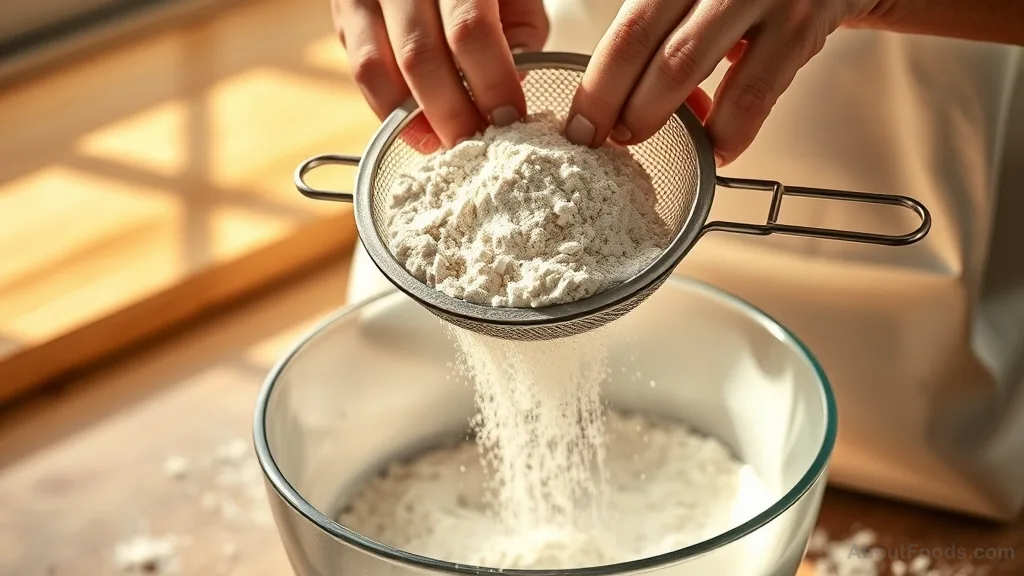
First, let's understand what sifting actually does. When you sift flour, you're accomplishing three main things: aerating the flour (adding air), breaking up lumps, and combining dry ingredients evenly. Back in the day—and I mean way back when flour came straight from the mill with all sorts of impurities—sifting was essential for removing bugs, husks, and other unwanted guests. Today, our flour is much cleaner, but the technique persists. The real question isn't whether sifting does anything, but whether what it does matters for your specific baking project. Let me break it down, piece by piece, or should I say, grain by grain!
The Science of Sifting: What Actually Happens to Your Flour
Now, let's get scientific—but don't worry, I'll keep it as simple as explaining why your chai needs just the right amount of cardamom. When you sift flour, you're introducing tiny air pockets between the flour particles. This aeration lightens the flour, making it less dense. Why does this matter? Because baking is essentially chemistry, and density affects how ingredients interact. Lighter flour mixes more evenly with liquids and other dry ingredients, which can lead to more uniform texture in your final product. Think of it like fluffing up your pillows before guests arrive—everything just works better when there's proper air circulation!
Here's the second explanation, because once is never enough with important concepts: Sifting also breaks up any lumps that may have formed during storage. Flour tends to compact over time, especially if it's been sitting in your pantry for a while. Those lumps can create pockets of unmixed flour in your batter or dough, leading to unpleasant raw-flour spots in your baked goods. Additionally, when you're combining multiple dry ingredients (like flour, baking powder, and salt), sifting ensures they're evenly distributed. Uneven distribution means some parts of your cake might rise beautifully while others stay dense—and nobody wants a lopsided celebration cake!
When Sifting Is Absolutely Essential: The Non-Negotiables
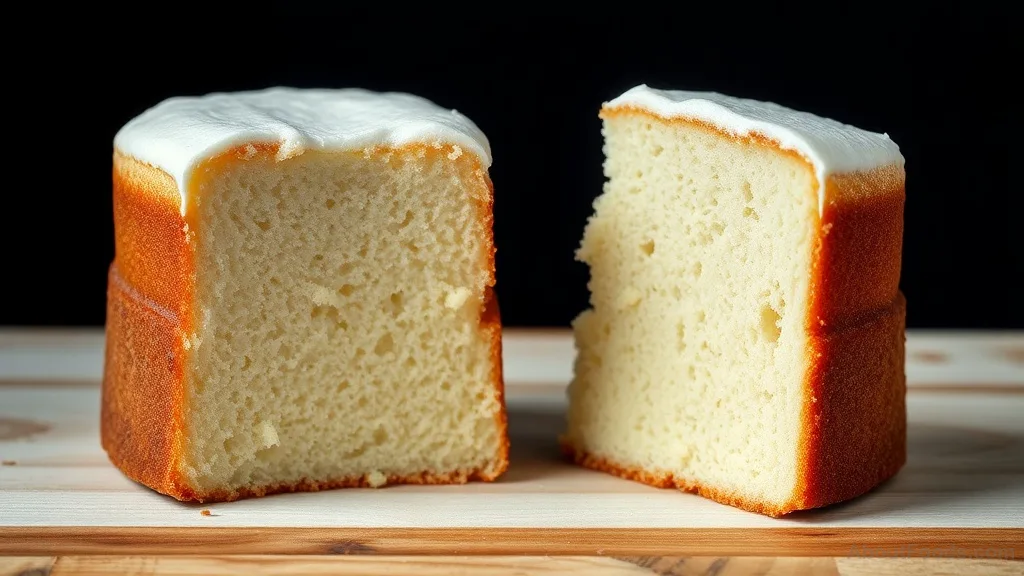
Alright, let's talk about when you absolutely, positively should sift your flour. I'm not saying this twice just for fun—these are the real deal situations where skipping sifting is like making biryani without basmati rice. Just wrong! First on the list: angel food cake and sponge cakes. These delicate beauties rely on maximum aeration for their light, airy texture. The flour needs to be as light as possible to fold gently into whipped egg whites without deflating them. If you use compacted flour, you'll end up with a dense, sad cake that nobody wants to eat.
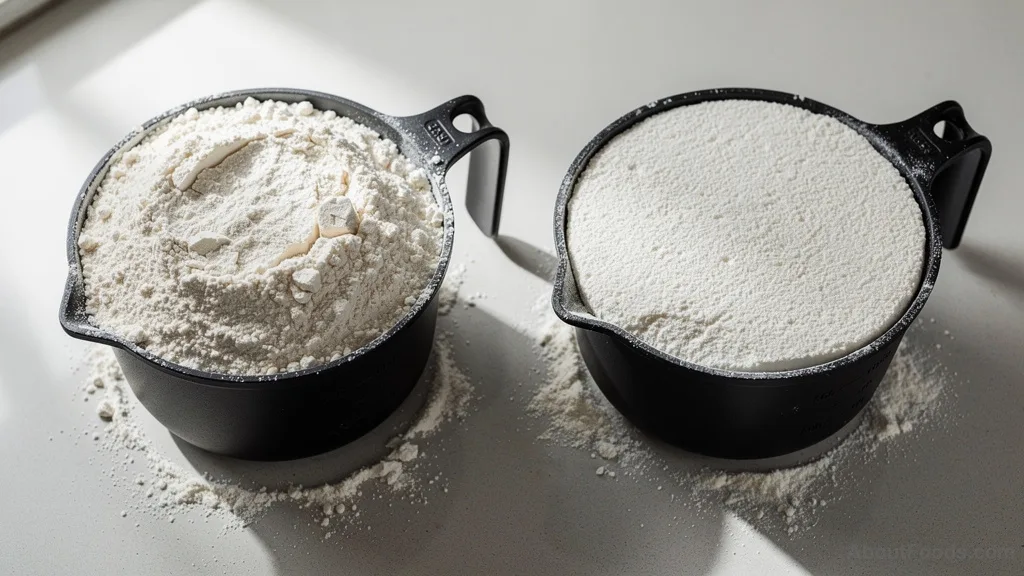
Second essential situation: when you're working with cake flour. Cake flour is milled to be extra fine and is often chlorinated to weaken the gluten proteins. It tends to compact more than all-purpose flour, so sifting is crucial to restore its light texture. Third: any recipe that specifically calls for 'sifted flour' measured after sifting. This is important because 1 cup of sifted flour weighs less than 1 cup of unsifted flour—about 15% less, to be precise. If the recipe developer intended you to use the lighter, sifted measurement and you use compacted flour instead, you'll throw off the entire ingredient balance. It's like adding too much salt to your dal—everything's just off!
- Angel food cake and sponge cakes (maximum aeration needed)
- Financiers and madeleines (delicate texture is key)
- Certain cookie types like ladyfingers or tuiles
- Recipes using cake flour (compacts easily)
- Recipes that specify '1 cup sifted flour' (measurement matters)
- When combining multiple leaveners (even distribution critical)
When You Can Skip the Sifter: Modern Baking Realities
Now for the liberating part—when you can confidently put that sifter back in the drawer and save yourself some time! Most modern all-purpose flour is pre-sifted at the mill before packaging. That's right, the flour companies have already done much of the work for you. While it might settle during shipping and storage, a good whisk or even just fluffing it with a fork is often sufficient for everyday baking. Let me explain this freedom twice: once for quick breads, once for cookies.
For quick breads like banana bread, muffins, and scones, the mixing method is typically less delicate. You're often using the 'muffin method' where you mix wet and dry ingredients separately then combine with minimal stirring. A few lumps in the batter are actually desirable—overmixing leads to toughness. So unless your flour has visible hard lumps (which happens with older flour), you can skip the sifting. For most cookies, unless you're making something exceptionally delicate, the fat content and mixing method compensate for any minor compaction. Chocolate chip cookies? Skip the sift. Peanut butter cookies? Save your energy. Oatmeal raisin? You get the idea!
The Measurement Myth: Why How You Measure Matters More Than Sifting
Here's where we get to the heart of the matter—pun intended, since baking is close to my heart! The biggest impact on your baking results isn't whether you sift, but how you measure your flour. Let me say that twice because it's that important: Measurement method matters more than sifting. Measurement method matters MORE than sifting. Most home bakers make the cardinal sin of scooping flour directly from the bag with their measuring cup. This packs the flour down, giving you up to 20% more flour than the recipe intended. That's like adding an extra quarter cup to every cup—no wonder your cookies spread too much or your cake turns out dry!
The correct method? Spoon flour lightly into your measuring cup until heaping, then level it off with a straight edge. This gives you a consistent measurement that's much closer to what professional bakers use (they weigh everything, but that's a story for another day). If you do this with unsifted flour, you'll still get better results than if you scoop sifted flour. Sifting before measuring gives you the lightest possible flour, which is why some old recipes specify it—they were compensating for inconsistent measurement practices. In our modern kitchens with standardized measuring cups, proper technique often eliminates the need for pre-measurement sifting.
Practical Tips & Common Mistakes: Your Sifting Survival Guide
Let's wrap this up with some practical advice you can use in your kitchen today. First, if you're going to sift, do it right. Use a fine-mesh sieve rather than those spring-loaded sifters that often don't work as well. Hold it over your mixing bowl and gently tap or stir the flour through. Second, if your recipe calls for sifted flour measured after sifting, but you want to save time, here's a hack: weigh your flour instead. 1 cup of all-purpose flour weighs about 120-125 grams whether sifted or not. The weight doesn't change with aeration—only the volume does. So if a recipe says '1 cup sifted flour,' you can use 120 grams of unsifted flour and achieve the same result. Science for the win!
Common mistake number one: over-sifting. There's no benefit to sifting flour multiple times unless you're trying to incorporate as much air as possible for something like angel food cake. For most purposes, once is plenty. Mistake number two: sifting flour onto wax paper or a separate bowl then transferring it. You lose all the aeration benefits when you dump it from one container to another. Always sift directly into your mixing bowl or onto your other dry ingredients. And finally, the biggest mistake of all: assuming sifting is always necessary because 'that's how grandma did it.' Respect tradition, but understand the science behind it. Your grandmother sifted because her flour needed it. Your flour might not.
- Whisk flour vigorously in its container before measuring
- Use a fork to fluff flour in the bag or canister
- For recipes with multiple dry ingredients, whisk them all together thoroughly
- If flour has lumps, break them up with your fingers before measuring
- Consider investing in a kitchen scale for ultimate accuracy without sifting
FAQs: Your Sifting Questions Answered
Can I use a whisk instead of a sifter?
Absolutely! For most everyday baking, whisking your flour thoroughly accomplishes similar aeration and de-lumping as sifting. It's especially effective when you're combining multiple dry ingredients. Just whisk for 30-60 seconds until the mixture looks uniform and light.
Does sifting affect gluten development?
Indirectly, yes. Sifted flour incorporates more easily with liquids, which can lead to more even hydration and potentially less overmixing. However, the primary factor in gluten development is still mixing time and technique. Sifting won't prevent tough baked goods if you overmix your batter.
What about whole wheat flour—should I sift it?
Whole wheat flour is denser by nature due to the bran and germ content. Sifting can actually remove some of these nutritious parts, defeating the purpose of using whole wheat. Instead, whisk it well to break up lumps. Some bakers sift whole wheat flour then return the bran to the bowl, but this is only for specific texture goals.
My recipe just says 'flour'—should I sift?
Check the recipe context. If it's a delicate cake or specifies cake flour, err on the side of sifting. For cookies, quick breads, or recipes with all-purpose flour, you can usually skip it if your flour is fresh. When in doubt, a quick whisk never hurts!
Does sifting make a difference in bread baking?
Minimal difference. Bread dough is kneaded extensively, which incorporates plenty of air. The gluten development and fermentation processes are far more important than initial flour aeration. Save your energy for proper kneading and proofing instead.
How do I know if my flour needs sifting?
Check for lumps and compaction. If you press flour in the bag and it holds an impression, it's compacted. If you see visible hard lumps when you pour it, it needs breaking up. Fresh flour that pours freely likely doesn't need sifting for most applications.
Rate this article
4.5 out of 5 from 13 ratings

Written by
Ravi Sharma
Specialises in Indian cuisineRavi is a former IT consultant who now runs a popular YouTube channel called 'Dal-vid'. His tarka technique is flawless.
Describe yourself in three words: Enthusiastic, pun-loving, explains everything twice.