Myth Busting
The 'Forbidden' Truth About Washing Raw Chicken: Why Your Grandmother's Advice Is Actually Dangerous
Washing raw chicken before cooking is a common kitchen practice passed down through generations, but food safety experts warn it spreads harmful bacteria. This article explores the science behind why rinsing poultry increases contamination risk and offers safer alternatives for home cooks. Learn evidence-based techniques to handle chicken properly without compromising your kitchen's safety.
Introduction: A Cultural Habit Meets Modern Science
Growing up in an Indian household, I learned early that food preparation was as much about tradition as it was about nourishment. My grandmother would meticulously wash everything—vegetables, lentils, and yes, chicken—with the same care she showed her spices. 'Clean it properly,' she'd say, her hands moving with practiced efficiency. For generations, this practice has been passed down as essential kitchen wisdom. But as a food scientist with a nerdy love for evidence, I've had to confront an uncomfortable truth: washing raw chicken is not just unnecessary—it's actively dangerous. This article isn't about dismissing tradition, but about understanding why modern food safety science tells us to break this particular habit.
The Bacterial Reality: What's Actually on Your Chicken
Let's start with the uncomfortable facts. Raw chicken naturally carries bacteria—primarily Salmonella and Campylobacter. These aren't contaminants from poor processing (though that can make things worse); they're naturally occurring microorganisms that live in poultry intestines. When chickens are processed, these bacteria can transfer to the meat surface. The USDA estimates that about 1 in 25 packages of chicken at the grocery store contain Salmonella. But here's the crucial point: these bacteria aren't just sitting politely on the surface waiting to be rinsed away.
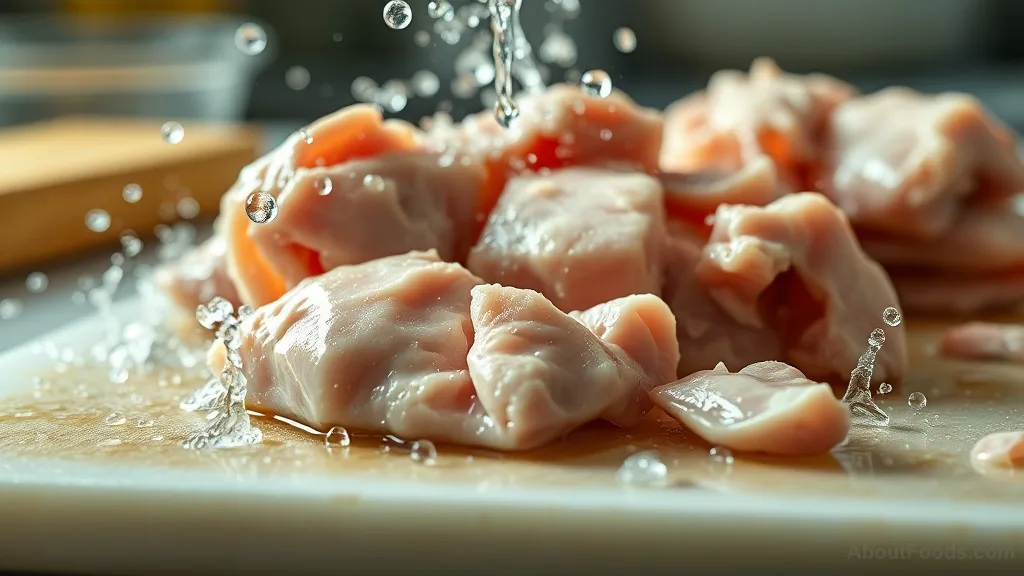
Bacteria on raw chicken form what microbiologists call a 'biofilm'—a sticky, protective layer that helps them adhere to surfaces. Think of it like a microscopic fortress. When you rinse chicken under running water, you're not effectively removing this biofilm. Instead, you're creating what food safety experts call 'aerosolization'—tiny water droplets that carry bacteria up to three feet away from your sink. These droplets can land on your countertops, utensils, nearby ingredients, and even your face. A 2019 study published in the Journal of Food Protection found that washing chicken contaminated surrounding surfaces with bacteria in 60% of cases.
The Physics of Contamination: How Water Spreads Bacteria
As someone who loves organized systems (you should see my spice cabinet), I appreciate understanding the mechanics behind why things work—or in this case, why they fail. When you hold chicken under running water, several physical processes occur simultaneously. First, the force of the water creates splashing. Even gentle rinsing produces droplets traveling at speeds that can carry bacteria several feet. Second, water acts as a transport medium. Bacteria that might have stayed localized on the chicken surface get suspended in water and distributed across your kitchen.
Researchers at Drexel University conducted a revealing experiment using glow-in-the-dark powder to simulate bacteria. They found that 'washing' chicken contaminated the sink area, nearby countertops, and even utensils placed up to two feet away. The contamination pattern showed exactly how far those invisible droplets travel. This is why food safety organizations like the USDA, CDC, and FDA all explicitly recommend against washing raw poultry. It's not that they're trying to ruin your grandmother's traditions—they're following the evidence.
Why We Keep Doing It: The Psychology of 'Clean'
If washing chicken is so problematic, why do approximately 90% of home cooks still do it, according to USDA surveys? The answer lies in psychology and sensory perception. Visually, raw chicken can appear slimy or have visible bits that we interpret as 'dirty.' There's a powerful psychological urge to rinse it away. The sound and feel of running water create a sensory experience of cleaning. And of course, there's the weight of tradition—when multiple generations have done something, it feels fundamentally correct.
But here's what I've learned as both a scientist and a cook: sometimes what feels clean isn't actually safe. That slimy texture? It's mostly caused by proteins and moisture, not necessarily bacteria. Those visible bits? They're usually harmless fragments of bone or connective tissue. The real danger—the bacteria—is invisible. This disconnect between perception and reality is why food safety requires trusting science over senses.
The Proper Alternative: Safe Chicken Handling Protocol
So if we shouldn't wash chicken, what should we do instead? As a lentil lover who appreciates methodical processes, I've developed a systematic approach to chicken handling that minimizes risk while maximizing food quality. The key isn't complicated—it's about creating barriers and following sequence.
- Designate one cutting board and set of utensils exclusively for raw meat
- Remove chicken from packaging directly onto the cutting board (no transfer to sink)
- Pat chicken dry with paper towels if needed for cooking technique
- Immediately dispose of packaging and paper towels
- Wash hands thoroughly with soap and warm water for 20 seconds
- Clean all surfaces that contacted raw chicken with hot, soapy water
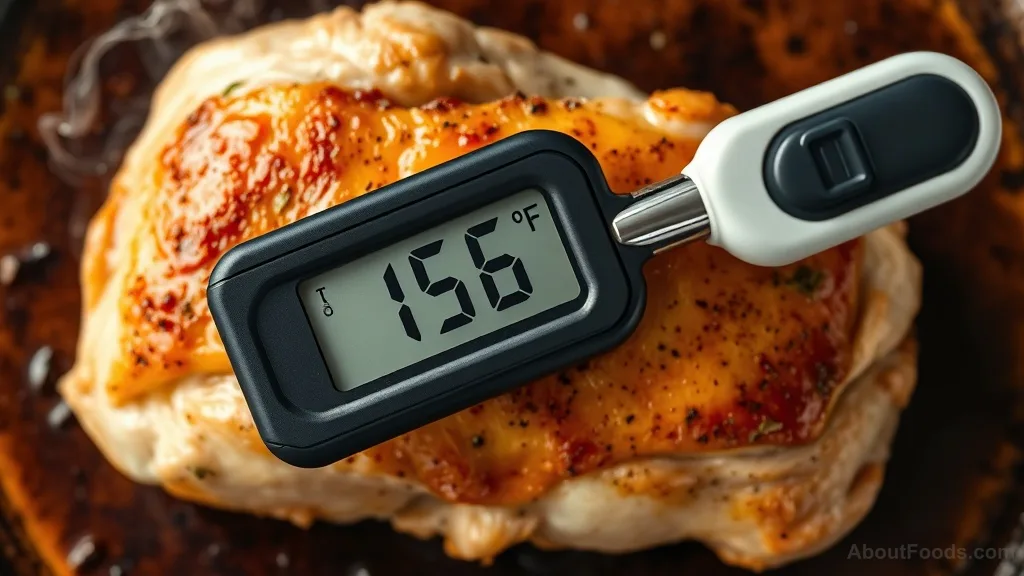
- Cook chicken to proper internal temperature (165°F/74°C)
Notice what's missing? Any contact with running water. The paper towel step is optional—some recipes benefit from dry surfaces for better browning (the Maillard reaction, but that's another article). If you do pat chicken dry, immediately dispose of the towels and wash your hands. This creates physical barriers between the raw chicken and everything else in your kitchen.
The Heat Solution: Why Cooking Is Your Best Defense
Here's where the science gets reassuring: proper cooking destroys the bacteria we're worried about. Salmonella and Campylobacter are heat-sensitive. At 165°F (74°C), these bacteria die almost instantly. This temperature is easily achieved with proper cooking techniques. The thermal death point is more reliable than any washing method because heat penetrates the entire piece of meat, not just the surface.
Think of it this way: washing attempts to remove bacteria from the surface only (and does it poorly), while proper cooking destroys bacteria throughout the entire piece of chicken. This is why food safety experts emphasize temperature control over washing. A digital instant-read thermometer is your most valuable tool here—it removes guesswork and provides scientific certainty.
Special Considerations: Brining, Marinating, and Cultural Practices
Some cooks wash chicken as part of brining or marinating processes. Here's how to adapt these techniques safely. For wet brines, prepare the brine solution separately, then add chicken directly to the brine container—no pre-rinsing needed. The salt and acid in brines actually help inhibit bacterial growth. For dry brining (a technique I love for achieving crispy skin), simply pat chicken dry with paper towels before applying salt.
In many cultural traditions, including some Indian preparations, washing is part of a multi-step cleaning process. The science-based adaptation is to modify, not abandon, these practices. Instead of washing under running water, consider using a vinegar or lemon juice solution in a contained bowl if the acid is important to your recipe. But remember: even acidic solutions won't eliminate all bacteria, so proper cooking remains essential.
Frequently Asked Questions
But doesn't washing remove blood and slime?
The 'slime' on chicken is mostly protein and moisture, not contaminants. Any visible blood or particles can be removed by patting with paper towels, which creates less contamination risk than washing.
What about organic or free-range chicken?
All raw chicken carries bacteria regardless of farming method. Organic chickens have the same natural gut bacteria as conventionally raised birds. The safe handling rules apply equally.
How do I clean my sink after handling chicken?
Use hot, soapy water and a dedicated cloth or sponge. For extra precaution, follow with a sanitizing solution (1 tablespoon bleach per gallon of water) if your sink will contact ready-to-eat foods.
Can I wash chicken if I'm very careful?
Research shows even careful washing creates aerosolized droplets. The risk isn't worth it when proper cooking achieves better results safely.
What about recipes that specifically say to wash chicken?
Many older recipes include this step based on tradition rather than science. You can safely omit the washing step—focus instead on proper cooking temperature and kitchen hygiene.
Conclusion: Honoring Tradition Through Safer Practice
As someone who values both culinary heritage and scientific evidence, I understand the tension here. My grandmother's chicken curry was legendary, and her care in preparation taught me respect for ingredients. But I've also seen the data on foodborne illness—the CDC estimates Salmonella causes about 1.35 million infections annually in the U.S. alone. We can honor our food traditions while updating our practices based on better information.
The truth about washing chicken isn't about what's forbidden, but about what's effective. By skipping the rinse and focusing on proper handling, designated tools, and accurate cooking temperatures, we protect our families while still creating delicious meals. Sometimes progress means recognizing that our grandmothers, brilliant as they were, didn't have access to the food safety research we do today. And that's okay—it's how knowledge grows, much like my beloved lentils soaking up wisdom with each generation.
Rate this article
4.8 out of 5 from 19 ratings

Written by
Anaya Patel
Specialises in Indian cuisineAnaya makes a mean dal makhani and owns 14 types of lentils. She alphabetizes them.
Describe yourself in three words: Organized, nerdy, lentil lover.