Myth Busting
The Frozen Truth: Does Freezing Bread Keep It Fresh or Destroy Its Soul?
Freezing bread is a kitchen secret many swear by, but does it preserve freshness or ruin texture? We dive into the science of starch retrogradation, ice crystal formation, and proper thawing techniques to separate fact from freezer-burned fiction.
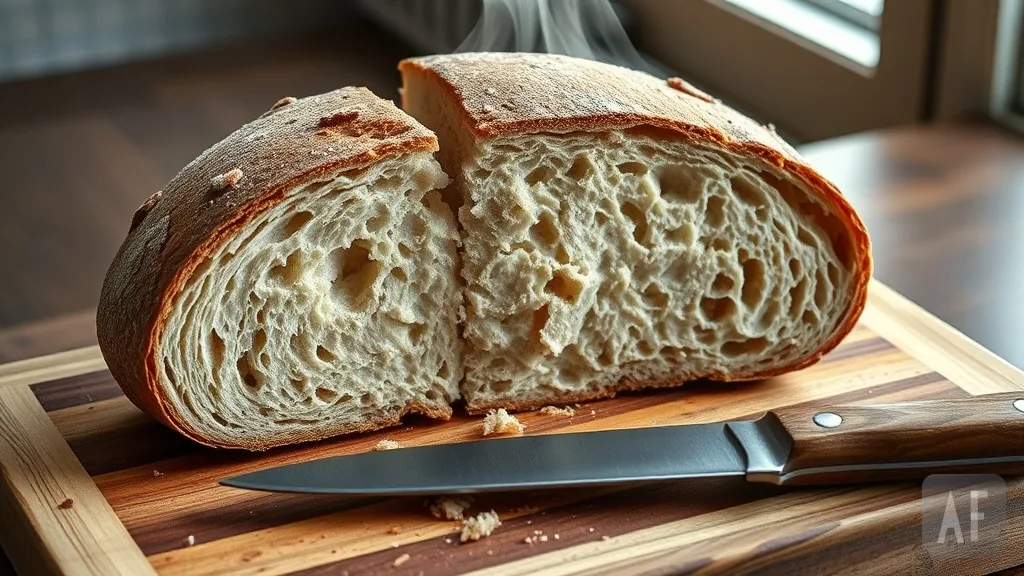
The Great Freezer Debate: Ancient Wisdom or Modern Mistake?
In my abuela's kitchen in Oaxaca, bread was never frozen. It was eaten fresh from the comal or shared with neighbors before the sun set twice. But here in the modern world, we whisper secrets about the freezer—that magical box that promises to pause time. Does it truly preserve bread's soul, or does it steal its spirit? Like a mystery wrapped in masa, the truth requires peeling back layers of science and tradition. Let me guide you through this frozen labyrinth, where we'll separate the wheat from the chaff, the fact from the freezer-burned fiction.
The myth persists: freezing bread keeps it fresh indefinitely. Others claim it turns bread into a sad, rubbery shadow of its former self. Both contain kernels of truth, but like a good mole sauce, the real flavor comes from understanding the ingredients. We'll explore what happens at the molecular level when bread meets freezing temperatures, why texture changes occur, and most importantly—how to do it right if you choose this path.
The Science of Staling: Why Bread Loses Its Magic
Before we can understand freezing, we must understand staling. When bread comes out of the oven, it's at its peak—crust crackling, interior tender, aroma intoxicating. But within hours, changes begin. This isn't just drying out; it's a molecular transformation called starch retrogradation.
- Fresh bread contains gelatinized starch—water molecules trapped between starch chains, creating that soft, springy texture
- As bread cools, starch molecules begin to recrystallize, squeezing out water
- This water migrates to the crust and evaporates, while the starch structure becomes more rigid
- The process accelerates at refrigerator temperatures (around 40°F/4°C), which is why refrigerating bread actually speeds up staling
Freezing intervenes in this process by dropping temperatures so low that molecular movement nearly stops. At 0°F (-18°C), starch retrogradation slows to a crawl. But here's the spicy truth: freezing introduces its own challenges. Ice crystals form, and how they form determines whether your bread emerges victorious or vanquished.
Ice Crystals: The Silent Texture Assassins
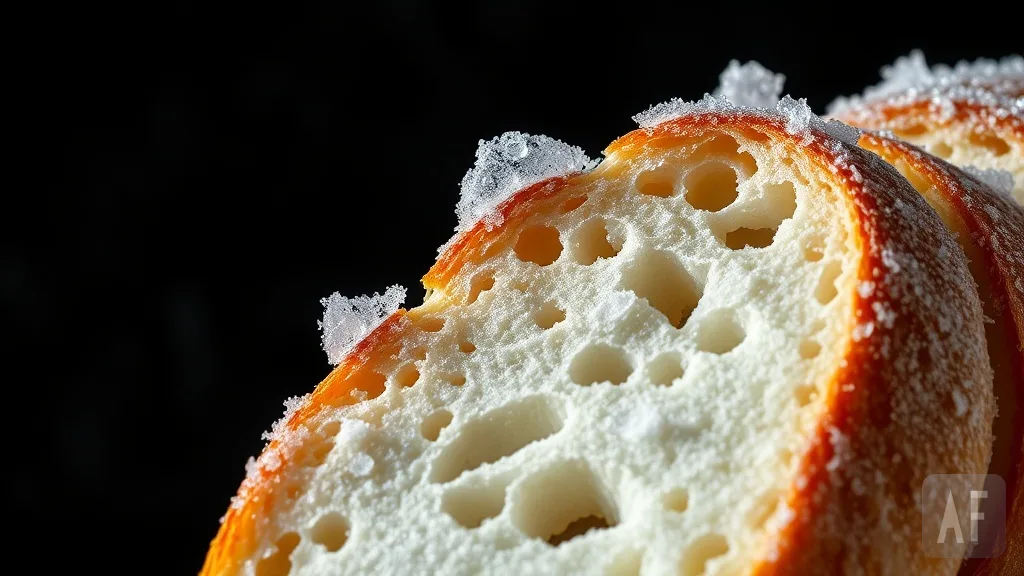
Picture this: your bread's structure is like a delicate sponge of gluten networks and starch granules, with water molecules nestled throughout. When freezing occurs slowly, large ice crystals form. These crystals act like tiny knives, slicing through the delicate cellular structure. When thawed, the damaged structure collapses, releasing moisture unevenly and creating that dreaded soggy, rubbery texture.
| Freezing Speed | Ice Crystal Size | Effect on Bread Texture | Practical Implication |
|---|---|---|---|
| Slow freezing (standard home freezer) | Large crystals | Damages cell walls, creates sogginess | Wrap tightly, freeze quickly in coldest part |
| Fast freezing (blast freezer) | Small crystals | Minimal structural damage | Not practical for home, but ideal commercially |
| Inadequate wrapping | Sublimation occurs | Freezer burn, dry spots | Double-wrap in plastic then foil or freezer bag |
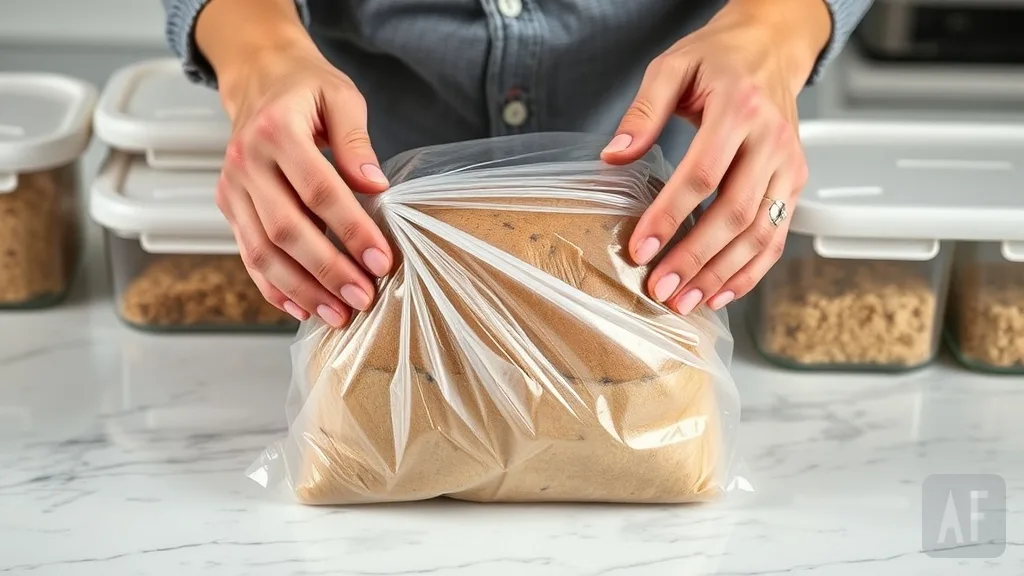
The key is freezing quickly and at consistent temperatures. Your home freezer fluctuates every time you open it, which is why proper wrapping matters more than you might think. That plastic wrap isn't just keeping smells out—it's creating a microenvironment that slows ice crystal growth.
The Art of Freezing: Techniques That Preserve Soul
Now for the practical magic. Freezing bread isn't just tossing a loaf into the icy abyss. It's a ritual, a careful dance with temperature and time. Here's how to freeze bread like a maestro:.
Different breads respond differently. Dense sourdough and rye freeze beautifully—their tighter crumb structure resists ice damage. Delicate brioche and enriched doughs require extra care, as their higher fat and sugar content changes freezing dynamics. Baguettes? Slice them, or accept they'll never be quite the same.
The Thawing Ritual: Bringing Bread Back to Life
Freezing is only half the journey. Thawing is where many stumble, turning potential triumph into texture tragedy. The worst method? Leaving bread on the counter wrapped in plastic. Condensation forms between the wrap and crust, creating a soggy mess as it thaws.
Remember: bread thawed and not used within 8-12 hours will stale faster than fresh bread. The freezing process damages some starch bonds permanently, making the bread more susceptible to retrogradation once thawed. Plan your thawing around when you'll actually eat it.
Myths vs. Reality: The Frozen Verdict
Let's slice through the common misconceptions with the sharp edge of science:.
- Myth: Freezing bread keeps it fresh forever. Reality: Quality peaks at 2-3 months, then declines due to freezer burn and flavor migration.
- Myth: All bread freezes equally. Reality: Lean doughs (water, flour, salt, yeast) freeze better than enriched doughs (with milk, eggs, butter).
- Myth: Frozen then thawed bread is nutritionally inferior. Reality: Freezing preserves nutrients well; minimal vitamin loss occurs compared to fresh bread going stale.
- Myth: You must thaw bread completely before toasting. Reality: Toasting directly from frozen often yields better results—the rapid heat creates steam that refreshes texture.
- Myth: Freezer burn makes bread unsafe. Reality: Freezer burn is quality issue, not safety. It's dehydration and oxidation, not bacterial growth.
The ultimate truth? Freezing is a compromise. It will never produce bread identical to fresh-from-the-oven perfection. But done correctly, it preserves 85-90% of quality for weeks. For the home cook who bakes weekly or buys artisan loaves, freezing sliced bread for toast or crumbs makes practical sense. For that special dinner party bread basket? Always serve fresh.
Your Freezing Questions, Answered
Does freezing kill the yeast in bread?
In baked bread, yeast is already dead from oven heat. In unbaked dough, freezing puts yeast in dormant state; properly frozen dough can still rise when thawed and proofed, though activity may be slightly reduced.
Why does my frozen bread sometimes taste 'freezer' flavored?
This is usually from inadequate wrapping. Bread absorbs odors from other freezer foods. Double-wrapping in plastic then foil or freezer bag prevents this. Also, clean your freezer regularly and consider baking soda box for odor absorption.
Can I freeze bread with toppings like garlic butter or seeds?
Yes, but toppings may suffer texture changes. Seeds stay crisp if frozen quickly. Garlic butter may separate slightly upon thawing. For best results, add fresh toppings after thawing and reheating.
How does freezing compare to other preservation methods?
Freezing beats refrigeration for preventing staling (refrigeration accelerates starch retrogradation). Room temperature storage is best for 1-2 days, freezing for longer. Bread boxes help but don't match freezing for long-term preservation.
Is it better to freeze dough or baked bread?
Dough freezing requires more skill but can yield excellent results—the baking process after thawing creates fresh bread texture. Baked bread freezing is simpler for most home cooks. Choose based on your time and skill: dough for optimal freshness, baked bread for convenience.
Why does my thawed bread have white spots?
Those are likely starch spots from uneven moisture distribution during freezing/thawing. They're harmless but indicate suboptimal freezing technique. Try freezing faster in colder part of freezer and wrapping more tightly.
The freezer is neither friend nor foe to bread—it's a tool. Like any tool in my abuela's kitchen, it requires respect, understanding, and proper technique. Use it wisely, and it will extend the life of your bread while preserving its essential character. Abuse it, and you'll create texture tragedies. Now go forth with this knowledge, and may your bread always have soul, whether fresh from the oven or resurrected from the frozen depths.
Rate this article
4 out of 5 from 9 ratings

Written by
Diego Garcia
Specialises in Mexican cuisineDiego is a taquero who uses a secret salsa roja that involves dried chiles he grows himself. He is a local legend.
Describe yourself in three words: Mysterious, proud, spicy.