Proteins And Structure
Gluten: The Silent Weaver in Your Dough That Creates Perfect Bread
Gluten forms the elastic network that gives bread its structure and chew. Understanding how this protein develops during kneading and baking can help home bakers achieve better results. This guide explores gluten's science without medical claims, focusing on practical kitchen applications.
The Quiet Magic of Gluten: A Baker's Nighttime Companion
Hello, fellow night owls and curious bakers. I'm Nabin Gurung, writing this while most of the world sleeps, with a cup of tea that's probably gone cold. In the quiet hours, I often think about the silent workers in our kitchens—like gluten, that humble protein network that holds our bread together without asking for credit. Growing up with simple Nepalese roti and dense Tibetan breads taught me early that flour and water can create miracles when treated right. Let's explore gluten not as a villain or hero, but as what it truly is: the essential architecture of good bread.
What Exactly Is Gluten?
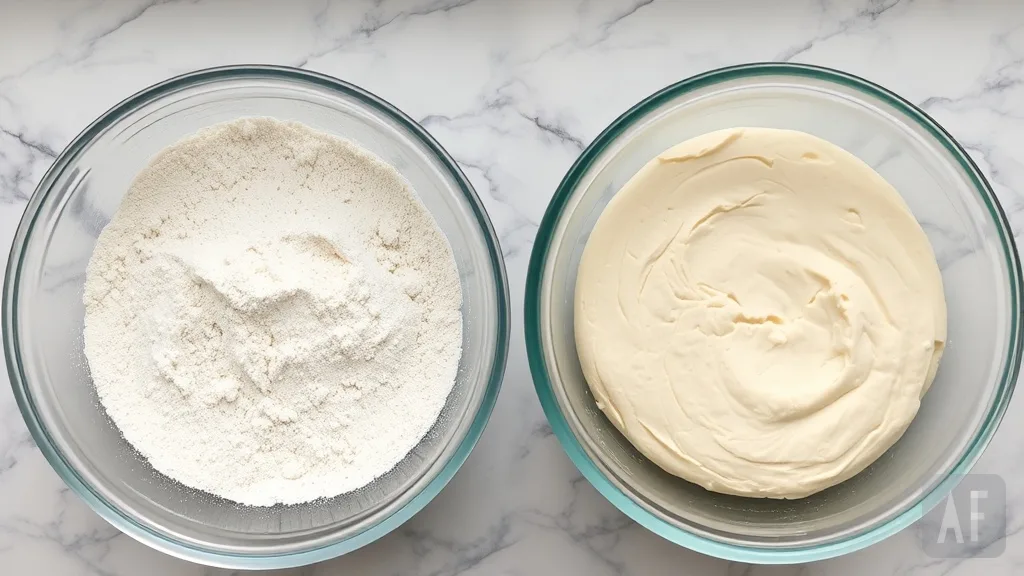
Gluten isn't a single ingredient you add to flour—it's a network that forms when two proteins in wheat flour, glutenin and gliadin, meet water. Think of glutenin as the strong, silent type that provides elasticity (the ability to stretch and bounce back), and gliadin as the more extensible partner that allows dough to stretch without breaking. When you mix flour with water, these proteins unravel and link together, creating a mesh-like structure. This is gluten: the invisible scaffolding that traps gas bubbles during fermentation and gives bread its chew.
How Gluten Develops in Your Dough
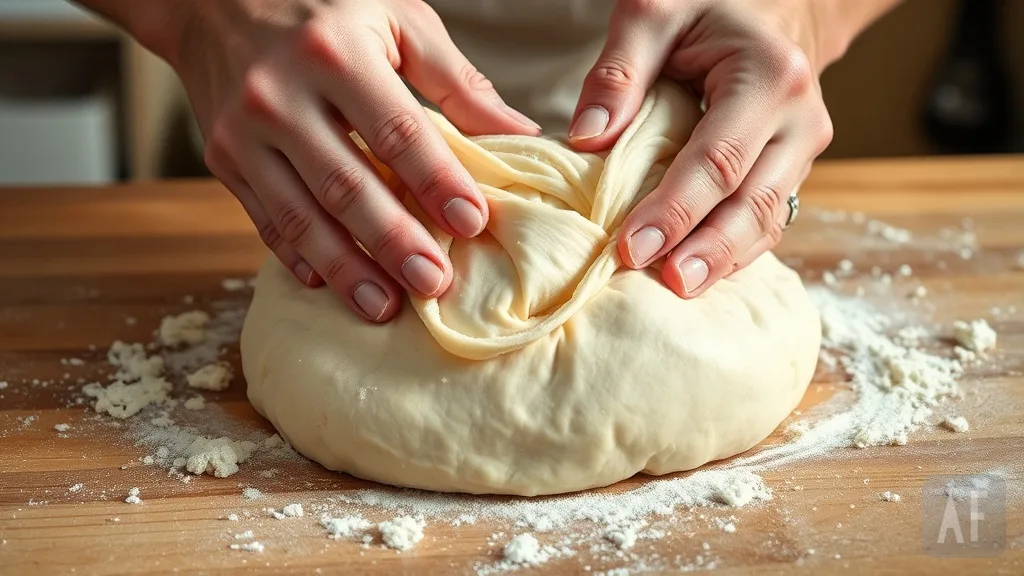
Making gluten isn't instant—it's a process that unfolds in your hands. When you first mix flour and water, the proteins are scattered and disorganized. As you knead, you're gently coaxing them to line up and form bonds, much like braiding hair into a strong rope. This network becomes more organized and elastic with time and motion. Under-kneaded dough will tear easily and produce dense bread, while well-developed gluten creates that satisfying windowpane effect: a thin, translucent membrane when stretched. Yeast fermentation then fills this network with carbon dioxide, making the dough rise, and baking sets the structure permanently.
Practical Tips for Home Bakers
You don't need a lab to work with gluten—just attention to a few key factors. First, hydration matters: too little water and gluten won't form properly; too much can make dough sticky and weak. Aim for the hydration level your recipe suggests. Second, knead with purpose but don't overdo it—10-15 minutes by hand is often enough to develop good gluten without exhausting the dough. Letting dough rest (autolyse) can also help gluten develop with less effort. Finally, consider your flour: bread flour has higher protein content (12-14%) for stronger gluten, while all-purpose flour (10-12%) works for softer breads. In my late-night baking sessions, I've found that patience and gentle handling yield the best gluten network.
- Use the right flour: Bread flour for chewy loaves, all-purpose for tender breads.
- Knead until smooth and elastic: The dough should spring back when poked.
- Allow proper rest times: Autolyse or bulk fermentation lets gluten relax and strengthen.
- Avoid over-kneading: This can break the gluten network, leading to tough bread.
Common Questions About Gluten
Can you see gluten in dough?
Not directly, but you can see its effects. When you stretch well-developed dough, it forms a thin, translucent 'windowpane' without tearing—this indicates a strong gluten network.
Does kneading always create more gluten?
Yes, up to a point. Kneading aligns proteins, but over-kneading can cause the network to break down, resulting in weak dough. Stop when the dough is smooth and elastic.
Why does some bread have large holes?
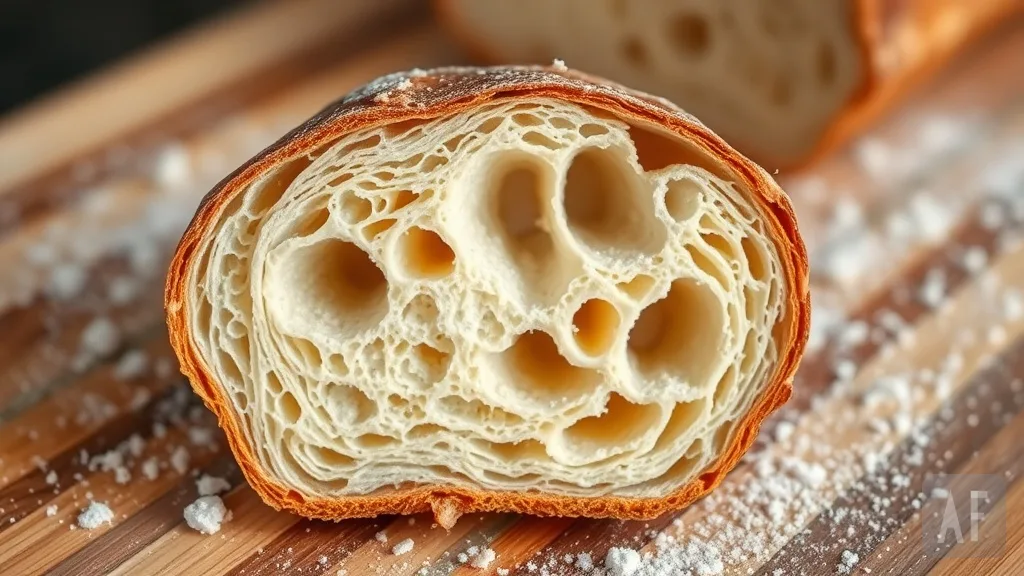
Large air pockets form when a strong gluten network traps gas from yeast fermentation. Proper gluten development and gentle handling during shaping help create an open crumb.
How does fat affect gluten?
Fats like butter or oil can coat gluten strands, tenderizing the dough by limiting their bonding. This is why enriched doughs (e.g., brioche) are softer than lean breads.
Embracing Gluten in Your Kitchen
As I wrap up this article, the sky is starting to lighten, and my kitchen beckons for another baking experiment. Gluten, in its quiet way, is a testament to the beauty of food science—transforming simple ingredients into something greater through patience and understanding. Whether you're making a rustic loaf or soft dinner rolls, respecting the gluten network will elevate your baking. Remember, it's not about forcing the dough, but guiding it. Happy baking, and may your bread always rise to the occasion.
Rate this article
4.9 out of 5 from 17 ratings

Written by
Nabin Gurung
Specialises in Nepalese cuisineNabin makes momos at 3am when he can't sleep. His chili oil is classified as a controlled substance by his roommates.
Describe yourself in three words: Sleepy but brilliant, lives nocturnally.