Myth Busting
Is MSG Really Bad for You? The Flavor Science You've Been Lied To
Monosodium glutamate (MSG) has been unfairly demonized for decades, but the science tells a different story. This article explores the natural origins of umami, how MSG enhances flavor safely, and why the 'Chinese Restaurant Syndrome' myth persists despite overwhelming evidence to the contrary.
The Quiet Truth About MSG
In the deep forests of Scandinavia, where I grew up, we understand that nature holds both beauty and complexity. The same principle applies to our food. For decades, monosodium glutamate—MSG—has been painted as a dangerous chemical, an artificial poison lurking in takeout containers. But like many things misunderstood, the truth is quieter, more grounded in science than fear. MSG is simply the sodium salt of glutamic acid, an amino acid found abundantly in nature. Your body produces it, tomatoes are full of it, and Parmesan cheese owes its savory punch to it. This article isn't about defending an additive; it's about correcting a myth that has persisted far too long, based not on evidence but on anecdote and cultural bias.
What MSG Actually Is: A Natural Compound
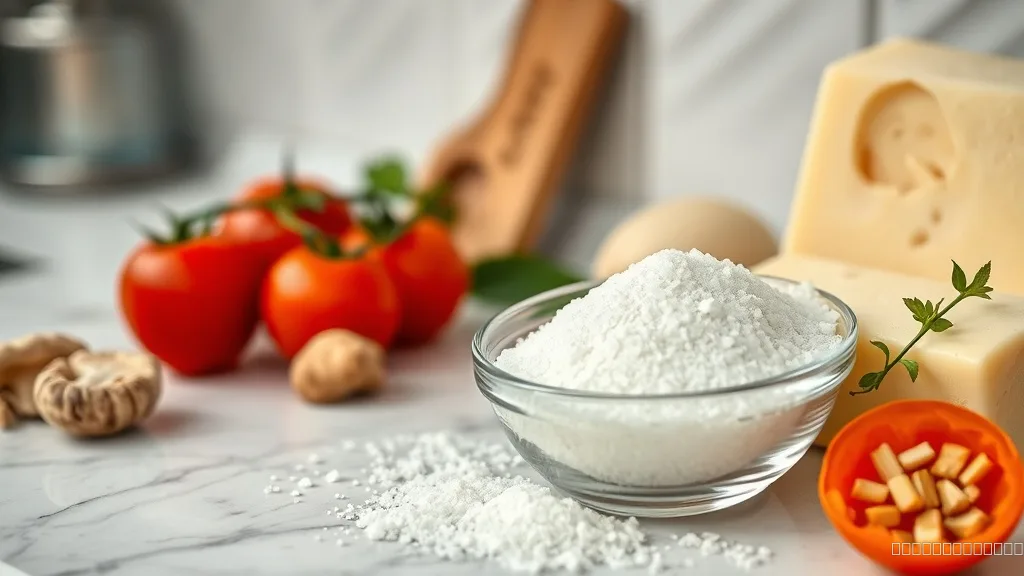
MSG is not some laboratory creation. Glutamate is one of the most common amino acids in nature, essential for protein synthesis in both plants and animals. When bound with sodium, it becomes monosodium glutamate—a stable, crystalline form that dissolves easily in food. The human body contains about 2 kilograms of glutamate, used in everything from brain function to metabolism. Every day, you consume glutamate from natural sources: a ripe tomato might have 250 mg, a serving of Parmesan cheese over 1,200 mg. Pure MSG is simply a concentrated source, no more artificial than table salt extracted from seawater.
- Glutamate is an amino acid, a building block of proteins.
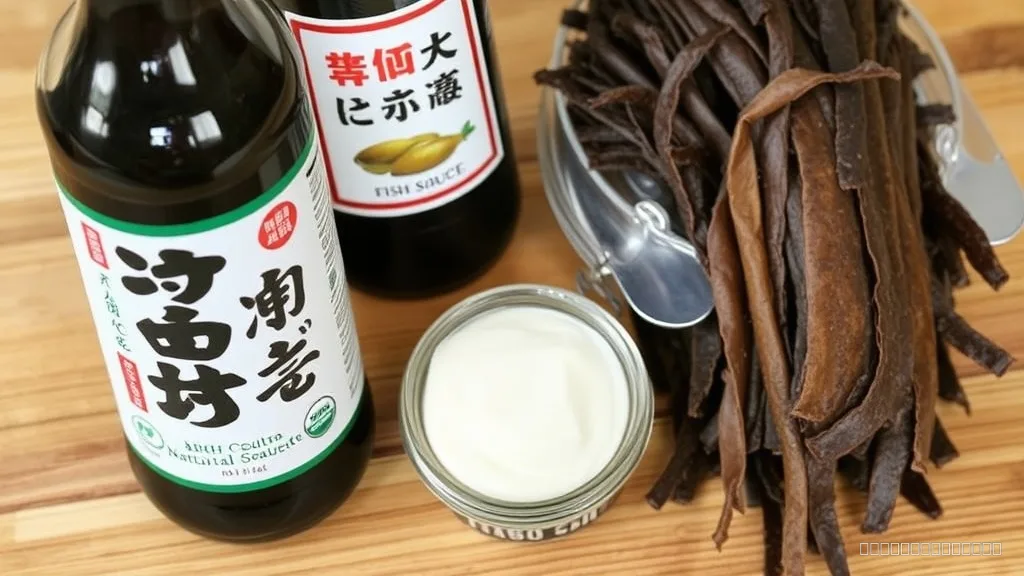
- MSG is the sodium salt of glutamate, first isolated from seaweed in 1908 by Japanese scientist Kikunae Ikeda.
- Your body metabolizes glutamate from MSG exactly the same way as from tomatoes or mushrooms.
The Birth of a Myth: Chinese Restaurant Syndrome
In 1968, a letter published in the New England Journal of Medicine described symptoms like numbness and palpitations after eating at Chinese restaurants, blaming MSG. This anecdote, lacking scientific rigor, sparked a cultural firestorm. It played into xenophobic fears and a growing distrust of processed foods. Despite numerous rigorous studies since—including double-blind placebo-controlled trials—no consistent link between MSG and these symptoms has ever been proven. Regulatory bodies worldwide, from the FDA to the European Food Safety Authority, classify MSG as 'generally recognized as safe.' The myth persists not because of science, but because of a powerful narrative that taps into our anxieties about food.
How MSG Works: The Science of Umami
MSG's magic lies in its ability to enhance umami, the savory fifth taste alongside sweet, sour, salty, and bitter. Umami receptors on your tongue detect glutamate, signaling depth and richness. MSG doesn't add a new flavor; it amplifies existing savory notes, making tomatoes taste more tomatoey, broth more robust. Think of it as turning up the volume on a song rather than changing the melody. In the kitchen, this means you can use less salt while achieving greater flavor complexity, because umami and saltiness work synergistically. It's a tool for balance, not a shortcut.
| Food | Approximate Glutamate (per 100g) |
|---|---|
| Parmesan Cheese | 1,200 mg |
| Tomatoes | 250 mg |
| Mushrooms | 180 mg |
| Green Peas | 200 mg |
| Human Breast Milk | 20 mg |
Practical Uses in the Home Kitchen
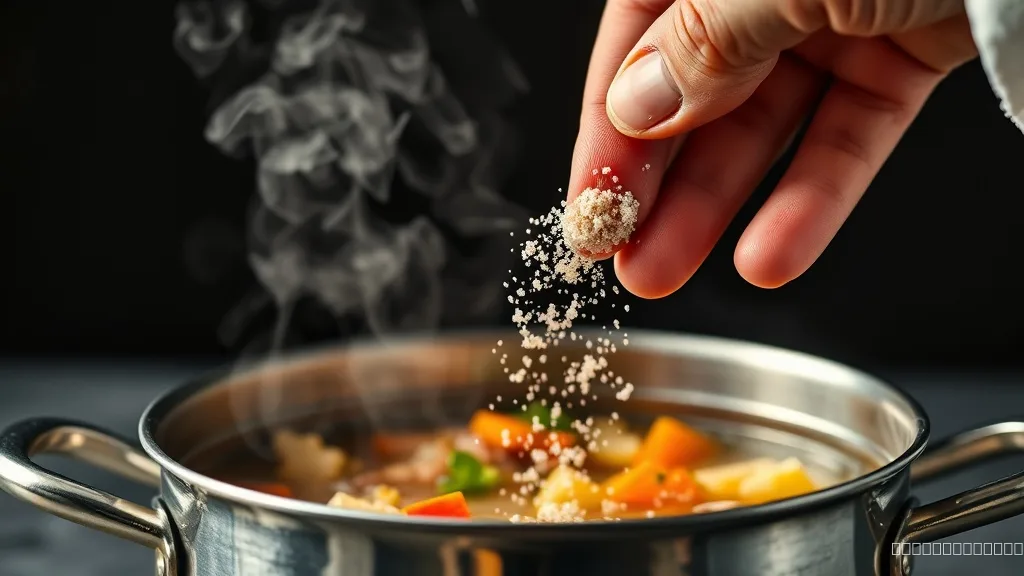
If you approach MSG with the same respect as salt or pepper, it can transform your cooking. A pinch—about ¼ teaspoon per pound of meat or quart of soup—is often enough. Sprinkle it into stews, sprinkle on roasted vegetables, or mix into burger patties. It works particularly well in plant-based dishes, where it can mimic the savory depth of meat. But remember: MSG is not a replacement for good technique. It won't fix bland, poorly prepared food. Use it to enhance, not mask. And always taste as you go; its effect is immediate, so you can adjust quickly.
Common Misconceptions and Real Concerns
Let's address the lingering doubts with clarity. First, MSG does not cause migraines or allergic reactions in the general population. Studies show that when people don't know they're consuming MSG, they report no symptoms. The placebo effect is powerful. Second, while a tiny subset of individuals might experience mild, temporary sensitivity—similar to how some react to caffeine—this is rare and dose-dependent. The real concern should be the overall quality of processed foods that often contain MSG alongside high salt, sugar, and unhealthy fats. Blaming MSG alone misses the forest for the trees. Focus on whole ingredients first, then use MSG thoughtfully as a seasoning.
- MSG is not an allergen; it contains no protein that triggers immune responses.
- Symptoms attributed to MSG often correlate with high sodium intake or overeating.
- No scientific organization links MSG to long-term health risks.
FAQ: Your Questions Answered
Is MSG safe for children and pregnant women?
Yes, in normal culinary amounts. Glutamate is naturally present in breast milk and many first foods. Always consult a healthcare provider for specific dietary concerns.
How much MSG is too much?
Like salt, moderation is key. Studies show no adverse effects at typical consumption levels (up to 3 grams per meal). Most home cooking uses far less—a pinch suffices.
Can I be sensitive to MSG?
True sensitivity is extremely rare and not well-documented in scientific literature. If you suspect sensitivity, try a blind taste test with foods containing natural glutamate.
Does MSG contain gluten or allergens?
Pure MSG is gluten-free and allergen-free. Always check labels if you have concerns about processing facilities.
Rate this article
4.8 out of 5 from 19 ratings

Written by
Anders Lindberg
Specialises in Scandinavian cuisineAnders is a forager who puts lingonberries on everything, including pizza. His neighbors have filed a complaint.
Describe yourself in three words: Stoic, nature-obsessed, quietly intense.