Food Safety And Preservation
Is Pink Chicken Always Unsafe? A Temperature Reality Check
Pink chicken doesn't automatically mean dangerous. This article breaks down the science behind color in cooked poultry, explains why safe internal temperatures matter more than appearance, and gives practical tips for home cooks to ensure both safety and quality.
Is Pink Chicken Always Unsafe? A Temperature Reality Check
Street food taught me one thing: trust your senses, but verify with science. I've served thousands of chicken tacos, and nothing gets cooks more anxious than that moment you slice into a breast and see pink. The immediate panic—'Is this safe?'—is real. But here's the street-smart truth: pink chicken doesn't automatically mean dangerous chicken. In this article, we're cutting through the confusion with a temperature reality check. We'll explore why color can deceive, what actually makes chicken safe to eat, and how to cook with confidence, not fear.
The Pink Panic: Where the Fear Comes From
Let's be real—the fear of pink chicken is deeply ingrained. From health class warnings to overcooked family dinners, we're taught that pink equals raw equals danger. This isn't entirely wrong—undercooked poultry can harbor harmful bacteria like Salmonella and Campylobacter. But the problem is we've oversimplified: we've made color the sole indicator of safety, when it's actually just one piece of the puzzle. In street kitchens, I've seen perfectly safe chicken get tossed because it looked 'too pink,' while dry, stringy chicken gets served because it's 'white all through.' We can do better.
- Historical context: Before thermometers were common, color was the primary doneness indicator
- Visual bias: We're trained to associate white with 'done' and pink with 'raw'
- Safety campaigns: Well-intentioned but sometimes oversimplified messaging about cooking poultry
The Science of Chicken Color: It's Not Just About Doneness
Here's where things get interesting. Chicken color is primarily determined by myoglobin—the same protein that makes red meat red. While chicken has less myoglobin than beef, it's still present, especially in certain parts. When myoglobin cooks, it changes color based on temperature and chemical reactions. But here's the key: these color changes don't always align perfectly with bacterial death temperatures. That's why you can have chicken that's reached safe temperatures but still shows pinkness.
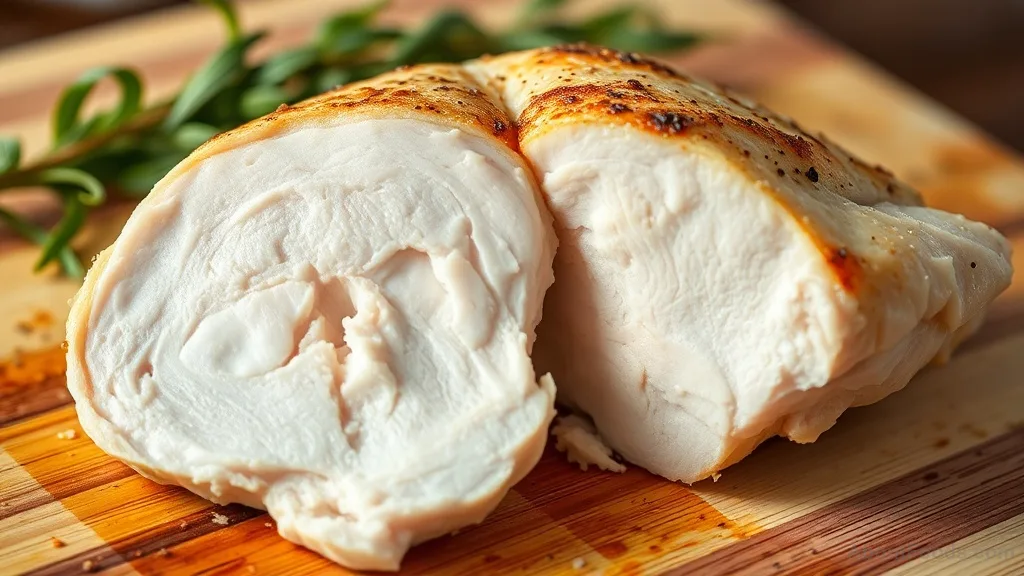
The most common scenario for safe pink chicken? When it's cooked to the right temperature but the myoglobin hasn't fully denatured. This happens particularly: near bones (where heat transfer is slower), in dark meat, or with certain cooking methods like smoking or sous vide. The pink isn't blood—it's cooked protein that just hasn't turned gray-white yet.
Temperature vs. Color: What Actually Makes Chicken Safe
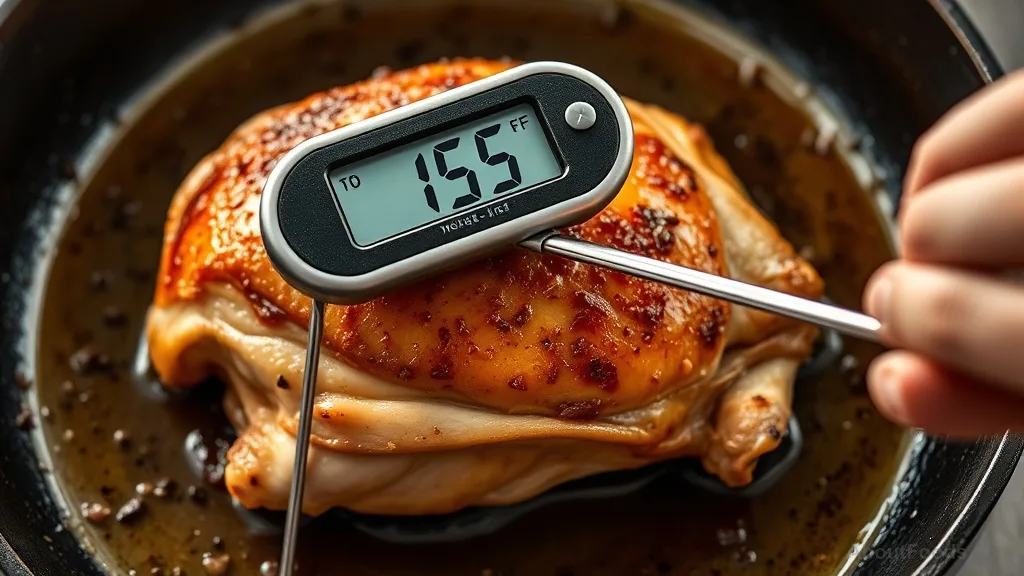
This is the core reality check: temperature kills pathogens, not color changes. Harmful bacteria in poultry are destroyed at specific temperatures over specific time periods. The USDA recommends cooking chicken to 165°F (74°C) because at this temperature, Salmonella and other common pathogens are destroyed almost instantly. But here's what most home cooks don't know: you can achieve the same safety at lower temperatures if you hold them longer.
This explains why sous vide chicken at 150°F for an hour is perfectly safe—it's held at that temperature long enough to destroy pathogens. It also explains why carryover cooking matters: when you pull chicken from heat, the internal temperature continues to rise 5-10°F. So if you pull at 160°F, it might reach 165°F while resting. The pinkness? It might still be there even at these safe temperatures.
Practical Guide: How to Check Chicken Doneness Correctly
Street food efficiency meets kitchen science here. You need reliable methods, not guesswork. Here's my fusion approach: use multiple indicators, but trust the thermometer most.
Common mistakes I see: checking only the surface color, cutting too early (which releases juices), or assuming all parts cook evenly. Bone-in chicken will often show pink near the bone even when fully cooked—that's normal and safe if the temperature is right.
When Pink Actually Means Danger: Red Flags to Watch For
Not all pink is created equal. While temperature is king, there are situations where pink should raise alarms. Here's how to distinguish between safe pink and dangerous undercooking.
- Pink with raw texture: If the meat feels soft, gelatinous, or translucent, it's undercooked
- Pink juices: Clear or slightly pink-tinged juices might be okay at safe temps, but definitely pink/red juices indicate undercooking
- Cold spots: If one area is pink and cool to the touch (not just warm), it hasn't reached safe temps
- Surface pinkness: Pink on the surface when the interior is done usually indicates myoglobin from bones or marinades, but if it's deep pink throughout, check temperature
- Unusual odors: Raw chicken smell after cooking means it's not done, regardless of color
The rule of thumb: when in doubt, take the temperature. If it's 165°F+ in the thickest part, you're safe. If it's below 165°F, cook longer regardless of color. This is especially important for ground chicken or stuffed chicken, where bacteria can be distributed throughout.
Cooking Methods That Often Produce Safe Pink Chicken
Some cooking techniques are more likely to give you pink-but-safe chicken. Understanding why helps you cook better.
In my street food days, we'd smoke chicken thighs for hours at 225°F. They'd often come out slightly pink near the bone but tender and safe—because they'd been at 165°F+ internally for long enough. The key is understanding each method's thermodynamics.
FAQs: Your Pink Chicken Questions Answered
Is pink chicken near the bone always unsafe?
No. The area near bones often remains pink even when the chicken has reached safe temperatures because bones conduct heat differently. Always check temperature in the thickest part of the meat, not right next to the bone.
Can I rely on clear juices instead of a thermometer?
Clear juices are a good secondary indicator but not foolproof. Some safely cooked chicken may have slightly pink-tinged juices, while overcooked chicken always has clear juices. The thermometer is your most reliable tool.
What if my chicken reaches 165°F but still looks pink?
It's safe to eat. The pink color is likely due to myoglobin that hasn't fully denatured or chemical reactions with marinades. As long as it reached 165°F in the thickest part and held there momentarily, pathogens are destroyed.
Does organic or free-range chicken cook differently?
These chickens often have more developed muscles and different fat distribution, which can affect cooking time and color. However, the same safety rules apply: cook to 165°F minimum regardless of how the bird was raised.
How do I prevent pink chicken if it makes my guests nervous?
Cook to 170-175°F for white meat or 180°F for dark meat. This ensures full color change while still keeping it relatively juicy. Or, use cooking methods that promote browning, like searing or high-heat roasting.
Is slightly undercooked chicken always dangerous?
Any chicken below 165°F carries some risk of foodborne illness. While the risk varies based on many factors (bird source, handling, etc.), it's not worth gambling with. Cook to at least 165°F in the thickest part.
The Takeaway: Cook with Confidence, Not Color
Here's my street-to-science fusion wisdom: respect the pink, but trust the numbers. Color in cooked chicken is about aesthetics and personal preference; temperature is about safety. Buy a good thermometer—it's the best $20 you'll spend for kitchen confidence. Check temperatures properly, understand carryover cooking, and remember that slight pinkness doesn't automatically spell danger. Cook your chicken to safe temperatures, then adjust cooking methods if you prefer the visual of fully white meat. The goal isn't just safe chicken—it's juicy, flavorful chicken that you can serve without anxiety. Now go cook with both street-smart intuition and food-science certainty.
Rate this article
4.3 out of 5 from 11 ratings

Written by
Sofia Cruz
Specialises in Street Food Inspired cuisineSofia Cruz (a third Sofia) runs a food cart selling Korean-Mexican tacos. She is not sorry.
Describe yourself in three words: Bold, fast, 'fusion or confusion'.