Myth Busting
Why 'Low and Slow' Isn't Always Best for Tough Meats
The 'low and slow' cooking mantra for tough meats is oversimplified. Science shows that higher temperatures can sometimes produce better results by optimizing collagen breakdown and moisture retention. Understanding protein behavior helps you choose the right technique for each cut.
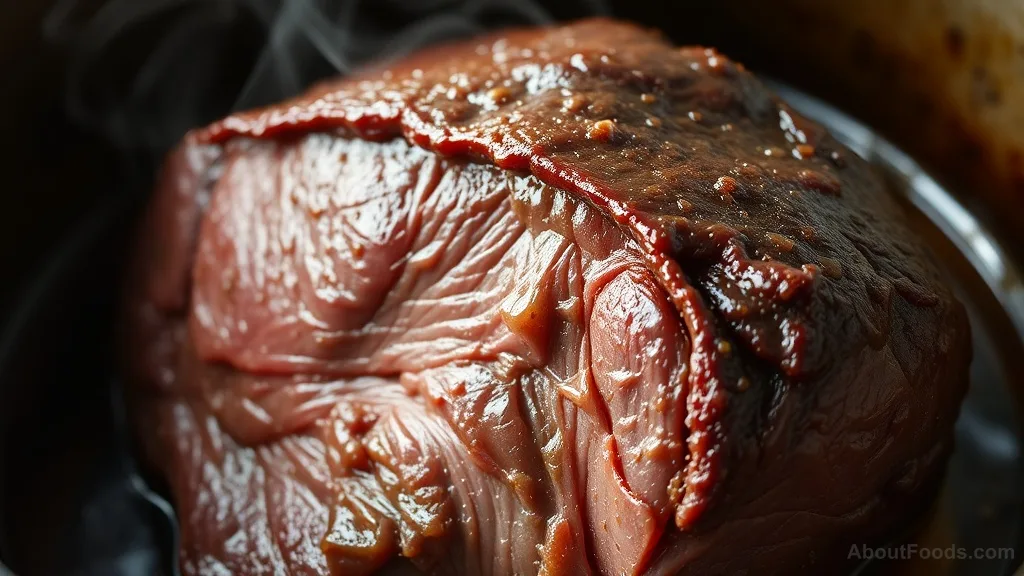
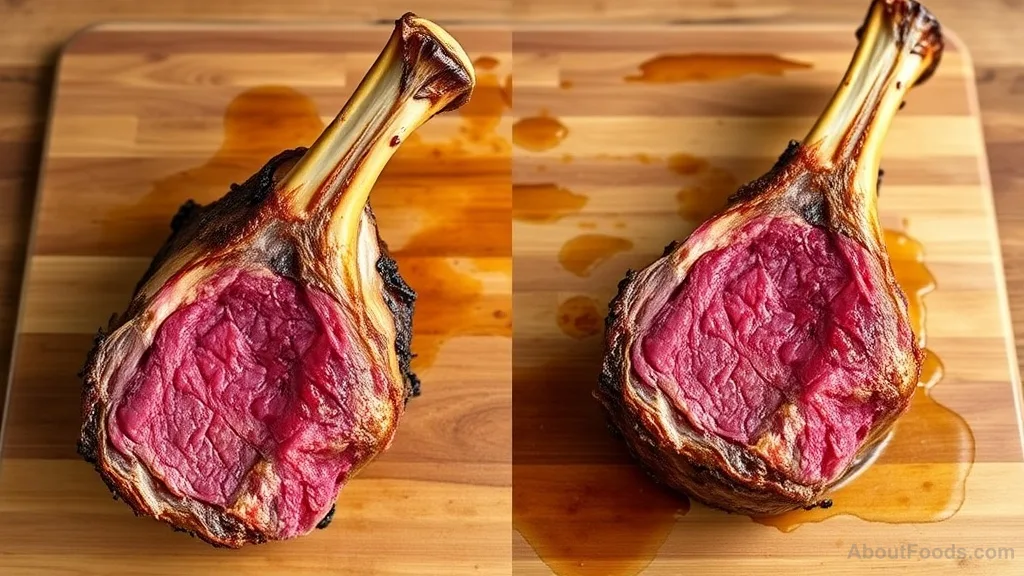
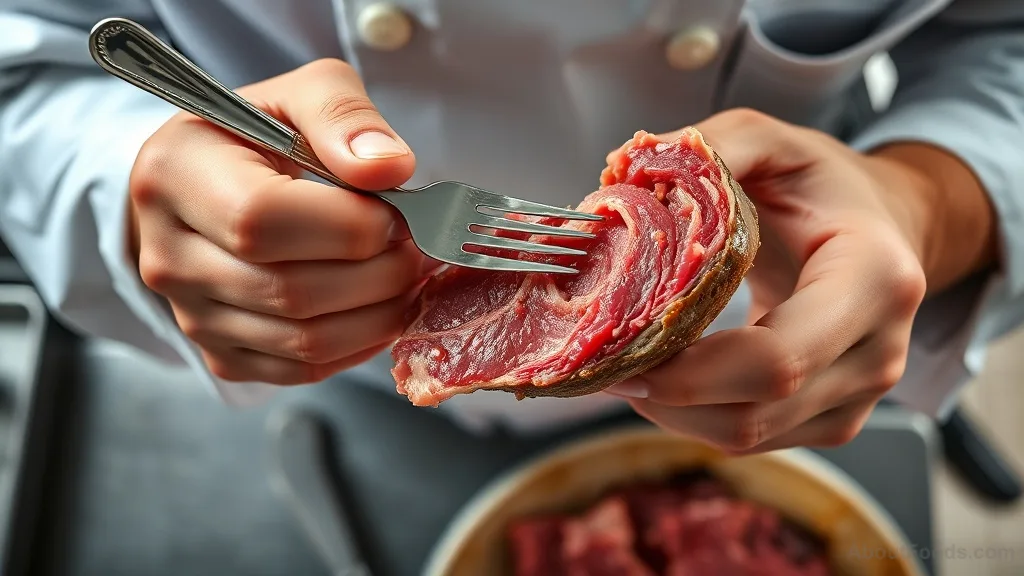
The Sacred Cow of Cooking: Questioning 'Low and Slow'
In my grandmother's kitchen in Antalya, where the Mediterranean sun bakes the earth and the scents of oregano and thyme fill the air, we never worshipped at the altar of 'low and slow' like some modern cooking cults. We understood meat as a living thing that responds to heat with personality—sometimes gentle, sometimes fierce. Today, I see home cooks treating tough cuts like religious relics that must be cooked at 225°F for 12 hours, as if temperature and time were the only variables that matter. This oversimplification makes me want to shake my Turkish coffee cup and say: 'Hayır! No!' Let me explain why this mantra needs questioning, with science as my guide and tradition as my compass.
What Actually Makes Meat Tough?
Before we can understand how to cook tough meats properly, we must understand what makes them tough in the first place. The answer lies in two protein structures: muscle fibers and connective tissue. Muscle fibers are the long strands that do the work when the animal is alive. Connective tissue—primarily collagen—acts as the biological scaffolding that holds everything together. In tough cuts from heavily exercised muscles (like chuck, brisket, or shank), there's significantly more collagen. When raw, this collagen is tough and chewy. The magic happens when heat transforms it into gelatin through hydrolysis. But here's the crucial point: this transformation doesn't happen at one specific temperature or time. It's a spectrum.
- Muscle fibers: Begin to denature (unfold) around 104°F (40°C)
- Collagen starts softening: Around 140°F (60°C)
- Rapid collagen breakdown: 160-180°F (71-82°C)
- Complete gelatin conversion: Can continue up to 203°F (95°C)
The Temperature Sweet Spot: Where Science Meets Practice
The common wisdom says 'keep it below 212°F (100°C) to avoid boiling the meat.' While it's true that boiling can make meat dry and stringy, the optimal range for collagen breakdown is actually higher than many realize. Research shows that collagen hydrolysis accelerates dramatically between 160-180°F (71-82°C) and continues effectively up to 203°F (95°C). This means that cooking at 300°F (149°C) oven temperature—which creates an internal temperature around 180-190°F (82-88°C)—can actually break down collagen faster and sometimes better than cooking at 225°F (107°C). The key is managing moisture and monitoring internal temperature, not blindly following a low temperature rule.
| Cooking Method | Typical Temperature | Collagen Breakdown Rate | Best For |
|---|---|---|---|
| Traditional Low & Slow | 225°F (107°C) | Slow, steady | Very large cuts, smoking |
| Moderate Oven Braising | 300°F (149°C) | Faster, efficient | Most braises, stews |
| High-Temp Braising | 325-350°F (163-177°C) | Fastest | Smaller cuts, time-sensitive cooking |
| Pressure Cooking | ~250°F (121°C) under pressure | Extremely fast | Quick meals, maximum efficiency |
The Moisture Myth: Why Higher Heat Doesn't Always Mean Drier Meat
Here's where Turkish cooking wisdom meets food science: We've always known that proper technique matters more than arbitrary temperature rules. The fear that higher temperatures automatically dry out meat comes from misunderstanding how moisture works in cooking. Meat loses moisture primarily through two mechanisms: evaporation from the surface and contraction of muscle fibers squeezing out juices. When you cook with liquid (braising) or in a covered vessel, you create a humid environment that minimizes surface evaporation. The internal temperature—not the oven temperature—determines how much the muscle fibers contract. If you bring meat to 180°F (82°C) internally, whether in a 225°F or 325°F oven, the fiber contraction is essentially the same. The difference is how quickly you get there and what happens to the exterior.
Practical Guide: When to Use Which Temperature
As someone who learned to cook watching my mother prepare everything from lamb shanks to beef tongue, I know that flexibility is the mark of a true cook. Here's when to break the 'low and slow' rule and when to respect it:.
Remember the Turkish principle of 'dengeli'—balance. The best temperature depends on your specific cut, cooking vessel, time constraints, and desired outcome. A 2-pound beef chuck roast for a weekday dinner? 325°F for 2.5 hours might serve you better than 225°F for 6 hours. A whole brisket for a gathering? Lower temperatures make more sense.
Common Mistakes and How to Avoid Them
In my teaching, I see the same errors repeated by cooks who treat 'low and slow' as dogma rather than guidance. Here are the pitfalls and how to steer clear:.
- Mistake: Cooking at low temperature without monitoring internal temperature. Solution: Use a meat thermometer and aim for 180-203°F internally for optimal collagen breakdown.
- Mistake: Adding cold liquid to hot meat, shocking the proteins. Solution: Warm your braising liquid before adding it to maintain consistent cooking.
- Mistake: Cutting meat immediately after cooking. Solution: Let it rest for at least 15-30 minutes to allow juices to redistribute and gelatin to set.
- Mistake: Using the wrong cut for the method. Solution: Match your technique to the collagen content—very tough cuts need sufficient time at temperature regardless of method.
- Mistake: Overcooking 'until it falls apart.' Solution: Meat should be tender but still hold some structure. Overcooked collagen breaks down gelatin too far, creating mush.
Turkish Wisdom Meets Modern Science: A Balanced Approach
In my homeland, we've been cooking tough meats for centuries without digital thermometers or sous-vide machines. We used observation, experience, and respect for ingredients. The modern 'low and slow' dogma removes this intuition. Science gives us the why behind what traditional cooks knew instinctively: that heat management is about more than just low temperatures. It's about understanding collagen behavior, managing moisture, and adapting to circumstances. Whether you're preparing kuzu tandır (slow-cooked lamb) or American-style pot roast, the principles remain the same. Don't be afraid to turn up the heat when it serves your purpose. The meat will tell you what it needs if you learn to listen.
FAQs: Your Tough Meat Questions Answered
Doesn't higher temperature make meat dry?
Not necessarily. Dryness comes primarily from internal temperature (causing fiber contraction) and surface evaporation. In moist cooking methods like braising, higher oven temperatures can actually reduce total cooking time, potentially preserving more moisture. The key is monitoring internal temperature and using sufficient liquid.
What's the ideal internal temperature for tough cuts?
For optimal collagen breakdown, aim for 180-203°F (82-95°C). Different cuts have slightly different sweet spots—brisket does well at 203°F, while chuck roast might be perfect at 190°F. Use a thermometer and test tenderness with a fork.
Can I switch temperatures during cooking?
Absolutely! Many professional chefs start at higher heat (400°F) to brown the meat deeply, then reduce to 300°F for the braising period. This builds flavor while still cooking efficiently. Just avoid drastic temperature swings that might shock the meat.
How does pressure cooking fit into this?
Pressure cooking uses high temperature (about 250°F) under pressure to break down collagen extremely quickly—often in under an hour. It's excellent for time efficiency but offers less browning development. For best results, brown meat before pressure cooking.
What about smoking? Shouldn't that always be low and slow?
Smoking is a special case where low temperatures (225-250°F) are generally best because you're cooking with indirect heat over many hours to absorb smoke flavor. Even here, some pitmasters use a 'hot and fast' method at 300°F+ with excellent results. The principle remains: it's about collagen breakdown, not arbitrary temperature rules.
Rate this article
4.8 out of 5 from 19 ratings
Written by
Zeynep Yilmaz
Specialises in Turkish cuisineZeynep makes baklava with pistachios from her hometown of Gaziantep. She will tell you the exact village.
Describe yourself in three words: Proud, nutty, regionalist.