Myth Busting
The Great Pasta Rinsing Debate: Why 'Never Rinse Pasta' Is Mostly Wrong (And When You Should)
The culinary commandment 'never rinse pasta' has been repeated in kitchens worldwide, but this absolute rule ignores important scientific realities. While rinsing hot pasta after cooking typically sabotages sauce adhesion, there are specific cooking scenarios where rinsing becomes essential for texture and food safety. Understanding starch behavior, temperature dynamics, and sauce chemistry reveals when to break this famous rule.
The Great Pasta Rinsing Debate: Why 'Never Rinse Pasta' Is Mostly Wrong
My dear friends, gather round! I, Matteo Marchetti, must confess something that might make my nonna spin in her grave. For years, we Italians have preached the sacred commandment: 'Never rinse pasta!' We've shouted it from our balconies, whispered it in cooking classes, and written it in every recipe with the fervor of opera singers hitting a high C. But today, with the dramatic flair of a Verdi aria, I must tell you: this absolute rule is mostly wrong. Not completely wrong—oh no, that would be too simple!—but mostly wrong in ways that matter to your cooking. The truth, like a perfectly cooked strand of spaghetti, has more nuance than we've admitted.
The Science of Starch: Why We Usually Don't Rinse
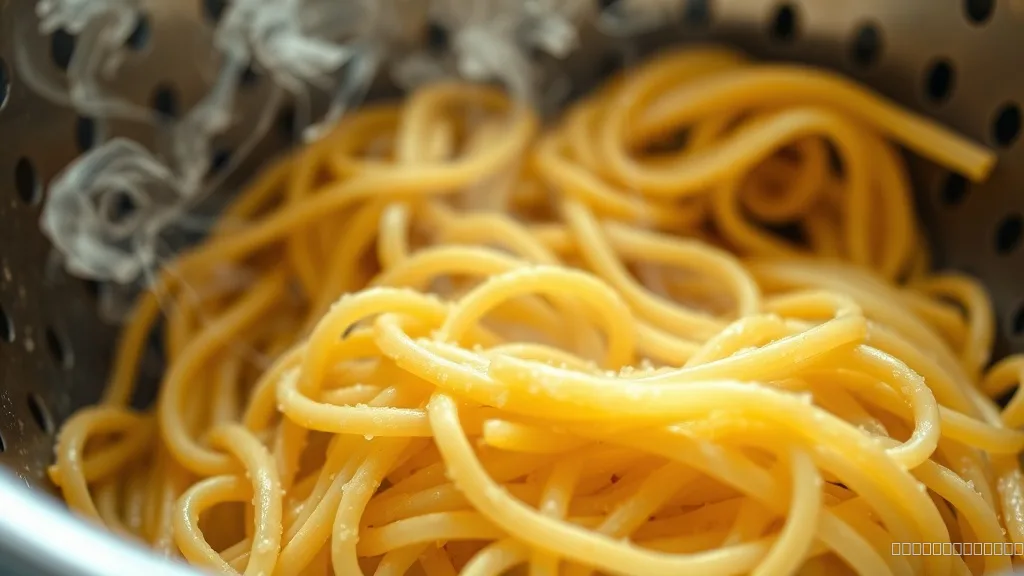
Let me explain why the 'never rinse' rule exists in the first place, with the passion of a tenor explaining love. When you cook pasta, something magical happens in that bubbling pot. The starch molecules in the durum wheat semolina absorb water, swell, and some escape into the cooking water. This creates what we call 'starch slurry'—a cloudy, viscous liquid that's pure culinary gold. When you drain pasta without rinsing, a thin layer of this starchy goodness clings to each strand, creating what I call 'flavor Velcro.'.
- Sauce adhesion: The starchy surface helps sauces cling to pasta instead of sliding off
- Emulsification: Starch helps oil-based sauces emulsify with pasta water
- Texture: Unrinsed pasta has a slightly rougher surface that holds sauces better
- Flavor carrier: Starch carries salt and other flavors from the cooking water
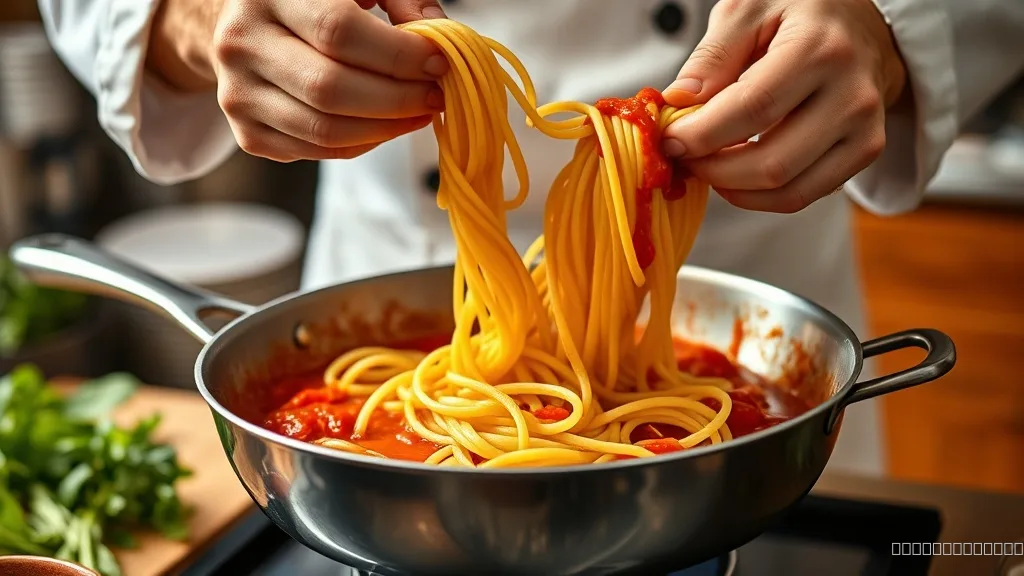
When you rinse hot pasta with cold water, you wash away this precious starch layer. The result? Your beautiful ragù slides right off like a tenor missing his cue. Your carbonara becomes separated and sad. This is why, for most hot pasta dishes served immediately, rinsing is indeed culinary heresy. But—and here comes the dramatic twist—this isn't the whole story!
When Rinsing Becomes Essential: The Exceptions That Prove the Rule
Now we arrive at the heart of our culinary drama! There are specific scenarios where rinsing pasta isn't just acceptable—it's necessary. These exceptions transform our absolute rule into a nuanced guideline worthy of a Shakespearean soliloquy.
The Temperature Tango: Hot vs Cold Pasta Science
Temperature changes everything, my friends! Think of it as the difference between a fiery tarantella and a cool evening breeze. When pasta cools, the starch undergoes retrogradation—the molecules rearrange and become less soluble. Unrinsed pasta left to cool will stick together in one tragic, inseparable mass.
| Situation | Starch Behavior | Rinsing Action |
|---|---|---|
| Hot pasta, served immediately | Starch forms viscous coating that helps sauce cling | Do NOT rinse |
| Pasta cooling for salad | Starch retrogrades, causes clumping | DO rinse with cold water |
| Pasta for baking later | Excess starch makes dishes gummy | Rinse lightly |
| Room temperature holding | Surface starch dries, creates skin | Light rinse or oil toss |
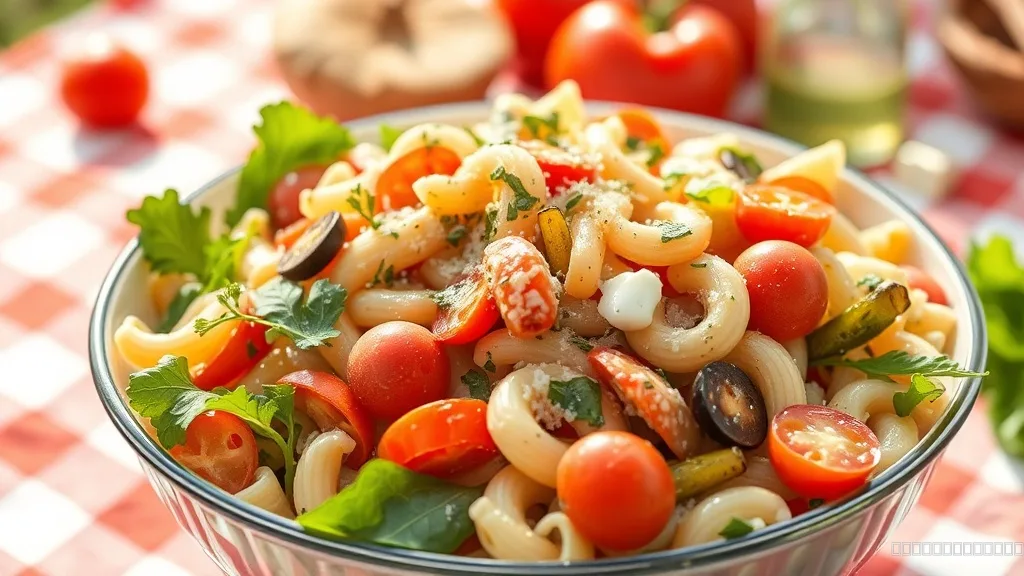
For cold pasta salads, you must rinse with cold water immediately after draining. This accomplishes three things: it stops the cooking process (preserving that perfect al dente texture), washes away excess surface starch (preventing clumping), and cools the pasta quickly (important for food safety if you're adding mayonnaise or dairy).
The Baking Exception: When Starch Becomes the Enemy
Consider lasagna, that magnificent layered masterpiece. If you use unrinsed pasta between your layers, the excess starch will absorb too much liquid during baking, creating a gummy, stodgy texture rather than distinct, tender sheets. A quick rinse—or even better, a blanch and shock method—gives you better control over the final texture.
Food Safety: The Unsung Reason for Rinsing
Here's where we get serious, my friends—no musical metaphors for this movement. When pasta sits at room temperature in its starchy water, it enters what food scientists call the 'danger zone' (40°F-140°F or 4°C-60°C). This is where bacteria multiply fastest. If you're making pasta salad for a picnic or cooking in advance, you must cool the pasta quickly.
- Rinsing with cold water drops the temperature rapidly
- It removes the starchy coating that can harbor bacteria
- It prevents the formation of a sticky surface where microbes thrive
- Essential when pasta will be held before serving
This isn't just about texture—it's about keeping your loved ones safe. For large batches or advance preparation, rinsing becomes a food safety imperative, not just a texture choice.
Practical Guide: To Rinse or Not to Rinse
Let me give you practical wisdom, the kind my grandmother would share over espresso. Here's how to decide in your own kitchen, without drama (well, maybe just a little drama).
Remember: If you do rinse, do it properly. Use cold running water and toss the pasta gently in the colander. Don't let it sit in water—just a quick rinse to remove excess starch. And never, ever rinse if you plan to use the starchy pasta water in your sauce! That liquid is more valuable than the finest olive oil.
FAQ: Your Pasta Rinsing Questions Answered
Does rinsing pasta remove nutrients?
Minimally. You're primarily washing away surface starch, not the nutrients inside the pasta itself. The nutritional difference is negligible compared to the texture benefits in appropriate situations.
What about adding oil to pasta water instead of rinsing?
A common myth! Oil in pasta water doesn't prevent sticking—it just makes your pasta slippery so sauce won't cling. For preventing clumping in cold dishes, rinsing is more effective than oil.
How cold should the rinse water be?
As cold as your tap provides. The goal is to stop the cooking process quickly. Ice water isn't necessary unless you're in a particular hurry.
Should I rinse gluten-free pasta differently?
Gluten-free pasta often releases more starch and can benefit more from rinsing when making cold dishes. The same principles apply, but be gentler as some gluten-free pastas are more fragile.
What if I accidentally rinsed pasta for a hot dish?
All is not lost! Simply toss the rinsed pasta with a tablespoon of the starchy cooking water you saved (you did save some, right?) before adding your sauce. This will help restore some adhesion.
The Final Crescendo: Wisdom Over Rules
So there you have it, my culinary companions! The truth about rinsing pasta is not in absolute commandments but in understanding the science. Like a great opera, it has moments of passion (never rinse your spaghetti carbonara!), moments of tenderness (always rinse for pasta salad), and moments of practical wisdom (rinse for food safety).
The real lesson here is that cooking, like life, resists absolutes. 'Never rinse pasta' served us well as a simple rule for beginners, but now you know the nuances. You understand starch behavior, temperature dynamics, and food safety principles. You can make informed decisions based on what you're cooking, not just blind obedience to tradition.
Now go forth and cook with confidence! And remember: whether you rinse or don't rinse, do it with the passion of an Italian tenor hitting that perfect high note. Buon appetito!
Rate this article
5 out of 5 from 21 ratings

Written by
Matteo Marchetti
Specialises in Italian cuisineMatteo Romano is a singing waiter who moonlights as a food blogger. His recipes rhyme. It's annoying but effective.
Describe yourself in three words: Dramatic, musical, hammy in the best way.