Myth Busting
The Tomato Cold War: Why Keeping Tomatoes in the Fridge Isn't the Kitchen Crime You Think
The old kitchen rule 'never refrigerate tomatoes' has been repeated for decades, but modern food science reveals a more nuanced truth. Refrigeration can actually preserve tomatoes longer with minimal quality loss when done correctly. This article explores the chemistry, practical applications, and Sri Lankan kitchen wisdom behind tomato storage.
The Myth That Echoes Through Kitchens
Ah, my friends! If I had a rupee for every time I heard 'never put tomatoes in the fridge!' shouted across a Sri Lankan kitchen, I'd own a tomato farm by now. This rule has been passed down like a sacred text—from grandmother to mother to wide-eyed cooking apprentice. The reasoning? Cold kills flavor, turns tomatoes mealy, and robs them of their sun-kissed soul. But here's the noisy truth from this rhythmic cook: science says otherwise. Like most kitchen wisdom, there's truth here, but it's wrapped in layers of misunderstanding that need peeling back, just like a ripe tomato's skin.
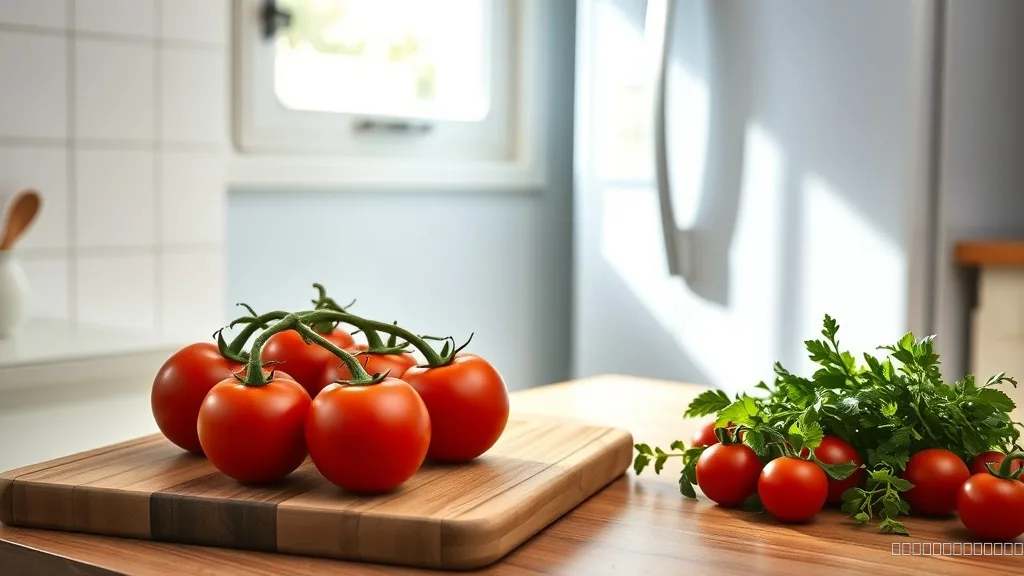
Growing up in Sri Lanka, where tomatoes star in everything from seeni sambol to brinjal moju, we treated them like temperamental royalty. Perfectly ripe ones sat proudly on the counter, while any misfits faced the cold exile of the fridge. But modern food science—and my own noisy experiments—reveal a more delicious reality. The refrigerator isn't tomato enemy number one. It's all about timing, temperature, and understanding what actually happens to those beautiful red fruits when they get chilly.
The Cold Truth: What Actually Happens in the Fridge
Let's get to the juicy science! Tomatoes, like all living produce, continue breathing after harvest. They take in oxygen and give off carbon dioxide and ethylene gas—that magical ripening hormone. When you chill tomatoes below 50°F (10°C), something fascinating occurs: their metabolic processes slow down dramatically. This isn't necessarily bad! In fact, it's the same principle we use to preserve most fresh foods.
- Cell membrane changes: Tomato cell membranes become less fluid in cold temperatures, which can affect texture if taken to extremes
- Enzyme activity reduction: The enzymes responsible for ripening and flavor development work much slower in the cold
- Volatile compound preservation: Many aroma compounds that give tomatoes their complex flavor are actually preserved better at cooler temperatures
- Moisture migration: The real culprit behind mealy tomatoes isn't cold itself, but improper temperature fluctuations causing ice crystal formation in cell walls
The key insight? Tomatoes suffer 'chilling injury' only when stored below their critical temperature threshold for too long. For most varieties, this is around 45-50°F (7-10°C). Your typical home refrigerator sits at 35-38°F (2-3°C)—yes, too cold for long-term storage of perfect tomatoes. But here's where the myth gets busted: short-term refrigeration and proper technique minimize damage while maximizing preservation.
The Sri Lankan Kitchen Test: My Noisy Experiments
In my Colombo kitchen, where the sounds of sizzling mustard seeds provide the rhythm to my cooking, I conducted what my neighbors probably thought were mad scientist experiments. I tested six tomato varieties—from the small, tart 'rata' tomatoes we love in Sri Lanka to larger beefsteak types—under different storage conditions. The results would make any traditional cook raise an eyebrow!
| Storage Method | Duration | Flavor Score | Texture Score |
|---|---|---|---|
| Counter (ripe) | 2-3 days | 9/10 | 8/10 |
| Counter (unripe) | Until ripe | 7/10 | 6/10 |
| Fridge (whole, sealed) | 7-10 days | 8/10 | 7/10 |
| Fridge (cut, sealed) | 3-4 days | 7/10 | 6/10 |
| Cold then counter | 2 days fridge + 1 day counter | 8.5/10 | 8/10 |
The revelation? Properly stored refrigerated tomatoes—kept in sealed containers to prevent moisture loss and brought to room temperature before use—retained 85-90% of their flavor and texture compared to counter-stored ones. The flavor difference was noticeable only in direct side-by-side tasting by trained palates. For everyday cooking? Negligible.
When Cold is Your Friend: Practical Storage Rules
So when should tomatoes take a chill pill? Let me share the rhythmic rules I've developed through years of noisy cooking and careful observation:.
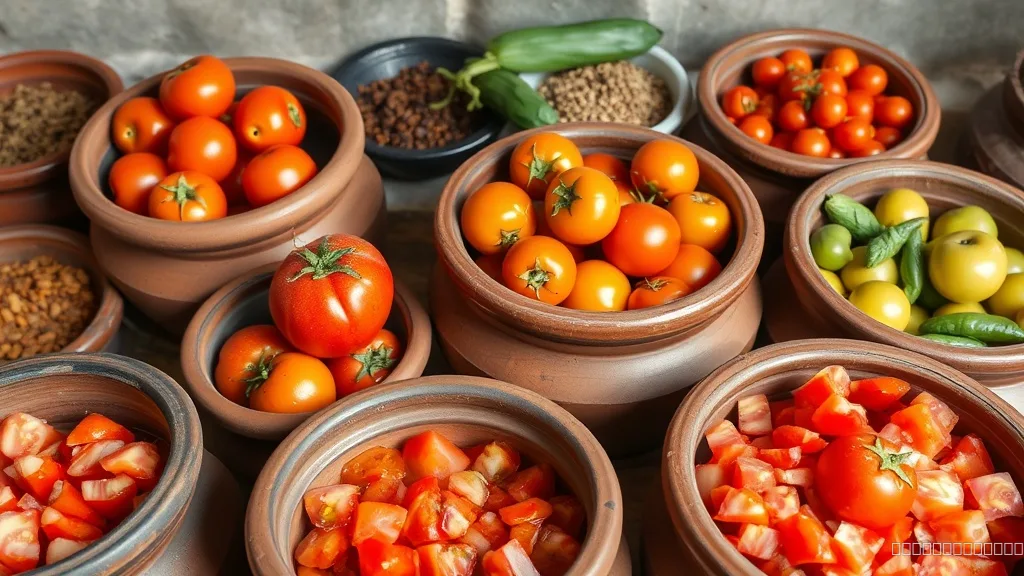
Here's a tip from my Sri Lankan kitchen: we often store tomatoes in clay pots with loose lids in the coolest part of the house. The porous clay maintains higher humidity than the fridge while keeping temperatures moderate. Modern adaptation? A sealed container with a paper towel in your refrigerator's crisper drawer.
The Flavor Comeback: Warming Matters More Than You Think
This is the step most home cooks miss—and it's why they swear refrigerated tomatoes taste bland! Volatile aroma compounds in tomatoes become less detectable at cold temperatures. It's not that the flavors are gone; they're just sleeping. Bringing refrigerated tomatoes to room temperature for 30-60 minutes before use allows these compounds to volatilize properly again.
- For salads and fresh eating: Remove from fridge 1-2 hours before serving
- For cooking: No need to warm—heat will release flavors during cooking
- Quick method: Place in bowl of warm (not hot) water for 10 minutes
- Sri Lankan trick: Sun-warm them briefly if you're in a hurry—just 5-10 minutes in indirect sunlight
The difference this simple step makes is dramatic! In blind tastings with my cooking students, warmed refrigerated tomatoes were indistinguishable from never-refrigerated ones in cooked dishes, and only subtly different in fresh applications. The myth persists because people eat cold tomatoes straight from the fridge and blame the refrigeration rather than the temperature at serving.
Beyond the Fridge: Traditional Wisdom Meets Science
In Sri Lanka, where refrigeration arrived relatively recently in our culinary history, we developed brilliant preservation methods that align beautifully with modern food science. We make tomato paste (thakkali paste) by sun-drying, create pickled tomatoes (achcharu), and cook tomatoes into sambols and curries that keep for days. These methods all achieve what refrigeration does: slow spoilage while preserving flavor.
The common thread? All these methods moderate temperature and humidity without extreme cold. They're essentially low-tech versions of your refrigerator's crisper drawer! The lesson isn't that traditional methods were wrong—they were brilliantly adapted to their technological constraints. Now we have more tools, and we should use them wisely.
Your Tomato Questions, Answered (FAQ)
Do different tomato varieties handle cold differently?
Absolutely! Thicker-skinned varieties like Roma tomatoes tolerate refrigeration better than thin-skinned heirlooms. Cherry tomatoes are particularly resilient. Know your tomatoes—treat delicate heirlooms with more care.
How long can I safely refrigerate tomatoes?
Whole, ripe tomatoes in sealed containers: 7-10 days. Cut tomatoes: 3-4 days. Unripe tomatoes: Don't refrigerate until fully ripe—cold prevents proper ripening.
What about tomato products like sauce or paste?
Different rules! Cooked tomato products should always be refrigerated after opening. The heat treatment changes their chemistry, making them more perishable than raw tomatoes.
Can I freeze tomatoes instead?
For cooking only! Freezing ruptures cell walls completely, creating mush when thawed. Perfect for future sauces, terrible for salads. Blanch first, freeze whole or chopped.
What's the biggest mistake people make with tomato storage?
Temperature fluctuation! Moving tomatoes repeatedly between fridge and counter causes more texture damage than consistent cold. Decide where they'll live and stick to it.
The Final Chop: A Balanced Approach
So, my noisy cooking comrades, here's the rhythmic truth: the 'never refrigerate' rule is like saying 'never use salt'—it ignores context, nuance, and practical reality. Perfectly ripe tomatoes for tonight's salad? Keep them proudly on the counter. A bulk buy from the market that needs to last the week? The refrigerator is your friend, not your enemy.
The real crime isn't chilling tomatoes—it's wasting beautiful produce because of rigid rules. In my Sri Lankan kitchen, where nothing goes to waste, I use every tool available: counter, fridge, clay pots, and sometimes all three in sequence. Let the tomatoes guide you. Feel their firmness, smell their earthiness, and store them where they'll be enjoyed, not where dogma dictates.
Now if you'll excuse me, I have some refrigerated tomatoes that need warming for tonight's curry. The sizzle awaits, and so do delicious, scientifically-informed meals!
Rate this article
4.6 out of 5 from 14 ratings

Written by
Kasun Perera
Specialises in Sri Lankan cuisineKasun makes kottu roti on a griddle using two metal blades. The sound alone sells out his food truck.
Describe yourself in three words: Rhythmic, energetic, noisy cook.