Myth Busting
Why You've Been Over-Proofing Your Bread (And Didn't Know It)
Discover how to identify and avoid over-proofing your bread dough with clear, science-backed guidance. Learn the subtle signs and simple fixes that will transform your home baking results.
Why You've Been Over-Proofing Your Bread (And Didn't Know It)
Hello from my nocturnal kitchen, where the only light comes from the oven window and the moon outside. I'm Nabin Gurung, and while my neighbors sleep, I'm watching dough rise with the patience of a Himalayan shepherd waiting for dawn. You see, in Nepal, we understand fermentation like we understand mountains—both require timing, respect, and knowing when to stop. Today, let's climb this particular peak together: the misunderstood art of proofing bread.
The Silent Saboteur: What Over-Proofing Really Means
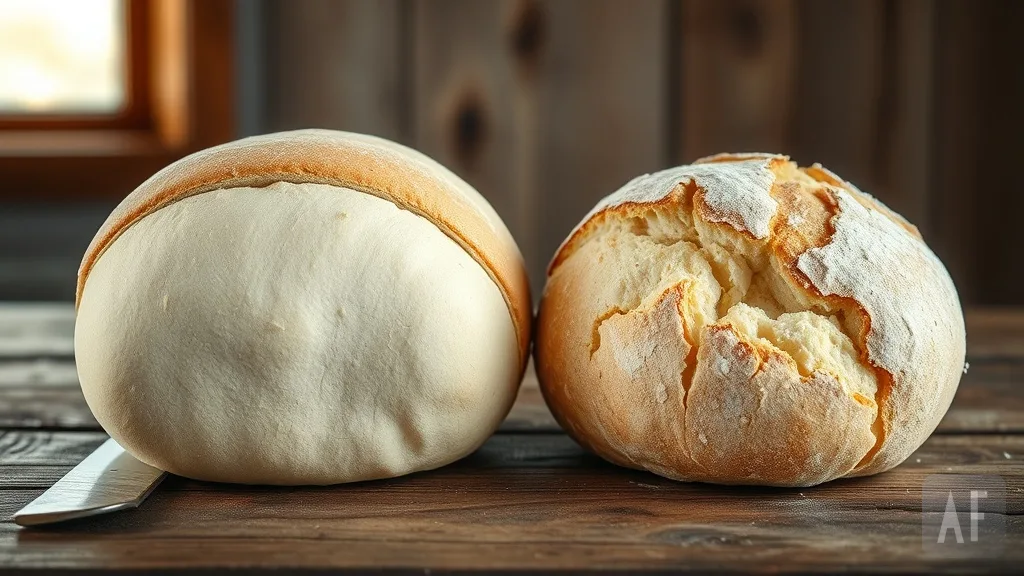
Over-proofing isn't about time on a clock. It's about yeast exhausting its food supply and collapsing the gluten structure it worked so hard to build. Think of your dough as a tiny universe where yeast organisms are busy construction workers. They eat sugars, produce carbon dioxide (which creates those beautiful air pockets), and strengthen the gluten network that holds everything together.
When proofing goes too long, these workers run out of materials. The gluten structure becomes overstretched and weak—like a balloon blown up too much. The result? Bread that collapses in the oven, has a dense crumb, or lacks that satisfying oven spring we all chase. Most home bakers miss the subtle signs because they're following rigid timetables rather than reading their dough's actual condition.
The Science Behind the Collapse: Yeast's Life Cycle in Your Dough
Let's pull back the curtain on what's actually happening at the microscopic level. Yeast (Saccharomyces cerevisiae) goes through predictable phases in your dough:.
- Lag Phase: Yeast wakes up and adjusts to its new environment (your dough mixture)
- Exponential Growth: Yeast multiplies rapidly, producing maximum CO₂—this is your ideal proofing window
- Stationary Phase: Growth slows as food depletes—entering danger territory
- Death Phase: Yeast dies off, CO₂ production stops, and enzymes break down gluten—full over-proofing
The critical insight? Your dough is ready not when a timer dings, but during that exponential growth phase. Temperature, humidity, flour type, and yeast freshness all shift this timeline. That's why my grandmother's roti recipe never included minutes—only 'until it feels like a baby's cheek.'.
The Telltale Signs: How to Spot Over-Proofing Before It's Too Late
Learning to read your dough is like learning a new language. Here are the physical signs that tell you when you've crossed from perfectly proofed to over-proofed:.
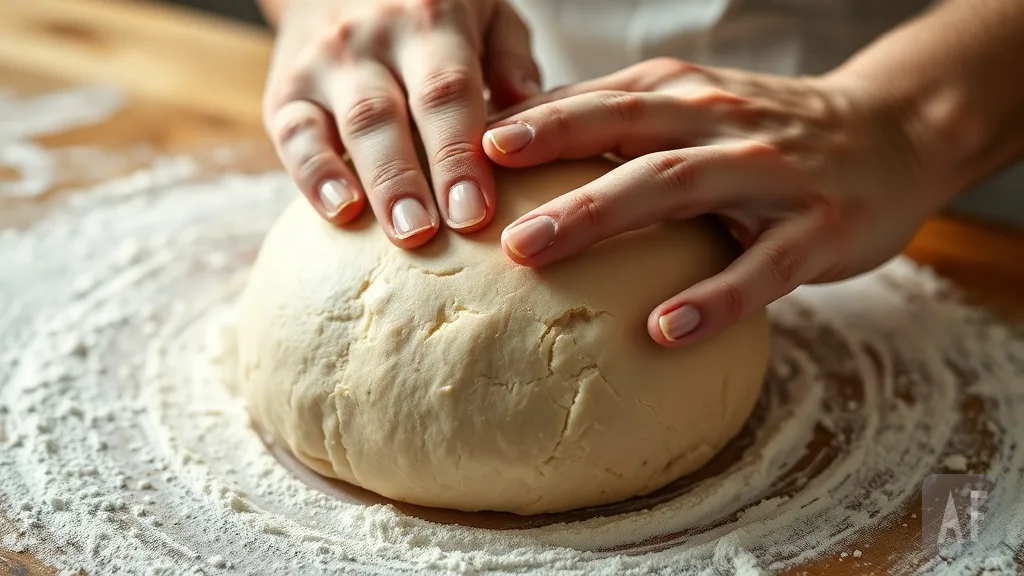
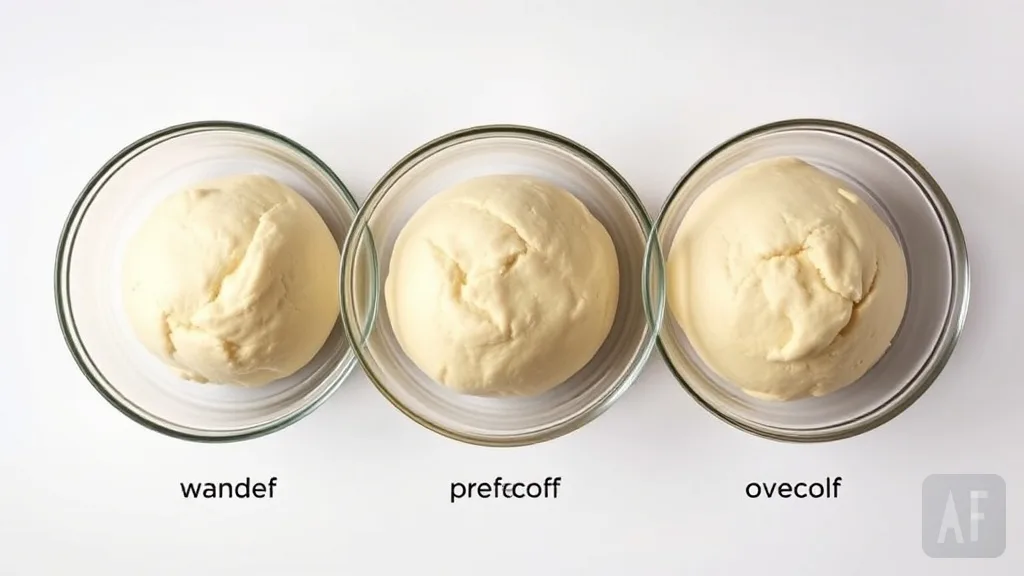
- The Finger Dent Test: Gently press a floured finger about ½ inch into the dough. Perfect proofing: the indentation springs back slowly but doesn't completely disappear. Over-proofed: the dent remains or the dough collapses.
- Surface Texture: Properly proofed dough has a smooth, taut surface. Over-proofed dough looks wrinkled, deflated, or has visible large bubbles just under the surface.
- Size Increase: Dough should roughly double in volume. If it's tripled or more, you're likely over-proofed.
- Smell: Fresh, slightly yeasty aroma means active fermentation. A sharp, alcoholic smell indicates yeast has moved into secondary fermentation—a warning sign.
Remember what my baking teacher in Kathmandu used to say: 'Dough speaks in whispers, not shouts.' The signs are subtle but unmistakable once you learn the language.
The Environmental Factors: Why Your Kitchen Isn't a Laboratory
Here's where most recipes fail us. They assume your kitchen has the same conditions as the test kitchen where the recipe was developed. But temperature and humidity dramatically affect proofing speed:.
| Temperature | Approximate Proofing Time | Effect on Yeast |
|---|---|---|
| 60°F (15°C) | 4-6 hours | Very slow, minimal risk of over-proofing |
| 70°F (21°C) | 2-3 hours | Standard room temp, typical recipe timing |
| 80°F (27°C) | 1-2 hours | Fast fermentation, high over-proofing risk |
| 90°F (32°C) | 45-90 minutes | Extremely fast, requires close monitoring |
Humidity matters too. Dry air can form a crust on your dough, trapping gas inside and creating false readings. A simple bowl cover or damp cloth prevents this. In my night kitchen, I've learned to adjust based on whether the monsoon rains are making everything damp or the dry season is pulling moisture from the air.
Rescue Operations: What to Do With Over-Proofed Dough
Don't despair if you've over-proofed. Unlike my attempts to stay awake past sunrise, this is fixable. The severity determines your approach:.
For slight cases: gently deflate, reshape, and give a shorter second proof (30-60 minutes). For moderate cases: add a small amount of fresh flour (1-2 tablespoons per loaf), knead briefly to rebuild gluten, then proof again. For severe cases: turn it into focaccia, pizza dough, or discard it and start fresh—sometimes the mountain wins, and that's okay.
Prevention Strategy: Building Your Proofing Intuition
The best solution is developing your own sense of timing. Here's my nocturnal baker's method:.
- Start with visual markers: Place your dough in a straight-sided clear container and mark the starting level with tape. Double volume is your target.
- Use the windowpane test before proofing: Stretch a small piece of dough between your fingers. If it forms a thin, translucent membrane without tearing, your gluten is developed enough for successful proofing.
- Create consistent conditions: If your kitchen varies, use your oven with just the light on (creates about 80°F/27°C) or a cooler spot for slower fermentation.
- Keep a baking journal: Note dough behavior with different flours, yeast brands, and seasons. You'll spot patterns within a few bakes.
In the mountains where I grew up, we didn't watch clocks to know when to plant or harvest—we watched the plants themselves. Your dough will teach you if you listen.
Bread Proofing FAQ: Your Midnight Questions Answered
Can I refrigerate dough to prevent over-proofing?
Absolutely. Cold fermentation (retarding) slows yeast activity dramatically. Your dough can proof in the refrigerator for 12-48 hours, developing flavor while minimizing over-proofing risk. Perfect for overnight doughs.
Does sugar content affect proofing time?
Yes, significantly. More sugar means more food for yeast, potentially faster fermentation. Sweet doughs often proof quicker but can also over-proof faster once sugar is consumed. Reduce proofing time by 25-30% for doughs with substantial sugar.
How does altitude affect proofing?
At higher altitudes, lower air pressure allows gases to expand more easily. Dough may rise faster but with weaker structure. Reduce yeast by 15-25% at elevations above 3,000 feet and watch carefully for signs of readiness.
Can I save severely over-proofed dough?
Sometimes, but manage expectations. Mix it with fresh dough (up to 50% old dough) to make a 'pre-ferment' style loaf, or bake it anyway—you'll get flatbread rather than lofty loaf. The flavor might be more sour, but it's still edible.
Why does my dough sometimes over-proof in the middle but not the edges?
Temperature variation. The center of your dough mass stays warmer than the edges. Try proofing in a thinner layer or rotating the dough during proofing. This is common with large batches or in cool kitchens.
The moon is setting as I write this, which means my baking window is closing. Remember: proofing isn't a race or a precise measurement. It's a conversation between you, your ingredients, and your environment. Listen closely, and your bread will tell you exactly what it needs. Now if you'll excuse me, I have some dough that's whispering it's ready for the oven.
Rate this article
4.6 out of 5 from 14 ratings

Written by
Nabin Gurung
Specialises in Nepalese cuisineNabin makes momos at 3am when he can't sleep. His chili oil is classified as a controlled substance by his roommates.
Describe yourself in three words: Sleepy but brilliant, lives nocturnally.