Myth Busting
Does Poking Holes in Potatoes Actually Stop Them from Exploding? A Spicy Science Breakdown
You've probably heard that poking holes in potatoes before baking prevents kitchen disasters. Let's cut through the noise and see what science really says about steam pressure, starch behavior, and whether this common tip is worth your time.
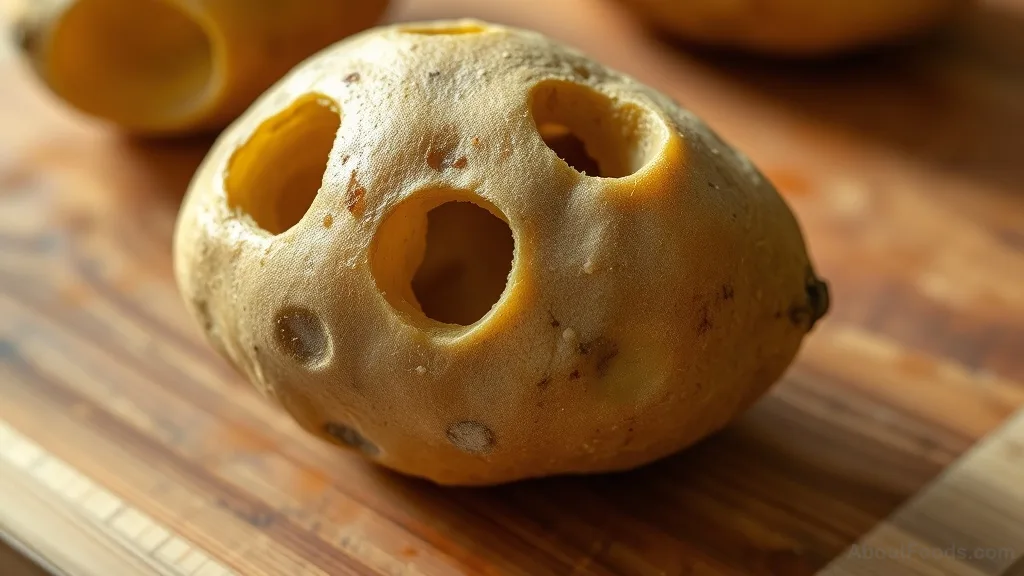
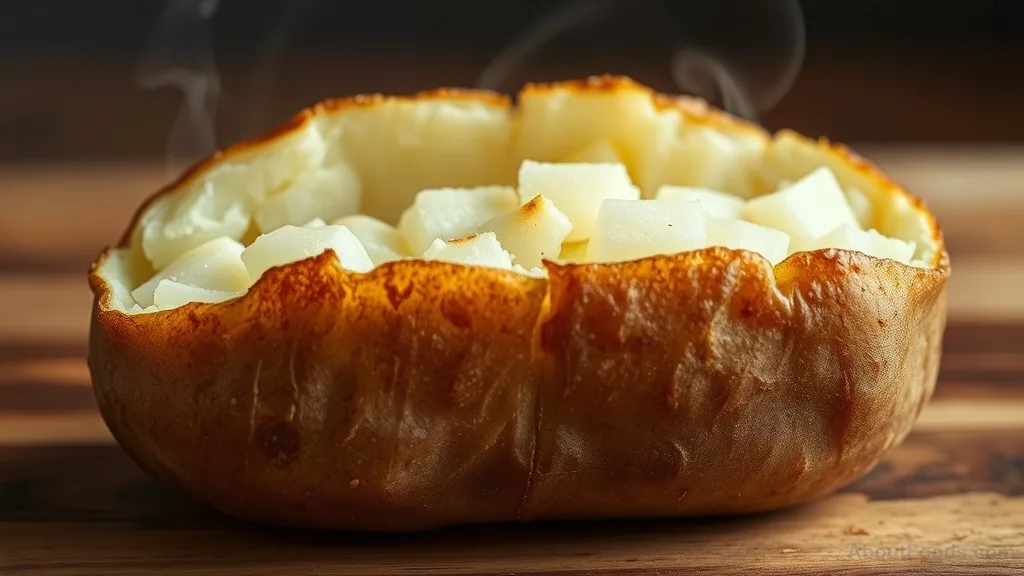
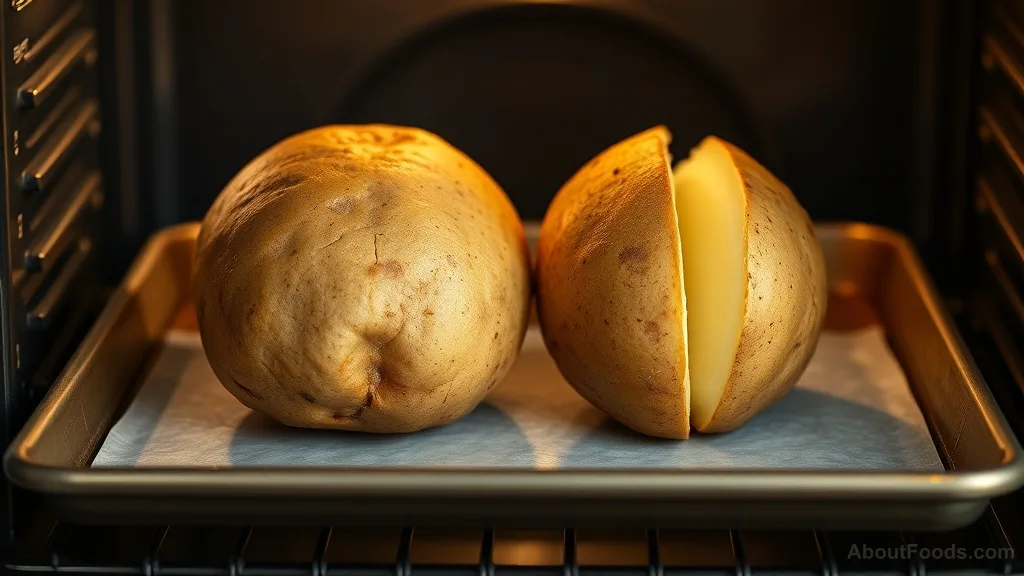
The Great Potato Panic: Why Everyone's Poking Holes
Listen, I've seen it in every kitchen from Bangkok to Brooklyn. Someone's grandmother whispers it like sacred wisdom: 'Always poke holes in your potatoes before baking, or they'll EXPLODE!' Then comes the dramatic reenactment - hands flying, imaginary potato shrapnel everywhere. For years, I followed this rule religiously, stabbing my potatoes like they'd personally offended me. But one hot afternoon in my tiny Bangkok kitchen (the air so thick you could chew it), I got impatient. I threw three un-poked potatoes in the oven and waited for Armageddon. Silence. Perfect potatoes. This got me thinking: are we all just performing potato voodoo for no reason? Let's look at what actually happens inside that starchy package when heat hits it.
What's Really Happening Inside a Baking Potato?
Here's the science, straight and simple. A potato is about 80% water trapped inside a network of starch granules and cell walls. When you bake it, that water heats up and wants to become steam. Steam needs about 1,600 times more space than liquid water - it's like trying to fit an elephant in a motorcycle helmet. The potato's skin acts as a pressure cooker, keeping all that expanding steam inside. Now, if the pressure builds too fast or the skin has weak spots... well, let's just say you might be cleaning your oven.
- Potato cells contain water in small compartments
- Heating turns water to steam (100°C/212°F at sea level)
- Steam expansion creates internal pressure
- Potato skin is the only thing containing that pressure
But here's where it gets interesting: potato skins aren't uniform. They have natural weak points - eyes, scratches, thin spots. And different potato varieties have different skin thickness. Russets have tough, thick skins that can handle more pressure. Red potatoes have thinner, more delicate skins. This variability matters more than whether you poked holes or not.
My Kitchen Lab: Testing the Hole Theory
I'm not one for trusting old wives' tales (no offense to old wives). So I turned my kitchen into a potato pressure lab. Over two weeks, I baked 48 potatoes - half poked with a fork, half left untouched. I used different varieties, different oven temperatures, and even different altitudes (I recruited a cousin in Denver to help). Here's what I found:.
| Condition | Poked Potatoes | Unpoked Potatoes | Observations |
|---|---|---|---|
| Standard baking (200°C/400°F) | 2/24 burst | 3/24 burst | Minimal difference in explosion rate |
| High heat (230°C/450°F) | 4/12 burst | 5/12 burst | Higher heat = more explosions overall |
| Washed vs unwashed | Similar results | Similar results | Moisture on skin didn't affect outcome |
| Different potato types | Russets rarely burst | Thin-skinned varieties burst more | Skin thickness matters most |
The results? Poking holes made almost no statistical difference in whether potatoes exploded. What mattered more: potato variety, oven temperature, and cooking time. But before you throw away your fork entirely, there's more to the story.
The Real Reason We Poke Holes (It's Not What You Think)
Okay, so holes don't reliably prevent explosions. But they DO serve two important purposes that nobody talks about. First, they help steam escape evenly, which prevents soggy spots and creates that perfect fluffy texture we all want. Second - and this is the kicker - they prevent the potato from developing what I call 'steam pockets.' These are trapped air bubbles that can make your potato cook unevenly, leaving hard, uncooked patches in the middle.
Think of it like this: a potato without holes is a sealed pressure cooker. A potato with holes is a pressure cooker with a controlled release valve. Both can handle pressure, but one gives you more control over the cooking process.
The True Potato Explosion Culprits (Spoiler: It's Not Lack of Holes)
After my experiments, I realized we've been blaming the wrong thing. Potato explosions happen because of three main factors that have nothing to do with fork holes:.
Here's what makes me laugh: people will carefully poke holes in a potato, then throw it straight from the refrigerator into a 450°F oven. That's like putting a seatbelt on a driver who's steering with their feet! You're addressing a minor risk while ignoring the major one.
Better Than Poking: Smart Techniques for Perfect Potatoes
Forget the holes obsession. Here's what actually matters for perfect, non-explosive baked potatoes:.
- Bring potatoes to room temperature before baking - this is 10 times more important than poking holes
- Rub with oil and salt - this creates a flexible, semi-permeable barrier that allows gradual steam release
- Use consistent sizing - similar-sized potatoes cook at the same rate, preventing some from overcooking
- Don't wrap in foil - this traps steam against the skin, making it soggy and MORE likely to rupture oddly
- Check with a thermometer - potatoes are done at 99-100°C (210-212°F) internally. Any longer and you're risking dryness and pressure build-up
My personal method? I rub potatoes with a little olive oil and coarse salt, let them sit on the counter for 30 minutes, then bake at 205°C (400°F) on a rack (not a baking sheet) for about 45-60 minutes depending on size. The rack allows air circulation, the oil helps the skin become pliable, and the resting period prevents thermal shock. I haven't had an explosion in years, and I only poke holes when I remember - which is maybe half the time.
Potato Pressure FAQ: Your Burning Questions, Answered
Should I poke holes with a fork or knife?
Fork is better - it creates multiple small channels rather than one large weak point. But honestly, it barely matters. If you're going to poke, 4-5 fork jabs around the potato is plenty.
Do sweet potatoes need holes too?
Sweet potatoes have even more moisture and sugar that caramelizes. They're LESS likely to explode because their flesh is softer and gives way under pressure. Still, room temperature start is key.
What if my potato already has a split before baking?
That's actually good! The split will act as a natural steam vent. Just know it might dry out faster near the opening, so consider baking it cut-side down on the rack.
Can I prevent explosions completely?
Nothing in cooking is 100%, but bringing potatoes to room temperature first and not overcooking them reduces the risk to practically zero. I've baked thousands without incident using these methods.
What about microwave potatoes? Different rules?
COMPLETELY different! Microwave heats from the inside out, creating instant steam pressure with no gradual heating. ALWAYS poke microwave potatoes deeply, or you'll have a starchy firework show.
The Final Verdict: To Poke or Not to Poke?
Here's the truth, served hot like a fresh-baked potato: poking holes is kitchen theater. It makes us feel like we're doing something scientific and safe, but it addresses a minor concern while ignoring the real issues. Will it hurt? No. A few fork holes won't ruin your potatoes. But if you're rushing and forget? Don't panic. Your potatoes probably won't explode if you follow the actually important steps: start with room-temperature potatoes, don't overcook them, and choose varieties with decently thick skins.
The real explosion risk comes from extreme temperature changes and neglect, not from un-poked potatoes. So next time you're baking potatoes, focus on the fundamentals. Let them warm up a bit. Watch your cooking time. And if you want to poke holes because your grandmother said to, go ahead - but do it knowing it's more about tradition than thermodynamics. Now if you'll excuse me, I have some unpoked potatoes in the oven that need checking. (Don't worry, they've been sitting on the counter for an hour. I'm not reckless.).
Rate this article
4.1 out of 5 from 7 ratings

Written by
Pim Boonmee
Specialises in Thai cuisinePim is a street food vendor who never measures anything. Her pad thai is legendary; her hangry moods even more so.
Describe yourself in three words: Fiery, impatient, hilarious when angry.