Myth Busting
The Great Egg-Salting Debate: To Season Before or After Cooking?
The old kitchen rule warns against salting eggs before cooking, claiming it makes them watery and tough. We examine the science behind this myth and reveal when timing actually matters—and when it doesn't. Learn how to achieve perfect eggs every time, whether scrambled, fried, or poached.
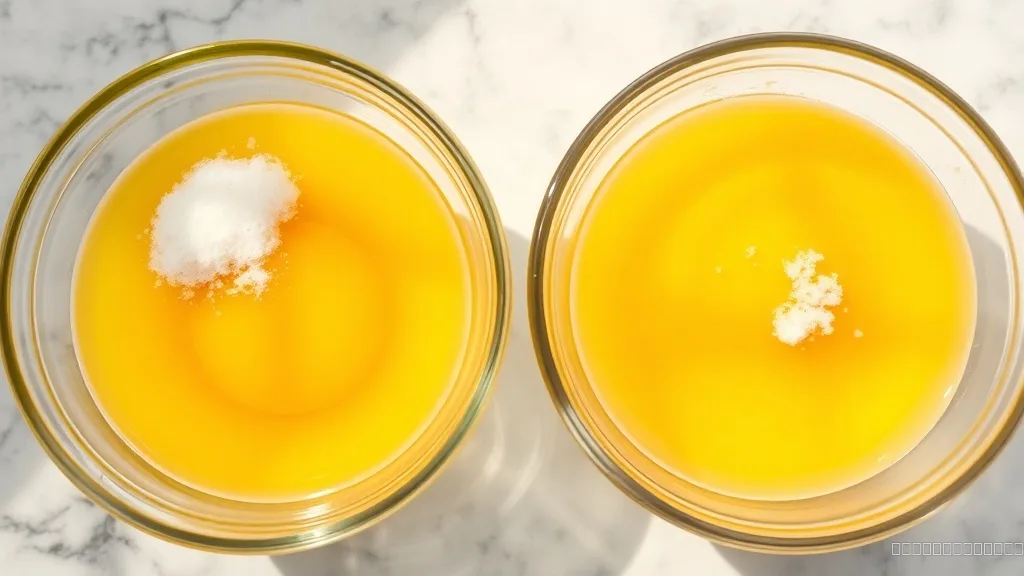
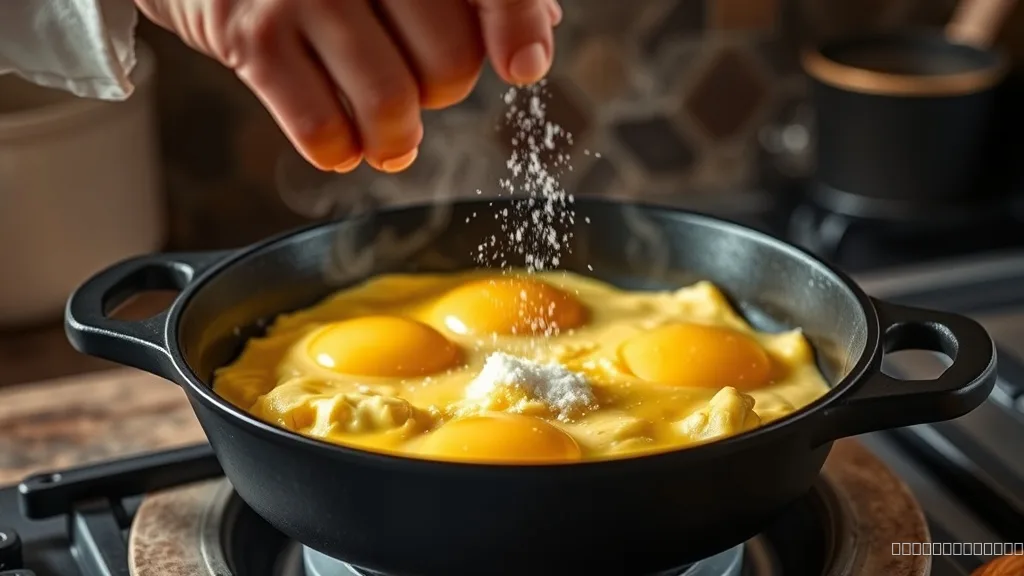
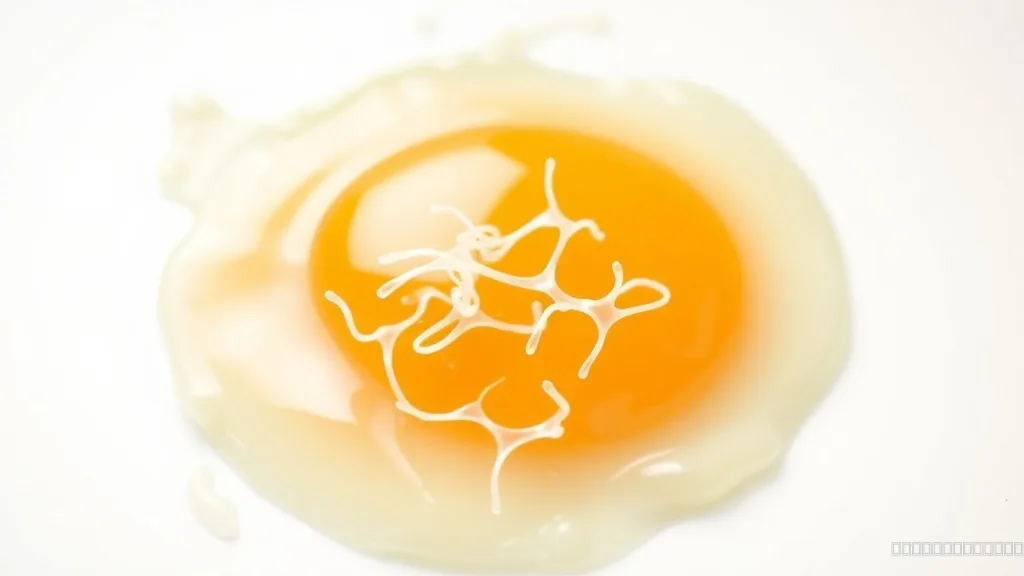
The Old Rule: Never Salt Your Eggs Before Cooking
In my grandmother's kitchen in Moscow, this was gospel: 'Never salt eggs before cooking—it will make them tough and watery.' She would watch with stern disapproval if anyone reached for the salt shaker before the eggs hit the pan. This rule has been passed down through generations, from French chefs to American home cooks. But as someone who has spent years studying food science while maintaining a stoic Russian approach to kitchen efficiency, I've learned to question even the most cherished traditions. Let's examine what actually happens when salt meets raw egg.
The Science of Egg Proteins: What Salt Really Does
Eggs are protein powerhouses—about 12-13% protein by weight. The proteins in egg whites (mainly ovalbumin) and yolks (livetins and phosvitins) are coiled up in their natural state. When heated, these proteins unwind (denature) and bond together (coagulate), transforming from liquid to solid. This is what gives cooked eggs their structure.
Salt affects this process in two ways:.
However, the key word is 'potentially.' The actual impact depends on timing, quantity, and cooking method—not an absolute rule.
Testing the Myth: What Happens in Real Cooking?
I conducted controlled tests in my kitchen laboratory—because in Russia, we don't just accept rules, we test them. Here's what I found when comparing eggs salted at different times:.
| Salting Time | Effect on Scrambled Eggs | Effect on Fried Eggs | Scientific Explanation |
|---|---|---|---|
| 30+ minutes before cooking | Slightly more watery, less fluffy | Minimal difference | Salt draws out moisture through osmosis over time |
| Immediately before cooking (0-2 min) | Negligible difference | Negligible difference | Insufficient time for significant osmosis |
| During cooking | Good texture, even seasoning | Good texture, even seasoning | Salt dissolves in cooking liquid/fat |
| After cooking | Best texture, most control | Best for delicate yolks | No moisture loss, seasoning stays on surface |
The dramatic 'tough and watery' outcome only appears with prolonged contact—30 minutes or more—between salt and raw eggs. For most home cooking where eggs go from bowl to pan in under five minutes, the difference is minimal.
When Timing Actually Matters: The Exceptions
While the blanket rule is mostly myth, there are specific situations where salting timing makes a noticeable difference:.
For everyday scrambled eggs? The difference between salting immediately before versus after cooking is subtle enough that most home cooks won't notice—especially if you're cooking efficiently and not letting salted eggs sit.
Practical Guide: How to Salt Different Egg Dishes
As a 'freezer queen' who values both quality and efficiency, here's my evidence-based approach to salting eggs:.
Remember: The amount of salt matters more than timing. Over-salting at any stage will ruin eggs faster than early salting.
Common Mistakes and How to Avoid Them
Through years of teaching and testing, I've seen these errors repeatedly:.
- Letting salted eggs sit too long: If you must salt ahead, keep it under 10 minutes.
- Using fine table salt instead of kosher salt: Larger crystals dissolve more slowly, reducing immediate osmotic effect.
- Forgetting that other ingredients contain salt: Cheese, bacon, and sauces add saltiness—adjust accordingly.
- Overcompensating for 'wateriness' by overcooking: This creates rubbery eggs, not better eggs.
The Russian approach: Measure twice, salt once. Or in this case, time your salting thoughtfully.
FAQ: Your Egg-Salting Questions Answered
Does salting eggs before cooking really make them rubbery?
Only if you let them sit salted for 30+ minutes before cooking. For immediate cooking, the texture difference is minimal. Overcooking is a far more common cause of rubbery eggs.
What about adding other seasonings like pepper or herbs?
Dry herbs and spices can be added anytime. Fresh herbs are best added at the end to preserve flavor and color. Pepper's oils aren't affected by timing the way salt is.
Does this apply to egg whites only or whole eggs?
Whole eggs are slightly more resistant to moisture loss because yolks contain emulsifiers that help retain water. But the principle applies to both.
I've heard chefs say to salt eggs 15 minutes before. Who's right?
Some chefs claim this 'relaxes' proteins for creamier eggs. The science doesn't strongly support this, but if it works for your technique, continue. Cooking is both science and art.
What's the bottom line for home cooks?
Don't stress about salting timing unless you're making exceptionally delicate eggs or letting them sit. Focus on proper heat control, fresh eggs, and not overcooking. Salt during or after cooking for guaranteed best results.
Conclusion: A Rule Worth Breaking (Sometimes)
The old rule contains a kernel of scientific truth—salt can draw moisture from eggs over time—but has been exaggerated into an absolute prohibition. In my stoic Russian kitchen, I value efficiency too much to worry about salting eggs two minutes before versus two minutes after cooking. The real secrets to perfect eggs are fresh ingredients, proper heat control, and avoiding overcooking.
So next time you make eggs, salt them when it's convenient. If you're cooking immediately, salt before. If you want maximum insurance for fluffy scrambled eggs, salt at the end. But never let a kitchen myth prevent you from seasoning to taste. As we say in Russia, 'Measure your worries against your results.' The difference here is smaller than most fears suggest.
Rate this article
4.3 out of 5 from 11 ratings

Written by
Anya Ivanov
Specialises in Russian cuisineAnya makes pelmeni in batches of 500. She says freezing them is the only way to survive winter.
Describe yourself in three words: Stoic, efficient, freezer queen.