Food Safety And Preservation
The Science Behind Food Safety and Preservation: A Home Cook's Essential Guide
Understanding the science of food safety and preservation helps prevent illness and reduce waste in your kitchen. This article explains key principles like temperature control, acidity, and moisture management in simple, practical terms. Learn how to apply these concepts to everyday cooking for safer, longer-lasting meals.
Introduction: Why Food Safety Matters in Your Kitchen
Hello, I'm Aiko Sato, and as a little rice-shaped creature who loves precision in cooking, I want to share how understanding food science can make your kitchen safer and more efficient. Food safety isn't just about avoiding illness—it's about respecting ingredients and reducing waste. Every year, improper food handling causes millions of cases of foodborne illness, but with some basic scientific knowledge, you can prevent most problems. This guide will explain the key principles in a way that's both accurate and practical for home cooks.
The Temperature Danger Zone: Where Microbes Thrive
The most important concept in food safety is the temperature danger zone: 40°F to 140°F (4°C to 60°C). In this range, bacteria like Salmonella, E. coli, and Listeria can double in number every 20 minutes. Think of it as a microbial party zone—you want to keep your food out of this range as much as possible. When cooking, you need to bring foods through this zone quickly, and when cooling, you need to pass through it rapidly.
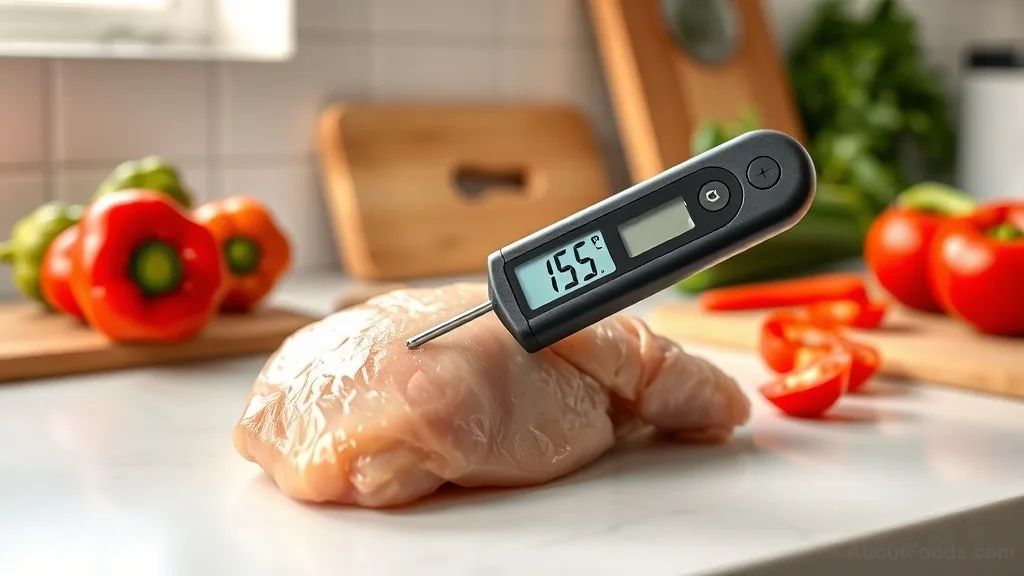
A common mistake is leaving cooked food on the counter to cool slowly. Instead, divide large portions into smaller containers and refrigerate within two hours (one hour if the room temperature is above 90°F/32°C). As a precise rice creature, I recommend using a thermometer—it takes the guesswork out of food safety!
The Role of Acidity and Moisture in Preservation
Preservation works by creating conditions where harmful microorganisms can't grow. Two key factors are acidity (pH) and moisture (water activity). Most bacteria struggle to multiply in environments with a pH below 4.6—that's why pickling with vinegar works so well. Similarly, reducing available water through drying, salting, or adding sugar inhibits microbial growth.
| Method | How It Works | Example Foods |
|---|---|---|
| Pickling | Lowers pH with acid (vinegar) | Cucumbers, onions, eggs |
| Drying | Reduces water activity | Jerky, herbs, fruits |
| Salting | Draws out moisture via osmosis | Fish, preserved meats |
| Sugar preservation | Binds water molecules | Jams, jellies, candied fruits |
| Freezing | Slows microbial growth dramatically | Most foods except high-water vegetables |
In Japanese cooking, we often use rice vinegar for quick pickles—it's both delicious and scientifically sound! Remember that these methods work together; for instance, fermented foods like miso combine acidity, salt, and beneficial microbes for preservation.
Proper Storage: Organizing Your Refrigerator and Pantry
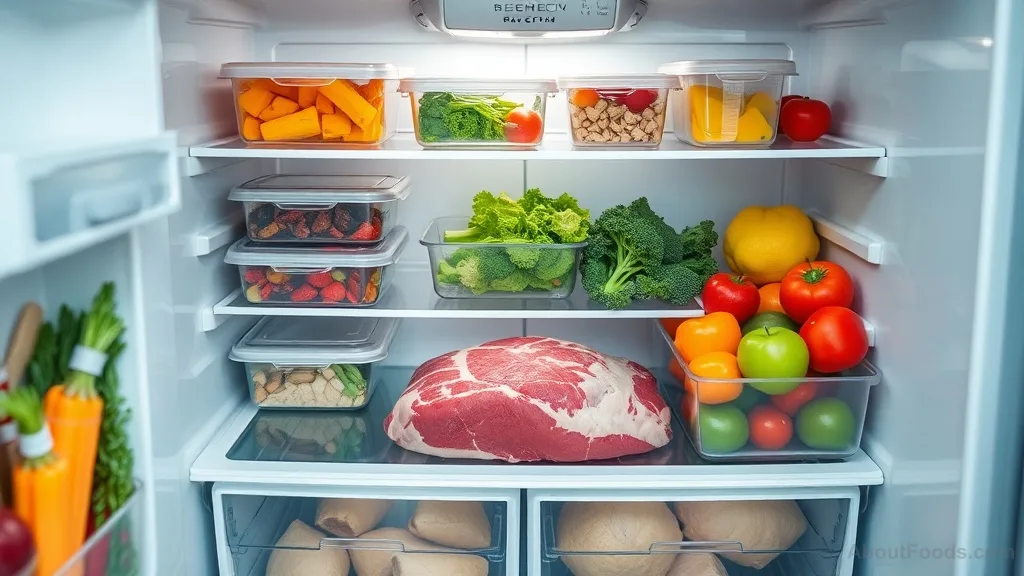
How you store food matters just as much as how you cook it. Your refrigerator has different temperature zones: the door is warmest, the bottom shelves are coldest, and the crisper drawers maintain humidity. Raw meats should always go on the bottom shelf to prevent drips from contaminating other foods. Eggs belong in their original carton on a middle shelf, not in the door where temperatures fluctuate.
- Top shelf: Ready-to-eat foods
- leftovers
- drinks
- Middle shelf: Eggs
- dairy
- cooked meats
- Bottom shelf: Raw meat
- poultry
For pantry storage, keep dry goods in airtight containers to prevent pest infestation and moisture absorption. As a rice creature myself, I'm particularly careful with grains—they should be stored in cool, dark places to prevent rancidity and insect problems.
Common Cross-Contamination Mistakes and How to Avoid Them
Cross-contamination occurs when harmful microorganisms transfer from one food or surface to another. The most dangerous transfer happens between raw animal products and ready-to-eat foods. Using the same cutting board for chicken and vegetables without proper cleaning is a classic example.
Remember that cross-contamination isn't just about raw meat—unwashed produce can also carry pathogens. Always rinse fruits and vegetables under running water, even those you plan to peel.
Freezing and Thawing: Doing It Right
Freezing is one of the most convenient preservation methods, but it requires proper technique. When food freezes slowly, large ice crystals form that damage cell structures, leading to mushy textures upon thawing. For best results, spread food in a single layer on a baking sheet until frozen solid, then transfer to airtight containers or freezer bags.
- Blanch vegetables before freezing to preserve color and texture
- Remove as much air as possible from freezer bags
- Label everything with contents and date
- Freeze in portion sizes you'll actually use
- Most foods maintain quality for 3-6 months in a standard freezer
For thawing, never leave food at room temperature for extended periods. The safest methods are in the refrigerator (allows slow, even thawing), in cold water (change water every 30 minutes), or in the microwave (cook immediately after). As a precise creature, I plan ahead and thaw in the refrigerator whenever possible—it takes longer but gives the best results.
FAQ: Your Food Safety Questions Answered
How long can leftovers safely stay in the refrigerator?
Most cooked leftovers are safe for 3-4 days in the refrigerator. After this time, the risk of bacterial growth increases even if the food looks and smells fine. When in doubt, remember the old saying: 'When in doubt, throw it out.'
Does washing chicken before cooking make it safer?
No, washing raw chicken can actually increase risk by spreading bacteria through water droplets around your kitchen. Cooking chicken to 165°F (74°C) kills any harmful bacteria present. The heat is more effective than water at making chicken safe to eat.
Can you tell if food is spoiled by smell alone?
Not always. While many spoilage bacteria produce noticeable odors, some dangerous pathogens like Salmonella and E. coli don't create obvious smells. Rely on time and temperature guidelines rather than sensory cues alone for safety decisions.
Is it safe to eat food past its 'best by' date?
'Best by' dates indicate quality, not safety. Many foods are safe to eat after this date if properly stored, though they may not be at peak quality. 'Use by' dates on perishable items are more important for safety. Always check for signs of spoilage regardless of dates.
How often should I clean my refrigerator?
Aim to clean your refrigerator thoroughly every 3-4 months. Wipe up spills immediately to prevent bacterial growth. Check temperatures regularly with a refrigerator thermometer to ensure it stays at or below 40°F (4°C).
Rate this article
No ratings yet. Be the first to rate it.

Written by
Aiko Sato
Specialises in Japanese cuisineAiko Sato makes onigiri with pickled plum and a smile. She shapes them like animals.
Describe yourself in three words: Cute, precise, animal-shaped rice.