Myth Busting
Does Scoring Bread Dough Actually Control Expansion, or Just Decorate?
Scoring bread dough isn't just decorative—it's a crucial technique that directs steam release and controls expansion during baking. This article explores the science behind scoring, debunking common myths and offering practical tips for home bakers.
The Gentle Art of Scoring: More Than Meets the Eye
When I was a child in Vietnam, I’d watch my grandmother shape dough for bánh mì, her hands moving with a rhythm that felt like a quiet song. She’d sometimes make a quick cut on top with a knife—nothing fancy, just a simple line. I thought it was decoration, like the patterns on traditional textiles. But as I grew older and studied food science, I learned that scoring is far from mere ornamentation. It’s a delicate dance between art and science, a technique that whispers to the dough, guiding its transformation in the oven. In this article, we’ll explore whether scoring truly controls expansion or if it’s just for show, blending nostalgic warmth with grounded evidence.
What Happens When Dough Meets Heat: The Science of Oven Spring
To understand scoring, we must first look at what happens during baking. As dough enters a hot oven, several processes occur simultaneously. Yeast activity increases briefly due to the warmth, producing more carbon dioxide. Water in the dough turns to steam, expanding rapidly. Gluten proteins set and starch gelatinizes, forming the bread’s structure. This initial rapid rise is called 'oven spring,' and it’s crucial for a light, airy loaf. Without control, this expansion can be chaotic, leading to uneven shapes or even bursting. Scoring provides a controlled path for this energy to escape, much like a pressure valve.
- Steam buildup: Water vaporizes, creating internal pressure.
- Yeast surge: Heat accelerates fermentation briefly.
- Gluten setting: Proteins coagulate, locking in shape.
- Starch gelatinization: Starches absorb water and swell.
Debunking the Myth: Scoring as Decoration Only
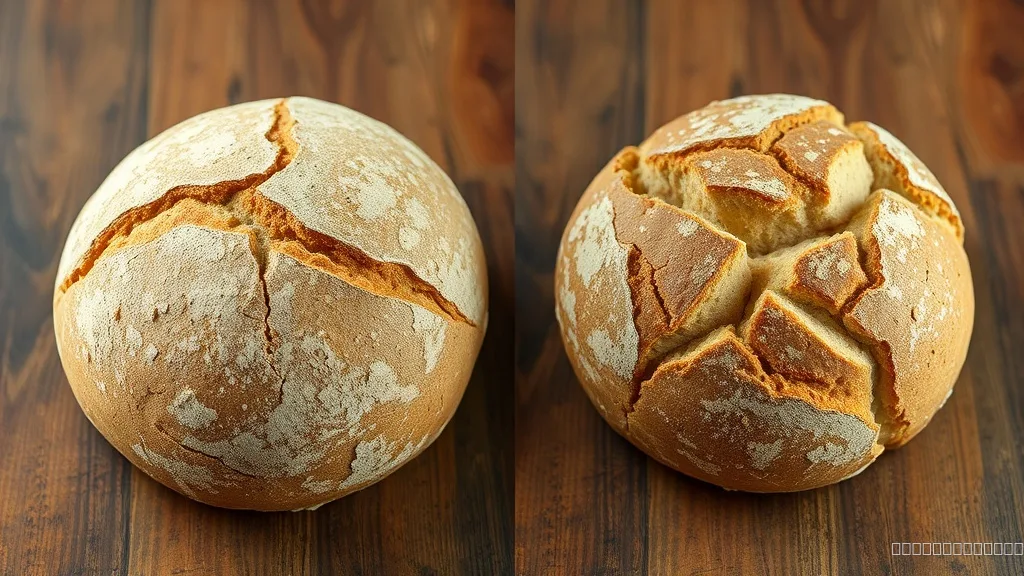
A common myth among home bakers is that scoring is purely aesthetic—a way to make bread look professional or artistic. While it does add beauty, this view overlooks its functional role. Evidence from baking science shows that unscored dough often expands unpredictably, with steam forcing its way out through weak spots, causing random cracks or 'blowouts.' Scoring creates intentional weak points, directing expansion where you want it. Think of it like guiding a river through a channel rather than letting it flood haphazardly. This control leads to more consistent loaves with better texture and appearance.
How Scoring Controls Expansion: A Closer Look
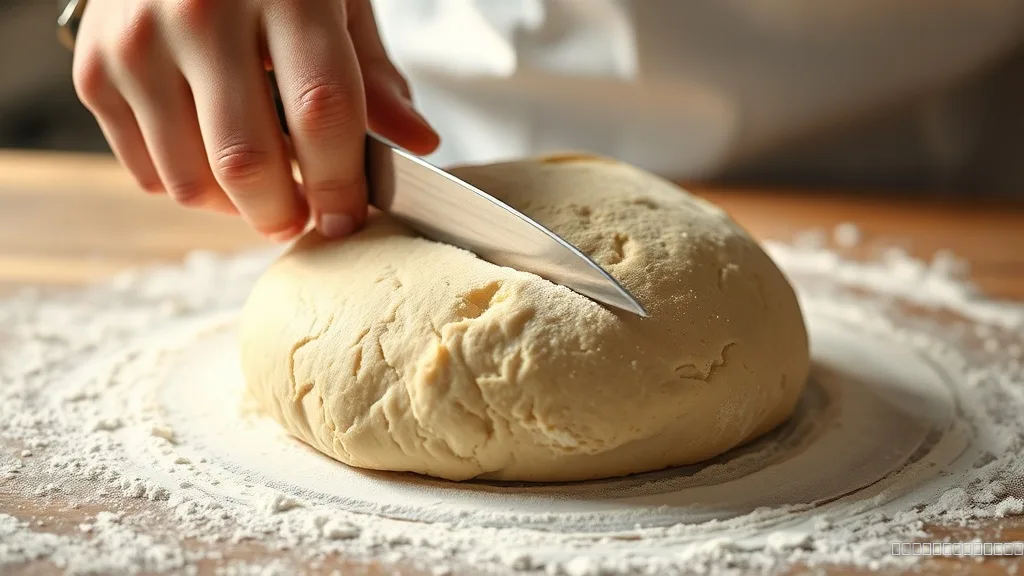
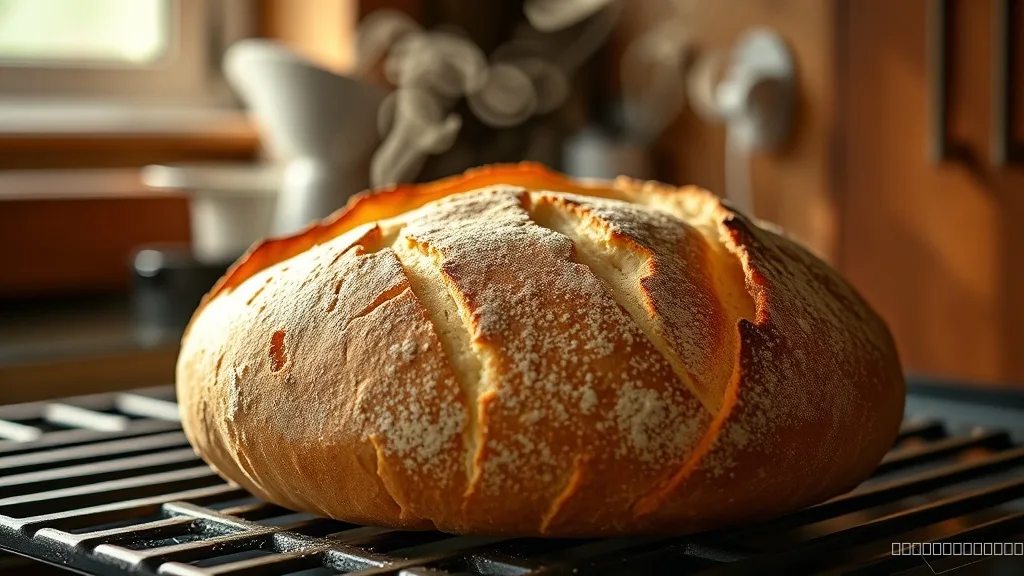
Scoring works by managing steam release. As the dough bakes, steam builds up inside. By making cuts on the surface, you create openings where steam can escape in a controlled manner. This prevents pressure from building up excessively, which could cause the loaf to burst at random points. The depth and angle of the cuts matter—shallow scores might not be enough, while deep cuts can deflate the dough. Typically, a score about 1/4 to 1/2 inch deep is ideal. The pattern of scoring also influences expansion; for example, a single long score encourages an 'ear' to form, while multiple scores allow for more even rising.
| Technique | Depth | Effect on Expansion |
|---|---|---|
| Single long score | 1/4 to 1/2 inch | Creates a prominent 'ear' and directs rise upward |
| Crosshatch pattern | 1/4 inch | Allows even expansion in multiple directions |
| Shallow decorative cuts | Less than 1/4 inch | Minimal expansion control, mostly aesthetic |
| Deep cuts | Over 1/2 inch | Risk of deflation, but can shape expansion if done carefully |
Practical Tips for Home Bakers: Scoring with Confidence
Scoring might seem intimidating, but with a few tips, you can master it. First, use a sharp tool like a lame, razor blade, or sharp knife—dull blades drag and deflate the dough. Score quickly and confidently, without pressing too hard. The dough should be properly proofed; under-proofed dough resists scoring, while over-proofed dough might collapse. Aim for a smooth, tensioned surface. Experiment with patterns, but start simple, like a single slash. Remember, it’s not just about looks; it’s about giving your bread the best chance to rise beautifully. As my grandmother might say, it’s a gentle touch that guides, not forces.
Common Mistakes and How to Avoid Them
Even experienced bakers can stumble with scoring. One common mistake is scoring too deeply, which can cause the dough to deflate rather than expand. Another is using a dull blade, leading to ragged cuts that don’t open properly. Scoring dough that’s too cold or under-proofed can result in minimal oven spring, while over-proofed dough might not hold its shape. To avoid these, ensure your dough is at room temperature, proofed until it springs back slowly when poked, and use a sharp tool. Practice makes perfect—don’t be afraid to experiment and learn from each bake.
- Too deep: Risk of deflation; aim for 1/4 to 1/2 inch.
- Dull blade: Causes tearing; keep tools sharp.
- Wrong timing: Score after proofing, not too early or late.
- Over-handling: Be quick to avoid deflating the dough.
The Role of Steam in Scoring and Expansion
Steam plays a dual role in baking bread. It keeps the crust soft initially, allowing the dough to expand fully before setting. Without steam, the crust forms too quickly, limiting oven spring. Scoring enhances this by providing escape routes for excess steam, preventing it from building up and causing random bursts. In professional ovens, steam injection is common, but at home, you can mimic this by placing a pan of water in the oven or spritzing the dough with water. Combined with proper scoring, this ensures a balanced expansion and a crisp, golden crust. It’s a harmony of elements—heat, moisture, and technique—that turns simple dough into something magical.
FAQ: Your Scoring Questions Answered
Can I skip scoring if I’m in a hurry?
Yes, but your bread may expand unevenly or burst. Scoring takes only seconds and significantly improves results.
What’s the best tool for scoring?
A lame (bread scoring blade) or sharp razor blade is ideal for clean, precise cuts without dragging.
How deep should I score my dough?
Aim for 1/4 to 1/2 inch deep, depending on the dough’s hydration and proofing level.
Does scoring affect the bread’s flavor?
Indirectly, yes. By controlling expansion, it improves texture and crust development, which can enhance overall eating experience.
Can I score any type of bread dough?
Most yeasted breads benefit from scoring, but very wet doughs or enriched doughs (like brioche) may require different techniques.
Rate this article
4.9 out of 5 from 17 ratings

Written by
Linh Tran
Specialises in Vietnamese cuisineLinh Tran makes ca kho (caramelized fish) in a clay pot that has been in her family for 60 years.
Describe yourself in three words: Nostalgic, gentle, caramel smell.