Myth Busting
The Slow Cooker Nutrient Myth: What Science Actually Says About Low-and-Slow Cooking
Many home cooks believe slow cookers preserve more nutrients than other cooking methods. Scientific evidence reveals this is largely a myth—nutrient retention depends on temperature, time, and food type, not just the appliance. Understanding how heat affects vitamins and minerals can help you cook smarter while enjoying the convenience of your crockpot.
The Allure of the Slow Cooker: Comfort and Convenience
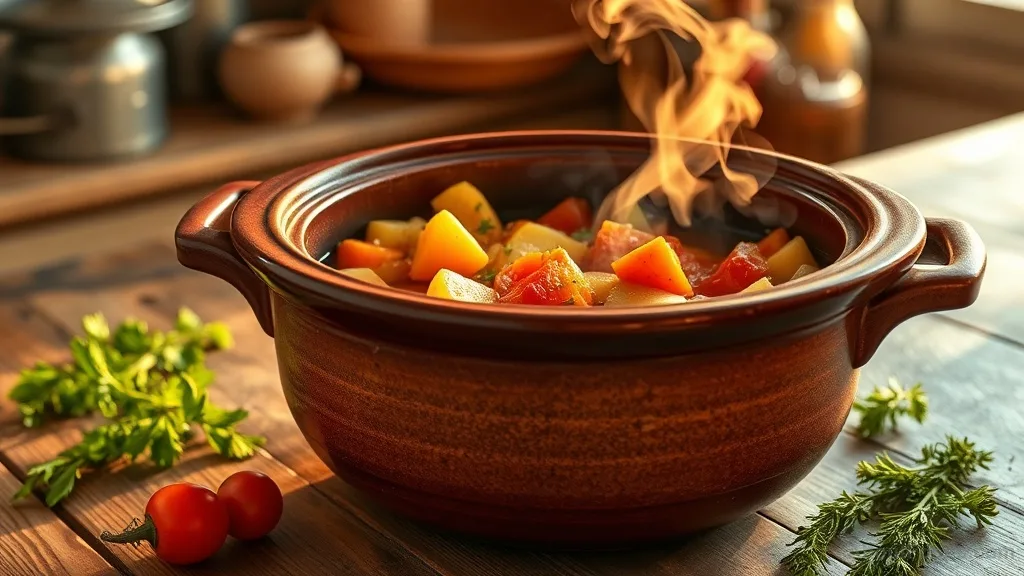
There is something deeply comforting about a slow cooker. In my Greek kitchen, where meals are meant to be shared slowly over conversation, the gentle hum of a crockpot feels like a modern echo of traditional clay pot cooking. The promise is seductive: set it in the morning, forget it until evening, and return to a house filled with the aroma of simmering herbs and tender meat. But woven into this convenience is a persistent belief—that this low-and-slow method somehow preserves the 'goodness' in our food better than other cooking techniques. It’s a romantic idea, one that aligns with our desire for both ease and nourishment. Today, let’s gently separate the poetry from the science.
What Does 'Preserving Nutrients' Actually Mean?
Before we can bust any myths, we need to understand what we’re talking about. When we speak of nutrients in cooking, we’re primarily concerned with vitamins and minerals. These are not monolithic; they behave differently under heat, water, and time. Vitamins fall into two broad categories: water-soluble (like vitamin C and most B vitamins) and fat-soluble (like vitamins A, D, E, and K). Minerals like iron and calcium are more stable but can leach into cooking water. 'Preservation' isn’t an all-or-nothing game—it’s about minimizing loss and sometimes even enhancing availability.
- Water-soluble vitamins: These are the most vulnerable. They dissolve in water and break down with heat and prolonged cooking.
- Fat-soluble vitamins: More stable but can degrade with excessive heat and exposure to air.
- Minerals: Generally stable but can be lost if they dissolve into cooking liquids.
- Phytonutrients: Compounds like lycopene in tomatoes may become more available with cooking.
The Science of Heat: Temperature and Time Matter More Than Appliance
The central myth—that slow cookers are inherently better at preserving nutrients—stumbles on a simple fact: nutrient loss is governed by temperature and time, not the type of pot you use. Slow cookers typically operate between 170°F and 280°F on low and high settings, respectively. While this is lower than roasting or frying, it’s still sufficient to degrade heat-sensitive nutrients over many hours. Think of it like a long, warm bath for your vegetables—gentle, but prolonged exposure still causes changes.
| Cooking Method | Typical Temperature Range | Effect on Water-Soluble Vitamins | Key Consideration |
|---|---|---|---|
| Slow Cooker (Low) | 170°F–200°F | Significant loss over 6–8 hours | Time exacerbates heat damage |
| Steaming | 212°F | Minimal loss if brief | Limited water contact helps |
| Pressure Cooking | 240°F–250°F | Moderate loss, but very short time | High heat, short duration |
| Boiling | 212°F | High loss if water is discarded | Leaching into water is major factor |
| Roasting | 350°F–450°F | Moderate loss, surface damage | Dry heat reduces leaching |
Notice that no method is perfect. Each involves trade-offs. The slow cooker’s low temperature is offset by its long cooking time—a double-edged sword.
The Water Factor: Why Slow Cooking Can Be a Nutrient Leak
In my grandmother’s village, we cooked beans for hours in ample water, knowing the broth was part of the meal. In a slow cooker, vegetables and meats often sit in liquid for hours. Water-soluble vitamins like vitamin C and thiamine (B1) dissolve into that liquid. If you don’t consume the cooking liquid—say, you drain your stew or discard the broth—those nutrients are literally poured down the sink. This leaching effect is one of the biggest reasons slow cooking isn’t a nutrient-preservation champion. Compare this to steaming, where food has minimal water contact, or roasting, where dry heat avoids leaching entirely.
When Slow Cooking Actually Helps: The Exceptions to the Rule
Science is rarely black and white. While slow cookers aren’t universally superior, they do have niches where they shine. Tough cuts of meat, for instance, benefit from the low, moist heat that breaks down collagen into gelatin without overcooking proteins. This doesn’t 'preserve' nutrients per se, but it makes the meat more digestible and enjoyable. Similarly, legumes cooked slowly may have their complex carbohydrates and proteins broken down more gently, though vitamin loss still occurs. And let’s not forget the intangible: if a slow cooker encourages you to eat more home-cooked vegetables rather than processed foods, that’s a net nutritional win.
Practical Takeaways for the Home Cook
So, should you abandon your slow cooker? Absolutely not. Like any tool, it’s about using it wisely. Here’s how to harness its convenience while being mindful of nutrition: First, think of it as a texture tool rather than a nutrient preserver. Use it for dishes where long, moist heat is beneficial—stews, braises, bean soups. Second, layer your ingredients. Start with aromatics and tough vegetables, add delicate greens at the end. Third, embrace the broth. If you’ve cooked vegetables or meat in liquid, that liquid is now nutrient-rich—use it as a base for sauces or sip it as a simple soup. Finally, diversify your cooking methods. Some nights, roast vegetables to maximize their natural sugars and preserve water-soluble vitamins. Other nights, let the slow cooker do its comforting work.
- Choose the right dishes: Stews, braises, and bean-based meals benefit most.
- Layer cooking times: Add delicate ingredients toward the end.
- Use the liquid: Don’t discard broth; it contains leached vitamins.
- Combine methods: Pair slow-cooked meats with quickly steamed or raw vegetables.
- Monitor cooking time: Don’t overcook; even low heat for too long causes damage.
FAQ: Common Questions About Slow Cookers and Nutrients
Is a slow cooker better than boiling for nutrient retention?
Not necessarily. Both methods involve water and heat, leading to leaching of water-soluble vitamins. If you discard the boiling water, slow cooking might be slightly better due to lower temperatures, but if you consume the broth, the difference diminishes. Steaming or roasting are generally better for preserving vitamins like vitamin C.
Does slow cooking destroy all vitamins?
No, it doesn’t destroy all vitamins. Fat-soluble vitamins (A, D, E, K) are more stable and survive better. Water-soluble vitamins (C, B vitamins) are most affected, with losses ranging from 40% to 80% depending on time and temperature. Minerals like iron and calcium remain largely intact but can leach into liquid.
How does slow cooking compare to pressure cooking?
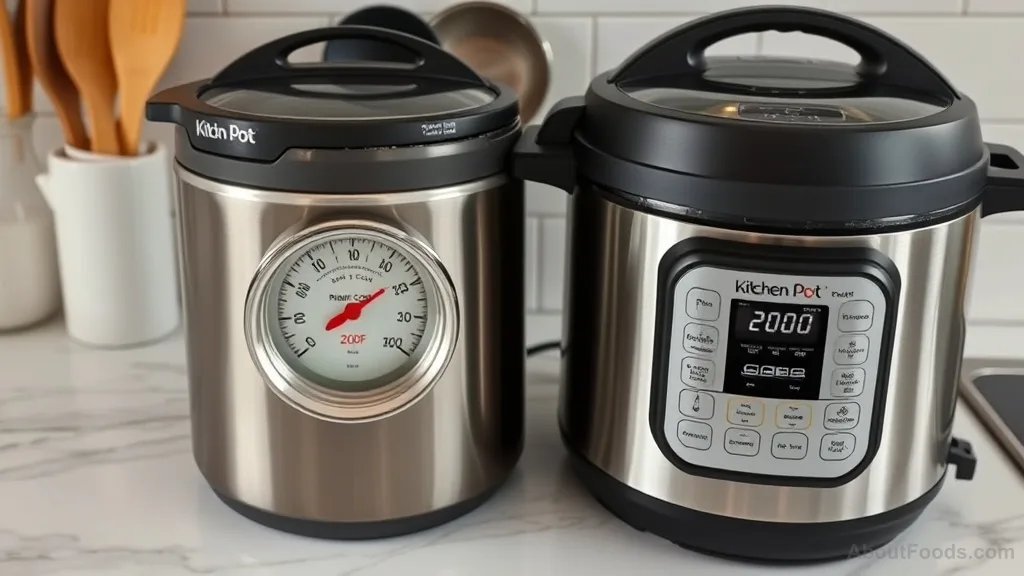
Pressure cooking uses higher temperatures (240°F–250°F) but much shorter times (minutes instead of hours). For water-soluble vitamins, the shorter exposure can mean less degradation overall, making pressure cooking potentially more nutrient-friendly for some foods, though it varies by ingredient.
Can I reduce nutrient loss in my slow cooker?
Yes. Use minimal water, keep the lid on to reduce evaporation, add delicate vegetables late in the cooking process, and always use the cooking liquid. Also, avoid overcooking—even on low, 8 hours is often excessive for vegetables.
Are there any nutrients that increase with slow cooking?
In some cases, yes. Compounds like lycopene in tomatoes become more bioavailable with cooking, as heat breaks down cell walls. Similarly, slow cooking can make certain antioxidants in carrots and squash more accessible, though this is offset by losses in heat-sensitive vitamins.
Embracing the Slow, Without the Myths
As the golden hour light fades from my kitchen, I’m reminded that cooking, like life, is about balance. The slow cooker is a wonderful tool for creating warmth and convenience, but it’s not a magical nutrient-preserving device. By understanding the science—how heat, time, and water interact with our food—we can use it more intelligently. Let’s keep the romance of slow-cooked meals, but ground it in evidence. Your grandmother’s wisdom wasn’t about appliances; it was about intention, care, and sharing nourishment. Whether you’re simmering a Greek fasolada or a simple chicken stew, do it with joy, and know that the true preservation happens around the table, in the stories shared over a lovingly prepared meal.
Rate this article
4.9 out of 5 from 17 ratings
Written by
Eleni Demetriou
Specialises in Greek cuisineEleni Demetriou runs a food blog called 'Olive My Love'. She photographs every meal for 20 minutes before eating.
Describe yourself in three words: Romantic, slow, loves golden hour.