Myth Busting
Fact vs. Fiction: Does Soaking Potatoes Really Remove Starch for Crispiness?
We dig into the science behind soaking potatoes to reveal what actually happens to the starch and moisture. You'll learn why this technique works (and when it doesn't) plus practical tips for achieving perfectly crispy potatoes every time.
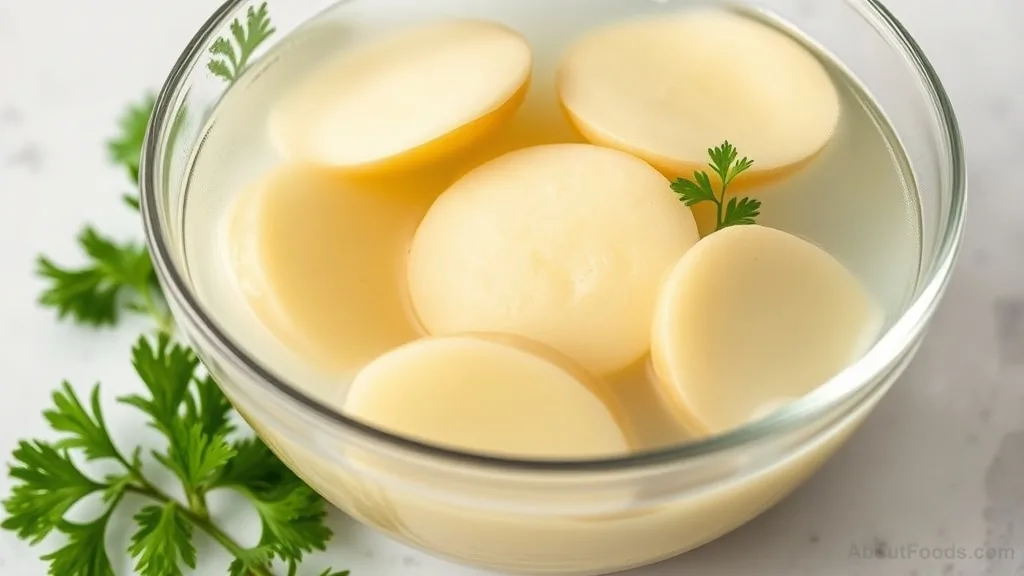
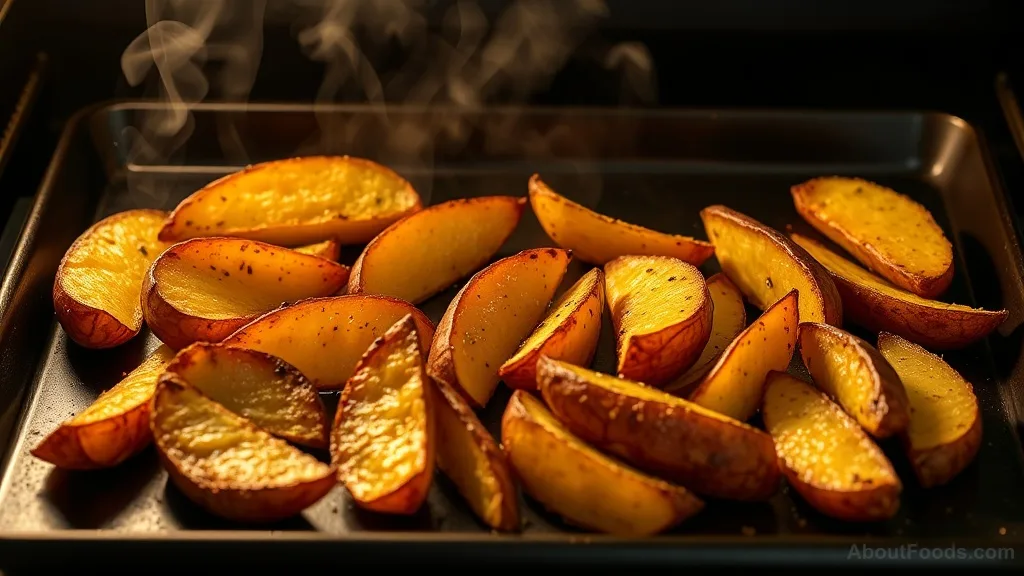
The Great Potato Soaking Debate: What's Really Happening in That Bowl?
Listen, mi gente - in my abuela's kitchen back in Havana, we never soaked potatoes. We washed them, sure. We respected them. But we didn't give them a spa day in cold water before cooking. Yet everywhere I look now, chefs and home cooks are dunking their spuds like they're preparing for some culinary baptism. The claim? That soaking removes starch, and less starch means crispier potatoes. But here's the thing: like that cousin who swears he saw a UFO while drinking too much rum, this kitchen wisdom needs some serious fact-checking. Let me break it down for you with some actual science, not just kitchen gossip.
What Actually Happens When You Soak Potatoes
When you slice a potato and drop it in water, two main things occur - one obvious, one subtle. First, the obvious: you'll see the water turn cloudy. That's starch particles leaching out from the cut surfaces. Potato cells contain starch granules suspended in water, and when you cut through those cells, you release some of that starch into the surrounding water. The second thing is less visible but equally important: water moves into the potato. Through osmosis, water molecules enter the potato tissue, which can actually make the potatoes absorb more water than they lose starch.
Here's where the myth gets tangled with reality. Yes, some starch comes out. But we're talking about surface starch - the starch that's right there on the cut edges. The starch inside the potato cells? That's not going anywhere during a typical 30-minute soak. It's like trying to empty a swimming pool with a teaspoon. You'll get a little water out, but the pool's still mostly full.
The Real Science of Crispy Potatoes
Crispiness in potatoes - whether fried or roasted - comes down to three key factors: moisture removal, starch gelatinization, and the Maillard reaction. Let me explain these like I'm talking to my primo who still burns rice.
- Moisture Removal: When potatoes hit hot oil or a hot oven
- water inside turns to steam and escapes. The drier the surface
- the crispier the result. This is why patting potatoes dry matters more than you think.
- Starch Gelatinization: At around 140-150°F (60-65°C)
- starch granules absorb water
- swell
- and burst. This creates a gel-like structure that
- when dried out by heat
So here's the twist: removing too much starch can actually work against you. Starch is what gives structure to that crispy exterior. Without enough starch, you might get potatoes that are merely dry and tough rather than properly crispy. It's about balance, not elimination.
When Soaking Actually Helps (And When It Doesn't)
Now, I'm not saying soaking is useless. Like a good mojo marinade, it has its place. But you need to understand what problem you're actually solving.
Better Techniques for Crispier Potatoes
If you want next-level crispy potatoes, here's what actually works based on food science principles. These techniques address the real factors affecting crispiness, not just the starch myth.
Common Mistakes and How to Fix Them
I've seen more potato crimes in kitchens than I care to admit. Here are the usual suspects and how to avoid them.
- Mistake: Soaking for hours thinking 'more is better.' Fix: 30 minutes is plenty. Overnight soaks make potatoes waterlogged and bland.
- Mistake: Not drying potatoes after soaking. Fix: Always pat dry. Water and oil don't mix well
- and moisture prevents proper browning.
- Mistake: Using wet potatoes for roasting. Fix: For roasted potatoes
- skip soaking altogether and just give them a quick rinse if needed.
- Mistake: Adding potatoes to cold oil. Fix: Always preheat your oil or oven. Potatoes should sizzle when they hit the heat.
- Mistake: Moving potatoes too much while cooking. Fix: Let them develop a crust before flipping or stirring. Patience makes perfect crispiness.
FAQs: Your Potato Questions Answered
Should I use cold or warm water for soaking?
Always cold water. Warm water can activate enzymes that make potatoes discolor and can start cooking the surface, which you don't want before your actual cooking method.
How long should I soak potatoes for French fries?
30 minutes to 2 hours is sufficient. Some chefs do multiple soaks with water changes for super-crispy results, but beyond 2 hours offers diminishing returns and risks waterlogged potatoes.
Does adding salt to the soaking water help?
Not really for crispiness. Salt in soaking water can season the potatoes slightly, but it won't affect starch removal or crispiness. Save your salt for seasoning after cooking or in your cooking water if parboiling.
Can I soak potatoes ahead of time?
Yes, but keep them refrigerated in the water and use within 24 hours. After that, they start to lose texture and flavor. Always drain and dry thoroughly before cooking.
Do different potato types need different soaking times?
Starchy potatoes (like Russets) benefit more from soaking than waxy potatoes (like Red Bliss or Fingerlings). The higher starch content means more surface starch to remove, which can prevent sticking during frying.
Is soaking necessary for hash browns?
Absolutely yes for shredded hash browns! Soaking removes surface starch that would make them gummy. After soaking, squeeze out as much water as possible - this is crucial for crispy hash browns.
The Final Verdict: To Soak or Not to Soak?
Here's the truth, straight like a shot of good Cuban coffee: Soaking potatoes removes some surface starch, which can help prevent sticking during frying and reduce oil splatter. But it doesn't 'remove starch' in the way most people think - the interior starch stays put, and that's actually good for structure and crispiness.
The real keys to crispy potatoes are proper drying, correct cooking temperature, and not overcrowding. Soaking can be part of your process, but it's not a magic bullet. Like my abuela used to say about cooking: 'It's not one ingredient that makes the dish, it's how you treat all of them together.'.
So next time you're prepping potatoes, think about what you're actually trying to achieve. For frying? A quick soak and thorough dry can help. For roasting? Skip the soak, pat dry, and focus on high heat. And always, always respect the potato - it's given us everything from crispy fries to creamy mash, and it deserves our understanding, not just our appetite.
Rate this article
No ratings yet. Be the first to rate it.

Written by
Rafael Alvarez
Specialises in Cuban cuisineRafael makes ropa vieja with flank steak and a mojo sauce. He shreds meat like a therapist.
Describe yourself in three words: Shredded, citrusy, mojo-dojo.