Texture And Mouthfeel
Starch Gelatinization: The Secret to Creamy Risotto and Silky Pudding
Discover how starch gelatinization transforms humble grains and starches into luxurious textures. Learn the precise science behind achieving perfect risotto and smooth puddings, and avoid common kitchen mistakes that ruin these delicate dishes.
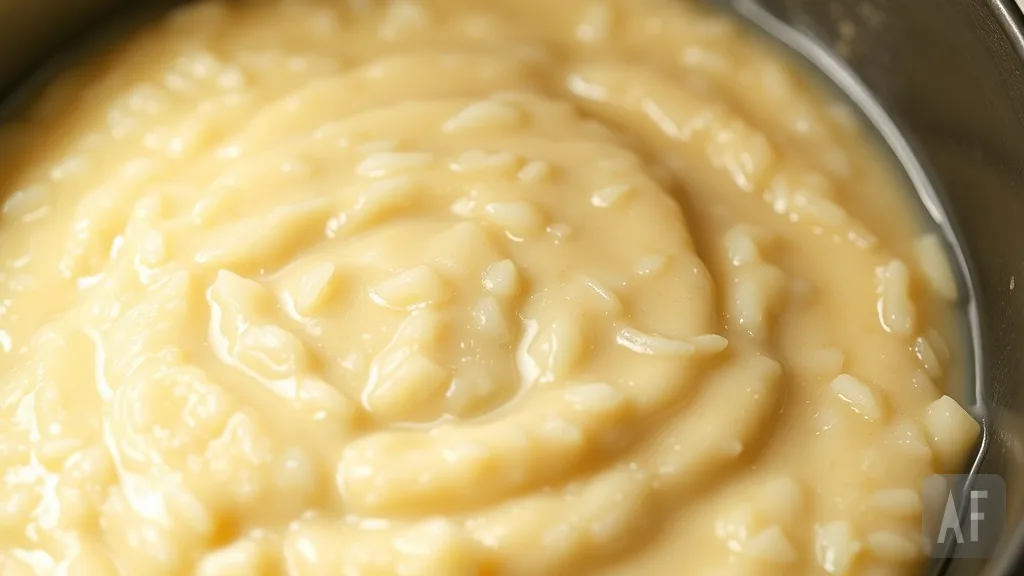
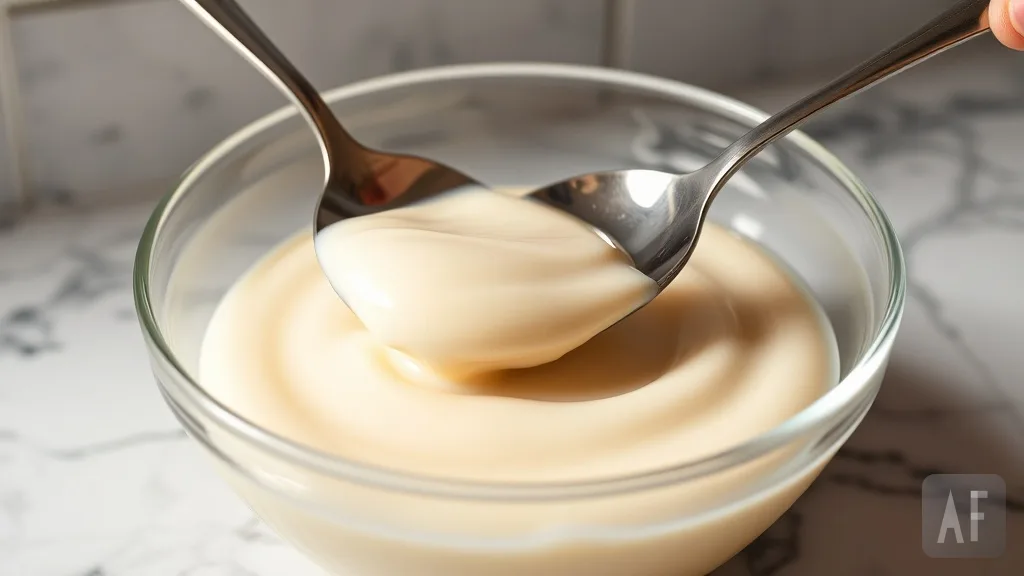
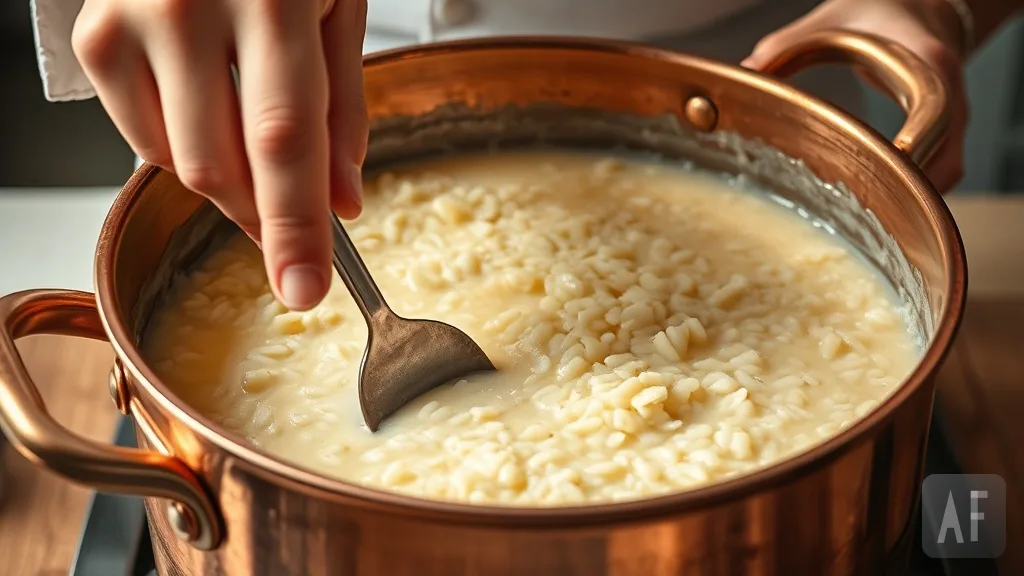
The Alchemy of Starch: From Grain to Luxury
As Luca Lombardi, a man who respects tradition almost as much as he respects properly cooked pasta, I must confess something: the greatest culinary magic doesn't always happen with flour and eggs. Sometimes, it occurs with something far more humble—starch. That unassuming powder in your pantry, those tiny granules in your rice, they hold the secret to textures so luxurious they feel like sin on a spoon. When you understand starch gelatinization, you stop following recipes and start commanding ingredients. This isn't mere cooking; this is culinary alchemy, transforming the ordinary into the extraordinary through precise application of heat and liquid.
Consider the risotto. A proper risotto—and I do mean proper, not that overcooked mush some restaurants serve—achieves its creaminess not from cream, but from starch. The same principle gives pudding its silky texture, sauces their body, and gives structure to countless dishes across cuisines. Today, we'll explore exactly how this transformation occurs, why temperature matters more than you think, and how to avoid the common mistakes that turn potential perfection into disappointing mediocrity.
What Exactly Is Starch Gelatinization?
Starch gelatinization is the process where starch granules absorb water, swell, and eventually burst when heated, releasing starch molecules that thicken the surrounding liquid. Think of starch granules as tiny, organized packages of two types of glucose chains: amylose (straight chains) and amylopectin (branched chains). In their dry state, these packages are tightly wound and crystalline. When you add them to liquid and apply heat, magic begins.
- Hydration: Starch granules begin absorbing water at around 140°F (60°C), swelling to several times their original size
- Swelling: As temperature increases to 150-180°F (65-82°C), the granules swell dramatically, losing their crystalline structure
- Bursting: At the gelatinization temperature (specific to each starch source), the granules rupture, releasing amylose and amylopectin into the liquid
- Thickening: The released starch molecules form a three-dimensional network that traps water, creating viscosity and that luxurious mouthfeel we cherish
Different starches gelatinize at different temperatures. Rice starch (as in arborio rice) gelatinizes around 158-167°F (70-75°C), while cornstarch activates at 144-162°F (62-72°C). This variation explains why different ingredients require different cooking approaches. Understanding these temperatures isn't academic—it's the difference between sauce that coats a spoon beautifully and sauce that's either thin or gluey.
Risotto: The Masterclass in Controlled Gelatinization
A proper risotto—and I must emphasize proper—demonstrates starch gelatinization in its most elegant form. Arborio rice contains particularly high amounts of amylopectin, the branched starch molecule that creates that creamy, slightly sticky texture we desire. But achieving this requires precision, not guesswork.
The common mistake? Adding all the liquid at once. This causes temperature fluctuations that lead to uneven gelatinization—some grains become mushy while others remain hard. Another error: boiling rather than simmering. Excessive heat causes the starch network to break down, resulting in a thin, separated sauce rather than that creamy emulsion we work so hard to achieve.
Pudding: The Science of Silky Smoothness
Where risotto demonstrates starch gelatinization in whole grains, pudding shows it in purified form. Cornstarch, tapioca, or arrowroot puddings rely on the same principle but with different execution. The key difference: with purified starches, you're working with almost pure starch granules without the protective structure of a grain.
| Starch Type | Gelatinization Temperature | Texture Result | Best Use |
|---|---|---|---|
| Cornstarch | 144-162°F (62-72°C) | Very smooth, glossy, clear when cooked | Vanilla pudding, fruit pie fillings |
| Tapioca (Pearl) | 150-160°F (65-71°C) | Slightly chewy, translucent | Bubble tea, tropical puddings |
| Rice Flour | 158-167°F (70-75°C) | Delicate, slightly grainy if not cooked properly | Asian desserts, dairy-free puddings |
| Potato Starch | 136-150°F (58-65°C) | Very smooth, neutral flavor | Gravies, gluten-free baking |
The critical technique for pudding success? Creating a slurry. Mixing starch with a small amount of cold liquid before adding it to the hot mixture ensures even dispersion and prevents clumping. When starch hits hot liquid directly, the exterior gelatinizes instantly, forming a protective shell that prevents the interior from hydrating properly—resulting in those frustrating starch lumps everyone hates.
Another essential point: pudding must reach a full boil after adding the starch slurry. This isn't optional—it ensures every starch granule has reached its gelatinization temperature. Underheated starch won't thicken properly and can taste chalky. But here's the delicate balance: once boiling, you must immediately reduce heat and cook gently for 1-2 minutes to complete the process without breaking down the starch network.
The Enemies of Perfect Gelatinization
Even with perfect technique, certain factors can sabotage your starch-based creations. Understanding these allows you to prevent problems before they ruin your dish.
One particularly Italian concern: the rice variety. Arborio, Carnaroli, and Vialone Nano rices have different starch compositions. Carnaroli, my personal preference, has higher amylose content, making it more resistant to overcooking. Arborio has more amylopectin, creating creamier results but requiring more careful timing. Know your rice as you know your pasta shapes—each has its purpose.
Practical Applications Beyond Risotto and Pudding
Once you understand starch gelatinization, you'll see its applications everywhere in the kitchen. This isn't just theory—it's practical knowledge that improves countless dishes.
- Sauces: Bechamel, velouté, and many Asian stir-fry sauces rely on starch slurries for thickening. The key is adding the slurry off heat, then returning to a simmer while stirring constantly.
- Soup thickening: Instead of cream, use a rice or potato purée to thicken soups naturally. The starch from the cooked vegetables provides body without diluting flavor.
- Gluten-free baking: Starches like tapioca and potato starch provide structure in absence of gluten. Understanding their gelatinization properties helps create better textures.
- Pasta water: That starchy pasta water isn't just tradition—it contains gelatinized starch that helps sauces cling to pasta. Save it and use it to adjust sauce consistency.
- Crispy coatings: For truly crispy fried foods, double-dredge in starch. The first layer gelatinizes and forms a seal, the second creates the crispy exterior.
Remember this principle: starch needs consistent, moderate heat and adequate time to fully gelatinize. Rushing with high heat creates external gelatinization that traps dry starch inside granules—the culinary equivalent of a beautifully wrapped empty box.
FAQs: Starch Gelatinization Demystified
Why does my pudding sometimes become grainy after refrigeration?
This is retrogradation—starch molecules reorganizing into crystalline structures as they cool. To minimize, cover pudding directly with plastic wrap touching the surface (prevents skin formation and moisture loss), and reheat gently with a splash of milk, stirring constantly to rehydrate the starch network.
Can I substitute different starches in recipes?
With caution. Different starches gelatinize at different temperatures and have different thickening powers. Cornstarch has about twice the thickening power of flour. Always make a small test batch when substituting, and adjust cooking times based on the new starch's gelatinization temperature.
Why do recipes say to bring pudding to a full boil?
To ensure every starch granule reaches its gelatinization temperature. If even a portion remains underheated, your pudding won't thicken properly and may have a chalky texture. The full boil guarantees complete gelatinization, but immediately reduce to a simmer afterward to prevent breakdown.
How can I tell when risotto has reached the perfect texture?
The grains should be tender but still have a slight resistance at the center (al dente), and the sauce should coat the back of a spoon. When you draw a line through the risotto in the pan, it should slowly flow back together rather than immediately closing or staying separated.
What's the purpose of toasting rice before making risotto?
Toasting heats the starch granules and coats them with fat, which helps control the rate of water absorption. This leads to more even gelatinization and prevents the rice from becoming mushy. It also develops nutty flavors through the Maillard reaction.
Can I fix lumpy pudding or sauce?
Sometimes. For small lumps, strain through a fine-mesh sieve. For more significant issues, blend with an immersion blender. Prevention is better: always make a slurry with cold liquid before adding to hot mixtures, and whisk constantly during the initial thickening phase.
Starch gelatinization may seem like simple kitchen chemistry, but mastering it elevates your cooking from functional to exceptional. It's the difference between pudding that's merely set and pudding that's silken luxury, between risotto that's edible and risotto that's memorable. As with all things in the kitchen—and in life—understanding the why transforms how you approach the what. Now go practice. And please, for the love of all that is culinary, don't overcook the rice.
Rate this article
4.5 out of 5 from 13 ratings

Written by
Luca Lombardi
Specialises in Italian cuisineLuca Rossi is a pasta maker who uses a bronze die for texture. He is insufferable about it but correct.
Describe yourself in three words: Snobby, correct, pasta purist.