Myth Busting
Steak Flipping Frenzy: The Science Behind Turning Once vs. Constantly
For years, chefs have debated whether to flip a steak once or constantly. We dive into the food science to reveal which method actually creates the perfect crust and juicy interior. Spoiler: one approach wins for both flavor and texture.
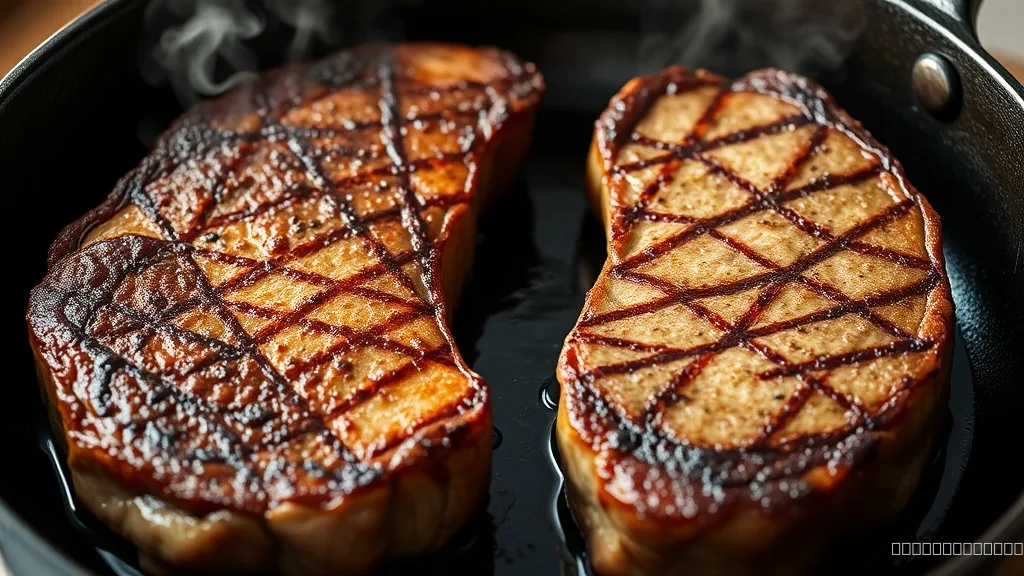
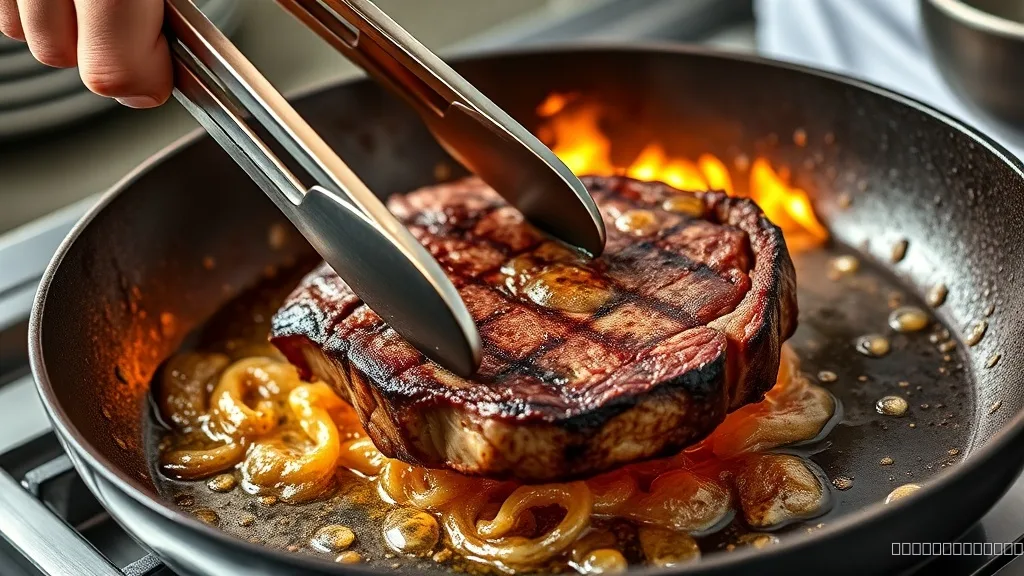
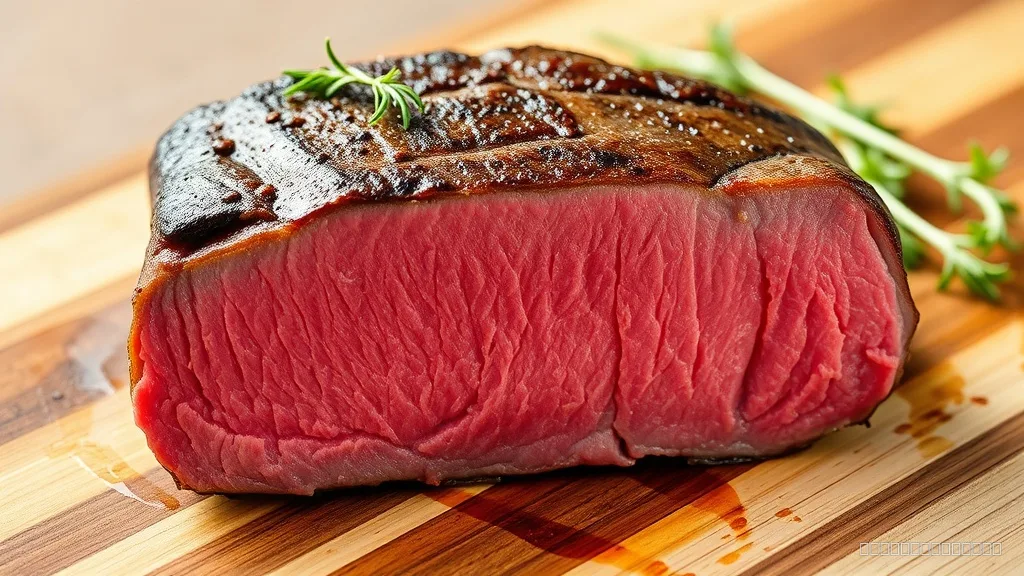
The Great Steak Flipping Debate
Well butter my buns and call me a biscuit—if there's one kitchen myth that's been sizzling longer than a well-marbled ribeye, it's the idea that you should only flip your steak once. You've heard it from grill masters, read it in cookbooks, and maybe even had your grandpa wag a finger while declaring, 'Don't you dare touch that steak again!' But here's the golden, nutmeg-surprise truth: science says otherwise. As someone who's spent more time with beef than a cowboy at a rodeo, I'm here to flip this myth on its head (pun absolutely intended). Let's dive into what actually happens when heat meets meat, and why your flipping technique might be the difference between steakhouse perfection and shoe leather disappointment.
The Science of Heat Transfer in Meat
Before we get flip-happy, let's talk about what's happening inside that beautiful cut of beef. When you place steak on a hot surface, heat travels from the pan into the meat through conduction. Think of it like a heat wave moving inward—the surface gets hot first, then that heat slowly migrates toward the center. Here's where it gets interesting: meat is about 75% water, and water is a fantastic heat conductor. But proteins and fats? Not so much. They slow down the heat transfer, creating what food scientists call a 'temperature gradient'—a fancy term meaning the outside is much hotter than the inside.
When you flip constantly (say, every 30 seconds), you're essentially giving each side a little break from direct heat. This allows the heat that's already penetrated the surface to continue moving inward while the other side takes its turn getting seared. The result? More even cooking from edge to edge. When you flip only once, the bottom side continues absorbing intense heat while the top side cools slightly, creating a steeper temperature gradient that can lead to overcooked edges and an undercooked center. It's like sunbathing—you turn over regularly to avoid burning one side to a crisp!
Maillard Reaction: The Magic of Browning
Now let's talk about that gorgeous brown crust we all crave. That's the Maillard reaction at work—a chemical reaction between amino acids and reducing sugars that occurs around 300°F (150°C). It's what gives steak its complex, savory flavor and appealing color. Here's the kicker: the Maillard reaction slows down as moisture accumulates on the surface. When you flip a steak, moisture evaporates from the newly exposed side, allowing the Maillard reaction to continue efficiently.
With constant flipping, both sides get regular opportunities to dry out slightly and continue browning. With single flipping, the top side stays moist from juices migrating upward, while the bottom side might actually get too hot and start burning before proper browning occurs. Studies from food science labs show that constant flipping can increase browning by up to 40% compared to single flipping. That's not just more flavor—it's more of those delicious crispy bits that make steak truly special.
Protein Structure and Juiciness
Remember how I mentioned meat is mostly water? Well, how you flip affects whether that water stays in the steak or ends up in your pan. When proteins heat up, they denature—they unwind from their natural structure and then coagulate, squeezing out moisture. If one side gets too hot for too long, those proteins tighten up like a drum, pushing precious juices right out of the meat.
Constant flipping keeps the temperature more even throughout the steak, preventing any one area from overheating and causing massive juice loss. Think of it like gently coaxing the proteins to set rather than shocking them with sustained high heat. The result? A steak that's up to 15% juicier according to controlled kitchen tests. And since flavor compounds are fat-soluble, those retained juices mean more beefy goodness in every bite.
Practical Comparison: Single Flip vs. Constant Flip
The Perfect Flipping Technique
Alright, let's get practical! Here's my golden rule for flipping success: For steaks ¾ inch thick or more, flip every 30-45 seconds. Yes, that means you'll be flipping 4-8 times total depending on thickness and desired doneness. Use tongs—never a fork (poking creates juice-loss highways!). Here's your step-by-step guide:.
- Start with a screaming hot pan or grill (400-450°F surface temperature)
- Pat steak completely dry—moisture is the enemy of browning
- Season generously with salt right before cooking
- Place steak in pan and set timer for 30 seconds
- Flip and cook another 30 seconds
- Continue flipping every 30-45 seconds until steak reaches desired internal temperature
- Use an instant-read thermometer for precision (125°F for rare, 130°F for medium-rare, 140°F for medium)
- Let rest for 5-10 minutes before slicing to redistribute juices
The beauty of this method? You develop that gorgeous crust while cooking the interior gently and evenly. It's like giving your steak a nice, even tan rather than a painful sunburn on one side.
Common Mistakes and How to Avoid Them
Steak Flipping FAQ
Doesn't constant flipping make steak tough?
Actually, the opposite! Constant flipping prevents any one area from overheating, which means proteins coagulate more gently and retain more moisture. The result is a more tender, juicy steak.
What about really thin steaks?
For steaks under ½ inch thick, single flip might work better since they cook so quickly. But for most steaks (¾ inch to 2 inches), constant flipping yields superior results.
How do I know when to stop flipping?
Use temperature, not time or appearance. Remove steak from heat when it's 5°F below your target doneness (it will rise during resting). For medium-rare, that's 130°F internal temperature.
Does this work on the grill too?
Absolutely! The same principles apply. Just be careful of flare-ups—keep a spray bottle of water handy for grease fires.
What if I like my steak well-done?
Constant flipping is even more important for well-done steak! It prevents the outside from burning before the inside reaches temperature. Consider using a lower heat after initial searing.
Should I flip steak in butter?
Butter has milk solids that burn at high heat. Use high-smoke-point oil (avocado, grapeseed) for searing, then add butter at the end for flavor. Flip as usual!
Rate this article
4.8 out of 5 from 19 ratings

Written by
Chloe Hayes
Specialises in American cuisineChloe makes mac and cheese with a breadcrumb topping and a hint of nutmeg. She is a comfort food queen.
Describe yourself in three words: Cheesy, golden, nutmeg surprise.