Myth Busting
Why You Should Stop Believing 'High Heat Kills All Bacteria Instantly'
The myth that high heat instantly kills all bacteria is dangerously misleading. This article breaks down the science of thermal death time, heat penetration, and bacterial spores to help you cook safer food. Learn practical tips to ensure your kitchen practices truly protect you and your loved ones.
The Smoky Truth About Heat and Bacteria
Listen, my friends. In my kitchen—whether I'm stirring a pot of jollof rice so perfect it makes my competitors weep, or slow-smoking goat meat over coals that whisper secrets—heat is my weapon, my paintbrush, my ally. But here's where too many home cooks get burned: they think slapping food on a scorching pan or bringing a soup to a rolling boil is an instant 'kill switch' for all bacteria. As someone who's built a reputation on flavor and safety, let me tell you straight: this belief is not just wrong, it's dangerous. High heat doesn't work like a light switch; it works more like a slow, steady drumbeat. Today, we're going to break down why, and arm you with the knowledge to cook not just with passion, but with precision.
Why 'Instantly' Is the Most Dangerous Word in This Myth
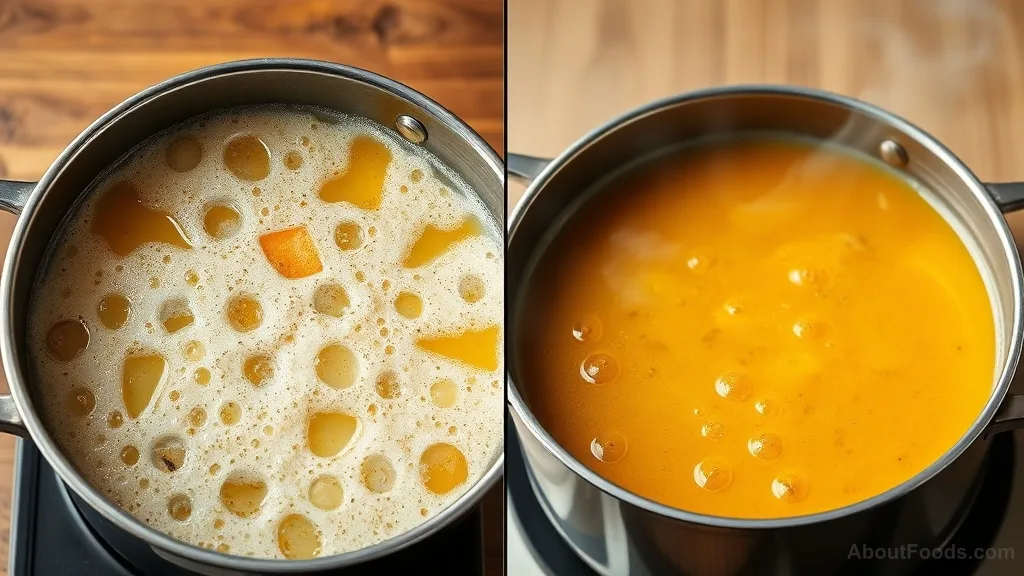
The core of this myth is a misunderstanding of time. Bacteria die when exposed to sufficient heat for a sufficient duration—what scientists call 'thermal death time.' Think of it like this: if I told you to stand in the Accra sun at noon, you wouldn't instantly combust. But stay there for hours without water or shade? Different story. Bacteria are similar. Different types have different resistances, and killing them requires holding a specific temperature for a specific time. For example, to make milk safe, pasteurization holds it at 161°F (72°C) for 15 seconds—not a flash, but a sustained period. That 'instant kill' idea? It leaves food dangerously under-processed.
- **Not All Bacteria Are Equal**: Some, like Salmonella, die relatively quickly at high temps. Others, like Listeria, can tolerate more heat.
- **Spores Are the Ultimate Survivors**: Bacteria like Clostridium botulinum can form dormant, heat-resistant spores that survive boiling and only die with prolonged high heat under pressure (like in canning).
- **The Crowd Effect**: Higher bacterial loads require longer heating times to reduce to safe levels.
The Heat Penetration Problem: Why Your Food's Center Matters Most
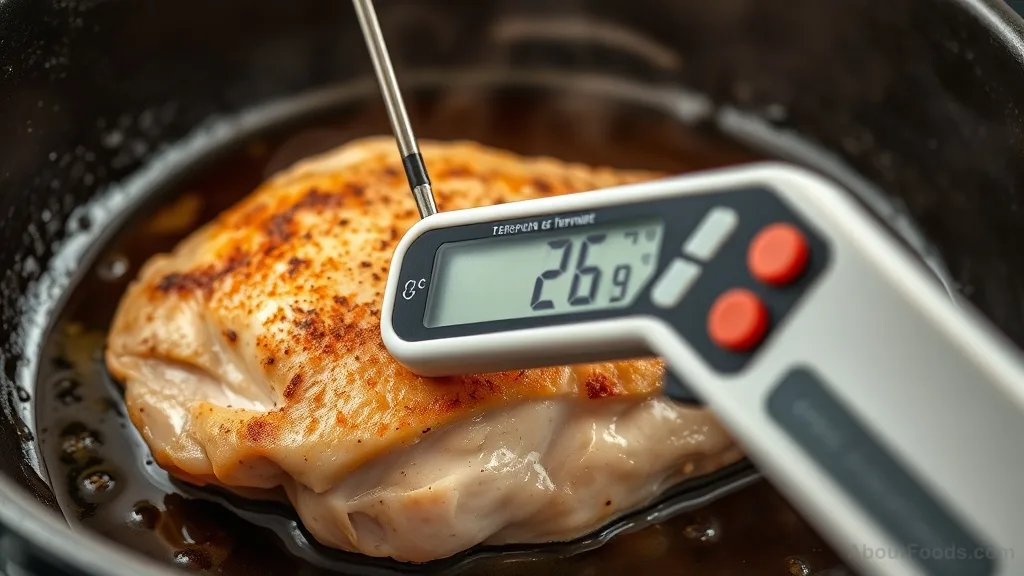
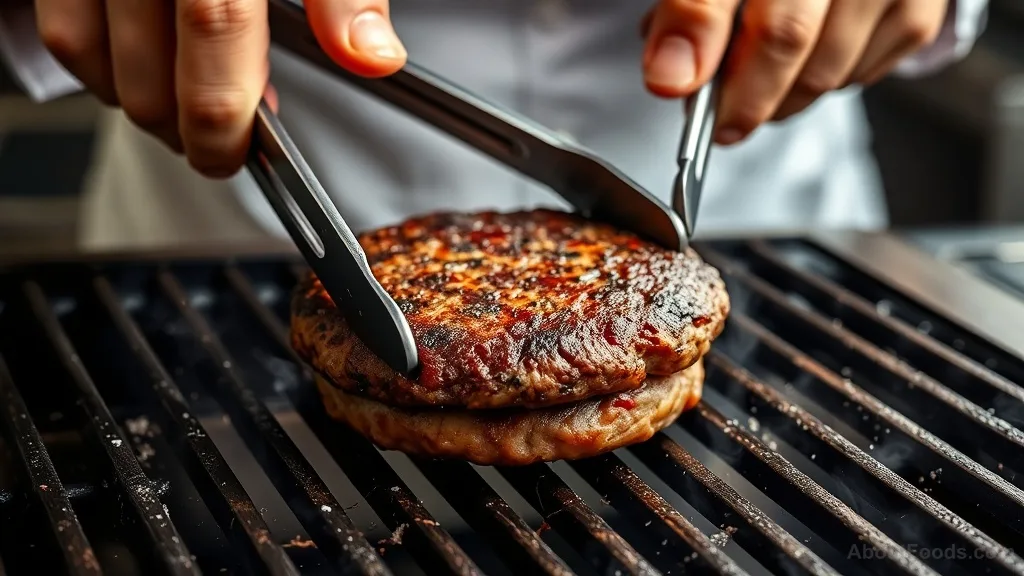
Here's where many cooks fail spectacularly. You see a beautiful sear on a steak or a golden crust on chicken, and you think, 'Job done.' But heat travels slowly through food. The surface might be at a sizzling 400°F, while the center is still in the 'danger zone' (40–140°F) where bacteria thrive. This is especially critical with dense foods like whole roasts, thick burgers, or stuffed poultry. I've seen people serve chicken that's pink near the bone because they trusted a hot surface. Don't be that person. The center must reach a safe temperature and hold it long enough—that's non-negotiable.
Common Cooking Mistakes That Keep Bacteria Alive
In my years battling in kitchens, I've seen the same errors repeated. Let's fix them. First, **relying on color alone**. Color changes from proteins denaturing, not necessarily from bacteria dying. Chicken can turn white before it's safe; burgers can brown while still raw inside. Second, **assuming boiling equals sterilization**. Boiling water (212°F/100°C) kills most active bacteria, but not all spores, and it doesn't instantly sanitize everything in the pot—large pieces need time. Third, **underseasoning your thermometer game**. If you're not using a reliable digital thermometer, you're guessing. And in food safety, guessing is a recipe for disaster.
Practical Takeaways for the Home Cook
So how do you cook like a champion—safe, flavorful, and confident? Start by investing in a good digital instant-read thermometer. Probe the thickest part of the food, away from bone or fat. For liquids, stir well before checking temperature. When reheating, bring leftovers to a full 165°F, not just 'warm.' And remember: size matters. Smaller pieces cook faster and more evenly, reducing risk. When I make my signature jollof, I ensure the rice is heated through uniformly, not just on top. That's the discipline that separates the masters from the amateurs.
- **Thermometer is Non-Negotiable**: Buy one, calibrate it, use it every time.
- **Cut for Safety**: Slice large meats or dense vegetables to reduce cooking time and improve heat penetration.
- **Stir and Rotate**: In pots and ovens, move food around for even heating.
- **Know Your Enemy**: High-risk foods (poultry, ground meat, eggs) need extra attention.
- **When in Doubt, Throw it Out**: No flavor is worth a foodborne illness.
Beyond the Myth: Embracing Time and Temperature
The real artistry in cooking—whether you're simmering a West African stew or grilling a perfect steak—lies in mastering time and temperature together. High heat is a tool, not a magic wand. By understanding thermal death time, heat penetration, and bacterial behavior, you move from superstition to science. This doesn't mean cooking with fear; it means cooking with respect. Respect for the ingredients, respect for the people you feed, and respect for the craft itself. Now go—cook boldly, but cook smart. Your kitchen, and your guests, will thank you.
FAQs: Your Quick Fire Questions Answered
If high heat doesn't kill bacteria instantly, how do we safely eat grilled or fried foods?
We rely on the combination of temperature AND time. Safe cooking guidelines (like those from the USDA) specify minimum internal temperatures that, when held for even a few seconds, ensure bacterial reduction to safe levels. Grilling or frying must get the center to that temp—not just the surface.
Does boiling water for 1 minute make it completely safe to drink?
Boiling for 1 minute (3 minutes at high altitudes) kills most disease-causing bacteria, viruses, and parasites, making water safe for drinking in emergency situations. However, it doesn't remove chemical contaminants, and some bacterial spores may survive.
Can you kill bacteria by cooking food twice?
Not reliably. If food wasn't cooked safely the first time, bacteria may have multiplied and produced toxins that aren't destroyed by heat. Reheating might kill live bacteria, but toxins remain dangerous. Always cook properly the first time.
Why do some recipes say 'cook until juices run clear' instead of giving a temperature?
This is an old, unreliable guideline. Juices can run clear before the meat reaches a safe temperature, especially in poultry. Always use a thermometer for accuracy.
How do professional kitchens ensure safety without overcooking everything?
They use precise temperature control (sous-vide, calibrated equipment), strict timing, and regular training. Home cooks can adopt similar habits: thermometers, proper resting, and understanding that 'done' is a temperature, not a color.
Rate this article
4.9 out of 5 from 17 ratings

Written by
Kofi Mensah
Specialises in West African cuisineKofi makes jollof rice that is famously better than Ghanaian neighbor's (a rivalry that spans decades). He adds smoked fish.
Describe yourself in three words: Competitive, smoky, jollof king.