Myth Busting
The Frozen Truth: Why You Should Skip Thawing and Cook Those Veggies Straight From the Freezer
Thawing frozen vegetables before cooking is a common kitchen habit that actually works against you. Cooking them directly from frozen preserves nutrients, improves texture, and saves time. Let's break down the science behind why the freezer-to-pan method delivers better results every time.
The Great Thawing Myth: Where Did We Go Wrong?
Hey there, kitchen friends! Chloe here, coming at you with what might just be the cheesiest, most golden nugget of kitchen wisdom you'll get this week. For years, we've been told to thaw our frozen vegetables before cooking them. It's become as automatic as preheating the oven or washing our hands. But what if I told you this common practice is about as useful as a screen door on a submarine? Let's unpack this frosty misconception together.
The thaw-first mentality likely stems from old cooking habits and a misunderstanding of how freezing actually preserves vegetables. Many home cooks worry that frozen veggies will cook unevenly or become waterlogged if not thawed first. But modern freezing techniques and some good old food science tell a different story. In fact, that extra thawing step isn't just unnecessary—it's actively working against you in the flavor, texture, and nutrition departments.
The Science of Freezing: Nature's Pause Button
Before we dive into why thawing is problematic, let's understand what happens during freezing. When vegetables are flash-frozen (the method used for most commercial frozen veggies), the water inside their cells turns to ice crystals quickly. This rapid freezing creates smaller ice crystals that do less damage to the cell walls. Think of it like hitting pause on a movie—everything stays right where it was when you froze it.
- Flash freezing happens at extremely low temperatures (-30°F or lower)
- Small ice crystals form quickly, minimizing cell wall damage
- Enzymatic activity slows to a near-standstill
- Nutrients are locked in at their peak freshness
When you thaw vegetables slowly in your refrigerator or on the counter, those ice crystals melt gradually. This gives the vegetable cells time to absorb the melted water, which then leaks out during cooking, taking valuable nutrients and flavor compounds with it. It's like defrosting a freezer-burned steak—you end up with a puddle of lost goodness.
Texture Triumph: Why Frozen-to-Cook Wins Every Time
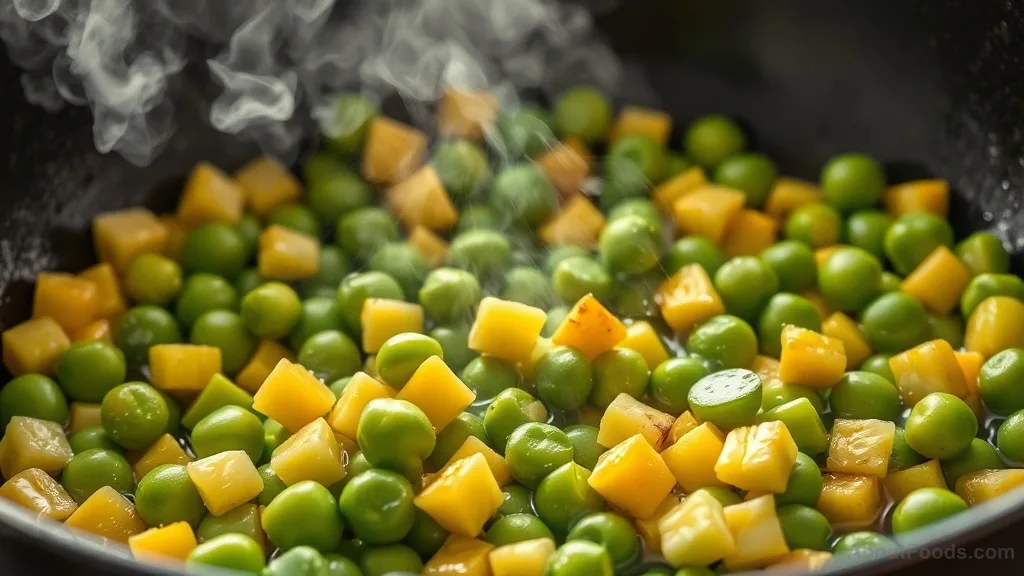
Here's where the magic happens, folks. When you cook vegetables directly from frozen, the heat hits them while they're still in their preserved state. The outer layers cook quickly, creating a protective barrier that helps maintain the vegetable's structure. Meanwhile, the ice inside turns to steam, cooking the vegetable from the inside out in a gentle, even manner.
| Vegetable Type | Thawed First Result | Frozen-to-Cook Result | Best Cooking Method |
|---|---|---|---|
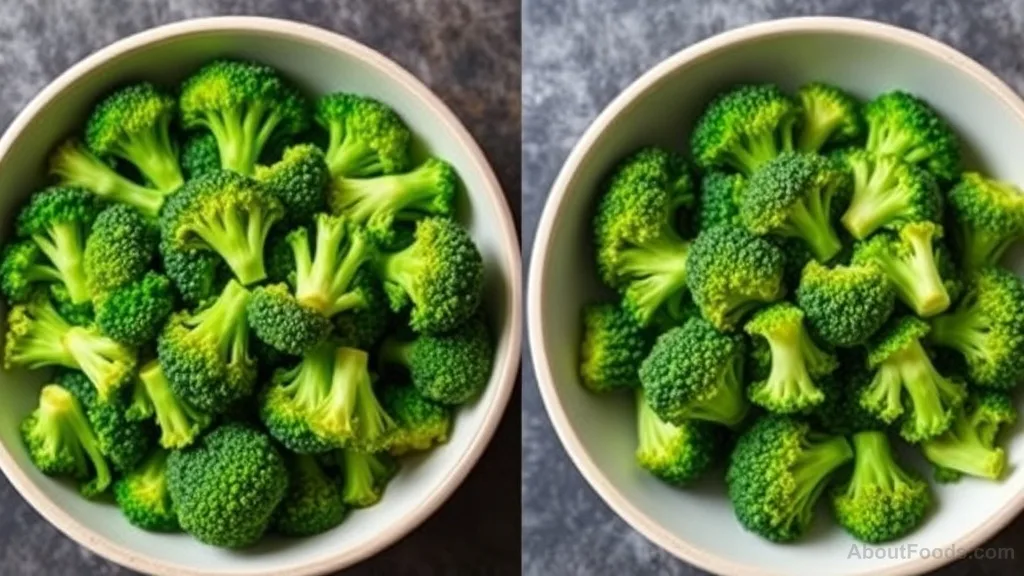
| Broccoli Florets | Mushy, dull green | Crisp-tender, vibrant | Steaming or sautéing |
| Peas | Wrinkled, mealy | Plump, sweet | Quick boiling or steaming |
| Corn Kernels | Tough, chewy | Tender, juicy | Sautéing or roasting |
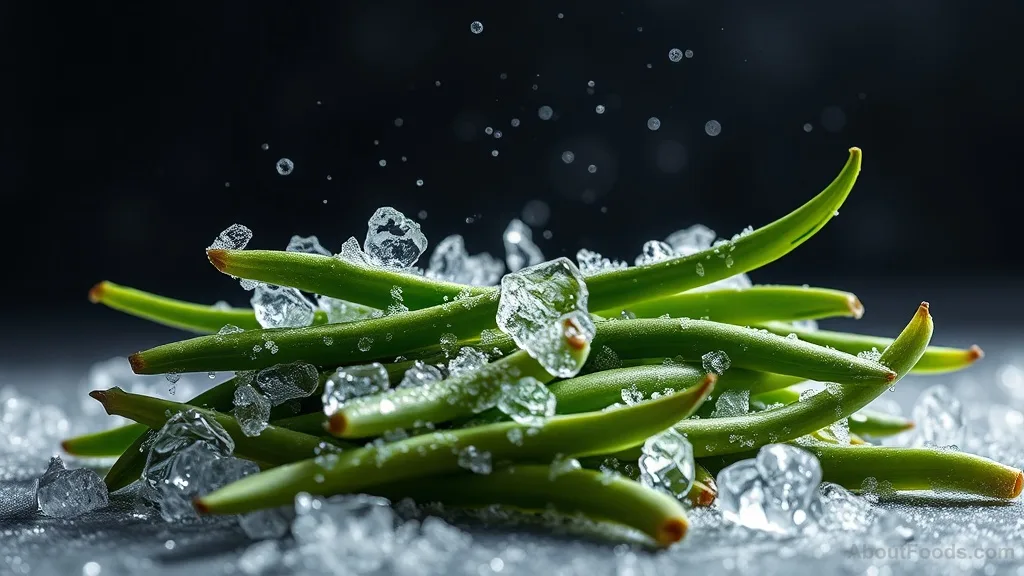
| Green Beans | Soggy, limp | Snappy, bright | Stir-frying or roasting |
| Spinach | Waterlogged, slimy | Tender, intact leaves | Quick wilting in pan |
The key difference comes down to water management. Thawed vegetables have already released much of their cellular water, which then has to be cooked off. Frozen vegetables cook in their own steam, which actually helps preserve texture and prevents the dreaded mush factor. It's like the difference between steaming fresh vegetables versus boiling them to death—one method respects the vegetable's integrity, while the other assaults it.
Nutrient Preservation: Keeping the Good Stuff Where It Belongs
Now let's talk about what really matters—keeping those vitamins and minerals right where we want them: in our food, not down the drain. Water-soluble vitamins like vitamin C and B vitamins are particularly vulnerable during the thawing process. When ice crystals melt slowly, they carry these nutrients out of the vegetable cells and into the thaw water that you'll inevitably pour off.
The numbers don't lie! Cooking from frozen significantly reduces nutrient loss because the vegetables spend less time in a vulnerable state. The quick transition from frozen to cooked means nutrients don't have time to leach out. It's like taking a direct flight versus one with three layovers—you get to your destination (your plate) with all your luggage (nutrients) intact.
Time and Convenience: The Practical Perks
Let's be real—who has time to plan ahead for thawing vegetables? The beauty of cooking from frozen is that it fits into our actual lives. No more remembering to move bags from freezer to fridge the night before. No more last-minute microwave thawing that partially cooks some pieces while leaving others frozen solid.
- Eliminates 30-60 minutes of thawing time
- Redces food waste (use only what you need)
- Simplifies meal planning (no advance preparation needed)
- Maintains food safety (less time in temperature danger zone)
From a food safety perspective, cooking from frozen also reduces the time vegetables spend in the temperature danger zone (40°F-140°F), where bacteria can multiply. While frozen vegetables are generally safe, minimizing time in this range is always a good practice. Plus, you can cook exactly the amount you need and return the rest to the freezer—no more partially used bags taking up fridge space.
Mastering the Method: How to Cook Frozen Vegetables Perfectly
Now that we've busted the thawing myth, let's talk technique. Different vegetables benefit from different approaches, but they all share one rule: start them frozen. Here's your go-to guide for getting the best results from your freezer staples.
Remember: frozen vegetables cook faster than fresh ones because they're already partially broken down by freezing. Start checking for doneness a few minutes earlier than you would with fresh vegetables. And here's my golden rule—season after cooking, not before. Salt draws out moisture, and we want to keep that precious liquid inside our veggies where it belongs.
Common Questions Answered
Won't frozen vegetables make my dish watery?
Actually, the opposite is true! Thawed vegetables release more water during cooking because their cell walls have already been compromised. Frozen vegetables cooked properly will release minimal water, and any that does appear will quickly evaporate with proper heat management.
What about frozen vegetables in soups and stews?
Perfect for soups! Add them directly to your simmering broth—they'll cook evenly and contribute to the flavor base. The liquid in the soup prevents any texture issues, and you'll get maximum nutrient retention.
Can I roast frozen vegetables without them getting soggy?
Absolutely! The key is high heat (425°F or higher) and not overcrowding the pan. The moisture will evaporate quickly, leaving you with beautifully caramelized, tender vegetables. No thawing needed!
Are there any exceptions to the no-thaw rule?
Very few. Large items like whole artichokes or stuffed vegetables might benefit from partial thawing for even cooking. But for 95% of frozen vegetables—peas, corn, broccoli, beans, spinach—straight from freezer to heat is the way to go.
How does this affect meal prep and freezing my own vegetables?
If you're freezing your own vegetables, blanch them first to preserve color and texture, then freeze in a single layer on a baking sheet before bagging. When cooking, use the same frozen-to-cook methods for best results.
The Bottom Line: Your New Freezer Philosophy
So there you have it, my kitchen companions—the case for leaving thawing in the past where it belongs. Cooking frozen vegetables directly from their icy slumber isn't just a time-saver; it's a quality upgrade. You'll get better texture, brighter color, more nutrients, and honestly, less fuss in your cooking routine.
Next time you reach for that bag of frozen peas or broccoli, remember: the freezer is your friend, not an obstacle to overcome. Skip the thaw, embrace the sizzle, and enjoy vegetables that taste as close to garden-fresh as possible, even in the dead of winter. Now if you'll excuse me, I have some frozen corn that's calling my name—straight from bag to skillet, no thawing required. Happy cooking!
Rate this article
4.3 out of 5 from 11 ratings

Written by
Chloe Hayes
Specialises in American cuisineChloe makes mac and cheese with a breadcrumb topping and a hint of nutmeg. She is a comfort food queen.
Describe yourself in three words: Cheesy, golden, nutmeg surprise.