Myth Busting
Stop Washing Your Mushrooms: The Science Behind Why They Hate Water
For generations, cooks have been told to wash mushrooms under running water. This article explains why that's a culinary mistake rooted in misunderstanding mushroom biology. You'll learn the proper techniques to clean mushrooms without compromising their texture or flavor.
The Grandmother's Tale That Got It Wrong
My avó used to say, 'Wash everything that comes from the earth.' She would dunk mushrooms in water like they were potatoes fresh from the field. God rest her soul, she was wrong about this one. For generations, this wisdom has been passed down through kitchens worldwide: mushrooms must be washed. But here's the truth, my dear cooks - mushrooms are not potatoes. They're not even close. They're more like sponges than vegetables, and treating them as such will transform your cooking. Let me explain why this old habit needs to end, and what you should do instead.
Mushrooms: Nature's Little Sponges
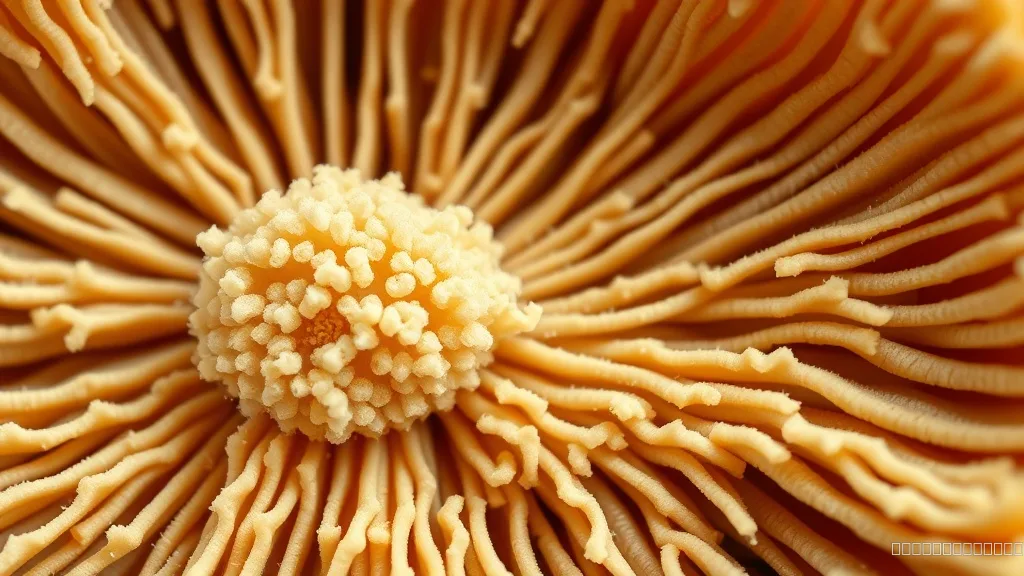
To understand why washing mushrooms is problematic, you need to know what they really are. Mushrooms are fungi, not plants. Their structure is fundamentally different from vegetables. While vegetables have cell walls made of cellulose (which repels water), mushrooms are about 90% water held in a network of chitin - the same material that makes up insect exoskeletons. This structure creates millions of tiny pores and cavities that act like microscopic sponges.
When you submerge mushrooms in water, they don't just get wet on the surface. They absorb water through those pores, swelling up like a dried sponge in a sink. A study published in the Journal of Food Science found that mushrooms can absorb their weight in water in just 10 minutes of soaking. This extra water doesn't just disappear during cooking - it has to go somewhere, and that somewhere is into your pan, diluting flavors and preventing proper browning.
The Science of What Happens When You Wash
Let's break down exactly what occurs when you wash mushrooms, using the voice of a scientist who also happens to make a mean mushroom risotto. First, water penetrates the porous structure through capillary action - the same principle that draws liquid up a paper towel. Once inside, this water disrupts the mushroom's cellular structure.
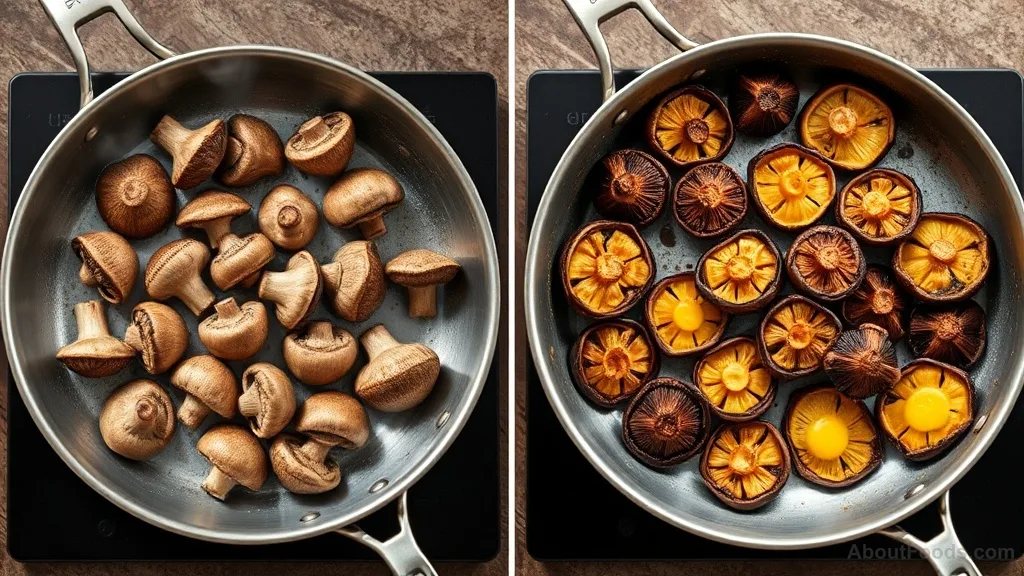
This water absorption has practical cooking consequences. When you try to sauté waterlogged mushrooms, the heat must first evaporate all that excess water before the mushrooms can begin to brown. By the time they're dry enough to brown, they're often overcooked and rubbery. The Maillard reaction - that beautiful chemical process that creates complex flavors through browning - requires dry surfaces. Wet mushrooms steam instead of sauté.
The Right Way: Dry Cleaning Methods
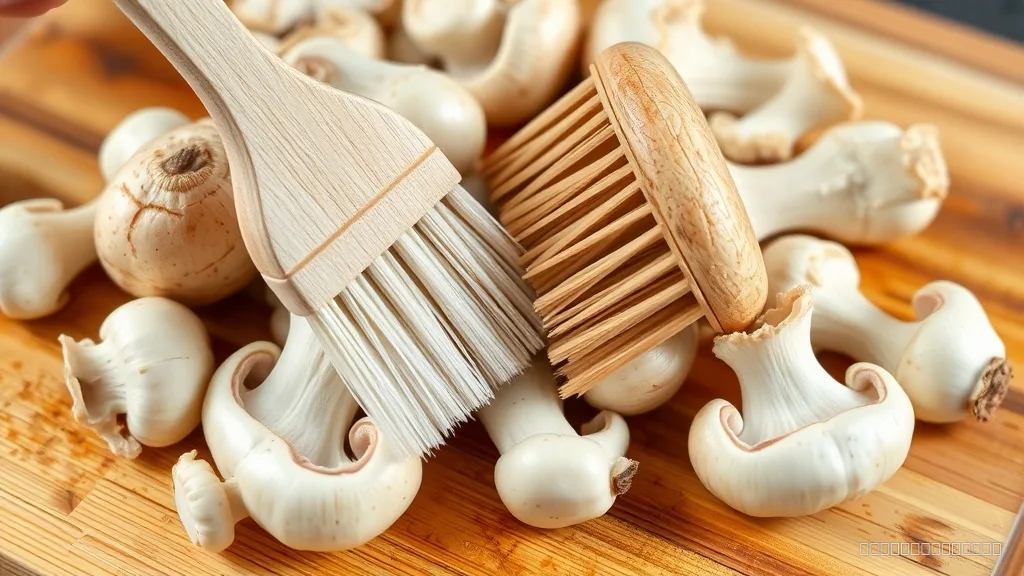
Now that we've established what not to do, let me share the methods that actually work. These techniques respect the mushroom's biology while ensuring they're clean and ready for your recipes.
Remember this rule: mushrooms should be cleaned just before cooking, not stored after cleaning. Once cleaned, they begin to deteriorate faster. Think of them as delicate forest creatures that prefer to stay in their natural state until the last possible moment.
Mushroom Varieties and Their Cleaning Needs
Not all mushrooms are created equal when it comes to cleaning. Different varieties have different structures and growing conditions that affect how they should be handled. Let me guide you through the most common types.
Practical Kitchen Applications
Now let's talk about what this means for your actual cooking. The difference between properly cleaned and waterlogged mushrooms affects several key culinary techniques.
Here's a practical tip: when cooking mushrooms, start with a hot pan and don't crowd them. They need space to release their natural moisture and then evaporate it. If you pile them in, they'll steam in their own juices. Cook in batches if necessary - your patience will be rewarded with beautifully browned, flavorful mushrooms.
Common Myths and Questions Answered
A Final Word from the Kitchen
My dear cooks, sometimes the old ways need updating with new understanding. Mushrooms are magical creatures - neither plant nor animal, living in that mysterious space between. They deserve to be treated with respect for what they are, not what we assume they should be. Put down the colander, pick up a soft brush, and let your mushrooms shine as nature intended. Your risottos will be richer, your sautés more caramelized, and your soups more deeply flavored. And if my avó were here, I'd serve her a plate of perfectly cooked mushrooms and say, 'See? Sometimes science and tradition can find common ground in a hot pan.' Now go cook something wonderful.
Rate this article
4 out of 5 from 9 ratings

Written by
Ines Silva
Specialises in Portuguese cuisineInes learned to cook bacalhau from her avó, who spoke only in proverbs. Ines now speaks only in proverbs too.
Describe yourself in three words: Mystical, grandmotherly wisdom with dry humor.