Myth Busting
The Great Marinade Myth: How Deep Do Flavors Really Penetrate?
Marinades don't penetrate meat as deeply as most home cooks believe. Understanding the science behind surface flavoring versus deep penetration can transform your grilling and cooking results.
The Smoke-Filled Myth We've All Believed
Now listen here, friends. I've spent more hours than I care to count tending to briskets in my backyard smoker, watching that beautiful smoke curl up into the Texas sky. And for years, I believed what every backyard pitmaster believes: that if you marinate your meat long enough, those flavors will work their way deep into every fiber. We'd soak our steaks overnight, convinced we were infusing them with garlic, herbs, and spices from the inside out. Turns out, we were mostly just making our refrigerators smell good.
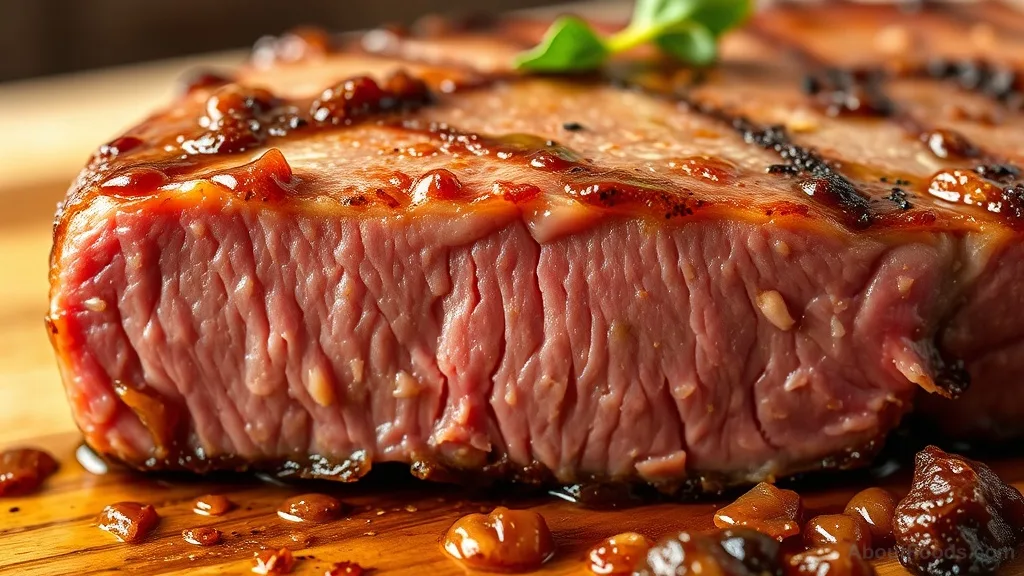
The truth is, most marinade flavors don't penetrate much deeper than the surface of your meat. That's right - all that time you spent waiting for flavors to 'soak in' was mostly wasted. But before you throw out your favorite marinade recipe, let me tell you why this actually matters, and how understanding this simple fact can make you a better cook.
The Meat Barrier: Why Flavors Stay Put
Meat is mostly water - about 75% of it, in fact. And that water is held tightly within muscle fibers by proteins. When you apply a marinade, you're dealing with some serious biological architecture. The muscle fibers themselves are wrapped in connective tissue, creating a natural barrier that most flavor molecules simply can't penetrate deeply.
- Salt and sugar are the only common marinade ingredients that penetrate more than a millimeter or two
- Most herbs, spices, and aromatic compounds are too large to move through muscle fibers
- Acids (like vinegar or citrus juice) can break down surface proteins but don't travel far inward
- Oils create a barrier that can actually prevent other flavors from reaching the meat
Think of it like this: you're trying to get flavor into a sponge that's already saturated with water. The water inside doesn't want to make room for your marinade ingredients. This is why even after 24 hours of marinating, you'll only get flavor penetration of about 1-2 millimeters at most.
What Actually Gets Through (And What Doesn't)
| Ingredient Type | Penetration Depth | What It Actually Does |
|---|---|---|
| Salt | Several millimeters to centimeter | Draws out moisture, then reabsorbs with salt, seasons interior |
| Sugar | 1-3 millimeters | Caramelizes on surface, minimal interior flavor |
| Acids (vinegar, citrus) | Surface only | Denatures surface proteins, can make meat mushy if overdone |
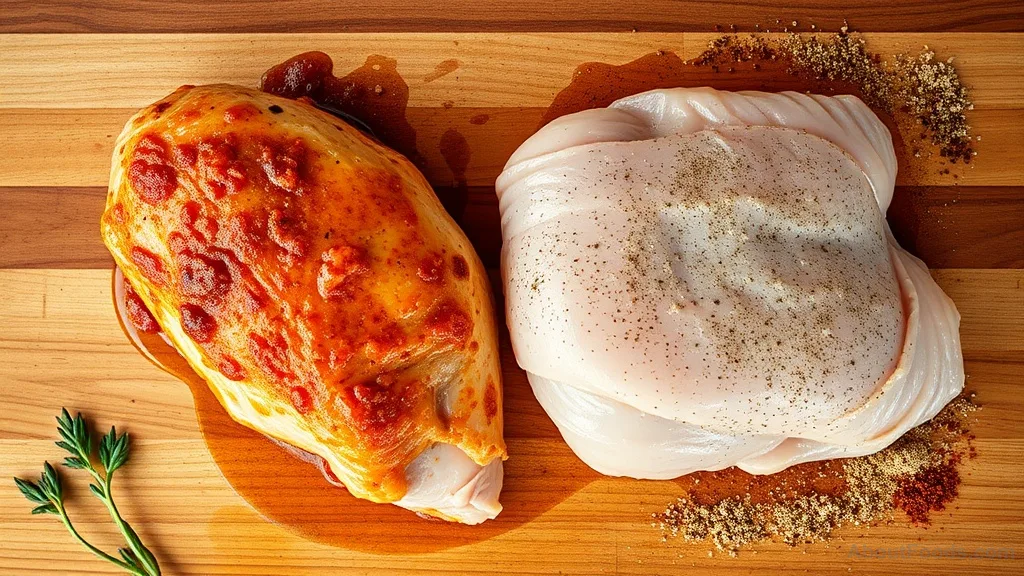
| Herbs & Spices | Surface coating | Adds flavor to exterior, creates crust when cooked |
| Oils | Surface coating | Carries fat-soluble flavors, prevents drying during cooking |
| Enzymes (pineapple, papaya) | Surface only | Breaks down surface proteins, can over-tenderize if left too long |
Notice something important here? Salt is the only real penetrator. That's why dry brining (salting meat ahead of time) works so well - the salt actually moves into the meat through osmosis, seasoning it from the inside. Everything else is mostly surface decoration. Now, that surface decoration matters - don't get me wrong. A good crust packed with herbs and spices is what makes grilled meat sing. But it's not coming from deep within.
The Time Trap: Why Overnight Marinating Is Overrated
Here's where we've all been led astray. That recipe that says 'marinate overnight for best results'? It's mostly folklore. After about 2-4 hours, you've gotten about 90% of the flavor penetration you're going to get. Anything beyond that is diminishing returns, and with acidic marinades, you're actually risking making the surface mushy.
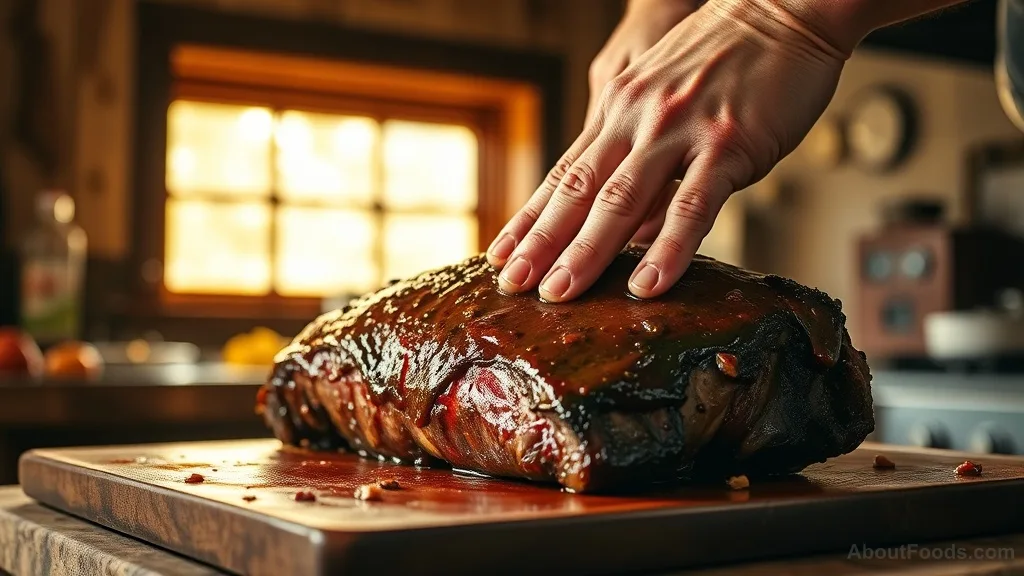
I learned this the hard way with a beautiful brisket flat I'd marinated for 24 hours in a citrus-based mixture. The surface turned to mush while the interior remained completely unaffected by the marinade flavors. The smoke flavor penetrated deeper than my carefully crafted marinade ever did.
Better Techniques: Working With the Science
Now that we know the limitations, we can work with them instead of against them. Here's how to get the most flavor from your marinades:.
Remember: marinades are about surface flavor and protection during cooking. They're not magic potions that transform meat from the inside. Work with that reality, and you'll get better results with less waiting around.
When Marinades Actually Work (And When They Don't)
Not all meats and cooking methods are created equal when it comes to marinades. Understanding these differences will save you time and disappointment.
- Great for marinades: Thin cuts for quick cooking (skirt steak, chicken cutlets), vegetables (they're less dense), tofu (porous structure)
- Poor for marinades: Thick roasts, whole birds (surface-to-volume ratio is too low), already tender cuts (you're not improving texture)
- Best cooking methods: Grilling, broiling, searing - where you develop that flavorful crust
- Worst cooking methods: Slow cooking, braising - the liquid cooking environment washes away surface flavors
Here's a personal example: I used to marinate my brisket for smoking. Now I dry brine it with salt for 12 hours, then apply a thin layer of mustard as a binder for my rub right before it goes in the smoker. The smoke penetrates deeper than any marinade ever could, and I get better bark development. The result? More flavor, less fuss.
Practical Takeaways for Your Next Cookout
Let's boil this down to what matters when you're standing in your kitchen or backyard:.
- Stop marinating overnight for anything but the thickest cuts. 2-4 hours is plenty for most meats.
- Focus on surface coverage, not soaking. Massage that marinade in like you mean it.
- Use salt separately from other marinade ingredients for better interior seasoning.
- Save some marinade for finishing - reduce it and brush it on after cooking.
- For thick cuts, consider dry brining instead of wet marinating.
- Remember: marinades protect and flavor the surface. They don't work miracles inside the meat.
The beauty of understanding this science is that it frees you up. No more planning your cooking schedule around overnight marinating. No more disappointment when your 'perfectly marinated' steak tastes just like a regular steak. You work with the reality of meat, not the mythology of marinades.
Marinade Myths: Your Questions Answered
Does poking holes in meat help marinade penetrate deeper?
Not really. Those holes only go a fraction of an inch deep, and they can actually let juices escape during cooking. You're better off with shallow scoring if you want to increase surface area.
What about vacuum-sealing or using a marinade injector?
Vacuum-sealing helps surface contact but doesn't improve penetration depth. Marinade injectors can force liquid deeper, but it tends to pool in pockets rather than distribute evenly. For most home cooking, neither is necessary.
Do acidic marinades actually tenderize meat?
They break down surface proteins, which can make meat seem more tender, but they can also make it mushy. For real tenderizing, you want enzymatic marinades (like pineapple or papaya) or mechanical tenderizing. But use them sparingly - they work fast.
How long is too long for marinating?
For acidic marinades: 2 hours max for tender cuts. For oil-based marinades: 4-6 hours for most meats. Anything longer and you risk texture problems without gaining additional flavor.
Should I rinse off marinade before cooking?
No - pat it dry instead. Rinsing washes away all that surface flavor you worked to apply. Patting dry helps with browning while keeping the flavors intact.
Rate this article
4.8 out of 5 from 19 ratings

Written by
Mason Walker
Specialises in American cuisineMason Walker makes barbecue brisket that takes 16 hours. He sleeps next to the smoker.
Describe yourself in three words: Smoky, slow, brisket loyalist.