Myth Busting
Bone Broth Unmasked: Separating Ancient Wisdom from Modern Hype
Bone broth has been celebrated as a healing elixir and superfood, but what does science actually say? We explore the evidence behind collagen extraction, nutrient bioavailability, and whether your simmering pot holds real magic or just good soup.
The Truth About Bone Broth: Is It Really a Superfood?
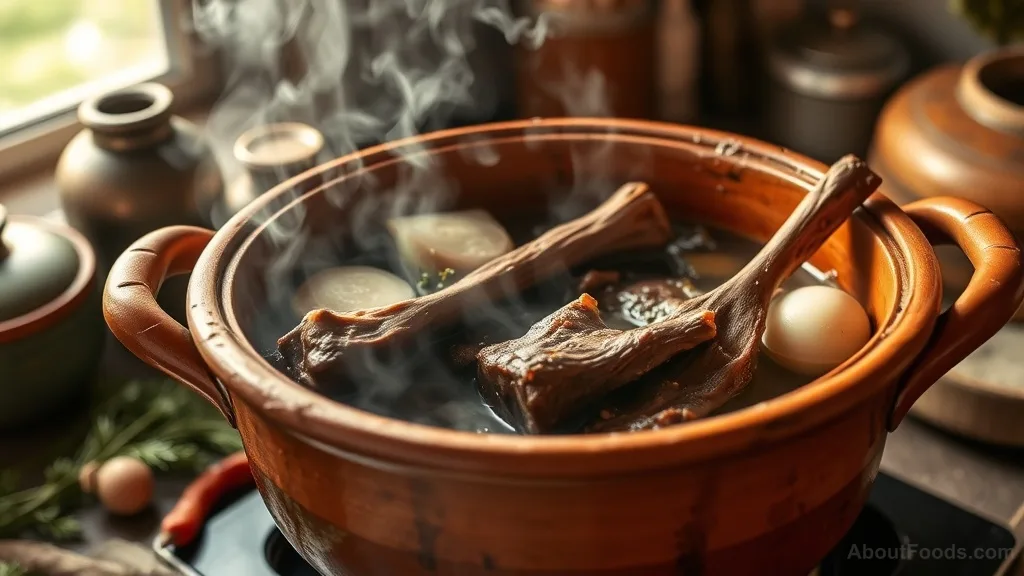
In the shadowed kitchens of my abuela, pots simmered for days with bones that whispered stories of the earth. Today, those same pots are called 'superfood' vessels. But let me tell you, as someone who has tasted both tradition and hype: the truth about bone broth is more complex than a trendy café menu suggests. We will walk through what actually happens when bones meet heat and time, separating the ancestral wisdom from the modern marketing.
What Exactly Is Bone Broth?
Bone broth is simply broth made by simmering animal bones—often with connective tissue—for an extended period, typically 12 to 48 hours. The goal is to extract collagen, which breaks down into gelatin, along with minerals from the bones. Unlike regular stock, which might cook for a few hours, bone broth takes its time, like a patient storyteller unraveling a tale.
- **Base Ingredients:** Bones (chicken, beef, fish), water, acid (like vinegar), vegetables, herbs.
- **Key Process:** Slow simmering at low heat (around 180°F/82°C) to avoid boiling, which can make broth cloudy.
- **Traditional Roots:** Found in many cultures, from Mexican caldo de hueso to Vietnamese phở broth.
The Science of Simmering: What Actually Extracts?
When you simmer bones, heat and water work together to break down collagen, a protein in connective tissues. Collagen molecules unwind and dissolve into gelatin, which gives broth its signature body and mouthfeel. Minerals like calcium and magnesium may leach out, but their amounts depend on bone type, cooking time, and acidity.
| Component | What It Is | Extraction Notes |
|---|---|---|
| Collagen/Gelatin | Structural protein from connective tissue | Extracts well with long, low heat; gives broth thickness |
| Minerals (e.g., calcium) | From bone matrix | Limited extraction; broth is not a significant source compared to other foods |
| Fat | From marrow and tissues | Renders out, can be skimmed; adds flavor but varies by bone |
| Flavor Compounds | From bones, vegetables, herbs | Develops over time; longer cooking deepens umami |
A splash of vinegar or other acid can help draw out minerals by slightly dissolving bone matrix, but the effect is modest. The real star is gelatin—and that extraction peaks after about 24 hours for most bones.
Myth vs. Reality: The 'Superfood' Claims Examined
Let’s cut through the fog like a sharp knife. Bone broth is often touted as a cure-all, but science offers a more grounded perspective.
How to Make Broth That Actually Delivers
If you want broth with good body and flavor, technique matters more than mystique. Here’s how to maximize what science allows.
Remember, the best broth balances time and taste. It won’t cure ailments, but it will make your soups and sauces deeply satisfying.
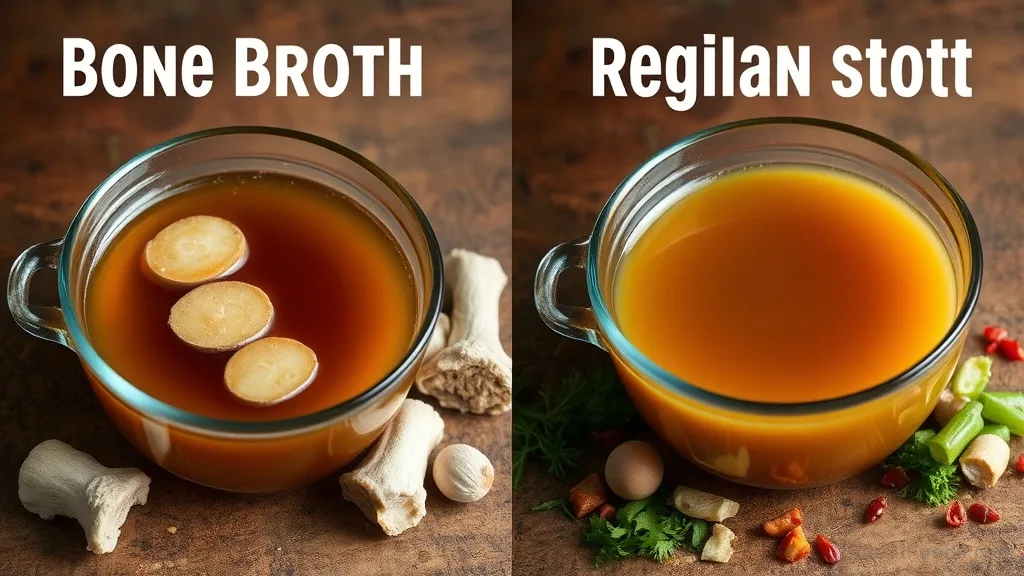
Bone Broth vs. Regular Stock: What's the Difference?
In the kitchen, these terms often blur, but from a food science angle, they have distinct profiles.
- **Bone Broth:** Simmered longer (12+ hours), focuses on collagen extraction, richer in gelatin, often uses more bones and less meat.
- **Stock:** Simmered shorter (2-6 hours), aims for balanced flavor, may include more vegetables and meat scraps, lighter body.
- **Practical Takeaway:** Use bone broth when you want thicker sauces or soups; use stock for clearer consommés or lighter dishes.
Neither is inherently 'better'—they serve different culinary roles. In my kitchen, I keep both, like different spices for different moods.
Common Mistakes and How to Avoid Them
Even with the best intentions, broth can go awry. Here are pitfalls to steer clear of.
- **Boiling Vigorously:** This clouds the broth and can make proteins coagulate, reducing clarity. Keep it at a gentle simmer.
- **Using Only Lean Bones:** Bones with marrow and connective tissue yield more gelatin. Include joints or feet for better results.
- **Skipping the Roast:** Roasting bones before simmering develops Maillard reaction flavors, adding depth that raw bones lack.
- **Overcrowding the Pot:** Too many bones can inhibit even heat distribution. Use a large pot and cover bones with water by about two inches.
- **Ignoring Skimming:** Skim foam and fat early on for a cleaner flavor, but leave some fat for richness if desired.
FAQs: Your Bone Broth Questions Answered
Can I make bone broth in a pressure cooker?
Yes, a pressure cooker can reduce time to 2-3 hours by using high pressure to break down collagen faster. However, some argue flavor develops better with slow simmering. For a balance, try pressure cooking for depth, then simmer uncovered briefly to concentrate flavors.
Is bone broth safe to drink daily?
In moderation, yes—it's generally safe as part of a varied diet. But it's not a magic elixir; balance it with other nutrient sources. If you have specific health conditions, consult a professional, as broth can be high in sodium or certain compounds.
How do I know if my broth has extracted enough gelatin?
Cool a small amount in the refrigerator. If it sets into a firm gel (like Jell-O), you've extracted well. If it's loose, consider simmering longer next time or using more connective tissue.
What's the best way to use bone broth in cooking?
Use it as a base for soups, stews, and sauces where its body adds richness. It's also great for cooking grains like rice or quinoa, imparting subtle flavor. Avoid high-heat reductions that might make it bitter.
Are there vegetarian alternatives with similar benefits?
Vegetable broths can be flavorful and nutritious, but they won't contain gelatin. For thickness, add ingredients like mushrooms for umami or agar-agar for a gel-like texture, though the science differs from bone-based extraction.
Final Thoughts: Embrace the Broth, Not the Hype
Bone broth is a testament to slow food—a practice of patience that yields comfort and depth. It won’t transform your health overnight, but it will enrich your cooking with traditions that span generations. In my view, its true superpower lies in connection: to our ancestors, to our kitchens, and to the simple alchemy of heat and time. So simmer on, but keep your expectations as grounded as the bones in your pot.
Rate this article
4.3 out of 5 from 11 ratings

Written by
Diego Garcia
Specialises in Mexican cuisineDiego is a taquero who uses a secret salsa roja that involves dried chiles he grows himself. He is a local legend.
Describe yourself in three words: Mysterious, proud, spicy.