Myth Busting
The Gentle Heat That Lingers: Unpacking Carryover Cooking and How It Changes Everything
Carryover cooking is the hidden heat that continues to cook your food after it leaves the oven or pan, often leading to overcooked meals. Understanding this simple science can transform your roasts, steaks, and baked goods from dry disappointments to perfectly tender masterpieces. Let's explore why this happens and how to work with it, not against it.
The Memory of Heat: What Carryover Cooking Really Is
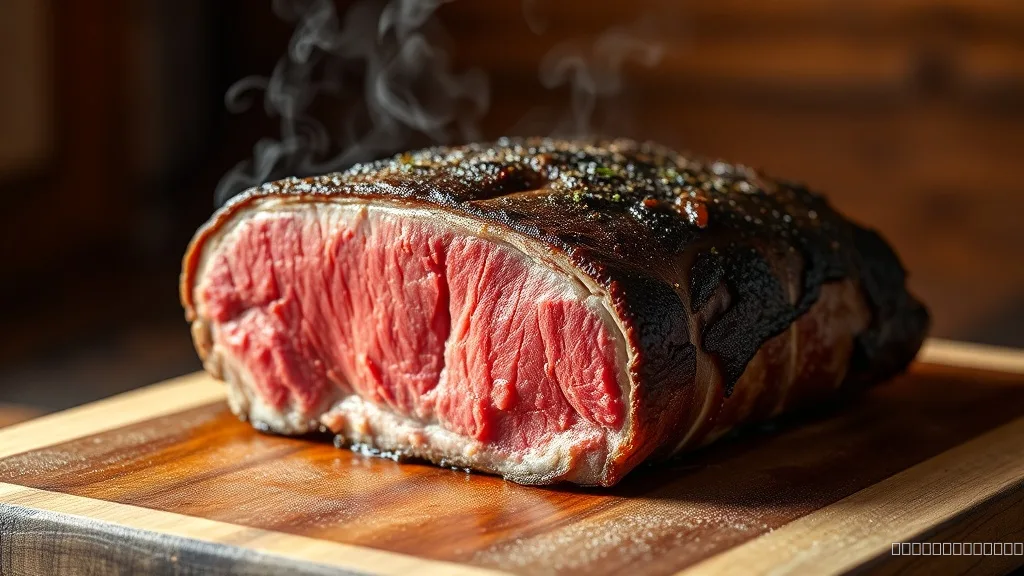
When I was a child in Vietnam, my grandmother would pull the clay pot of braised pork from the fire and set it aside, still bubbling gently. 'Let it remember the heat,' she'd say with a knowing smile. Only years later, studying food science, did I understand she was describing what we now call carryover cooking—the phenomenon where food continues to cook after being removed from the heat source. It's not magic, but simple physics: heat doesn't disappear instantly. The hotter exterior slowly transfers warmth to the cooler interior, raising the internal temperature even as the surface begins to cool. This residual cooking can add 5°F to 15°F (3°C to 8°C) to your food's doneness, which is often the difference between perfectly juicy and disappointingly dry.
Many home cooks misunderstand this process, pulling their roasts or steaks from the oven exactly when they reach their target temperature, only to find them overcooked minutes later. The truth is, cooking doesn't stop when you turn off the burner—it gradually winds down like the fading notes of a familiar song. By learning to anticipate this gentle continuation, you can work with it rather than fight against it, achieving results that honor both science and tradition.
Why Your Food Doesn't Stop Cooking When You Think It Does
Carryover cooking happens because of basic heat transfer principles. When you cook food, you create temperature gradients—the surface is hottest, the center coolest. Heat naturally flows from warmer areas to cooler ones, seeking equilibrium. Remove the food from heat, and this redistribution continues. The rate depends on several factors: the food's mass (larger items retain heat longer), cooking method (roasting creates more carryover than sautéing), and the temperature difference between the food and its environment.
- **Density matters**: Dense meats like beef roasts experience more carryover than delicate fish fillets
- **Surface area plays a role**: A whole chicken has less surface area relative to its volume than chicken pieces, so it retains heat better
- **Resting environment counts**: Leaving food in a warm oven or covering it with foil traps heat, increasing carryover effect
- **Initial cooking temperature**: Higher cooking temperatures create steeper temperature gradients, leading to more pronounced carryover
This isn't a flaw in your cooking—it's a fundamental property of how heat behaves. Recognizing this allows you to plan for it, much like my grandmother knew exactly when to remove her clay pot so the flavors would meld perfectly as it rested.
The Numbers Don't Lie: How Much Temperature Actually Rises
Let's move from poetry to practical numbers. While carryover cooking varies, these general guidelines will help you predict what to expect:.
| Food Type | Typical Carryover Rise | Key Factors |
|---|---|---|
| Large beef roast (4+ lbs) | 10-15°F (6-8°C) | Mass, oven temperature, resting method |
| Whole chicken or turkey | 8-12°F (4-7°C) | Size, whether stuffed, skin coverage |
| Pork loin or tenderloin | 5-10°F (3-6°C) | Thickness, cooking method |
| Steaks (1-1.5 inches thick) | 3-8°F (2-4°C) | Final sear temperature, resting surface |
| Fish fillets | 2-5°F (1-3°C) | Thickness, delicate structure |
| Dense vegetables (potatoes) | 5-10°F (3-6°C) | Size, cooking liquid |
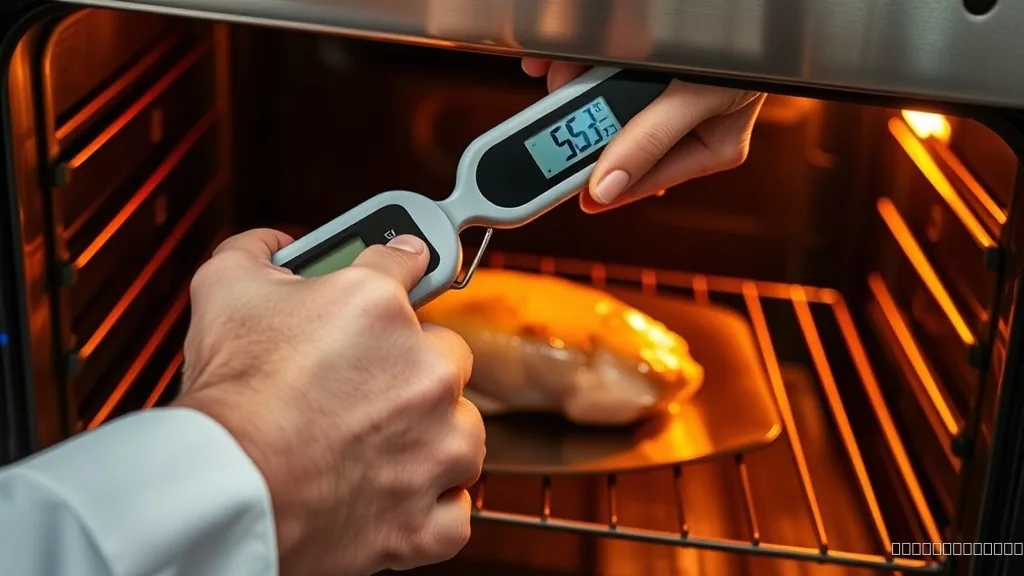
These numbers might seem small, but in the delicate window between perfectly cooked and overdone, every degree matters. A steak aiming for medium-rare at 130°F (54°C) that rises to 138°F (59°C) has crossed into medium territory. The proteins tighten, juices squeeze out, and that beautiful tenderness is lost. By pulling it at 125°F (52°C) and letting carryover cooking do the rest, you preserve every drop of flavor.
Practical Wisdom: How to Use Carryover Cooking to Your Advantage
Now that we understand the science, let's translate it to your kitchen. The key is anticipation—removing food from heat before it reaches your target temperature, then letting carryover cooking bring it to perfection. Here's how to apply this knowledge across different cooking scenarios:.
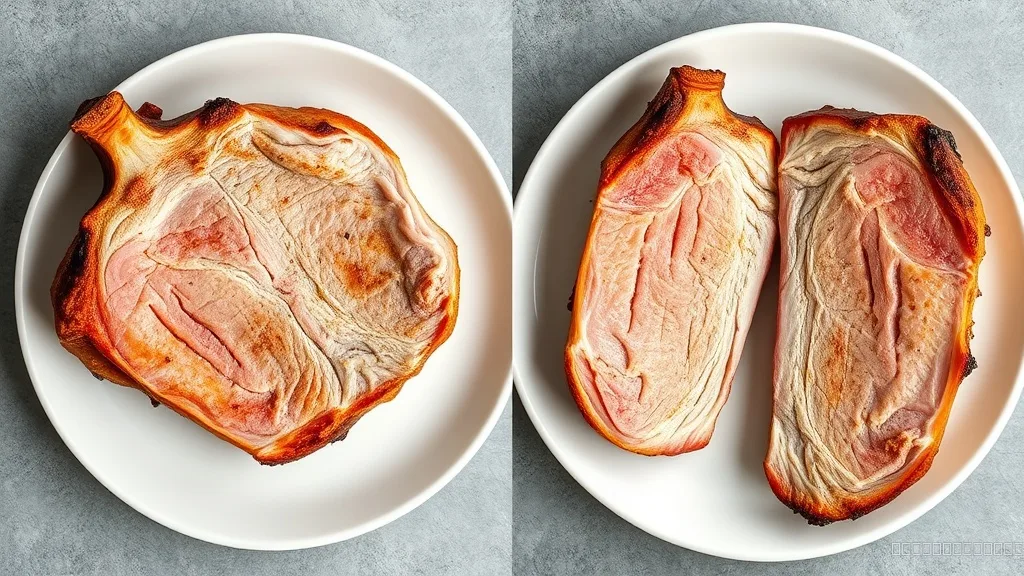
Remember that resting is part of cooking, not an interruption. During this time, not only does temperature equalize, but juices redistribute throughout the meat. Cutting too soon releases those precious fluids onto your cutting board instead of staying in your food.
Common Mistakes and How to Avoid Them
Even experienced cooks can stumble with carryover cooking. Here are the most frequent pitfalls I've seen in kitchens, both professional and home:.
Each of these mistakes stems from misunderstanding how heat behaves after active cooking stops. With awareness and slight adjustments, you can avoid them entirely.
Beyond Meat: Carryover Cooking in Vegetables and Baked Goods
While we often discuss carryover cooking with meats, it affects all heated foods. Dense vegetables like potatoes and carrots continue cooking after boiling or roasting—that's why recipes often say 'cook until just tender' rather than 'completely soft.' The residual heat will finish the job. In baking, carryover cooking is responsible for that perfect crumb structure. Bread removed from the oven continues to bake internally as it cools, setting the starches and proteins. Cakes finish firming up, avoiding a gummy center.
This universal principle connects all cooking traditions. In Vietnamese cuisine, we see it in clay pot dishes that come to the table still gently bubbling, in rice that steams itself to perfection after the heat is off, in soups that meld flavors as they cool slightly. It's not a Western concept or modern discovery—it's a fundamental truth about heat that cooks have intuitively understood for generations.
Your Carryover Cooking Questions Answered
How long should I let food rest for carryover cooking?
It depends on the food's size and density. Thin steaks need 5-10 minutes, while large roasts benefit from 20-30 minutes. The food should be warm but not hot when served.
Does carryover cooking happen with all cooking methods?
Yes, but to different degrees. High-heat methods like roasting create the most carryover, while gentle methods like poaching create less. Sous vide has minimal carryover since the food cooks at equilibrium temperature.
Can carryover cooking make undercooked food safe to eat?
Yes, to a point. Poultry pulled at 155°F (68°C) will safely reach 165°F (74°C) through carryover cooking. However, don't rely on it to make significantly undercooked food safe—use a thermometer and follow food safety guidelines.
Should I account for carryover cooking when reheating leftovers?
Absolutely. Reheat to slightly below your desired eating temperature, then let residual heat finish the job. This prevents overcooked, dried-out leftovers.
How does covering food affect carryover cooking?
Covering traps heat and moisture, increasing carryover effect. For delicate foods you want to stop cooking quickly (like fish), don't cover. For large roasts where you want even carryover, tent loosely with foil.
Can I speed up or slow down carryover cooking?
You can influence it by your resting environment. Placing food in a warm spot (like a turned-off oven) extends carryover. Placing it in a cool spot or on a cold surface slows it. For most home cooking, room temperature resting is ideal.
Embracing the Gentle Continuation
Carryover cooking isn't a problem to solve but a natural process to understand and work with. Like the way flavors deepen in a stew overnight or how bread develops better texture as it cools, this gentle continuation of heat is part of what transforms ingredients into nourishment. My grandmother never used a thermometer, but she knew exactly when to remove her clay pot from the fire—not when the pork was done, but when it was almost done, trusting the memory of heat to finish what she started.
Next time you cook, try removing your roast or steak just a few degrees earlier than usual. Watch as it reaches perfection not in the oven, but on your counter. Notice how the juices stay within the meat rather than flooding your cutting board. This small adjustment, grounded in simple science, can transform your cooking from a series of timed steps into a conversation with heat itself—one that continues even after the flame is gone.
Rate this article
4.6 out of 5 from 14 ratings
Written by
Linh Tran
Specialises in Vietnamese cuisineLinh Tran makes ca kho (caramelized fish) in a clay pot that has been in her family for 60 years.
Describe yourself in three words: Nostalgic, gentle, caramel smell.