Myth Busting
Does a Water Bath for Cheesecake Prevent Cracking, or Just Complicate Things?
A water bath is often touted as the foolproof way to prevent cheesecake cracking, but the science tells a more nuanced story. We explore whether this technique is essential or merely a kitchen complication, with practical guidance for perfect results.
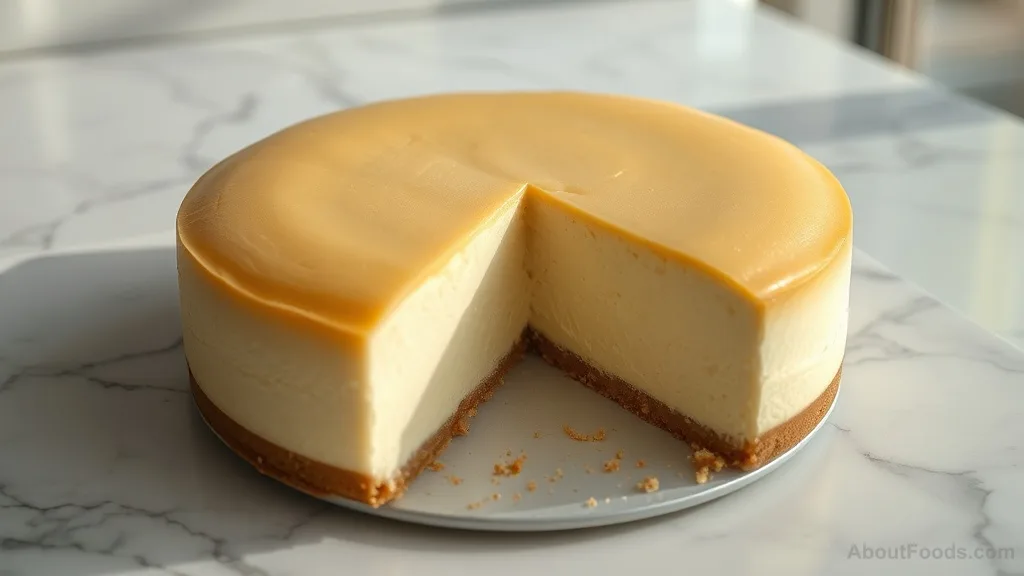
The Allure of the Perfect Cheesecake: A French Perspective
In my kitchen, where the scent of chèvre lingers like an old friend, I often ponder the pursuit of perfection in baking. The cheesecake—a dessert that demands both patience and precision—has long been shrouded in myths, particularly around the use of a water bath. Many bakers swear by this technique, believing it to be the magical barrier against the dreaded crack. But as someone rooted in French culinary tradition, where we value technique over complication, I ask: does a water bath truly prevent cracking, or does it merely add unnecessary steps to an already delicate process? Let us peel back the layers of this baking dogma and explore the science with an earthy, philosophical eye.
Understanding Cheesecake Cracking: The Science of Proteins and Heat
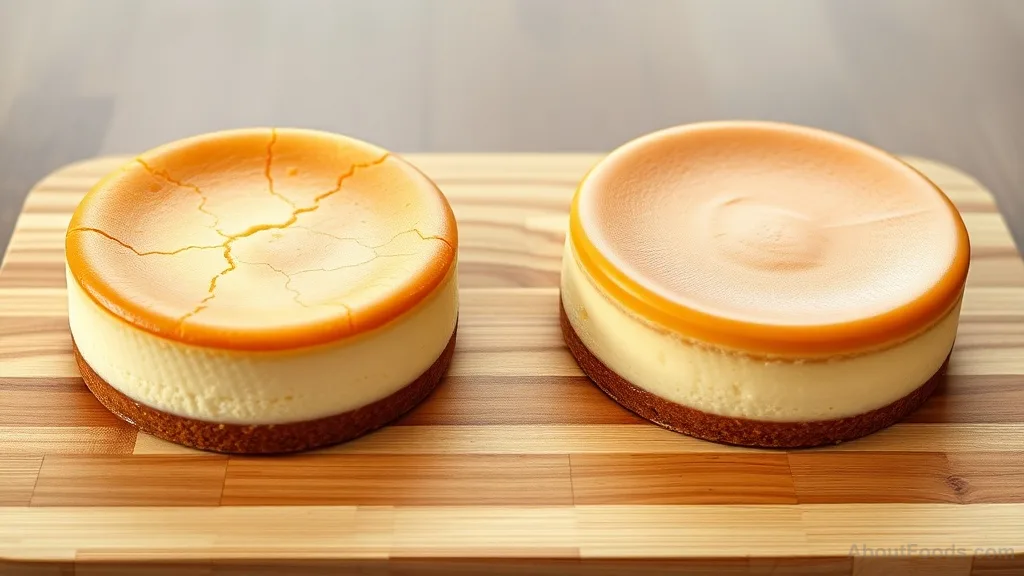
To demystify the water bath, we must first understand why cheesecakes crack. At its heart, a cheesecake is a custard—a delicate emulsion of dairy, eggs, and sugar. The primary culprit behind cracking is the denaturation of egg proteins. When exposed to high heat, these proteins coagulate and tighten, creating tension on the surface. If the heat is too intense or uneven, the proteins contract rapidly, leading to fissures. Additionally, overmixing incorporates air bubbles that expand during baking, further stressing the structure. The goal, then, is not to avoid heat altogether, but to apply it gently and evenly, allowing the proteins to set without shock.
The Water Bath Myth: What It Does and Doesn't Do
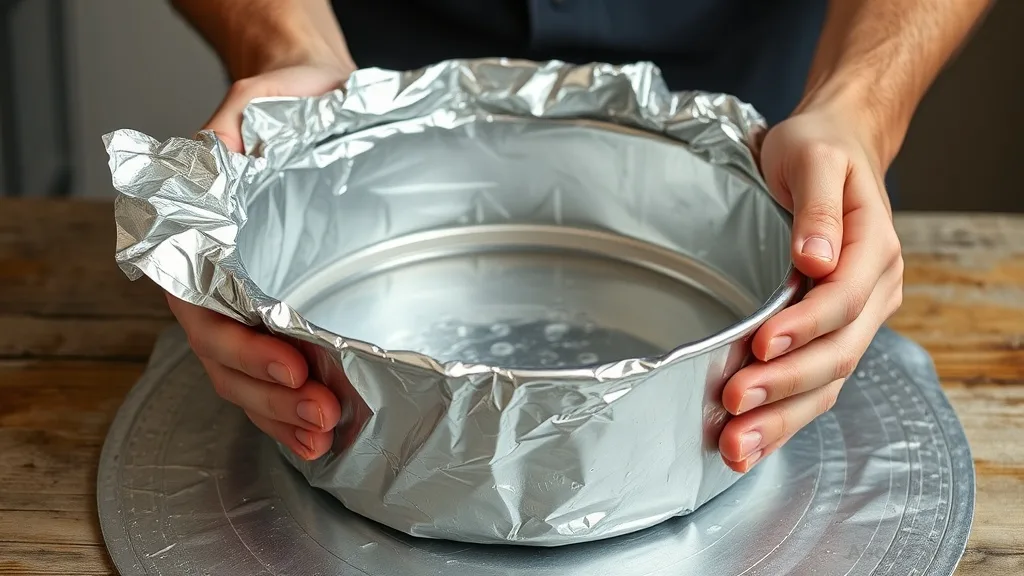
A water bath, or bain-marie, involves placing the cheesecake pan in a larger pan filled with hot water. The theory is that the water creates a humid environment, moderating oven temperature and preventing the edges from baking faster than the center. In practice, this can help, but it is not a silver bullet. The water bath does two key things: it provides gentle, indirect heat through steam, reducing the risk of sudden protein denaturation, and it adds moisture to the oven air, which can slow surface drying. However, it does not address other critical factors like ingredient temperature, mixing technique, or cooling methods. Relying solely on a water bath is like building a house on sand—it might hold, but without a solid foundation, cracks are inevitable.
Key Factors Beyond the Water Bath for Crack Prevention
- Ingredient Temperature: Use room-temperature cream cheese and eggs to ensure smooth blending and even baking.
- Mixing Technique: Avoid overmixing
- incorporate ingredients just until combined to minimize air bubbles.
- Oven Temperature: Bake at a low temperature (typically 300°F to 325°F) to allow gradual protein setting.
- Cooling Process: Let the cheesecake cool slowly in the turned-off oven with the door ajar to prevent thermal shock.
- Pan Preparation: Properly grease the pan or use parchment paper to reduce sticking
- which can cause cracks during removal.
Practical Comparison: Water Bath vs. No Water Bath
| Aspect | With Water Bath | Without Water Bath |
|---|---|---|
| Heat Distribution | More even, gentle heat from steam | Can be uneven if oven hotspots exist |
| Moisture Level | Higher humidity reduces surface drying | Lower humidity may lead to faster crust formation |
| Complexity | Adds steps: wrapping pan, handling hot water | Simpler, fewer components to manage |
| Risk of Leaks | Potential for water seeping into pan if not sealed well | No leak risk, but may require closer temperature monitoring |
| Crack Prevention | Helps if combined with other techniques, not guaranteed alone | Possible with precise temperature control and proper methods |
This comparison reveals that while a water bath offers benefits, it is not indispensable. Many bakers achieve flawless cheesecakes without it by mastering temperature control and mixing. The key is to view the water bath as one tool among many, not a mandatory ritual.
Step-by-Step Guide to a Foolproof Cheesecake (With or Without Bath)
Common Mistakes and How to Avoid Them
FAQs: Answering Your Cheesecake Quandaries
Is a water bath necessary for all cheesecake recipes?
No, it depends on the recipe and your oven. Denser recipes or those baked at higher temperatures may benefit more, but many can succeed without it with proper technique.
Can I fix a cracked cheesecake?
Yes, cracks can be disguised with toppings like fruit compote, whipped cream, or a sour cream layer. For prevention, focus on gentle baking and cooling.
How do I prevent water from leaking into the pan during a water bath?
Wrap the springform pan tightly in heavy-duty aluminum foil, covering the bottom and sides. Alternatively, use a silicone pan or place the pan in a oven-safe bag.
What's the ideal oven temperature for cheesecake?
Most recipes recommend 300°F to 325°F. Lower temperatures allow slower, more even cooking, reducing crack risk.
Can I bake cheesecake without a springform pan?
Yes, use a regular cake pan lined with parchment paper for easy removal, but monitor baking time as it may vary.
Rate this article
5 out of 5 from 21 ratings

Written by
Elodie Laurent
Specialises in French cuisineElodie is a Parisian who moved to the countryside to make cheese. She names her goats after French philosophers.
Describe yourself in three words: Earthy, philosophical, smells faintly of chèvre.