Myth Busting
Why the 'Bubble Test' for Jam Setting Is Useless (Do This Instead)
The traditional 'bubble test' for jam setting is an unreliable kitchen myth that often leads to overcooked, rubbery preserves. True jam setting depends on the precise balance of pectin, acid, and sugar - not bubble size. Learn the science-backed methods that guarantee perfect texture every time.
The Bubble Test Myth: Why It Fails Home Cooks
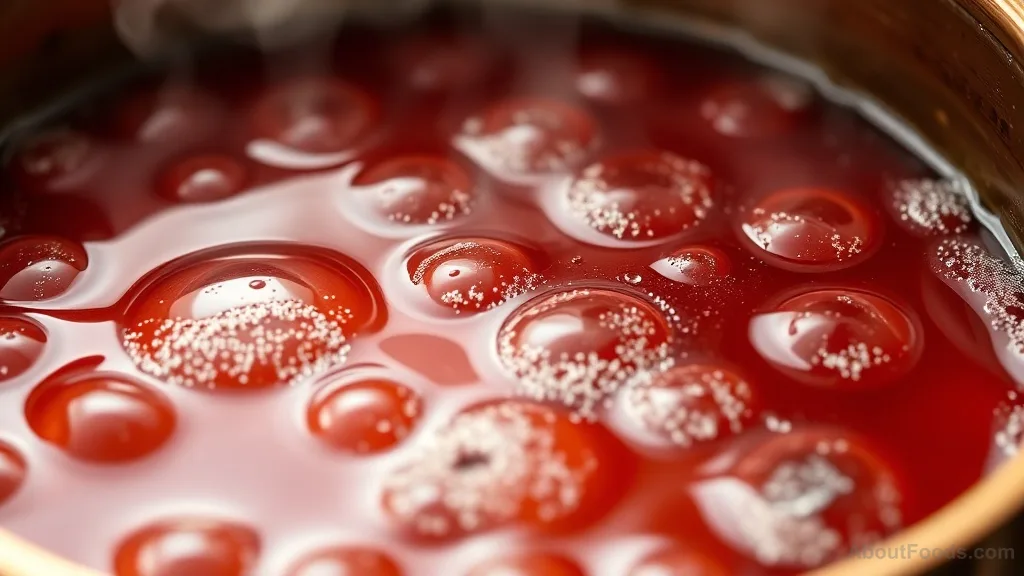
If you've ever made jam, you've probably heard the advice: 'Cook until the bubbles change' or 'Wait for the bubbles to look like they're holding their shape.' This well-meaning guidance has been passed down through generations, whispered between grandmothers and shared in community cookbooks. But here's the truth I've learned through years of preserving nature's bounty: the bubble test is about as reliable as predicting the weather by watching clouds. It's a kitchen myth that sets you up for disappointment, leading to everything from runny syrups to rubbery overcooked preserves that taste more of caramel than fruit.
The problem isn't that bubbles don't change during cooking—they absolutely do. As jam reduces, bubbles become smaller, thicker, and move more slowly. But here's the catch: these changes depend on dozens of variables that have nothing to do with whether your jam will actually set. The type of fruit, its ripeness, your altitude, the width of your pot, even the humidity in your kitchen—all affect bubble behavior. I've seen perfectly set jams that never developed 'the right bubbles' and disastrously overcooked batches where the bubbles looked textbook perfect. It's time we liberate ourselves from this unreliable tradition and embrace methods grounded in actual food science.
The Real Science of Jam Setting: Pectin's Magic Dance
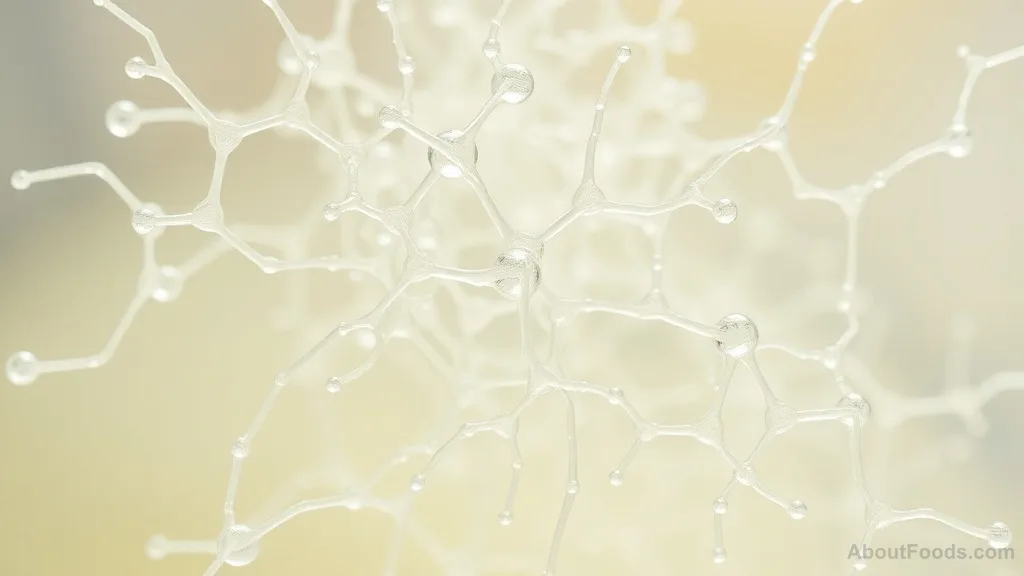
To understand why the bubble test fails, we need to understand what actually makes jam set. It's not about evaporation alone—it's about the magical dance of three partners: pectin, acid, and sugar. Pectin is a natural carbohydrate found in fruit cell walls that, when activated properly, forms a gel network that gives jam its beautiful spreadable texture. But pectin is fussy—it needs specific conditions to work its magic.
- Pectin molecules are negatively charged and naturally repel each other
- Acid (usually from lemon juice or the fruit itself) neutralizes these charges
- Sugar draws out water molecules, bringing pectin strands closer together
- At the right concentration and temperature, pectin forms a stable 3D network
This chemical ballet happens at specific ratios and temperatures that have nothing to do with bubble appearance. Different fruits contain different amounts and types of pectin. Apples and citrus are pectin-rich, while strawberries and peaches need help. The ripeness matters too—underripe fruit has more pectin, overripe fruit has less. This variability is why bubble watching fails: you're trying to judge a precise chemical reaction by watching steam pockets.
Temperature: Your Most Reliable Jam-Making Partner
If bubbles can't be trusted, what should you watch? Temperature is your most reliable guide. Jam sets at a specific temperature because that's when the sugar concentration reaches the perfect level to work with pectin. At sea level, this happens at 220°F (104°C)—the point where sugar syrup reaches a concentration of about 65%. This is known as the 'gel point' or 'setting point.'.
Invest in a good digital thermometer—it will transform your jam making from guesswork to precision. Clip it to the side of your pot, making sure the tip isn't touching the bottom. Watch as the temperature climbs: it will hover around 212°F (100°C) as water boils off, then slowly rise to the setting point. This method accounts for all variables—fruit type, ripeness, humidity—because it measures the actual sugar concentration, which is what matters for setting.
The Wrinkle Test: A Cooler, More Reliable Approach
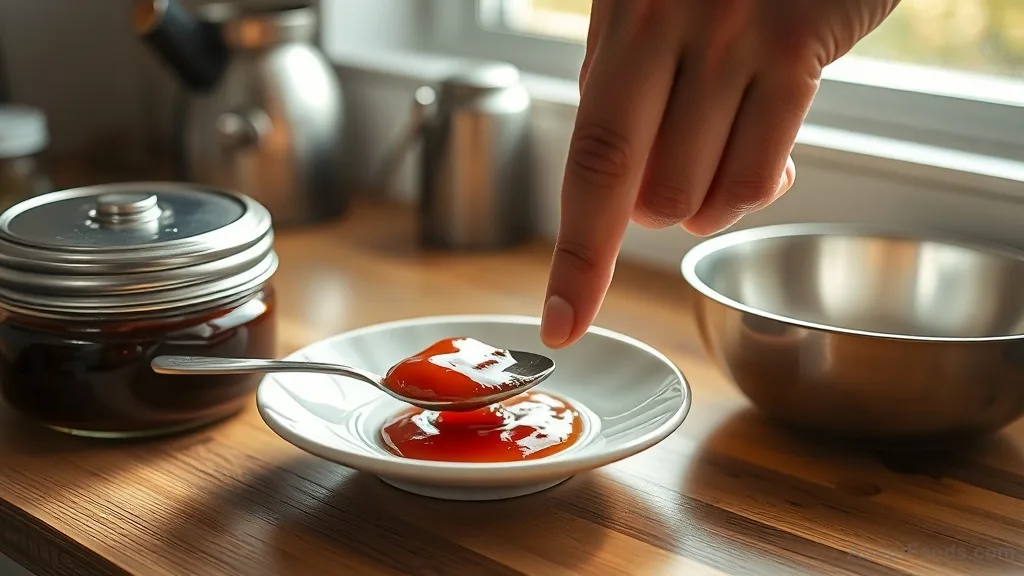
While temperature is the gold standard, there's another reliable method that doesn't require special equipment: the wrinkle test. This works because it actually tests the gel formation as it cools, which is when pectin does its final setting work. Here's how to do it properly:.
- Before you start cooking, place 2-3 small plates in your freezer
- When you think the jam is nearly ready, remove a plate from the freezer
- Spoon a small amount of hot jam onto the cold plate
- Return it to the freezer for 2 minutes
- Push the jam with your finger—if it wrinkles and holds the wrinkle, it's set
- If it's still runny, cook for another few minutes and test again
Why does this work when bubbles fail? Because you're testing the actual gel formation at a temperature where pectin sets. The cold plate rapidly cools the sample, simulating what will happen when you jar the jam. If it sets on the plate, it will set in the jar. This method accounts for the specific pectin content of your fruit batch and gives you a real-time read on gel strength.
Common Mistakes That Sabotage Perfect Jam
Even with reliable testing methods, several common mistakes can prevent proper setting. Understanding these will help you troubleshoot before problems arise.
Practical Guide: Step-by-Step to Foolproof Jam
Let's put this all together into a practical method that guarantees success. Follow these steps and you'll never worry about bubbles again.
| Step | Action | Why It Matters |
|---|---|---|
| 1. Prepare | Wash and chop fruit uniformly. Weigh everything—fruit, sugar, lemon juice. | Consistent pieces cook evenly. Weight is more accurate than volume. |
| 2. Macerate | Mix fruit with sugar and let sit 1-2 hours or overnight. | Draws out natural juices and begins pectin extraction. |
| 3. Cook | Bring to boil, then simmer. Stir occasionally to prevent sticking. | Gentle heat preserves pectin structure while evaporating water. |
| 4. Test Temperature | Use thermometer. Cook to 220°F (104°C) at sea level. | Measures actual sugar concentration—the key to setting. |
| 5. Verify with Wrinkle Test | Test on frozen plate. Cook longer if needed. | Confirms gel formation at setting temperature. |
| 6. Jar Immediately | Fill sterilized jars to ¼ inch from top. Seal while hot. | Proper sealing ensures safety and preserves flavor. |
Remember: jam continues to set as it cools. What seems slightly soft when hot will often perfect itself overnight. Resist the temptation to keep cooking 'just a little longer'—that's how rubbery jam happens.
FAQ: Your Jam Questions Answered
Can I use the bubble test at all?
You can use bubble changes as a rough indicator that evaporation is happening, but never as your primary test. Bubbles tell you water is boiling off; they don't tell you if pectin is gelling properly.
What if my jam doesn't set even with these methods?
First, don't panic! Unset jam makes excellent syrup or ice cream topping. To rescue it: reheat, add more pectin (commercial or from high-pectin fruit like apples), adjust acid if needed, and retest. Always start with small test batches when adjusting.
Does the type of pot matter?
Yes! Wide, heavy-bottomed pots allow for better evaporation and more even heating. Avoid aluminum (can react with acid) and choose stainless steel or enameled cast iron. The pot's width affects bubble formation too—another reason bubble tests fail.
How long should jam take to set?
There's no fixed time—it depends on fruit water content, pot size, and heat level. Generally 15-45 minutes. Focus on temperature, not clock-watching. Rushing with high heat can destroy pectin.
Can I reduce sugar for healthier jam?
Sugar isn't just for sweetness—it's essential for preservation and gel formation. You can reduce somewhat (to about 55% concentration), but you'll need added pectin and careful pH management. Low-sugar jams have different setting requirements.
Why does my jam sometimes set after days in the jar?
Pectin continues to form bonds as it cools and rests. Some fruits have slow-setting pectin. If your tests indicated it should set, be patient. True failure won't fix itself after days.
Rate this article
5 out of 5 from 21 ratings
Written by
Maya Green
Specialises in Vegan Plant Based Global cuisineMaya went vegan after watching a documentary in 2018 and hasn't shut up about cashew cream since. Her food is actually incredible.
Describe yourself in three words: Passionate, evangelical about plants, loving.