Myth Busting
Why 'Salt Pasta Water Like the Sea' Is Bad Advice (Here's the Ratio)
That old Italian saying about salting pasta water 'like the sea' is actually terrible advice that leads to overly salty pasta. The right ratio is about 1-2% salt to water by weight, not seawater-level salinity. Let me show you the science behind perfectly seasoned pasta every time.
The Myth That Needs Busting
Ciao, amici! Sofia here. If there's one piece of cooking advice that's been passed down through generations of Italian kitchens, it's this: 'Salt your pasta water like the sea.' Nonna said it, your favorite chef on TV says it, and food writers repeat it like a mantra. But here's the truth—it's terrible advice. As someone who grew up in a kitchen where pasta was practically a food group, I'm here to tell you why this saying needs to be retired. Not only does it lead to overly salty pasta, but it shows a misunderstanding of how salt actually works in cooking water. Let's dive into the science and find the perfect ratio together.
First, let's be clear about what 'like the sea' actually means. Seawater has a salinity of about 3.5%. That means for every liter of water, there are 35 grams of salt dissolved in it. Now, I don't know about your taste buds, but if my pasta tasted like seawater, I'd be reaching for a gallon of water to wash it down! The reality is that proper pasta water should enhance the flavor of the pasta and sauce, not overpower it. The good news? There's a simple, science-backed ratio that works every single time.
The Science of Salt in Cooking Water
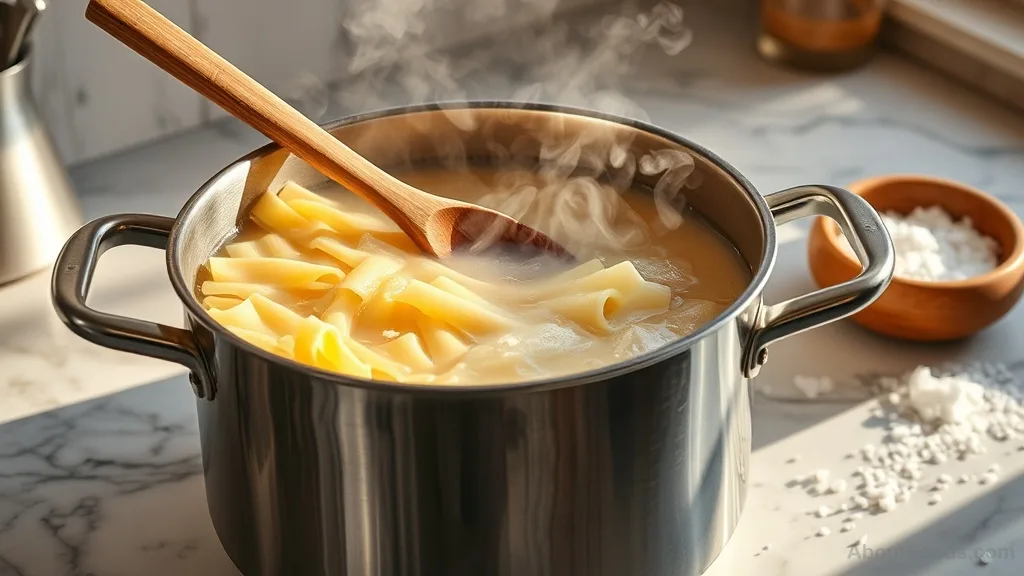
To understand why the 'like the sea' advice fails, we need to look at what salt actually does in cooking water. Salt—sodium chloride—dissolves in water and creates a solution. When you cook pasta in this salted water, something magical happens through a process called osmosis. The saltier water outside the pasta draws moisture from inside the pasta, but more importantly, it also allows salt ions to penetrate the pasta surface. This happens because the starch in pasta absorbs water during cooking, and that water carries salt with it into the pasta structure.
Here's where the science gets interesting: pasta can only absorb a certain amount of salt. If the water is too salty (like seawater), the pasta will absorb more salt than it should, resulting in an unpleasantly salty final product. But if the water isn't salty enough, the pasta will taste bland, no matter how flavorful your sauce might be. The goal is to find that sweet spot where the pasta is perfectly seasoned from within, creating a harmonious balance with whatever sauce you're serving.
- Salt lowers the boiling point of water slightly (though not enough to affect cooking time)
- Salt enhances pasta's natural wheat flavor by suppressing bitterness
- Proper salting helps pasta maintain better texture and firmness
- Salt penetrates only about 1-2mm into pasta during typical cooking times
The Perfect Salt-to-Water Ratio
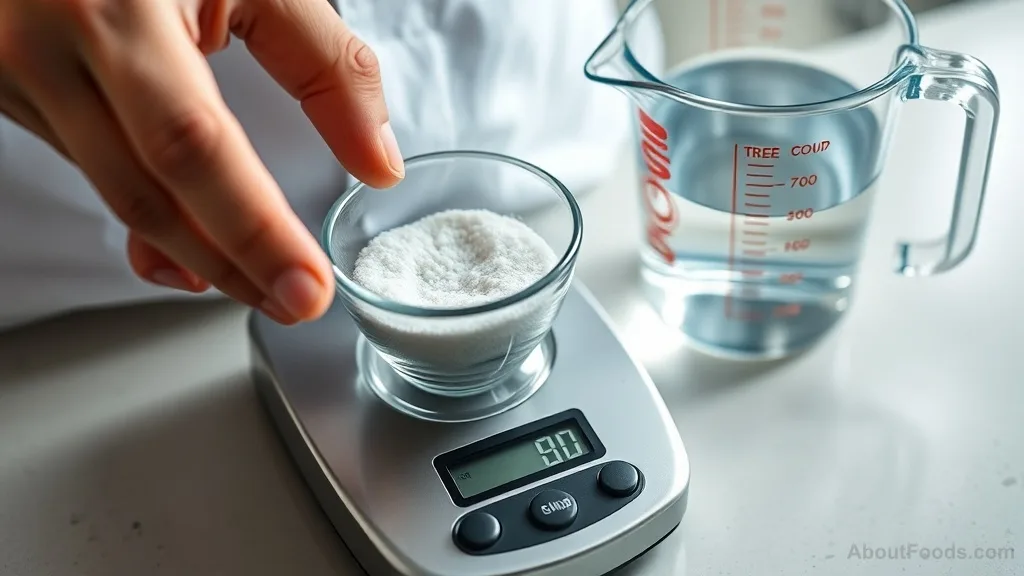
After years of testing (and yes, eating a lot of pasta), I've found that the ideal salt concentration for pasta water is between 1% and 2% by weight. That means for every liter of water, you'll want 10-20 grams of salt. Let me break down what this looks like in practical terms for different pasta amounts:.
| Water Amount | Salt (1% ratio) | Salt (2% ratio) | Best For |
|---|---|---|---|
| Water Amount | Salt (1% ratio) | Salt (2% ratio) | Best For |
| 1 liter (4 cups) | 10g (2 tsp) | 20g (4 tsp) | 100g dried pasta |
| 2 liters (8 cups) | 20g (4 tsp) | 40g (8 tsp) | 200g dried pasta |
| 3 liters (12 cups) | 30g (6 tsp) | 60g (12 tsp) | 300g dried pasta |
| 4 liters (16 cups) | 40g (8 tsp) | 80g (16 tsp) | 400g dried pasta |
Now, you might be wondering: 1% or 2%? Here's my rule of thumb: Start with 1% if you're using a very salty sauce (like one with capers, olives, or anchovies) or if you're sensitive to salt. Use 2% if your sauce is mild or cream-based, or if you just love that well-seasoned pasta flavor. Personally, I usually aim for about 1.5%—right in the middle for most situations.
Common Mistakes and How to Avoid Them
Even with the right ratio, people make simple mistakes that ruin their pasta. Let me walk you through the most common ones I've seen in kitchens:.
- Adding salt to cold water: Salt dissolves better in hot water. Wait until the water is at least simmering before adding your measured salt.
- Not stirring after adding salt: Give it a good stir to ensure all the salt dissolves before adding pasta. Undissolved salt can settle and create uneven seasoning.
- Using the wrong salt: Different salts have different densities. I recommend using kosher salt or fine sea salt for consistency. If using table salt, reduce the amount by about 25% since it's denser.
- Forgetting to account for pasta type: Fresh pasta cooks much faster than dried, so it absorbs less salt. Reduce salt by about 25% for fresh pasta.
- Skipping the taste test: The best way to know if your water is properly salted? Taste it! It should taste like a well-seasoned soup, not like ocean water.
One more tip: Always use enough water. A good rule is 1 liter of water for every 100g of dried pasta. Crowded pots lead to uneven cooking and can affect how the pasta absorbs salt.
Why Timing Matters More Than You Think
Here's something most home cooks don't realize: When you add the salt matters almost as much as how much you add. The ideal time to salt your pasta water is when it's already hot but before it reaches a rolling boil. Why? Because salt needs time to fully dissolve and distribute evenly throughout the water. If you add salt to cold water, some of it will sink to the bottom and not fully dissolve until much later, leading to uneven seasoning.
Think of it this way: You want the salt to be completely dissolved and the water to be uniformly seasoned by the time you add your pasta. This ensures every strand or piece gets exposed to the same salt concentration from the very beginning of cooking. I usually add my measured salt when the water is at a gentle simmer, give it a good stir for 30 seconds, then bring it to a rolling boil before adding pasta.
The Role of Salt in Pasta Texture
Beyond flavor, salt plays a crucial role in pasta texture that most people never consider. When pasta cooks, the starch granules absorb water and swell. Salt in the cooking water actually strengthens the gluten network in the pasta, helping it maintain better structure and a more pleasing al dente texture. It's not just about taste—it's about mouthfeel too.
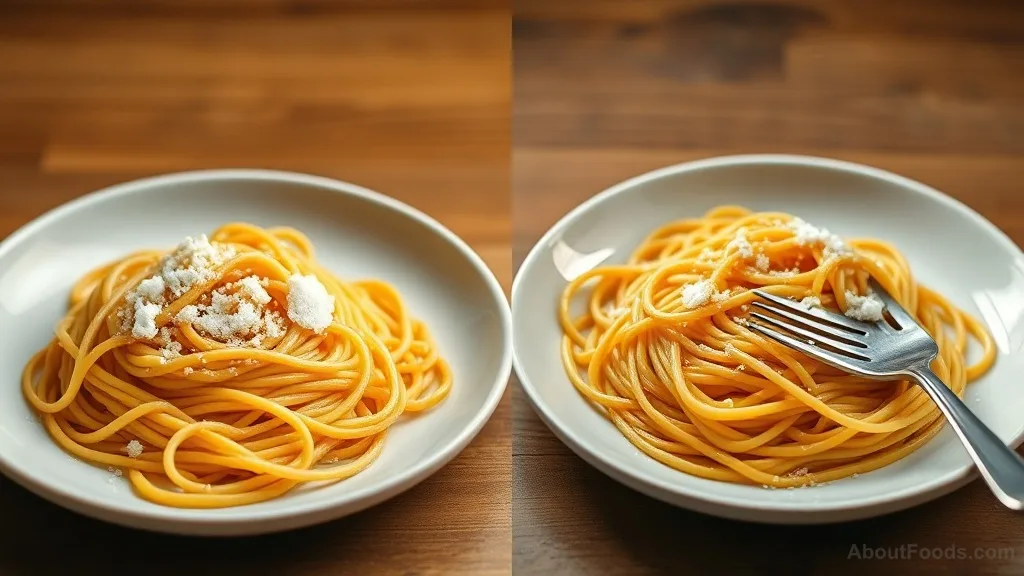
This is particularly important for long, thin pastas like spaghetti or linguine. Properly salted water helps these delicate shapes maintain their integrity without becoming mushy or breaking apart. The salt ions interact with the proteins in the pasta, creating a firmer, more resilient structure that holds up better to tossing with sauce. Next time you cook pasta, try this experiment: Cook two batches side by side, one in properly salted water and one in unsalted water. You'll notice the difference in texture immediately—the salted water pasta will have a better bite and more satisfying chew.
FAQs: Your Pasta Salt Questions Answered
Can I just salt the pasta after cooking instead?
While you can add salt after cooking, it won't give you the same result. Salt added to cooked pasta only seasons the surface, while salt in cooking water penetrates the pasta, seasoning it from within. This creates a more balanced, integrated flavor.
What if I'm on a low-sodium diet?
You can reduce the salt to 0.5% (5g per liter) and still get some benefit. The pasta will absorb less salt than with higher concentrations, but you'll still get some flavor enhancement and texture benefits.
Does the type of salt really matter?
Yes! Different salts have different crystal sizes and densities. Kosher salt and fine sea salt are ideal because they dissolve easily. Table salt is denser, so if using it, reduce the amount by about 25%. Avoid large-flake finishing salts for cooking water—they don't dissolve as well.
Should I add oil to pasta water too?
No! This is another common myth. Oil doesn't prevent sticking—it just creates a slick surface that prevents sauce from adhering properly. To prevent sticking, use plenty of water, stir occasionally during the first minute of cooking, and don't overcook.
What about salting water for gluten-free pasta?
The same ratios apply! Gluten-free pasta still benefits from salted water for flavor and texture. The salt helps enhance whatever starches and proteins are in the alternative flour blend.
How do I adjust for different pasta shapes?
The basic ratio stays the same, but cooking time affects salt absorption. Short pasta that cooks quickly (like orzo) absorbs slightly less salt than long pasta that cooks longer (like bucatini). If in doubt, stick to the 1-2% ratio—it works for all shapes.
The Takeaway: Trust the Ratio, Not the Saying
So there you have it, amici. The next time someone tells you to salt your pasta water 'like the sea,' you can smile knowingly and reach for your kitchen scale instead. Remember: 1-2% salt to water by weight, added to hot water and well-dissolved before the pasta goes in. This simple ratio, backed by kitchen science, will give you perfectly seasoned pasta every time—pasta that tastes like it came from an Italian kitchen, not from the ocean.
The beauty of cooking is that we're always learning, always improving. Even traditions need updating when science shows us a better way. So put down that handful of salt, grab your measuring spoon or scale, and cook with confidence. Your pasta—and your dinner guests—will thank you. Now, if you'll excuse me, I think it's time for a little pasta tasting of my own. Buon appetito!
Rate this article
5 out of 5 from 21 ratings

Written by
Sofia Moretti
Specialises in Italian cuisineSofia is a self-taught pasta whisperer. Her nonna still thinks she uses too much garlic.
Describe yourself in three words: Warm, chatty, and always offering a second helping.